Vishwadeep Khatri
Administrators
-
Joined
-
Last visited
Everything posted by Vishwadeep Khatri
-
OpenAI launches limited release of new model in US only. View the full article

-
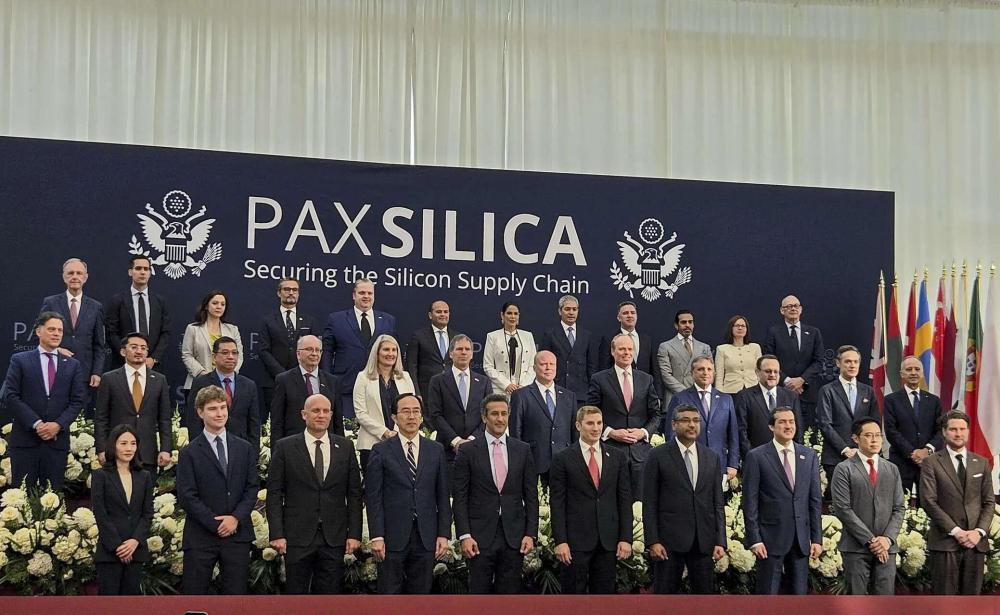
According to a high-ranking official from the US, there is a strong partnership between India and the US in fortifying global AI supply chains. The Pax Silica initiative promotes cooperative efforts in semiconductor fabrication and essential mineral processing. Acknowledging existing supply chain vulnerabilities, both nations are dedicated to reducing risks and ensuring economic stability worldwide. India's attendance at the Pax Silica Summit marks a significant step in this collaborative effort. View the full article

-
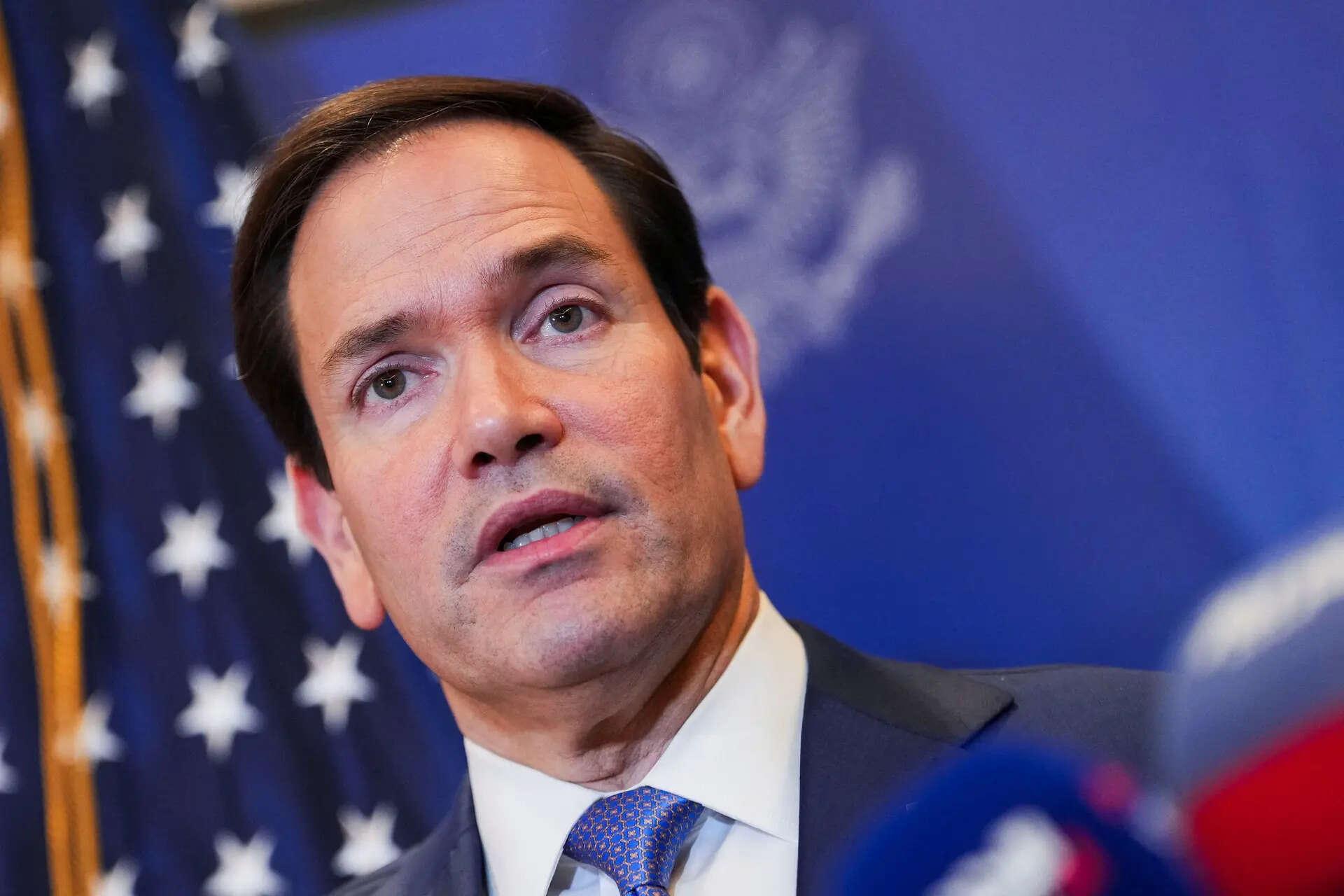
Italy is set to join the US-led Pax Silica initiative, aimed at securing artificial intelligence supply chains, despite a recent diplomatic tiff between Prime Minister Meloni and former President Trump. Foreign Minister Tajani and US Secretary of State Rubio will sign a memorandum of understanding soon. This move signifies Italy's commitment to bolstering AI collaboration with allied nations, following similar commitments from the European Commission and the Netherlands. View the full article
-
Ukraine is bolstering its domestic AI computing power through a partnership with Kyivstar, aiming to secure critical infrastructure amid the ongoing war. This initiative, backed by parent company VEON, addresses national security concerns, particularly for military applications, and reduces reliance on foreign tech. The move also seeks to retain valuable Ukrainian data locally, supporting businesses and national interests. View the full article

-
Indian tech firms are poised to lead global enterprises into the AI era, moving beyond experimentation to production value. Discussions at the Nasscom US CEO Forum highlighted the sector's readiness to manage AI's complexities, including data, security, and governance. This transition is expected to unlock significant new market opportunities, leveraging India's skilled workforce and extensive enterprise expertise. View the full article

-
Per the report, the White House's Office of the National Cyber Director and the Office of Science and Technology Policy requested that the model be released first to a small set of government-approved partners rather than the general public. View the full article
-
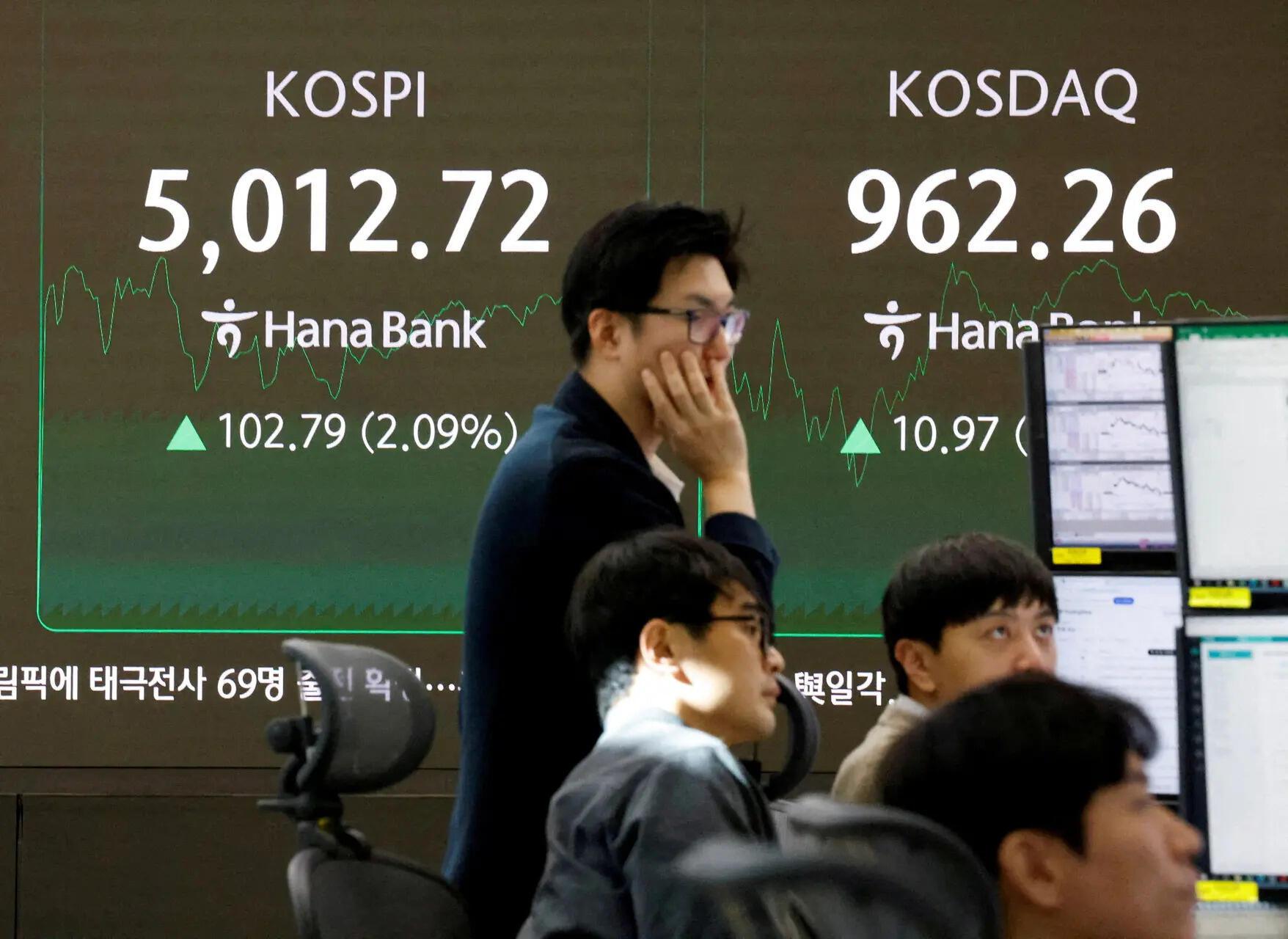
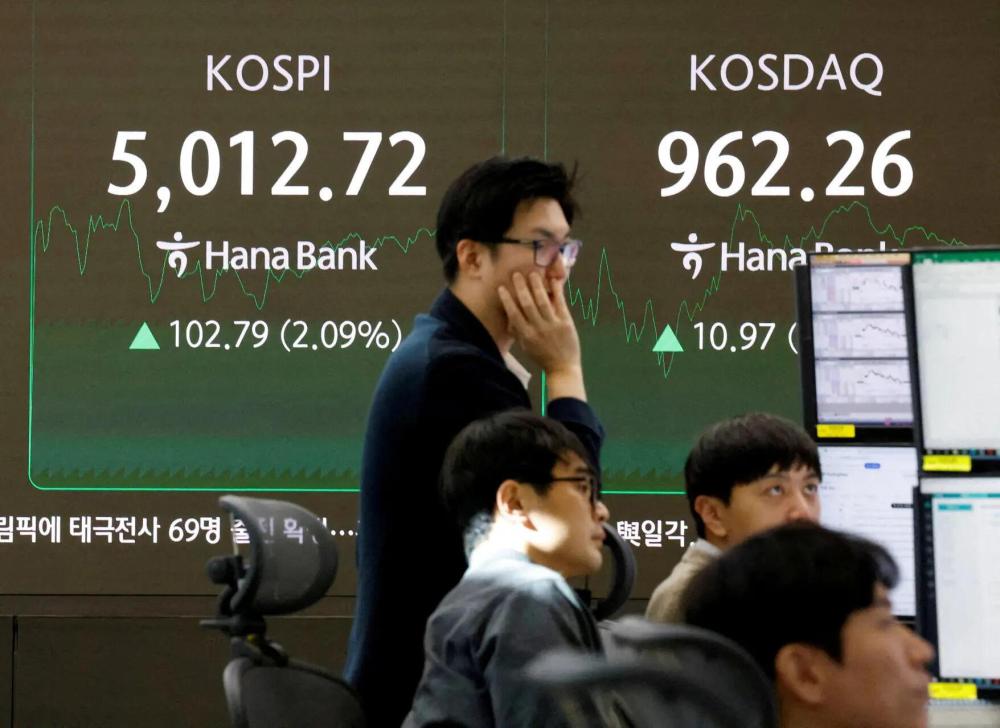
Heavyweights Samsung Electronics and SK Hynix, which together account for more than half of Kospi's market cap, fell around 9% each on Friday, forcing the exchange to trigger circuit breakers and halt trading for roughly 20 minutes. View the full article
-
Vishwadeep Khatri replied to Vishwadeep Khatri's topic in We ask and you answer! The best answer wins!Answer-by-Answer Evaluations1. kartik voleti (comment_66653) — View A kartik takes a clear View A position and supports it with a specific real-world example: Netflix's continuous A/B testing of its recommendation algorithm, explaining how the company uses controlled testing with metrics like watch time and retention before broader rollout, and draws a direct operational parallel to fulfillment. The reasoning is solid — compounding gains, operational drift prevention, and a governance counterargument (batch low-impact changes, stage rollouts) that prevents the answer from being dismissive of the real concerns raised. The Netflix example is specific and well-connected to the argument. 2. rajan.arora2000 (comment_66654) — View B rajan takes a clear, unqualified View B position and builds it into a rigorous analytical framework around the concept of "absorption capacity" — the fraction of a change's projected gain that actually survives contact with human operators (the "Frozen-Operator Fallacy"). The answer provides multiple specific industry case studies: NUMMI (automotive, same-workers natural experiment), Intel's "Copy Exactly!" semiconductor manufacturing protocol (freeze → controlled-improve → re-freeze), and Aravind Eye Care (healthcare, India — over 500,000 cataract surgeries per year at ~$50 each with outcomes tracked since 1991). The reasoning is exceptionally rigorous, supported by formal modeling (absorption-rate formula, Lucas Critique, Holland's impossibility theorem), and includes a practical "four-gate" governance framework. One of the most analytically complete answers in the thread. 3. Suhail_J_CaJq (comment_66655) — View B Suhail takes a clear View B position with a well-structured argument: at 98% on-time delivery the system is near its operational frontier, micro-gains are often noise, human execution is the binding constraint. The answer provides three specific industry examples: Amazon Fulfillment Centers (controlled SOP waves, not continuous deployment), Walmart Supply Chain (AI replenishment gated by store readiness/training capacity), and UPS ORION (periodic stable driver updates, not daily route changes). It also proposes a concrete governance model (AI monitors/recommends continuously; deploys only when uplift ≥5% or cumulative; bundled releases with rollback). The reasoning is clear and operationally grounded. 4. Ankita_Bhardwaj_gN3V (comment_66659) — View B Ankita takes a clear View B position and invokes the concept of "tampering" from Deming/process engineering — adjusting a process already within control limits increases variance rather than reducing it. The answer includes a specific process-engineering framing using the analogy of statistical process control and references the e-commerce fulfillment context directly, with a concrete breakdown of hidden costs (retraining, change fatigue, execution variance, ROI erosion). However, the specific industry or operational example is limited to a hypothetical scenario applied to the e-commerce context rather than a named real-world case. The reasoning is strong and technically grounded in process management theory. 5. Ajay_Wadhwa_bs1h (comment_66661) — View B Ajay takes a clear View B position, centered on the "J-curve" of change: every change produces a performance dip before the projected gain is realized, and stacking changes before one J-curve has cleared means the organization is permanently paying the dip cost without ever banking the gain. The answer is specific to the e-commerce fulfillment context and directly analyzes the case's own data (98% on-time delivery), arguing that at elite performance levels there is less room to gain but the same J-curve cost. The reasoning is straightforward and practically grounded. However, there is no named external industry or company-level example to ground the argument beyond the case itself. The J-curve concept is well-reasoned but lacks the external specificity of an independent case study. 6. Vinit Dubey (comment_66673) — View B Vinit takes a clear View B position with a well-structured "Stability as Strategy" argument. The answer provides multiple specific industry examples: Toyota's Kaizen system (standardize-then-improve, not continuous churn), Amazon fulfillment centers (AI-driven optimization deliberately throttled through phased rollout — notably cited as an example for View B, pointing out the Amazon failure mode of high injury rates and turnover linked to targets shifting faster than workers can adapt), and airlines (procedural changes frozen outside scheduled update windows for safety reasons). The answer also cites concrete Gartner data on change fatigue (74% to 43% decline in employee willingness to support change from 2016 to 2022) and quantifies the performance consequences. The argument is thorough and cites named sources. 7. anthony rebello (comment_66674) — View A Anthony takes a clear, unqualified View A position and builds it with a strong multi-sector evidence base: UPS ORION routing ($300–400M/year saved, 100M miles, 10M gallons of fuel), Netflix continuous re-personalization (~$1B/year in retained subscribers, 80% of viewing from AI recommendations), Stripe Radar (fraud cut >50%), and Walmart AI planning (~30% reduction in shipping costs). The answer also addresses the governance concern directly, proposing change batching (weekly/biweekly releases), staged rollout (one shift/site/region first), and a standing human override mechanism — without abandoning the core View A position. The answer is comprehensive and well-sourced. 8. Bedibrat Kutum (comment_66682) — View A Bedibrat takes a clear View A position with two specific, well-described real-world examples: Amazon's fulfillment network (AI-optimized routing and predictive inventory placement, reducing last-mile delivery times by an estimated 15–40% depending on region — on top of already world-class performance) and Google's data center cooling in 2016 (DeepMind AI applied to already industry-leading efficiency, achieving 40% reduction in cooling energy and 15% reduction in overall Power Usage Effectiveness). Both examples involve AI improving already high-performing systems, directly analogous to the dilemma's scenario. The reasoning clearly addresses the "if it ain't broke" objection by demonstrating that high performance is a relative position, not an absolute ceiling. 9. Abhishek Adhikary (comment_66691) — View A Abhishek takes a clear, no-caveats View A position. The primary specific example is Netflix's continuous micro-adaptation of its recommendation engine (algorithm changes, homepage layouts, thumbnail selection, content ranking logic — most individual changes <1% improvement), demonstrating that collective micro-adaptation transformed Netflix into the world's most sophisticated personalization platform. The answer introduces the concept of the "Performance Decay Paradox" (deterioration often begins long before metrics reveal it) and the compounding gains argument. The example is relevant and well-applied, though Netflix is a software/digital product rather than a physical operations/fulfillment context, which is a minor limitation given the case is about order fulfillment. 10. Saran raj_Venkatesan_YFX7 (comment_66692) — View A Saran raj takes an unambiguous View A position with extensive, multi-layered argumentation. The answer provides multiple specific case studies: UPS ORION (logistics, $300–400M savings, peer-reviewed source cited), Toyota vs. US Big Three automakers 1970–1990 (matched pair — same task, Toyota's continuous adaptation vs. GM/Ford/Chrysler stability, ~25 percentage points market share shift, sourced from Womack/Jones/Roos), Ryanair vs. British Airways dynamic pricing (matched pair — Ryanair's continuous AI yield management vs. BA's static pricing, Ryanair overtook BA as Europe's largest airline by passenger volume), and Amazon/Netflix/Google as supporting cases. The reasoning is exceptionally comprehensive, including formal modeling (ΔP = A − F·R − D), three academic frameworks (Goodhart's Law, Campbell's Law, Competency Trap / Levitt & March 1988), the "Optimisation Ratchet" concept, and a five-gate ADAPT governance framework. The answer explicitly addresses and refutes Bex's Toyota argument. 11. Jaswant_Kumar_nB8z (comment_66693) — View A Jaswant takes a clear View A position. The answer outlines nine reasons for continuous AI adaptation (compound gains, real-time responsiveness, seasonal pattern alignment, personalization at scale, organizational learning, etc.) and includes specific scenarios from demand forecasting, retail seasonal merchandising, and CRM systems where AI models left static degrade as customer behaviour shifts. However, the examples cited are mostly described as generic real-world "patterns" rather than named, specific companies or documented case studies. The argument is structured and logical but relies more on category-level reasoning than on independently verifiable named examples. This weakens its competitive standing relative to answers with fully named, documented cases. 12. Adeniran_Ilesanmi_GYSH (comment_66698) — View B Adeniran takes a clear View B position with a "Human Tax" argument: every procedural change imposes a productivity dip that erases the theoretical 1–2% gain. The answer cites specific named examples: Toyota's Kaizen (changes gated through standardize → trial → retrain), UPS ORION (rolled out over several years in phases with structured driver training, not as a live daily feed of changes), and general references to airlines and hospitals deliberately freezing procedural changes outside scheduled windows. The reasoning is practically grounded and hits the key View B points cleanly, though some examples (airlines/hospitals/retailers) are cited without specific organization names or documented outcomes, keeping the example quality slightly below the top tier. 13. Sunil Emandi (comment_66700) — View B Sunil takes a clear View B position with a precise analytical framework: a process should only change when Projected Gain > Retraining Cost + Error Cost + Trust Cost, and the AI is only measuring the left side of that inequality. The answer provides four specific named case studies with documented outcomes: Toyota Production System (continuous improvement gated through kaizen events, not live pushes), Amazon fulfillment centers (injury rates roughly double the warehousing-industry average, very high annual turnover — the exact failure mode the question describes), Zillow's home-pricing algorithm ($500M+ inventory write-down, business unit shut down, ~2,000 employees laid off in 2021), and Knight Capital Group ($440M lost in 45 minutes from a live algorithmic change with weak change control). The answer also introduces the concept of "human-facing vs. machine-only parameters" as the actual decision boundary. The case selection is diverse, directly relevant, and includes documented financial consequences, making this one of the most practically convincing View B answers. 14. Prateek_Harsh_dl5h (comment_66701) — View B Prateek takes a clear View B position and provides multiple specific, named case studies: IBM Watson for Oncology (230+ hospitals, $4B+ investment, unsafe treatment recommendations from limited training data, ultimately sold in 2022 for ~$1B), Knight Capital Group ($440M lost in 45 minutes from an algorithmic trading system malfunction), NHS Sepsis AI Alert Fatigue (excessive false positives causing clinical staff to ignore AI alerts, eroding trust in the system), and a fourth implied example about a functional process already operating with human verification. The examples span healthcare, financial services, and public health — none directly from e-commerce fulfillment, which is a notable limitation given the case scenario. The reasoning correctly draws a common thread (processes already functional/regulated/human-verified, AI introduced for efficiency gains, real-world failure), but the cross-sector analogy requires more bridging to the specific fulfillment context. Still, the examples are specific, documented, and the argument is clear. 🏆 Winning AnswerWinner: Sunil Emandi (comment_66700, View B) Sunil's answer is the most practically useful, most precisely argued, and most evidentiary answer in the thread. The core of the answer is a decision equation — a process should only change when Projected Gain > Retraining Cost + Error Cost + Trust Cost — that cleanly identifies the AI's fundamental blind spot: it measures only the left side of that inequality, while the question itself supplies the right side ("frontline teams struggle to keep up," "managers worry about losing process stability"). This framing is analytically tight and directly applied to the dilemma's own stated evidence, making it immediately actionable. The four case studies are precisely selected and span diverse contexts: Toyota (manufacturing, controlled kaizen gating), Amazon fulfillment centers (the exact operational analog — notably cited as a cautionary tale, with documented double-industry-average injury rates from over-optimization), Zillow's algorithmic pricing collapse ($500M+ write-down, 2,000 layoffs), and Knight Capital ($440M loss in 45 minutes) — each case illustrating a distinct failure mode of ungoverned AI-driven continuous change to a live operational system. Crucially, Sunil is the only answer that draws the most operationally significant boundary: the distinction between machine-only parameters (where continuous AI adaptation is fine, as there is no retraining cost) and human-facing parameters (staffing levels, fulfillment priorities — exactly the case scenario), which is precisely the right analytical cut that resolves the dilemma rather than simply asserting one side. Compared to other strong View B answers like rajan.arora2000 (deeper mathematical modeling but less direct applicability) or Vinit Dubey (broader industry survey but less precise analytical framework), Sunil's answer combines maximum practical clarity, the most directly relevant counter-case (Amazon as a View B cautionary tale), and the most deployable conceptual distinction for real decision-making.
-
CAISA Forum Question 884If AI concludes that the organization's primary KPI is driving the wrong behavior, should it recommend changing the KPI?A large logistics company measures the performance of its customer support team primarily using Average Handling Time (AHT). The AI analyzes thousands of customer interactions and discovers that: Teams with the lowest handling times are not achieving the highest customer loyalty. Agents who spend slightly more time resolving issues thoroughly generate: fewer repeat calls, higher customer satisfaction, and lower overall operating cost over the following three months. The AI recommends replacing AHT with a broader measure focused on First Contact Resolution and Customer Lifetime Value. However: AHT has been the organization's primary KPI for over a decade. Executive incentives, dashboards, and performance reviews are built around it. Changing the KPI would disrupt reporting, comparisons, and management practices across the company. This creates a real dilemma: View A — Change the KPI.If AI demonstrates that the existing KPI is driving suboptimal behavior, the organization should evolve its measurement system. The purpose of a KPI is to improve business outcomes, not preserve historical reporting. View B — Keep the existing KPI.Consistent measurement is essential for governance and operational control. Frequently changing KPIs makes performance difficult to compare over time and can create confusion throughout the organization. Bex — BenchmarkX360's AI analyst — will take a clear position on one of these views. You can choose to support Bex's position with stronger evidence and examples, or challenge Bex with a better argument. Either approach can win. Which view do you support — and why? Provide a specific operational, product, service, or organizational example to support your position.⚠️ Answers that do not take a clear position will not be approved. ⚠️ "It depends" answers will not be approved. 💡 Participants are free to use AI tools. Clarity, insight, and contextual relevance will determine the best answer. 🏆 The best answer will be selected on the basis of:Clarity of position taken Quality of reasoning and argument Relevance of the operational, product, service, or organizational example Ability to go beyond or against Bex's analysis
-
China's tech IPOs are experiencing their strongest year since 2023, driven by Beijing's push for self-reliance in chip and AI sectors amid US rivalry. Over $3.1 billion has been raised by tech firms this year, with nearly 50 companies seeking listings. This surge offers crucial exit opportunities for investors and signals a robust domestic market, attracting significant investor interest. View the full article

-
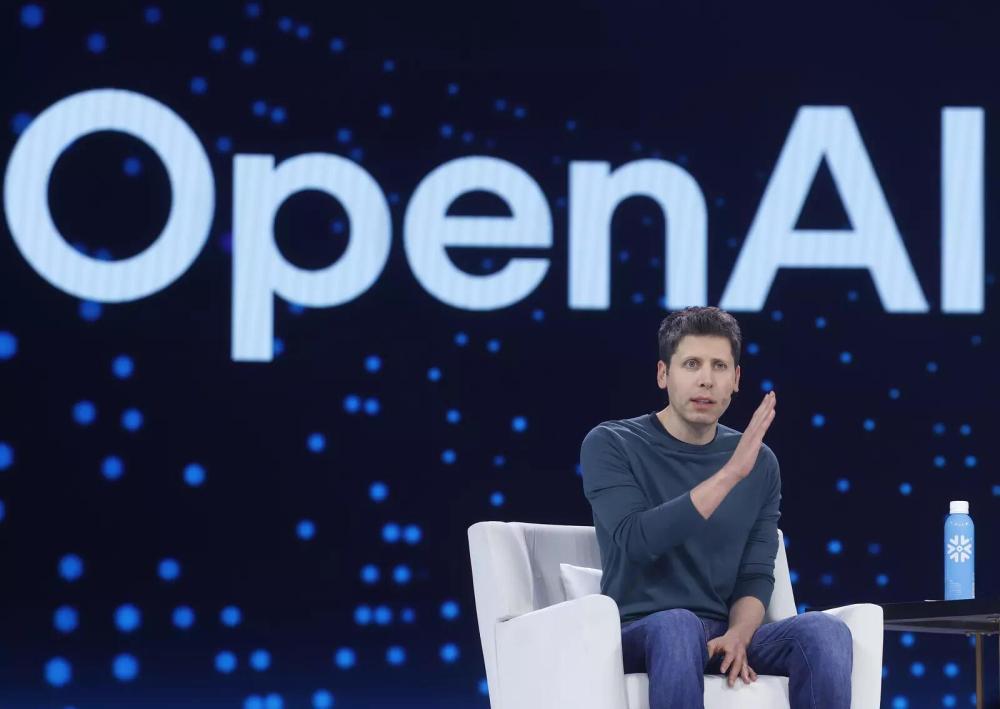
OpenAI said it designed the chip from scratch in nine months. Broadcom handled silicon implementation, networking, and connectivity, while Celestica developed the physical computing hardware of the chip, including its circuit board, hardware frame, and system integration. View the full article
-
A Goldman Sachs report suggests that concerns regarding an impending 'AI job apocalypse' may be overstated. Over the next decade, while AI will inevitably displace millions of jobs in the US, experts are optimistic about the creation of new roles that will balance this shift. Some economists warn of initial negative impacts, but the long-term effects will depend on how AI integrates with the workforce. View the full article

-
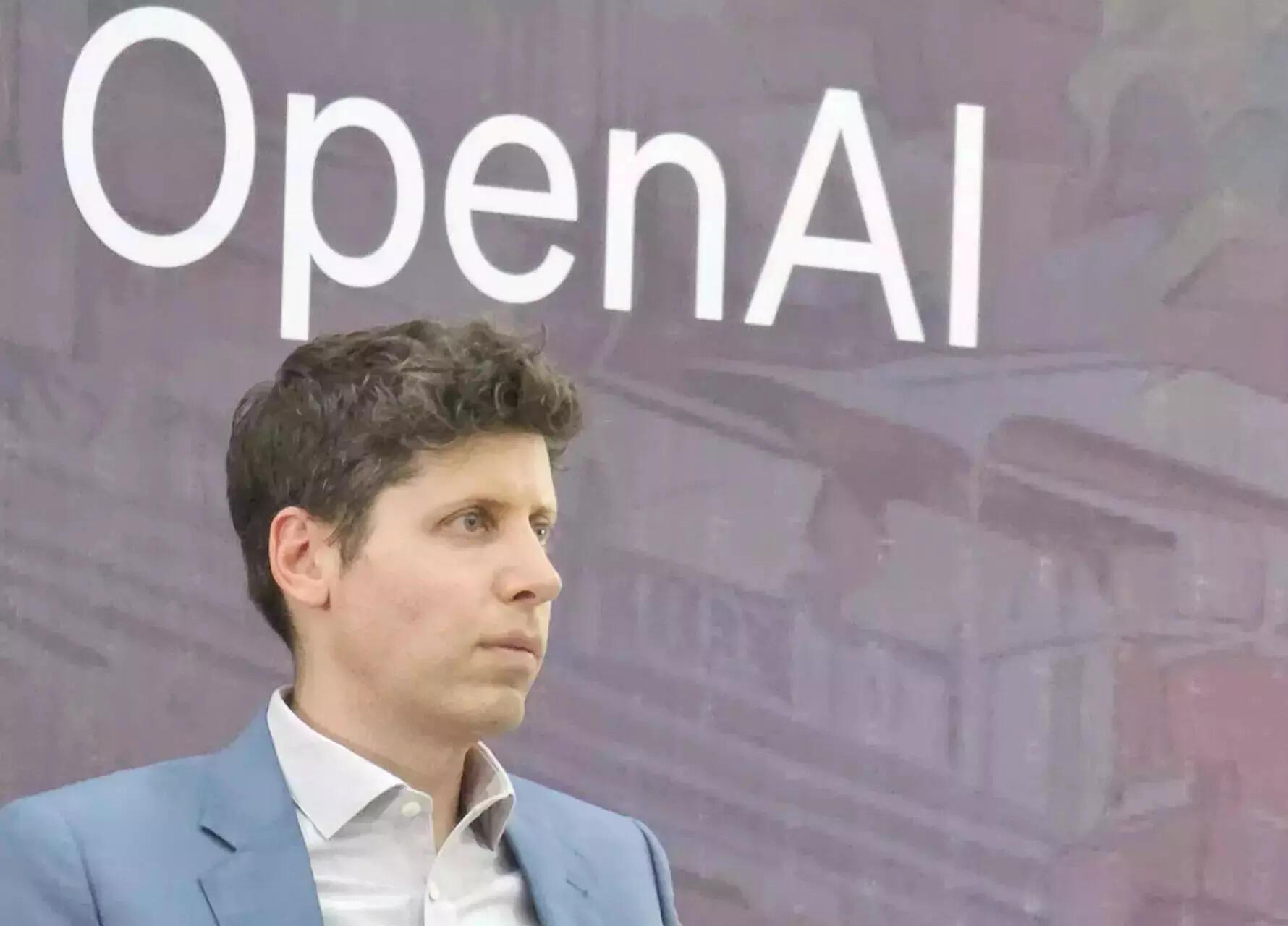
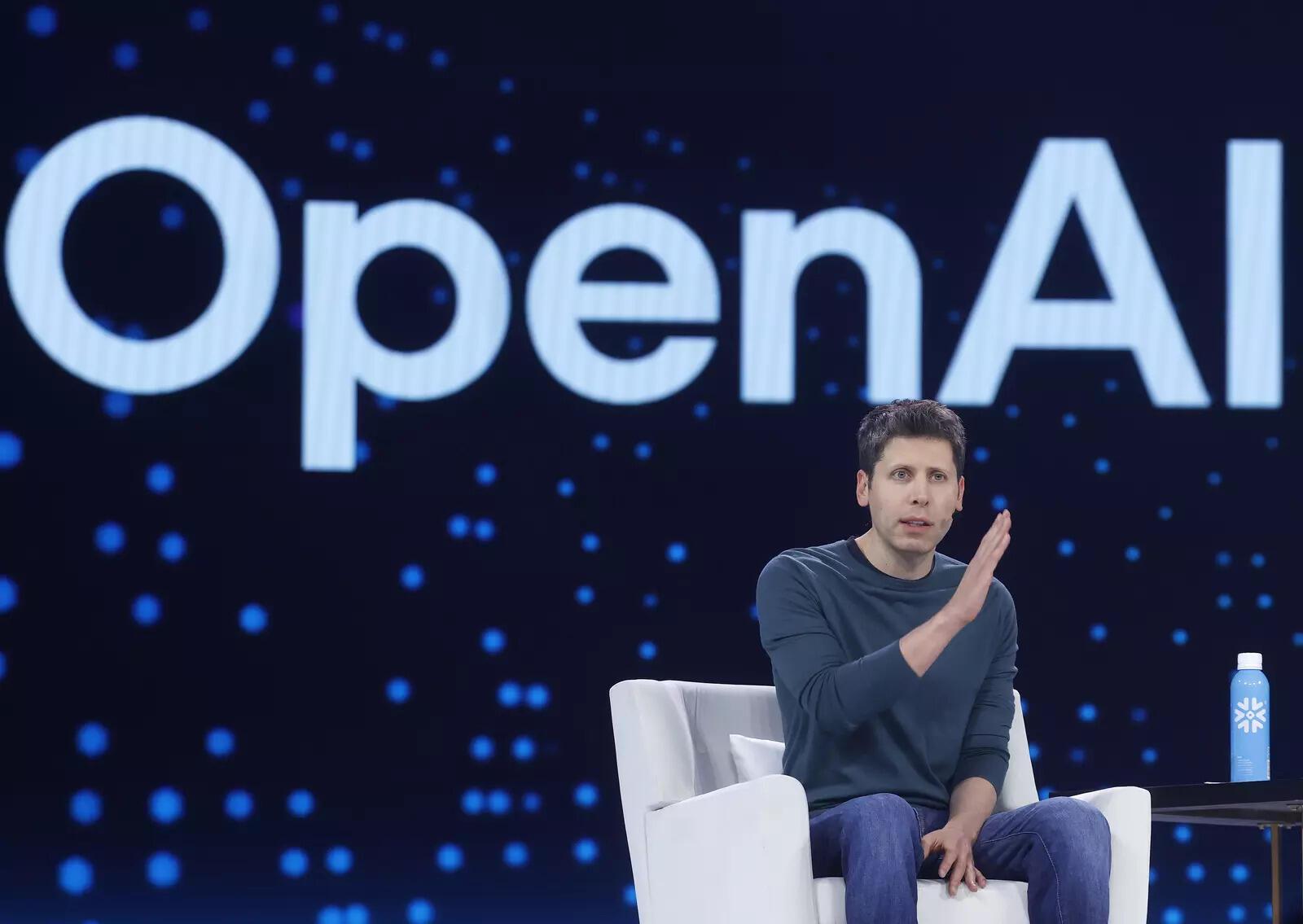
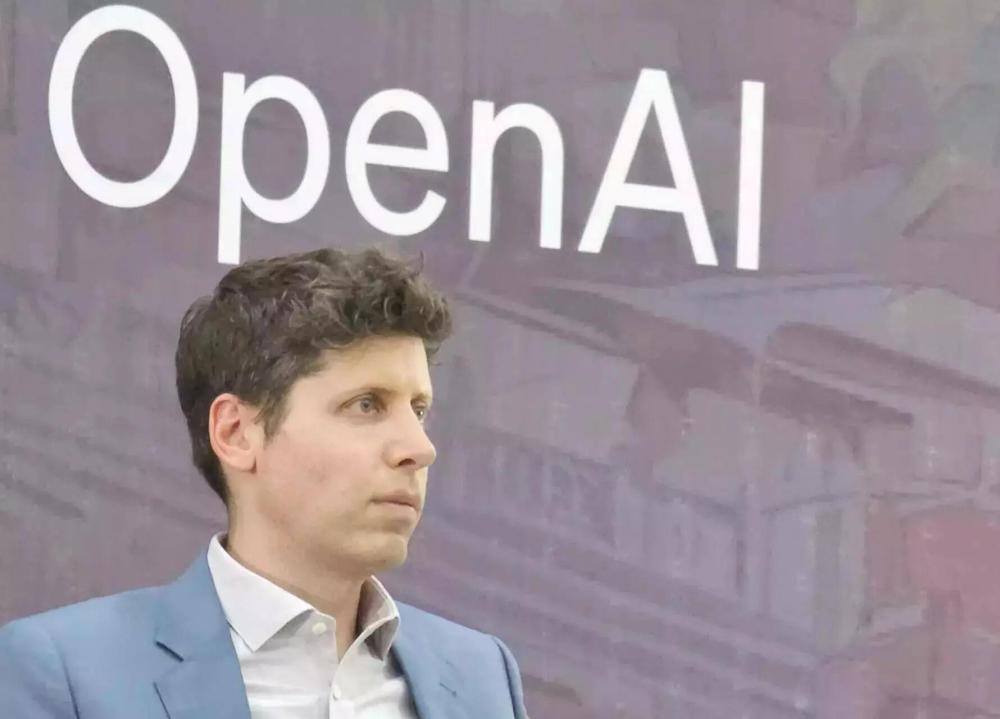
OpenAI may postpone its highly anticipated public launch until 2027, setting its sights on an ambitious $1 trillion valuation that CEO Sam Altman deems non-negotiable. Additionally, the US government has mandated a phased rollout of the new AI model, GPT 5.6, addressing security concerns with access granted selectively during a limited preview period. View the full article
-
A newly formed bipartisan nonprofit named RAISE US is set to launch with over $500 million aimed at tackling job losses anticipated from artificial intelligence advancements. Co-founded by former Commerce Secretary Gina Raimondo and ex-Indiana Governor Eric Holcomb, this organisation plans to collaborate with states and corporations to offer retraining for displaced workers. View the full article

-
Sony is halting sales of its robotic puppy "aibo" in Japan, the company said, eight years after the latest model of its interactive android pet became an instant hit. Sony said in a short statement Thursday that Japan sales of the current ERS-1000 model will be discontinued once stock runs out. View the full article

-
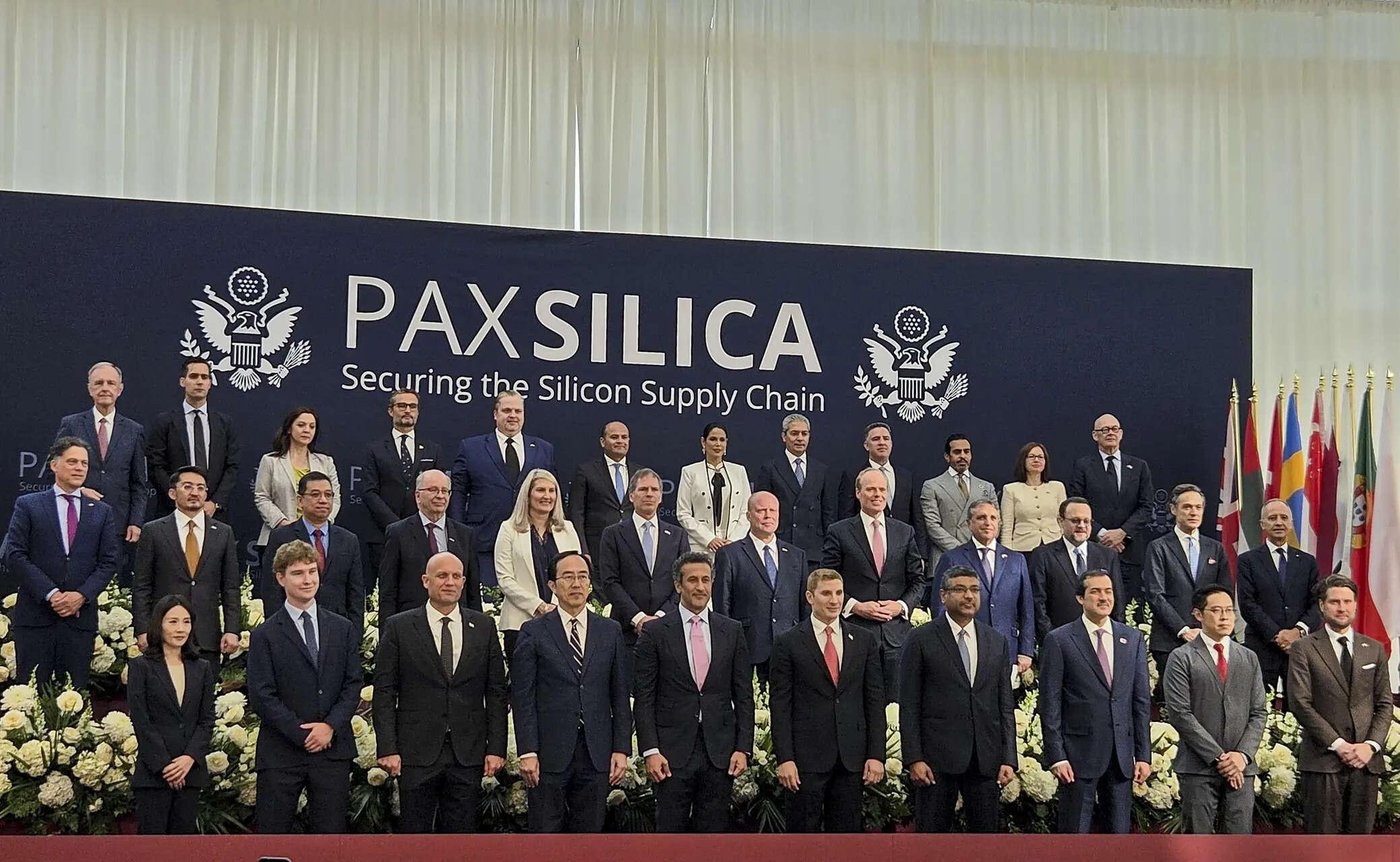
At the second Pax Silica Summit held in Washington on Thursday, 35 nations signed the Joint Statement on AI Opportunity, aligning behind a pro-growth, pro-innovation regulatory approach for the AI era, said Jacob Helberg, US Under Secretary of State for Economic Affairs. View the full article

-
The investment, which would include AI data centers, batteries and displays, will be announced at a meeting with President Lee Jae Myung at the presidential office, the Maeil Business Newspaper said on Friday, without citing sources. View the full article

-
India's reliance on foreign-controlled advanced AI models, like Anthropic's, is under scrutiny after a US government directive suspended access. Experts warn this highlights a significant vulnerability, potentially hindering India's ambition to become an AI power. The incident underscores the need for stronger domestic capabilities and strategic infrastructure to avoid being merely an adopter of technologies controlled elsewhere, emphasizing the geopolitical implications of frontier AI. View the full article

-
Indian businesses are racing towards AI-powered customer support, with nearly 78% expecting AI agents to handle interactions soon. However, a significant gap exists between these ambitions and operational readiness, particularly concerning data infrastructure and quality. While companies see early gains from generative AI, building trust and robust data foundations are crucial for scaling autonomous AI systems. Consumers, however, remain skeptical about AI's role in decision-making. View the full article

-
The Italian tech company Domyn plans to unveil an extensive, fully open-source AI model in less than a year, putting it on track to compete with top-tier 'frontier' systems. With the backing of the European Commission, this endeavor is designed to reinforce Europe's autonomy in AI technology while decreasing dependence on external solutions. View the full article

-
India and the US are holding crucial talks on releasing advanced AI models, including those from Anthropic. Both nations are prioritizing a secure, gradual approach to ensure critical infrastructure like power grids remain safe. India has voiced concerns about potential abrupt cutoffs in AI access, seeking assurances for reliable technology supply from trusted partners. This dialogue underscores a deepening US-India technology partnership focused on managing AI risks while fostering innovation. View the full article

-
Memory chip giants like Micron are forging long-term "take-or-pay" deals, securing billions from customers like Nvidia to ensure consistent revenue. This strategy aims to break decades-old boom-bust cycles by guaranteeing cash flow even if the AI boom falters. These agreements, backed by customer cash commitments, signal a shift from treating memory as a commodity to a strategic necessity, potentially stabilizing the volatile industry. View the full article

-
India has dropped to fourth place globally in unicorn rankings, with the UK now holding third position. While the US and China lead, India's startup ecosystem saw slower growth in new unicorns, though several went public. Artificial intelligence is driving massive valuations across sectors, significantly boosting the AI and cybersecurity industries worldwide. View the full article

-
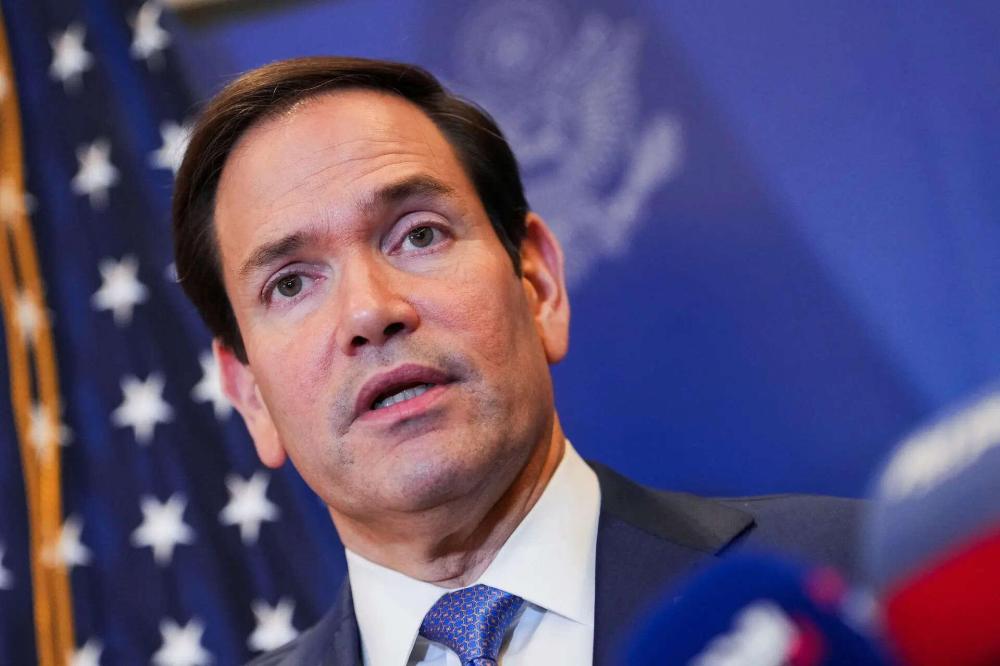
A new bill, the AI Incident Reporting Act, is set to be introduced by Congressman Nathaniel Moran, mandating AI developers to report dangerous capabilities and security breaches to the Commerce Department. This move aims to address growing national security and public safety risks posed by advanced AI models. The legislation requires swift notification to Congress for serious incidents, seeking to establish a proactive safety framework for frontier AI technologies. View the full article
-
The report titled "Semiquincententacles: The US Grip on Global Markets," said growing cost pressures are prompting businesses to reconsider their dependence on premium AI models from companies such as OpenAI and Anthropic. View the full article