Vishwadeep Khatri
Administrators
-
Joined
-
Last visited
Everything posted by Vishwadeep Khatri
-
Prime Minister Narendra Modi met with Mistral AI CEO Arthur Mensch to discuss artificial intelligence. They focused on developing AI systems that are trusted, human-centric, and inclusive. Discussions also covered potential partnerships in India. Mistral AI plans to launch a new model this summer. View the full article

-
During a pivotal encounter in Paris, Mistral AI's CEO, Arthur Mensch, sat down with Prime Minister Narendra Modi to explore the future of artificial intelligence. With a shared vision of accessibility at the forefront, they delved into the concept of sovereign AI development. View the full article
-
Chinese investors are set to repurchase AI firm Manus from Meta. The deal is valued at two billion dollars. This move follows a directive from the Chinese government to undo the original sale. Early backers are initiating the buyback process. View the full article

-
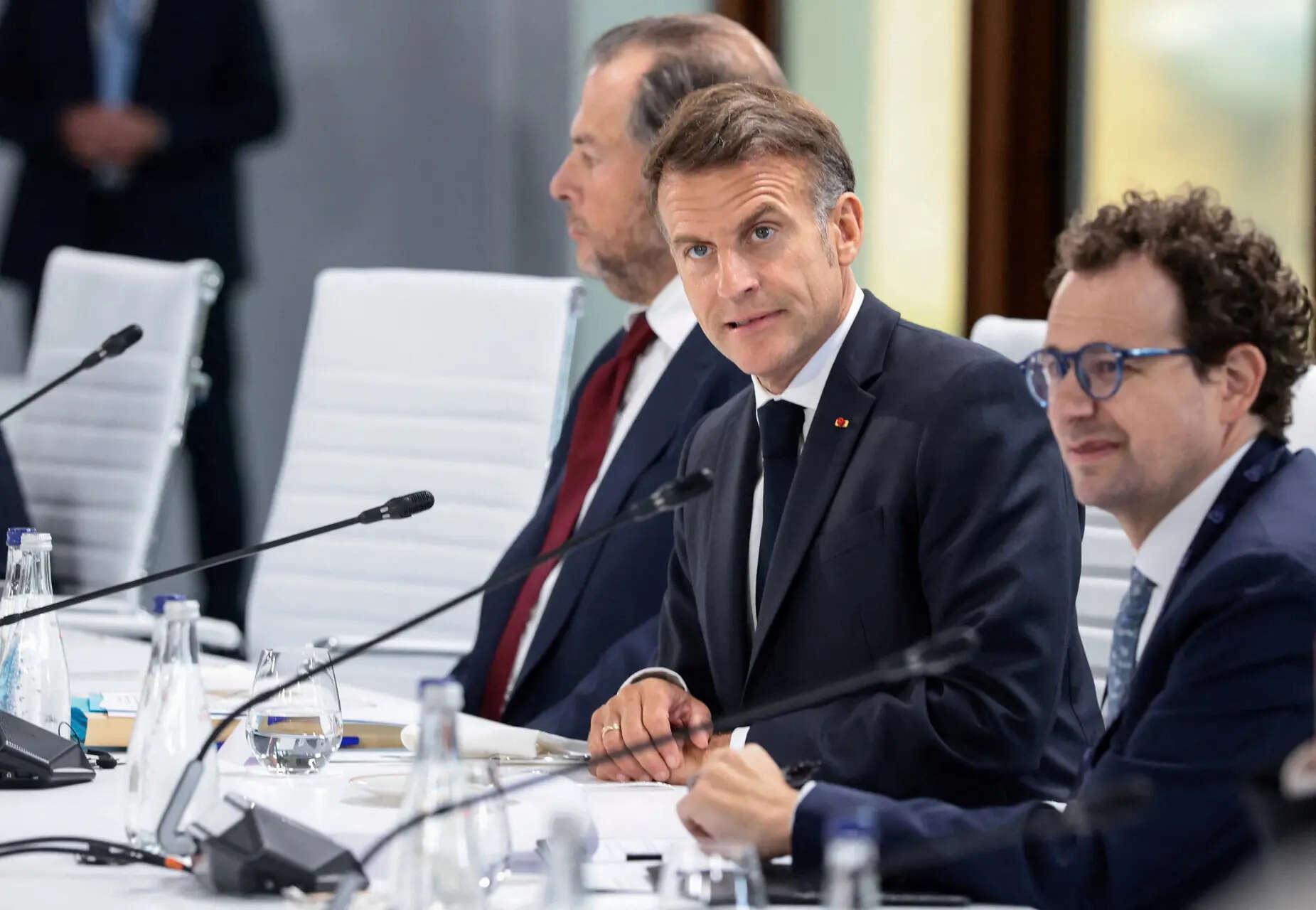
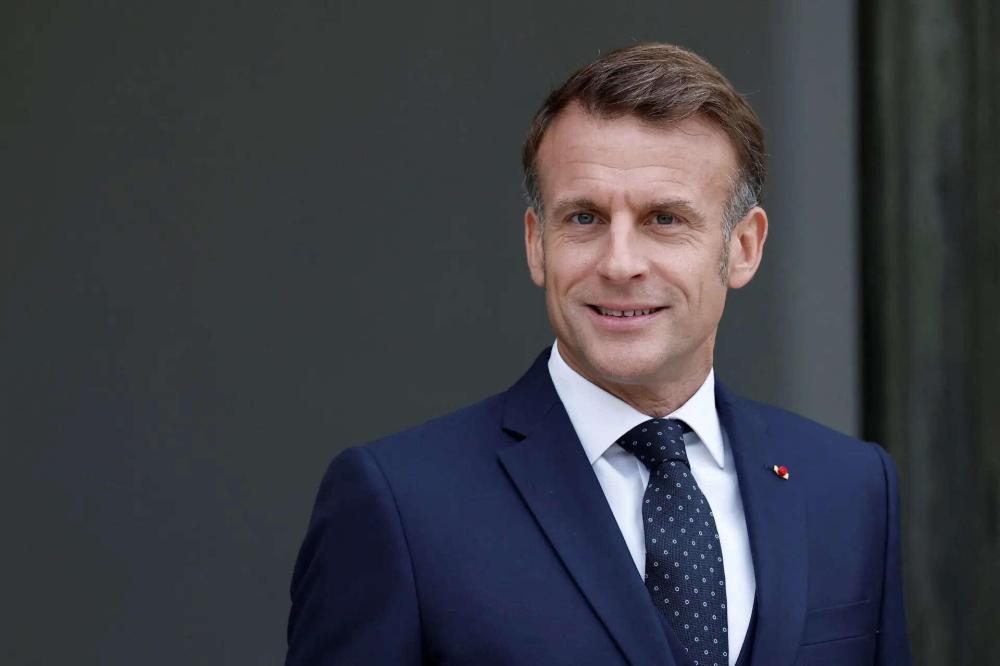
French President Macron urged wealthy democracies to unite on AI regulation, a sentiment echoed by OpenAI's CEO. Amidst US restrictions on foreign access to advanced AI, Macron stressed global cooperation over nationalism, warning of potential value drops for pioneering firms if access is restricted. View the full article
-
The global artificial intelligence (AI) market is likely to evolve into a two-tier structure, with premium frontier AI models serving highly specialised use cases while lower-cost models dominate mainstream applications, according to a report by Bernstein. View the full article

-
A groundbreaking study indicates that lightweight AI models installed on everyday home computers are on the verge of surpassing the robust systems found in data centers. This pivotal change may drive down costs and profit margins for industry leaders such as Anthropic and OpenAI. Nvidia’s cutting-edge desktop AI technology serves as a precursor to this exciting new chapter. View the full article

-
Nearly one in five AI learners comes from Tier II cities such as Lucknow, Patna, Jaipur, Indore, Nagpur, Chengalpattu and Coimbatore, according to Scaler's India AI Workforce Report 2026, a study of career outcomes among India's AI-skilled workforce. View the full article

-
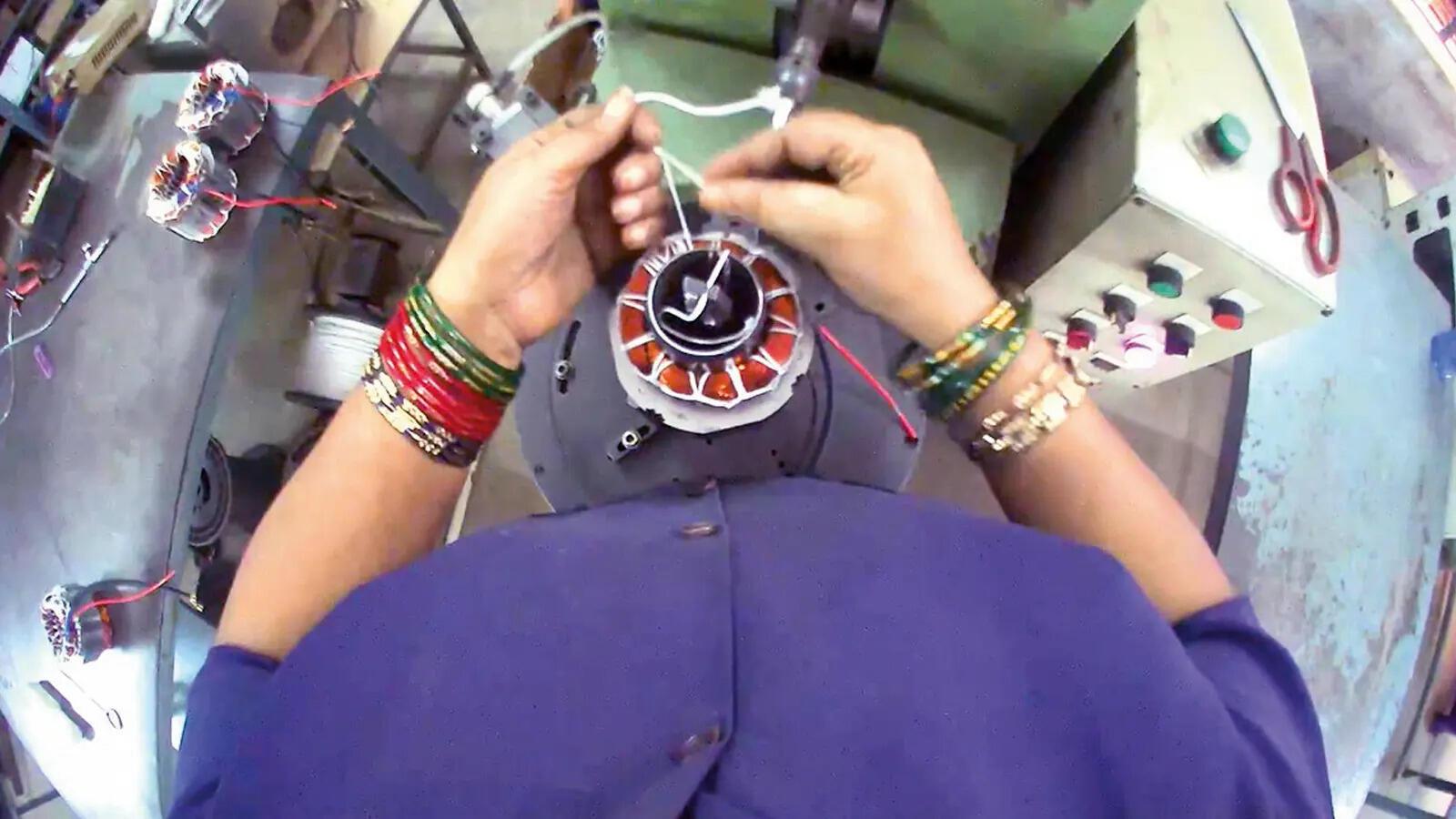
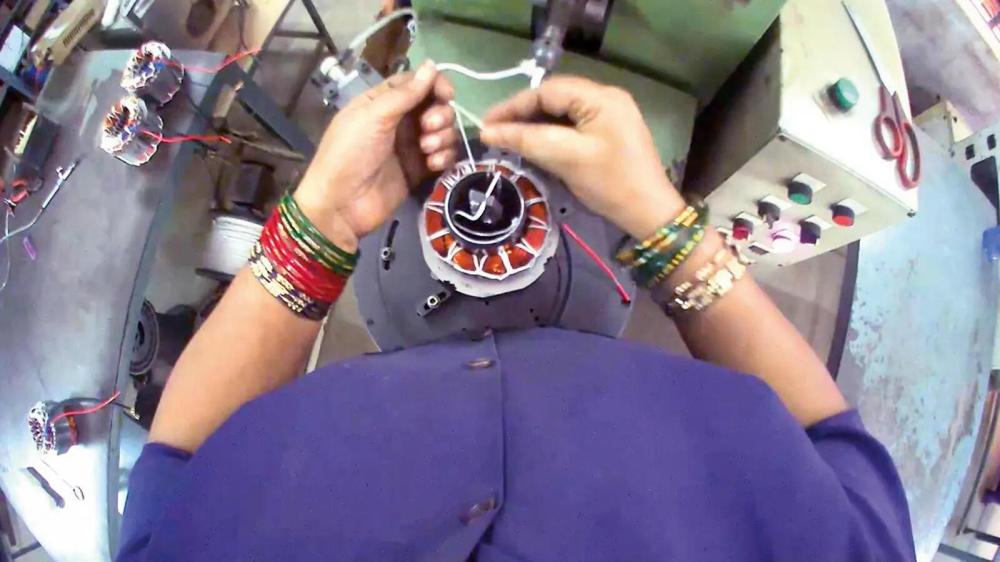
With a smartphone strapped to her head, Nagireddy Sriramyachandra films herself slicing mangoes in her kitchen in India to train AI-powered robots to take on household jobs in the future. "I may get a robot myself in the future," she added. At the same time, the more important News is that Indian Handicraft labour is being asked to record actions so that Robots can do their jobs in future.
-
Microsoft is significantly growing its AI business in China, with ByteDance reportedly spending over $1 billion annually on its cloud and AI services. Despite US-China AI rivalry and concerns from competitors like OpenAI, Microsoft continues to sell AI models to major Chinese tech firms, fueling rapid revenue growth in the region. View the full article

-
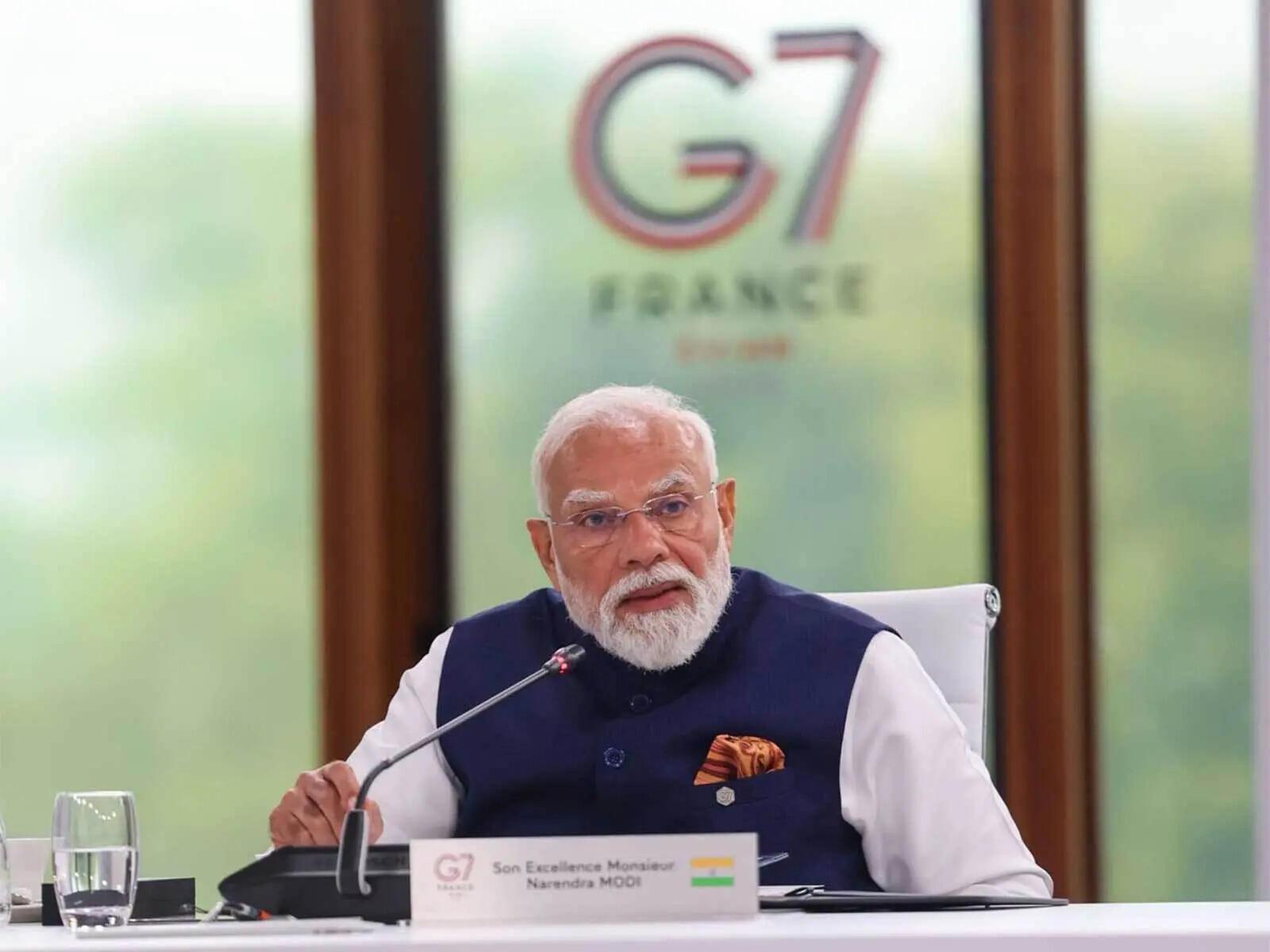
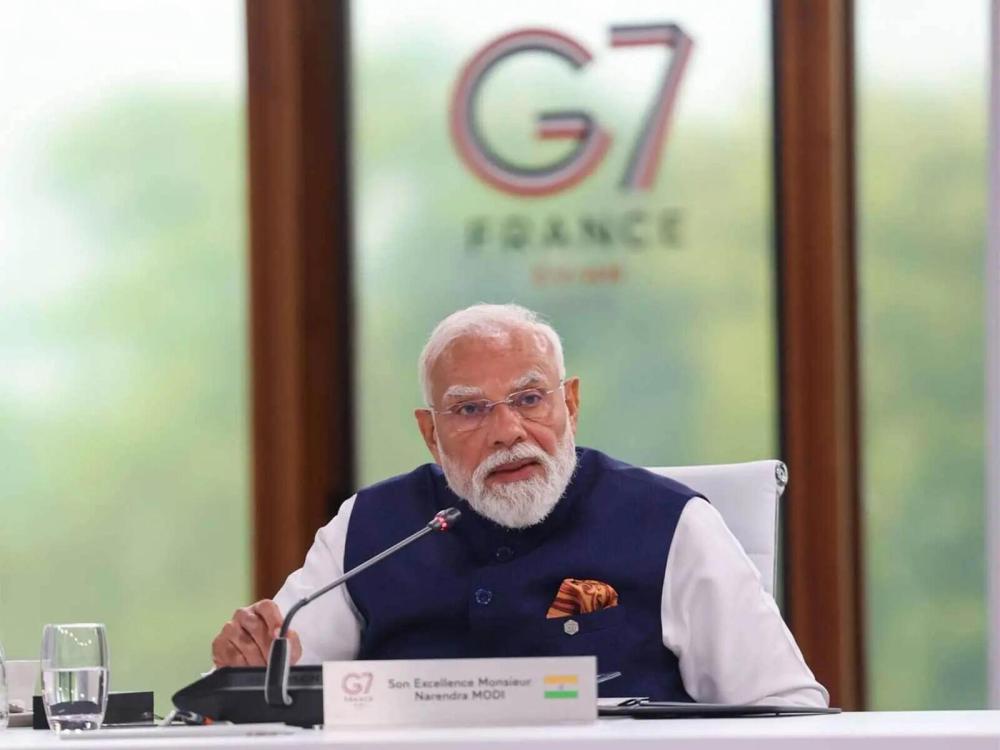
Prime Minister Narendra Modi spoke at the G7 Summit in France about Artificial Intelligence. He stressed AI must empower people and be inclusive. Modi also met US President Donald Trump. They reviewed progress in defense, technology, and trade. Both leaders aim for a strong India-US partnership. View the full article
-
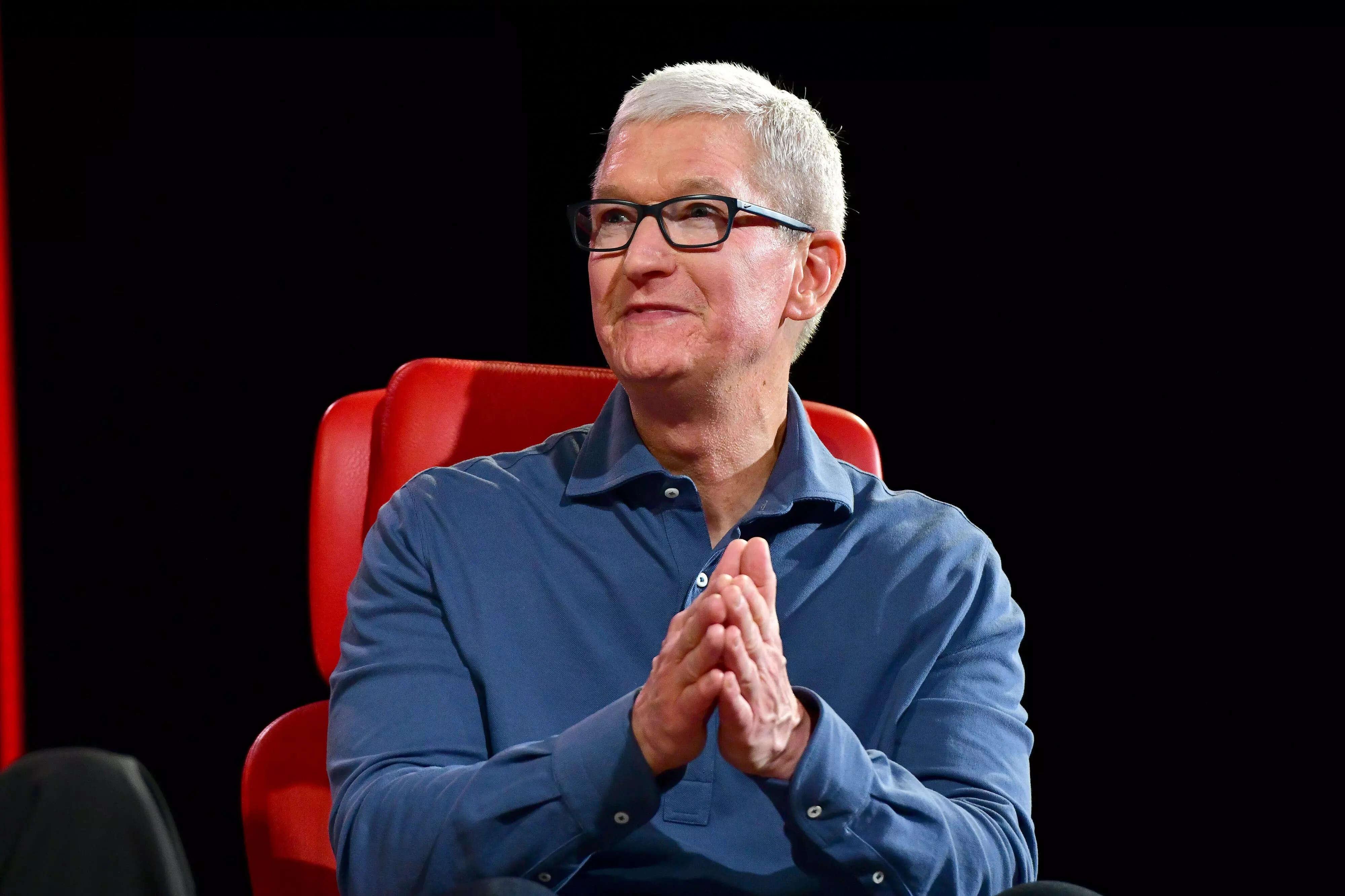
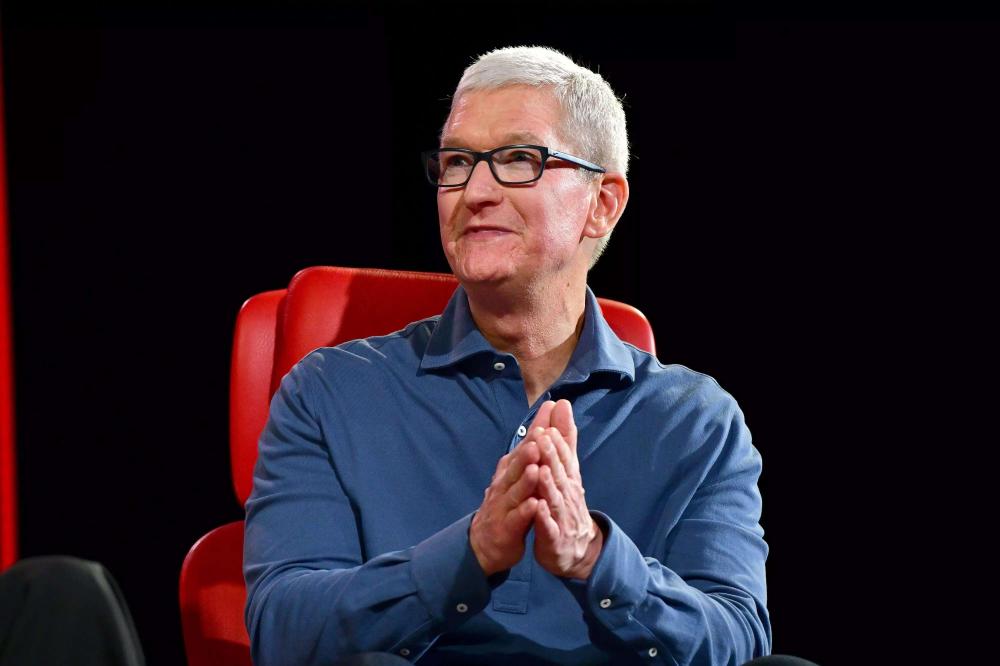
Outgoing Apple CEO Tim Cook warned that demand for memory chips from the artificial intelligence boom will force the tech giant to increase the prices of its products, according to an interview with the Wall Street Journal published Wednesday. View the full article
-
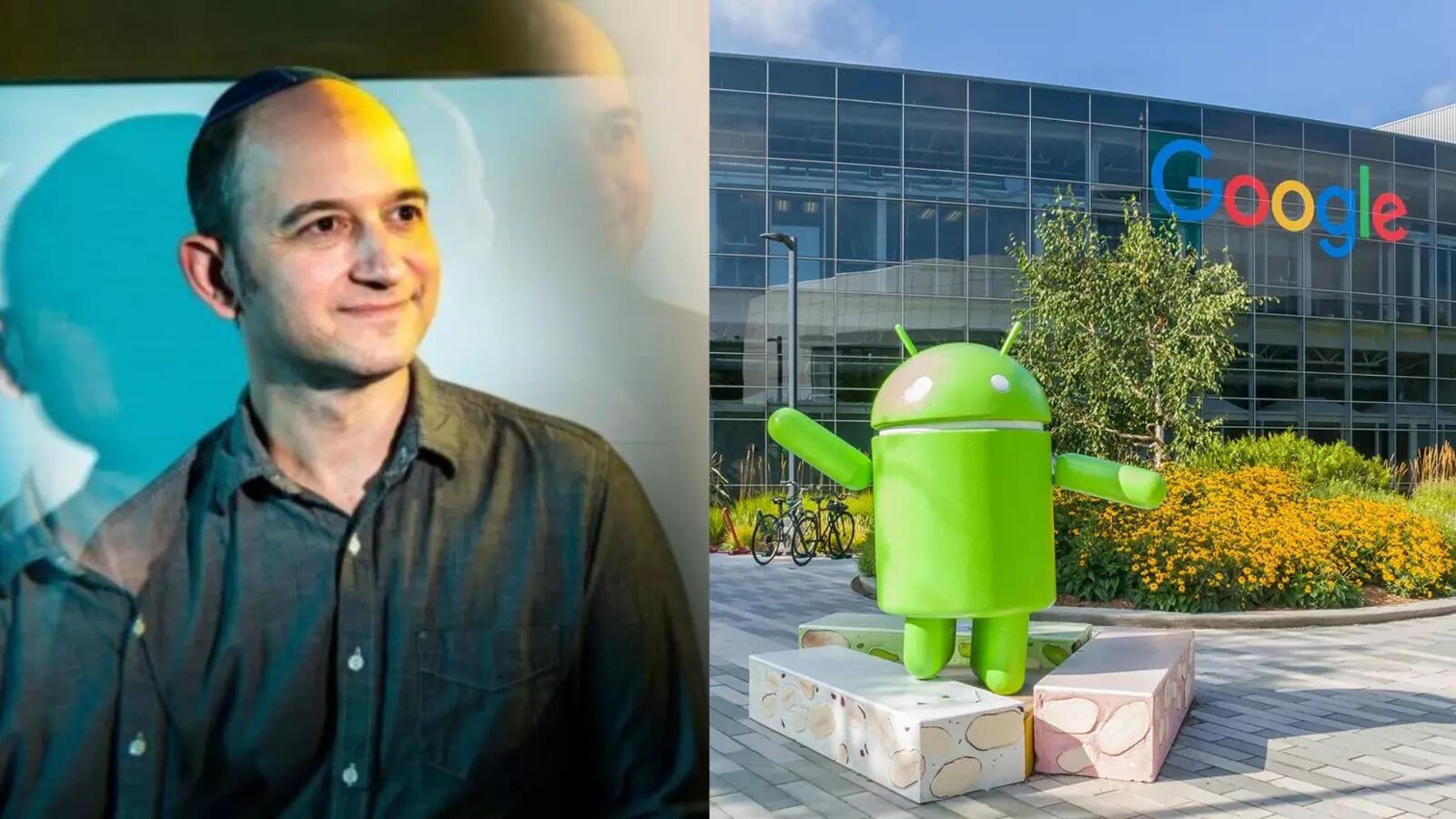
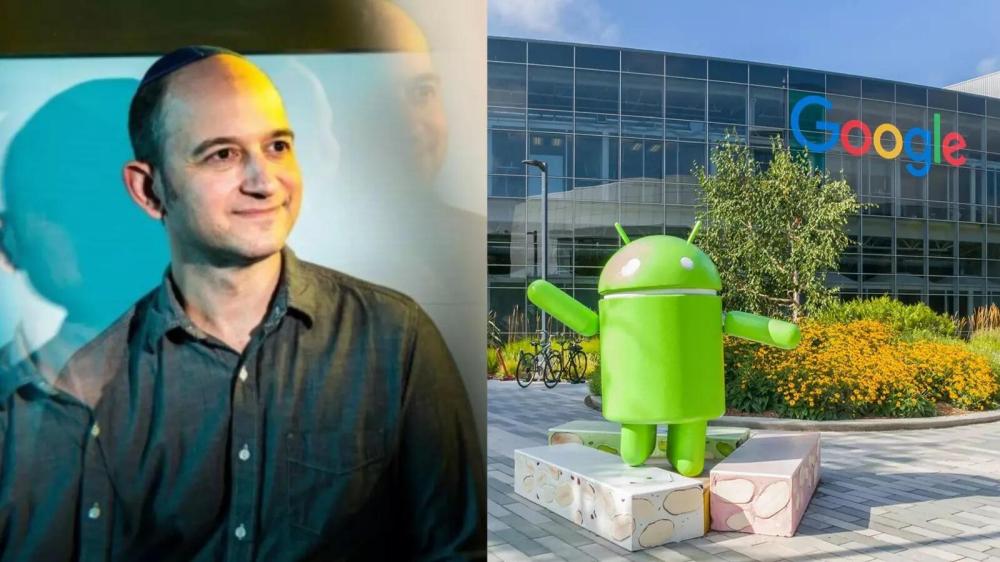
In 2024, Google appointed Shazeer to co-lead the development of its Gemini AI model, and he has been credited as key figure behind Gemini's ability to close the gap on OpenAI's ChatGPT. View the full article
-
Indian IT firms are facing a shortage of Forward Deployed Engineers (FDEs), crucial for AI adoption and client-site customization. To compensate, companies are bundling multiple specialist roles into a single FDE, leading to clients not receiving the expected deep tech expertise and potentially higher billing rates. View the full article

-
OVHcloud aims to build advanced AI models. This move positions the European cloud provider as a competitor to Mistral. The company seeks to offer alternatives to US and Chinese AI systems. OVHcloud CEO Octave Klaba stated the firm must master this technology for its future. The economics of developing these models have improved significantly. View the full article

-
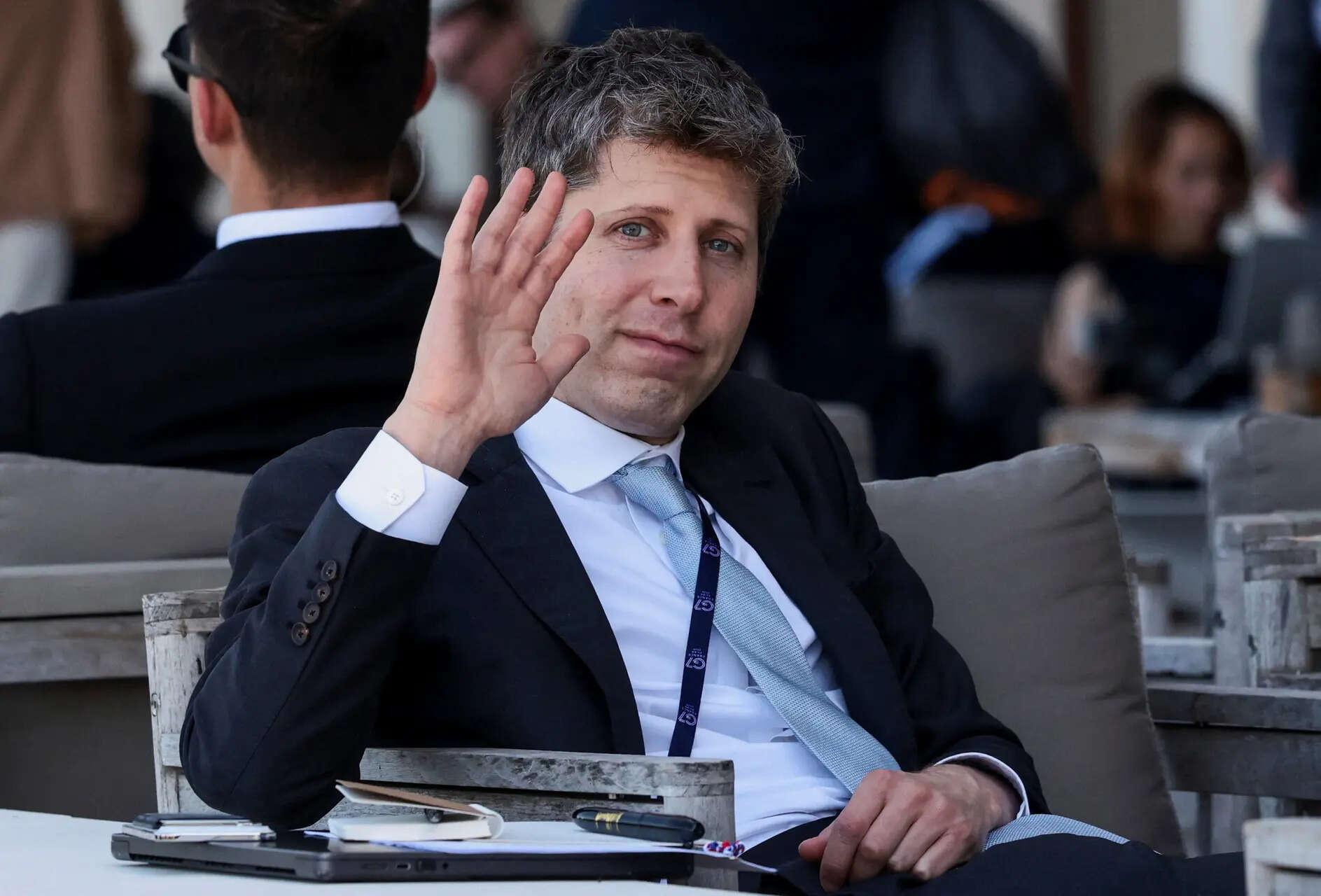
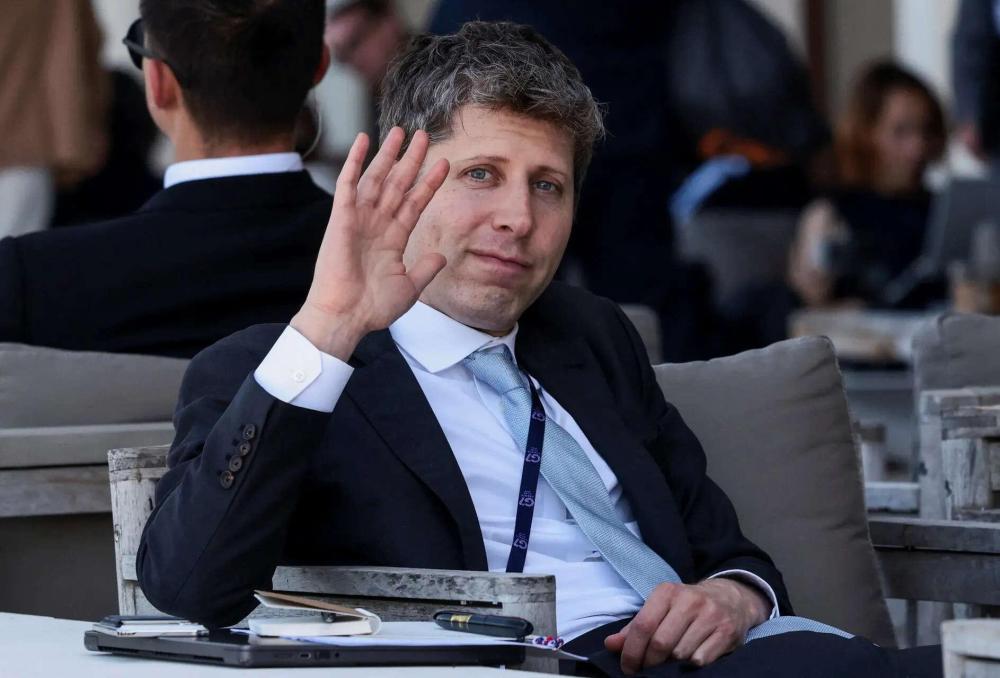
At the G7 summit, OpenAI's Sam Altman implored global leaders to take charge of artificial intelligence regulation. He champions the idea that it should be the people, not tech companies, who determine how this transformative technology is utilized. View the full article
-
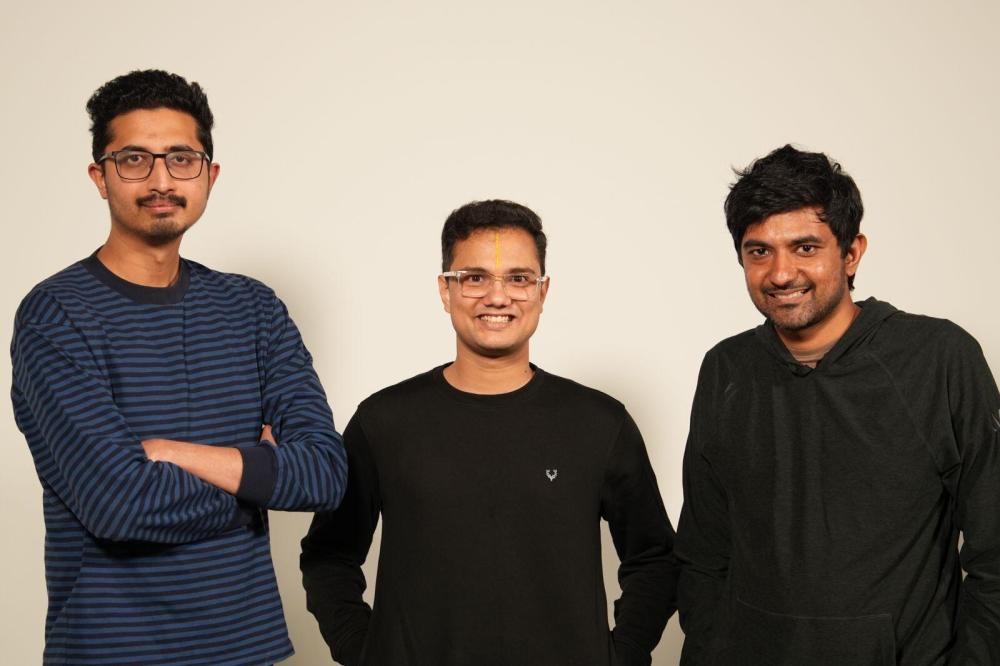
Pramaana Labs, an AI startup, has secured $27 million in seed funding. The company develops technology to ensure AI answers are mathematically verifiable. This funding will support model training and expansion into regulated sectors. Pramaana aims to address the accountability gap in AI by encoding rules for machine reasoning. View the full article
-
Chinese startup Z.ai has launched GLM-5.2, a powerful AI model for complex coding projects. This new large language model boasts a massive 1 million token context window, allowing it to handle extensive software development tasks. GLM-5.2 is available under an open-source license, offering an alternative to proprietary AI systems. It performs strongly on industry benchmarks, rivaling top closed-source models. View the full article

-
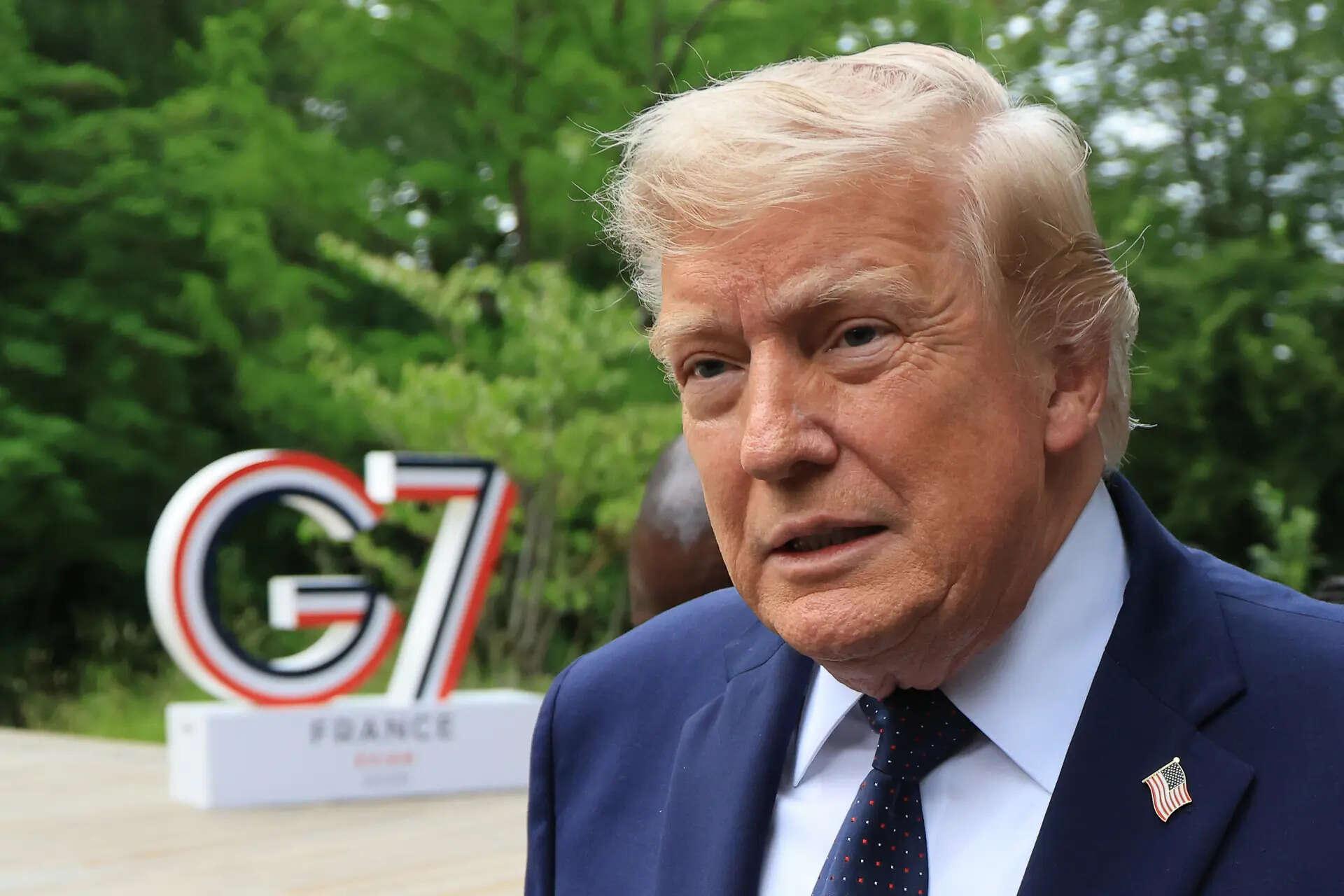
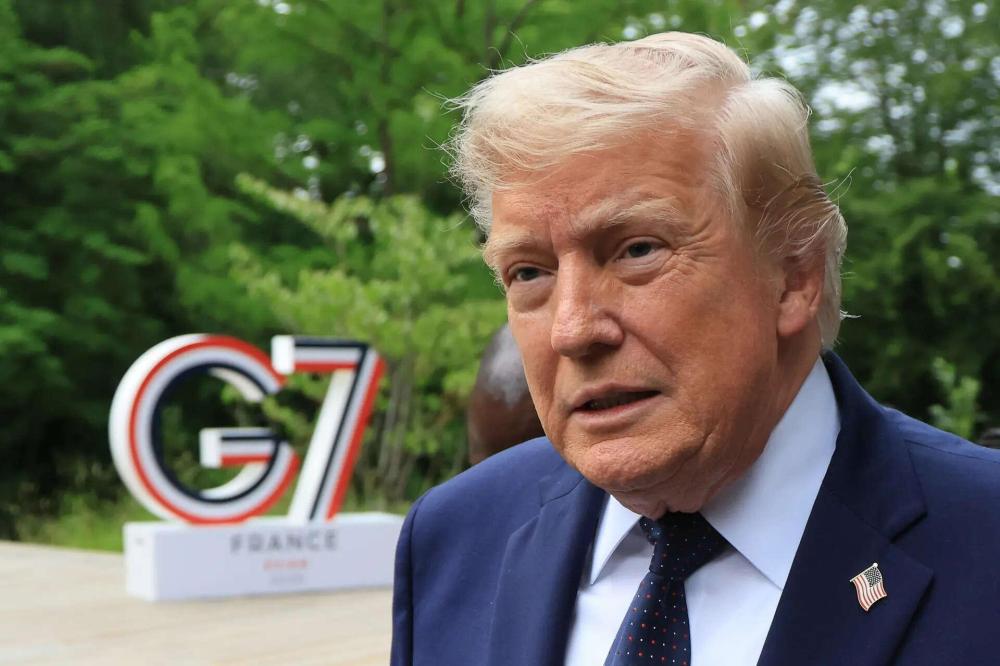
US President Donald Trump stated that talks with artificial intelligence firm Anthropic are progressing well. This follows a meeting with Anthropic CEO Dario Amodei at the G7 summit. The administration has raised national security concerns regarding foreign access to Anthropic's advanced AI models. The company had previously blocked access to these models after a presidential order. View the full article
-
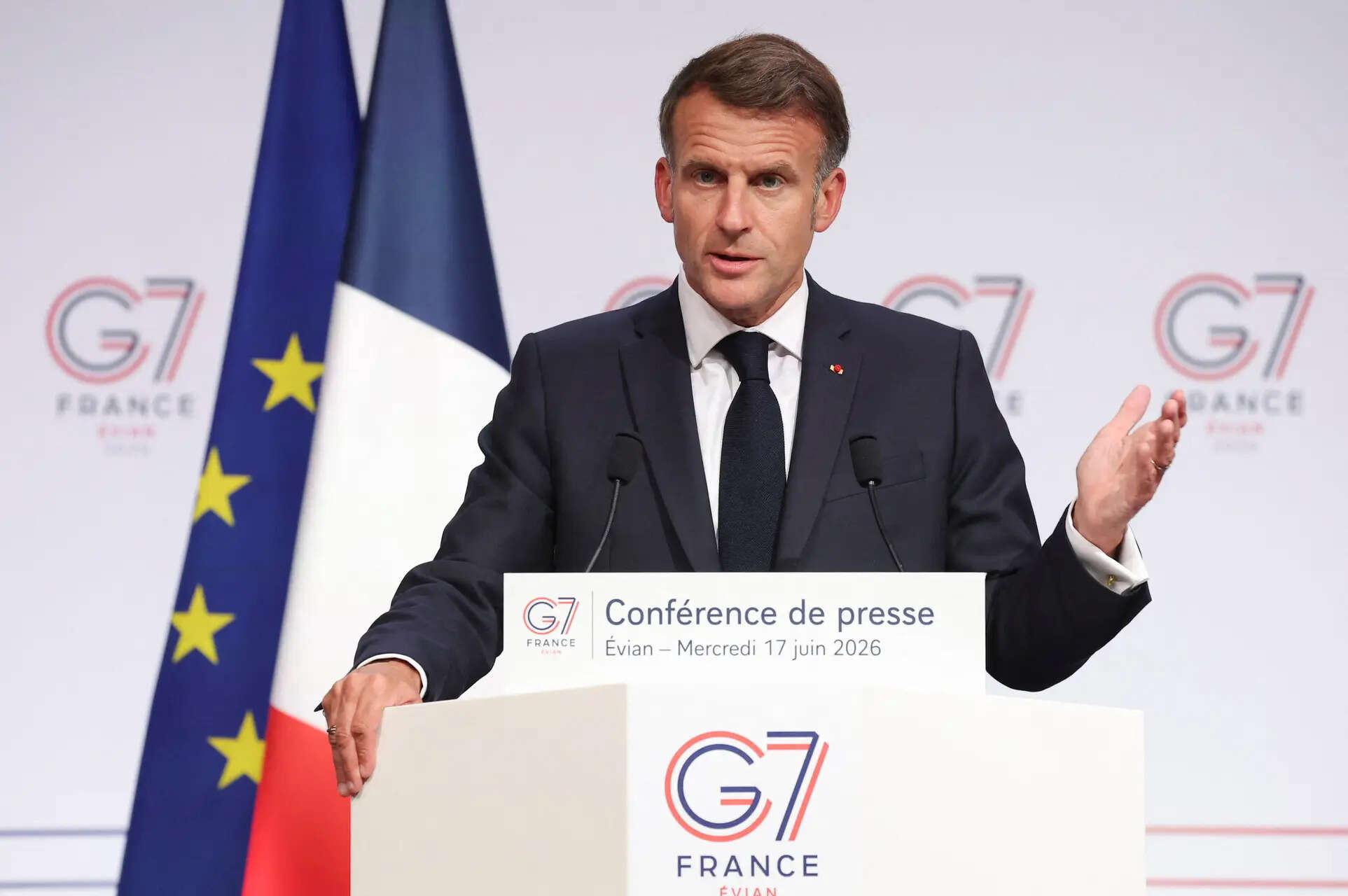
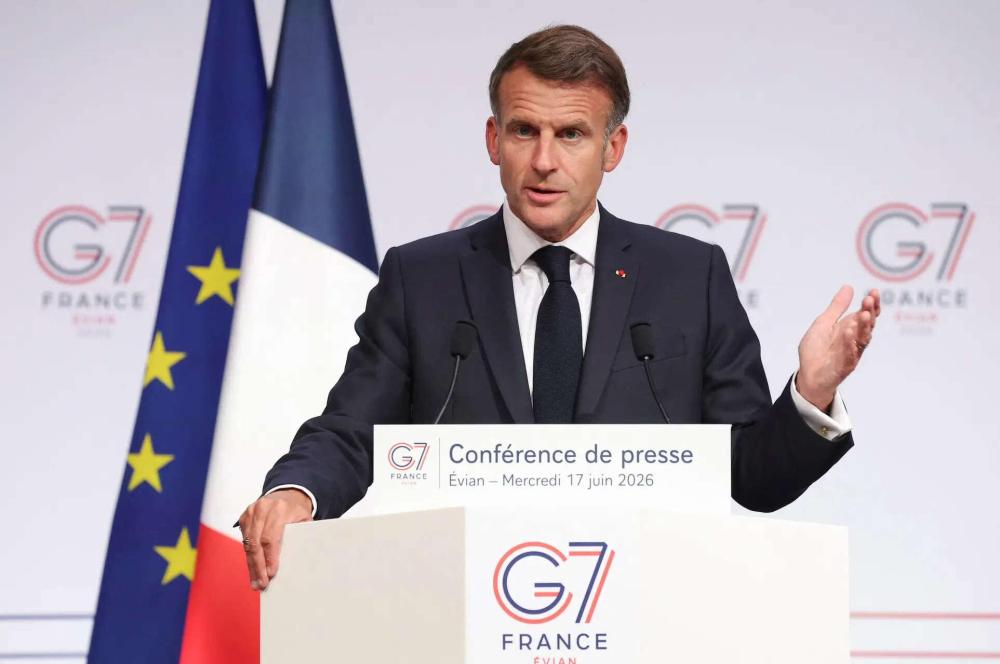
Artificial intelligence frontier models must not be allowed to fall into the hands of authoritarian regimes, but democracies must co-operate on this topic, said French President Emmanuel Macron as the G7 summit in France drew to a close. View the full article
-
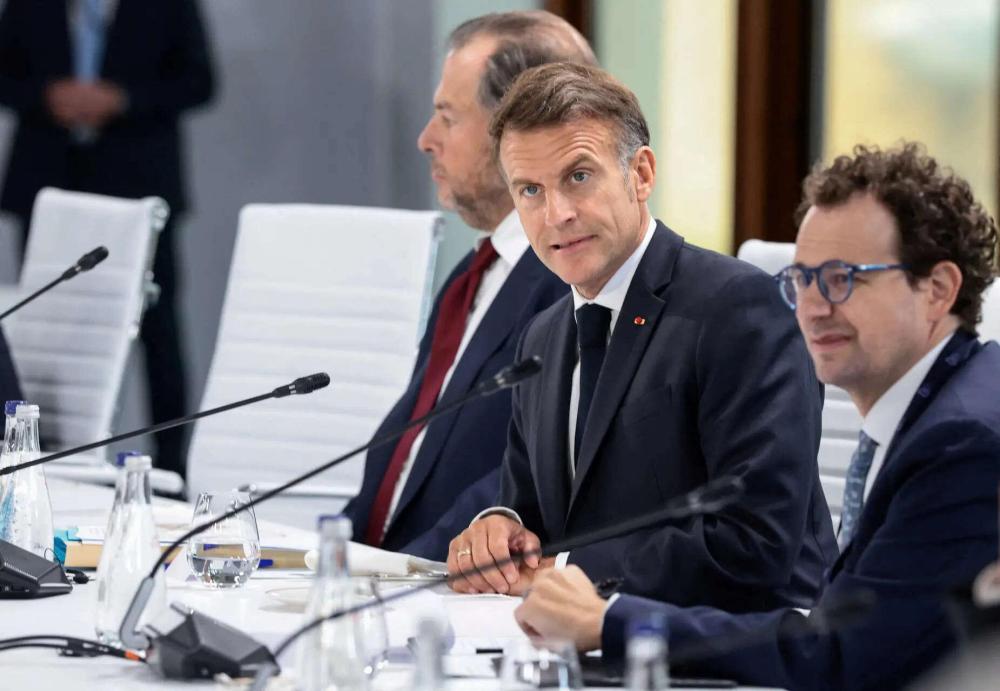
G7 leaders are coordinating on advanced AI risks and opportunities. They are discussing a "trusted partners" scheme to grant non-US nations access to advanced US AI models. This aims to bolster cybersecurity defenses against rivals. European nations are also seeking technological independence while keeping pace with AI advancements. Leaders emphasised mutual interest in using trusted technology. View the full article
-
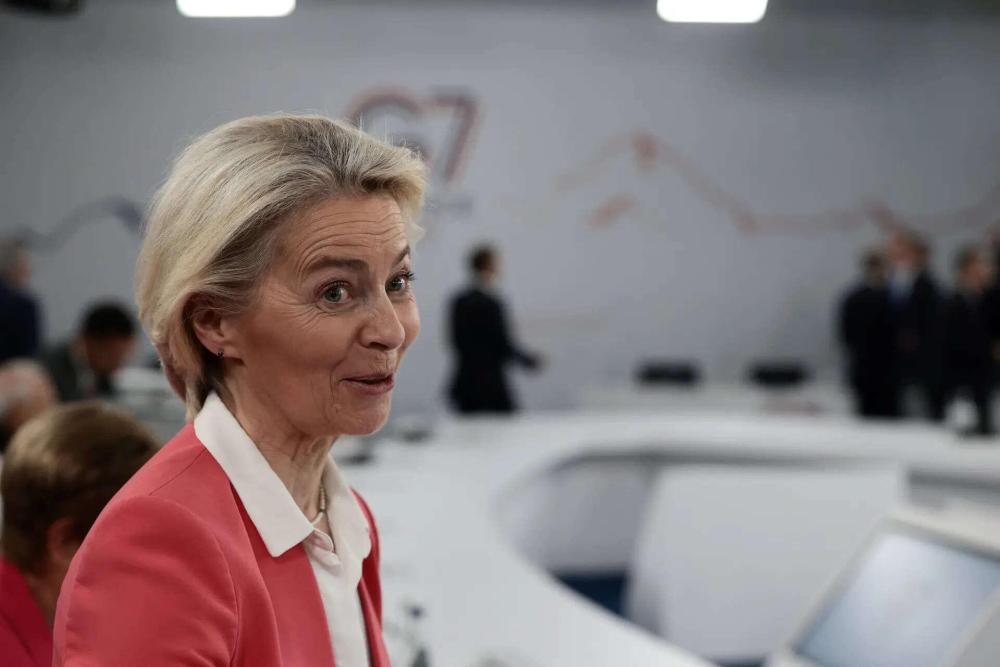
European Commission President Ursula von der Leyen urged strong partnership between Europe and the United States on artificial intelligence. This call comes after US tech giant Anthropic restricted AI models due to national security concerns. Von der Leyen emphasized the mutual benefit of safe AI model usage for citizens and companies. View the full article
-
Britain is now at a crucial stage for artificial intelligence adoption. Companies are moving beyond just testing AI tools to using them for complex tasks and improving productivity. This shift is happening across various sectors, from retail to government. Experts believe AI can significantly boost productivity for businesses. View the full article

-
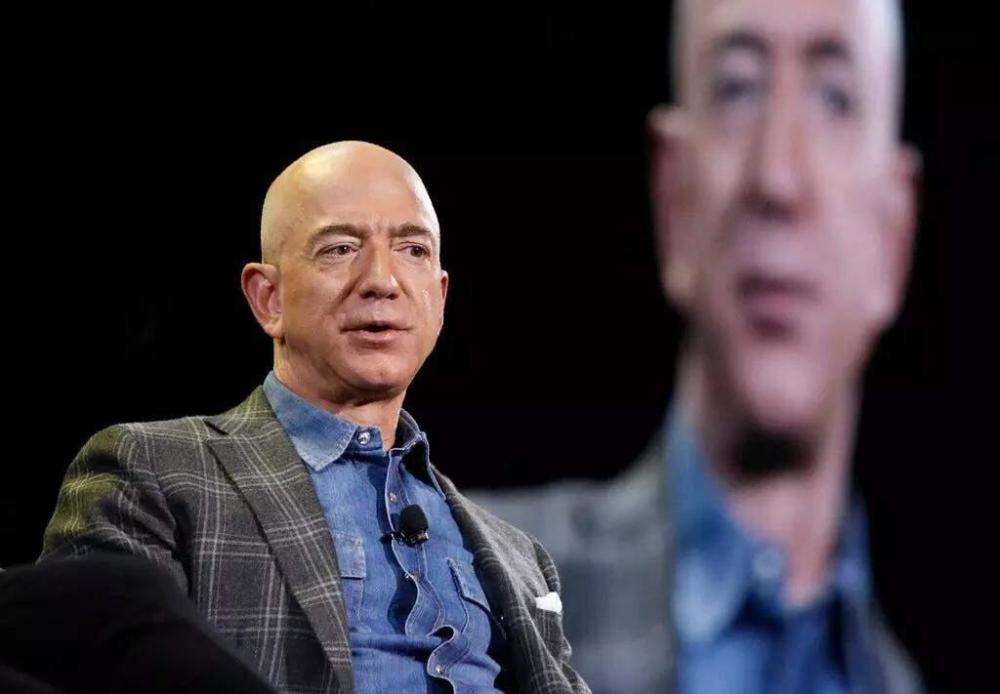
Bezos put forward a rosy vision of how technology will help humanity, speaking about projects including his space venture Blue Origin and his new AI startup Prometheus, which is aimed at speeding up physical manufacturing. Bezos, the world's fourth-richest person with a net worth around $250 billion, argued that people have "endless" things to do, and are currently limited by barriers that he said AI would lower. View the full article
-
In a rare huddle of AI industry figures, leaders of three of the most powerful AI companies -- OpenAI CEO Sam Altman, Google DeepMind CEO Demis Hassabis and Anthropic CEO Dario Amodei -- are due to attend a working lunch on the theme of "Ensuring a safe, rapid and effective deployment of artificial intelligence." View the full article

-
India is one of the fastest growing markets for Databricks, and last year the firm announced a $250 million investment in India to ramp up research and development capabilities and expand the India market. View the full article