Vishwadeep Khatri
Administrators
-
Joined
-
Last visited
Everything posted by Vishwadeep Khatri
-
Indian CTOs report AI is creating new jobs and reshaping their roles, with 93% focusing on future readiness. Continuous skill-building is vital as technology adoption accelerates. A strong partnership between tech and HR is seen as crucial for workforce development, driving innovation. However, leaders face challenges balancing rapid deployment with impact measurement and maintaining employee trust amidst swift changes.
-
Palo Alto Networks CEO Nikesh Arora declared a 'Darwinian moment' for businesses, stating 90% of employees lack AI proficiency. His remarks come at a time when companies across industries are slowing hiring and cutting jobs as AI takes over more tasks. Workers who can use AI effectively are increasingly seen as having a stronger advantage in the job market. View the full article

-
Chinese chip maker Biren Tech is reportedly looking to raise a substantial amount, aiming for up to $838 million through a placement in Hong Kong. This urgent fundraising effort, as indicated by a term sheet, highlights the company's significant capital needs in the competitive semiconductor industry. View the full article

-
AI giant Anthropic is reportedly exploring the creation of its own custom AI chips, holding talks with Samsung for a potential partnership. This move aims to reduce reliance on external suppliers and address ongoing chip shortages, following similar moves by rivals like OpenAI, Amazon, Microsoft, and Meta. View the full article

-
India's IT sector is prioritising artificial intelligence (AI) hiring, with AI roles seeing a 16% year-on-year surge in June, contrasting with an overall 3% decline in IT jobs. India's $315 billion IT industry has been under pressure with clients holding back on spending on technology due to a weak macroeconomic environment and the advent of AI that threatens their traditional business model. View the full article

-
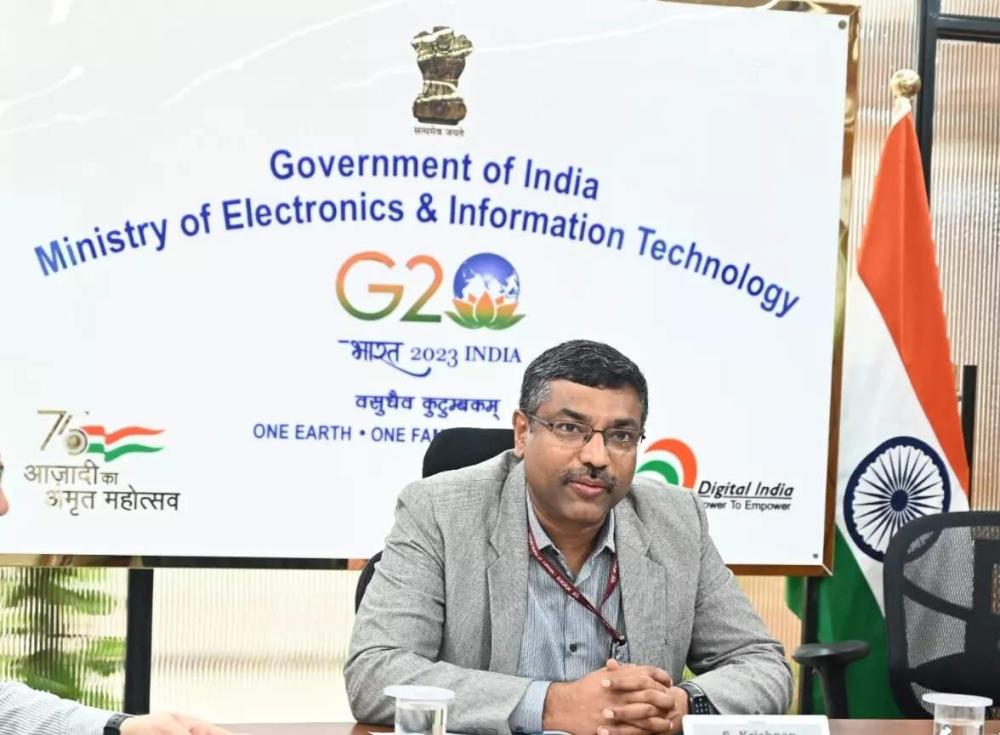
India is considering a dedicated legal framework for artificial intelligence, with the Ministry of Electronics and Information Technology indicating the time is right for separate legislation. Previously, existing laws addressed AI challenges like deepfakes. Officials are now preparing draft proposals, though the timeline for introduction remains uncertain. Meanwhile, export restrictions on certain advanced AI models are being eased, with India seeking US government clearance for broader access. View the full article
-
Alibaba will ban employees from using Claude Code in workspace environments from July 10 due to alleged security risks involving embedded backdoors, a source familiar with the matter said. View the full article
-
CAISA Forum Question 886Should AI Be Allowed to Forget the Past to Improve Future Decisions?A large manufacturing company uses AI to recommend inventory policies across hundreds of products. The AI continuously learns from recent demand patterns, supplier performance, and market conditions. It concludes that purchasing decisions should rely primarily on the last 12 months of data, arguing that older data reflects business conditions that no longer exist. However, senior operations leaders are concerned. Historical records from five years ago include rare events such as: major supply chain disruptions, sudden demand spikes, transportation bottlenecks, and supplier failures. These events occur infrequently but have severe business consequences when they do. Keeping this historical data in the AI model reduces its responsiveness to current market trends, while removing it could make the AI less prepared for rare but high-impact situations. This creates a real dilemma: View A — Let AI focus on recent data.Business conditions change continuously. Giving greater importance to recent data makes AI more adaptive, accurate, and relevant. Holding on to outdated history can reduce decision quality. View B — Preserve long-term organizational memory.Rare events may be uncommon, but they often have the greatest business impact. AI should retain historical knowledge so the organization remains prepared for situations that today's data does not capture. Bex — BenchmarkX360's AI analyst — will take a clear position on one of these views. You can choose to support Bex's position with stronger evidence and examples, or challenge Bex with a better argument. Either approach can win. Which view do you support — and why? Provide a specific operational, product, service, or industry example to support your position.⚠️ Answers that do not take a clear position will not be approved. ⚠️ “It depends” answers will not be approved. ⚠️ Attachments will not be evaluated. Please provide your complete response in the body of your reply post. 💡 Participants are free to use AI tools. Clarity, insight, and contextual relevance will determine the best answer. 🏆 The best answer will be selected on the basis of:Clarity of position taken Quality of reasoning and argument Relevance of the operational, product, service, or industry example Ability to go beyond or against Bex's analysis
-
Vishwadeep Khatri replied to Vishwadeep Khatri's topic in We ask and you answer! The best answer wins!1. rajan.arora2000 Position: View B (Human must own the off-switch — AI cannot price the discovery value of improvement) Specific Example: A six-case matched portfolio including Intel FDIV bug, Kodak, Boeing 787, Netflix, IBM PC, and Toyota's andon cord; cites Dixit & Pindyck (1994) on real-options theory and James G. March (1991) on exploration vs. exploitation. Reasoning Quality: Highly sophisticated — introduces two original coined structures (the Truncated Objective and the Optimization Ratchet), applies real-options theory to argue that naive NPV misses discovery value and option value, and adds an AI-specific feedback loop showing how the model retrains itself toward further stops. 2. Raja M Position: View A (Accept the AI's recommendation) Specific Example: Amazon Fire Phone — discontinued and capital redirected to AWS, Alexa, and logistics automation, yielding transformational returns; also provides a structured seven-factor decision framework. Reasoning Quality: Good — frames the argument clearly around resource allocation and opportunity cost; the Fire Phone example is a product discontinuation case rather than a direct manufacturing yield analogy, but the strategic logic is sound and well-structured. 3. Suhail_J Position: View A (Accept the AI's recommendation) Specific Example: Toyota's internal analysis concluding that a paint-line improvement was technically possible but economically unjustifiable, redirecting resources to new model development and battery technology. Reasoning Quality: Good — uses the precise technical framing of the system being noise-limited rather than design-limited, and correctly characterises the asymptotic zone; however, the Toyota paint-line example is asserted without a verifiable source or documented outcome. 4. Abhishek Adhikary Position: View A (Accept the AI's recommendation) Specific Example: Toyota Lean principle that Kaizen selects improvements by highest impact, not by endless pursuit; Intel's shift from clock-speed marginal gains to multi-core architectures, energy efficiency, and AI accelerators. Reasoning Quality: Good — makes a strong conceptual distinction between "can we improve" versus "is this the best place to improve," and correctly invokes Toyota's Lean philosophy eliminating waste where it creates greatest value. 5. Naijur Rahman Position: View A (Accept the AI's recommendation) Specific Example: Toyota Prius MPG improvement curve (documented generational gains declining from 5 mpg to 2 mpg) with Toyota's documented $13.5B redirect to solid-state battery R&D; Amazon AWS ($107B revenue, 37% operating margin) vs. North American retail (4.5% margin); Apple MacBook Retina display decision (2012); sigma-level cost table showing 4.4σ current position; NPV calculation with 10–12% hurdle rate. Reasoning Quality: Exceptional — the most quantitatively rigorous answer in the thread, grounding the diminishing-returns argument in documented sigma-level data, a concrete NPV framework, and three named real-world examples with specific financial figures and cited sources. 6. Ajay Wadhwa Position: View A (Accept the AI's recommendation) Specific Example: Toyota Production System and the distinction between improving and "just staying busy"; invokes TPS over-processing waste principle. Reasoning Quality: Competent — makes the opportunity cost argument clearly and applies the TPS waste framework appropriately; the response is concise and the reasoning is correct, though it does not cite a specific named case study with documented outcomes beyond the TPS principle itself. 7. Prateek Harsh Position: View A (Accept the AI's recommendation) Specific Example: Intel's retirement of the Tick-Tock cadence (2015) when marginal node shrinks became economically unjustifiable, redirecting to the Process-Architecture-Optimization model; automotive industry redirecting from marginal combustion-engine MPG gains to hybrid/EV powertrains and SUVs, citing National Research Council data on cylinder deactivation cost. Reasoning Quality: Good — two well-chosen examples, both with documented outcomes; the Intel Tick-Tock case is a direct parallel to the dilemma. 8. Ankita Bhardwaj Position: View A (Accept the AI's recommendation) Specific Example: Fujifilm vs. Kodak — Fujifilm redirected $9B capital to medical diagnostics and LCD coatings while Kodak over-indexed on film improvement, leading to its 2012 bankruptcy; Motorola Iridium — $5B invested in a technically perfect satellite network that went bankrupt in 1999 with fewer than 20,000 subscribers; also introduces an original Strategic Feasibility Index (SFI = 0.0213) framework. Reasoning Quality: High quality — introduces the Kaizen vs. Kaikaku distinction, two strong matched examples with documented financial figures, and a quantitative SFI framework. 9. Bedibrat Kutum Position: View A (Accept the AI's recommendation) Specific Example: Toyota's Kaizen investment-shift at plants where diminishing returns appeared, redirecting to new models, supply base, and regional capacity; Intel Tick-Tock adaptation when the physics of manufacturing made the pace financially unsustainable. Reasoning Quality: Good — makes a meaningful distinction between the culture of continuous improvement and an imperative to spend regardless of outcome; examples are sound, though presented at a general level without specific plant-level or financial citations. 10. Vinit Dubey Position: View B (Continue pursuing every worthwhile improvement — AI should inform but not decide) Specific Example: Toyota (Kaizen with sub-second cycle time gains), British Cycling (1% marginal gains philosophy), Apple (consistent incremental improvements), Amazon (continuous logistics refinement); also provides a strategic lens comparison table. Reasoning Quality: Good — makes a legitimate case that ROI-only evaluation misses strategic value, long-term compounding, competitor dynamics, and regulatory risk; the examples function more as illustrations of continuous improvement culture than specific cases of pursuing improvements beyond performance ceilings. 11. anthony rebello Position: View A (Accept the AI's recommendation) Specific Example: Toyota over-processing waste (Muda) — Kaizen explicitly classifies over-quality as waste; Intel/TSMC semiconductor yield — fabricators target economically optimal yield, not maximum, because the cost of removing final defects rises exponentially; Netflix — redirected from optimising DVD-by-mail excellence to streaming and original content. Reasoning Quality: Good — correctly identifies Toyota's over-processing Muda principle as directly applicable, uses Intel/TSMC as a direct manufacturing analogy to the dilemma, and the Netflix example illustrates strategic frontier-shifting. 12. Saran raj Venkatesan Position: View A (Accept the AI's recommendation) Specific Example: Five matched-pair cases across sectors — Intel vs. AMD semiconductor strategy (2012–2019, documented in annual reports); Japanese DRAM manufacturers vs. Samsung/Hynix (1990s–2000s, Langlois & Steinmueller 1999); Toyota's Seven Wastes over-processing principle (Ohno 1978); Mercedes-AMG F1 vs. Red Bull (2022); Kodak film excellence vs. digital photography; also presents a formal NPV sign-condition model and the original INVEST Framework (6 gates). Reasoning Quality: Exceptional — the most empirically comprehensive answer in the thread, with five named cases across four sectors, formal mathematical modelling, and an original deployable framework. 13. Dinesh Selvarajan Position: View B (Continue pursuing every worthwhile improvement) Specific Example: Nokia and Kodak — cited as companies that stopped pushing improvement boundaries and lost competitiveness; also references the Kano model and DMAIC/DMADV. Reasoning Quality: Competent — makes the competitor-monitoring argument and applies the Kano model appropriately to explain how quality thresholds shift over time; however, Nokia and Kodak are cited only by name as cautionary tales without specific detail about the marginal improvement decisions that led to their decline. 14. Adeniran Ilesanmi Position: View A (Accept the AI's recommendation) Specific Example: Juran/Feigenbaum cost-of-quality curve — at 99.8%, the organisation is likely past the optimum total cost point; NPV test at 10–12% industrial hurdle rate requiring $3.2–3.5M/year to break even; Intel semiconductor fabs — reject uptime improvements requiring multi-million equipment redesign and redirect to next-generation lithography; Delta Airlines — stopped pushing OTP from 95% to 96% and invested in customer experience and fleet modernisation instead. Reasoning Quality: High quality — applies established quality economics theory with a specific quantitative NPV test and two named organisational examples with specific cost and decision details. 15. kartik voleti Position: View A (Accept the AI's recommendation) Specific Example: Toyota — as vehicle quality reached world-class levels, shifted investment toward hybrid technology and electrification (Prius as world's first mass-market hybrid, multi-year market leadership); Amazon — redirected internal infrastructure investment to AWS commercial platform, now generating the majority of Amazon's profit. Reasoning Quality: Good — both examples are well-chosen and logically connected to the argument; the Toyota/Prius case is specific and documented, and the response correctly identifies that Kaizen requires selecting improvements by highest customer and business value. 16. Sunil Emandi Position: View A (Accept the AI's recommendation) Specific Example: Intel (1985–87) — exited memory chips entirely and redirected all capacity to microprocessors, with Andy Grove's attributed quotation: "Most companies don't die because they are wrong; most die because they don't commit themselves"; four-case "Stop Doing List" portfolio; also directly rebuts the View B counterargument that a competitor might close the 0.1% yield gap. Reasoning Quality: High quality — uses a powerful and specific historical case with an attributed quotation, directly addresses and rebuts the main View B counterarguments, and makes the precise sequencing point that distinguishes strategic reallocation from complacency. 🏆 Winner: Naijur Rahman Naijur Rahman's answer wins across all three comparative criteria. On clarity of position, it is unambiguous and frames the question as a manufacturing-science problem before addressing it as a financial one. On quality and completeness of reasoning, no other answer in the thread constructs the sigma-level cost table with documented DPMO data, applies a specific industrial hurdle-rate NPV break-even calculation, or explicitly names and explains the psychological biases — escalation of commitment, status quo bias, sunk cost — that cause the executives' resistance, making it the only answer that accounts for why the problem exists and not just what the answer is. On relevance and specificity of examples, it presents three named cases with specific financial data: the Toyota Prius generational MPG curve (documented across four vehicle generations with the $13.5B battery R&D redirect), Amazon AWS vs. North American retail margin comparison (Q4 2024 figures cited), and Apple's MacBook Retina display decision (227 ppi, 2012). Compared to other approved answers — which each offer one or two strong examples and sound reasoning — Naijur Rahman's answer is distinctively more complete in its analytical architecture: manufacturing science framework first, financial framework second, behavioural economics third, making it the clearest and most deployable answer in the thread.
-
AI startups engaged in fierce competition for talent have been increasingly letting employees sell stock as they race to retain and attract top researchers and engineers. View the full article
-
While AI boom is supported by strong cash flows, it is not immune to shocks, with chip shortage posing a major risk to the rally, says Nuvama. View the full article

-
Google and Amazon this week reported sharp increases in greenhouse gas emissions, driven by the frantic construction of artificial intelligence infrastructure that is pushing the tech giants further from their carbon neutrality pledges. Amazon's emissions, published on Wednesday, have risen 58 percent over the same period, and more than 16 percent last year, despite a pledge to reach carbon neutrality by 2040. View the full article

-
The startup has contracts to supply AI computing power for the likes of Meta and Oracle, the report said, as technology giants spend billions of dollars on data centers to meet the massive computing requirements for GenAI. View the full article

-
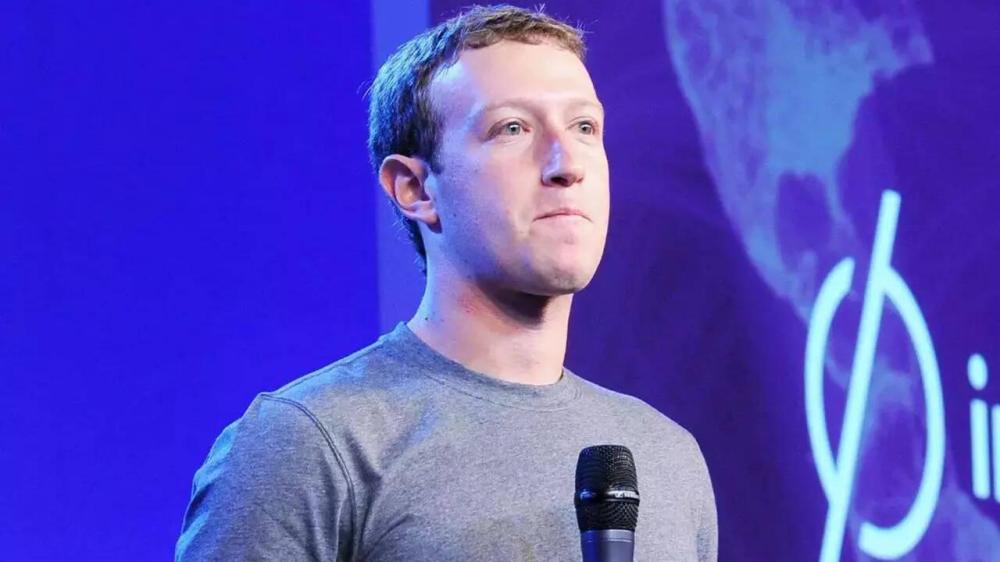
Zuckerberg and other Meta executives have been seeking to moderate some of the organizational changes introduced earlier this year, without fundamentally changing course. The company laid off about 10% of its global workforce and reassigned roughly 7,000 employees to AI-focused teams in May, moves that prompted employee pushback and raised concerns about morale. View the full article
-
South African retailer Pick n Pay has launched an AI-powered shopping assistant named "Penny" to simplify grocery ordering. Customers can now use voice, text, or photos to build their orders, a move aimed at boosting their online presence against rivals. This innovative tool, powered by Google's Gemini AI, also offers recipe suggestions, meal planning, and personalized recommendations, signaling a significant shift in how consumers interact with online shopping platforms. View the full article
-
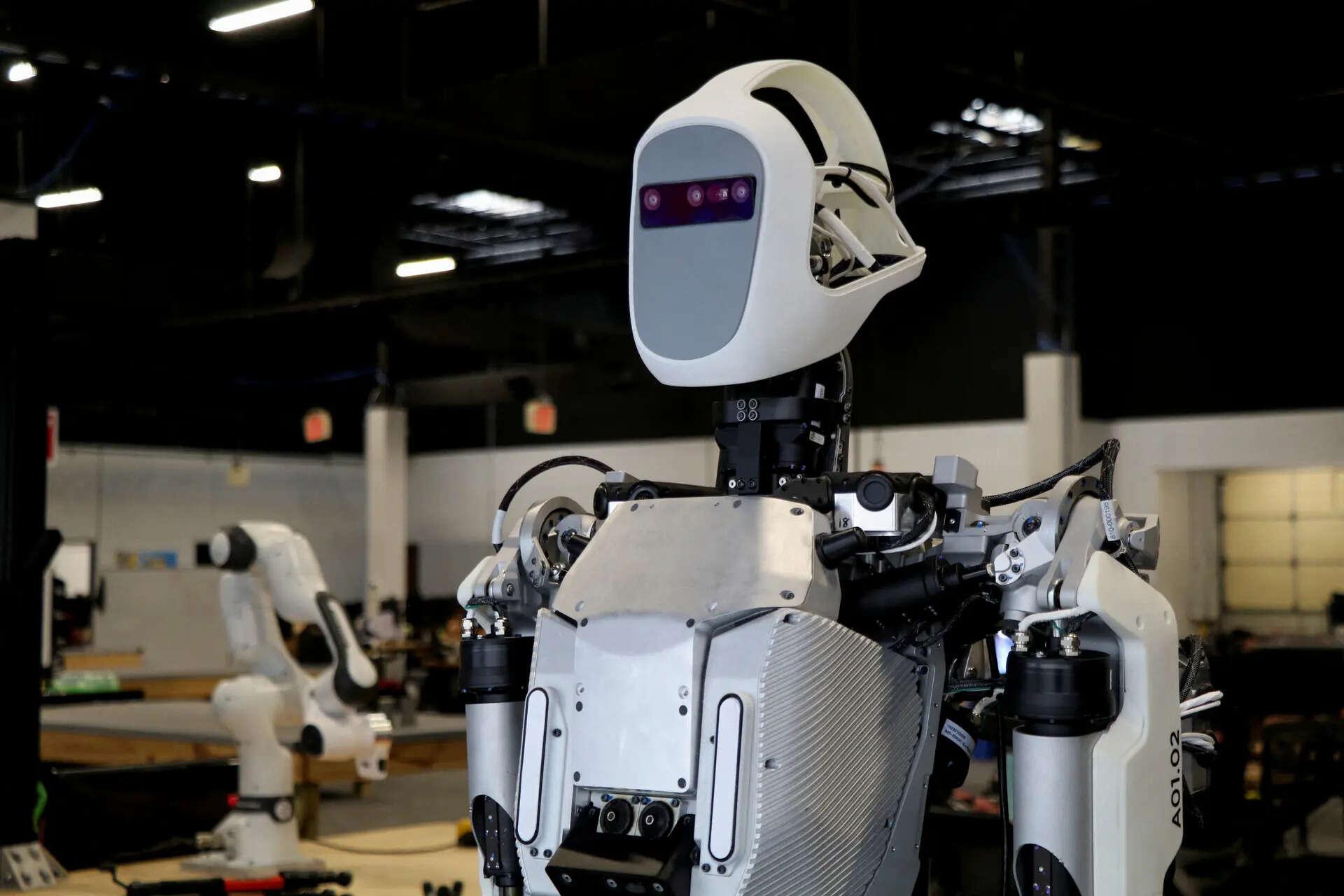
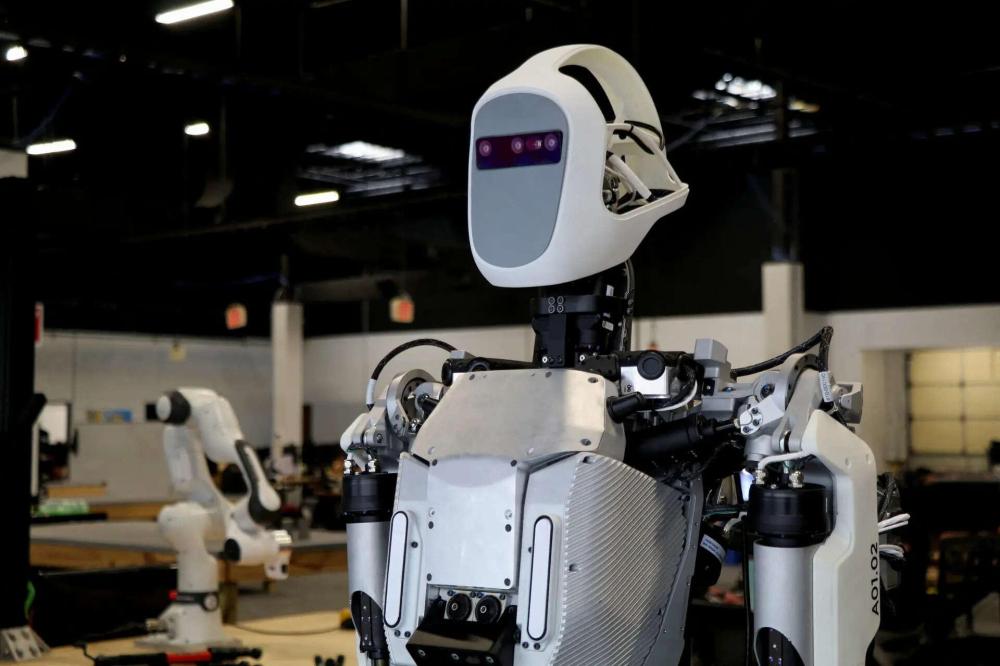
A new Humanoid Application Center in the Netherlands aims to bridge Europe's robotics gap with the US and China. CEO Evert Jaap Lugt envisions a future where humanoids, boosted by AI, could even replace lost loved ones. Real estate director Niels Langenhuizen plans to deploy robots on construction sites to accelerate housing production and affordability, highlighting Europe's urgent need to catch up in this critical technological race. View the full article
-
The artificial intelligence (AI) boom is entering a new phase where the biggest challenge is no longer demand for AI chips but shortages of critical components needed to build AI infrastructure, according to a Nomura Report, which said supply constraints across the hardware ecosystem are likely to intensify through 2027 even as AI investment remains strong. View the full article

-
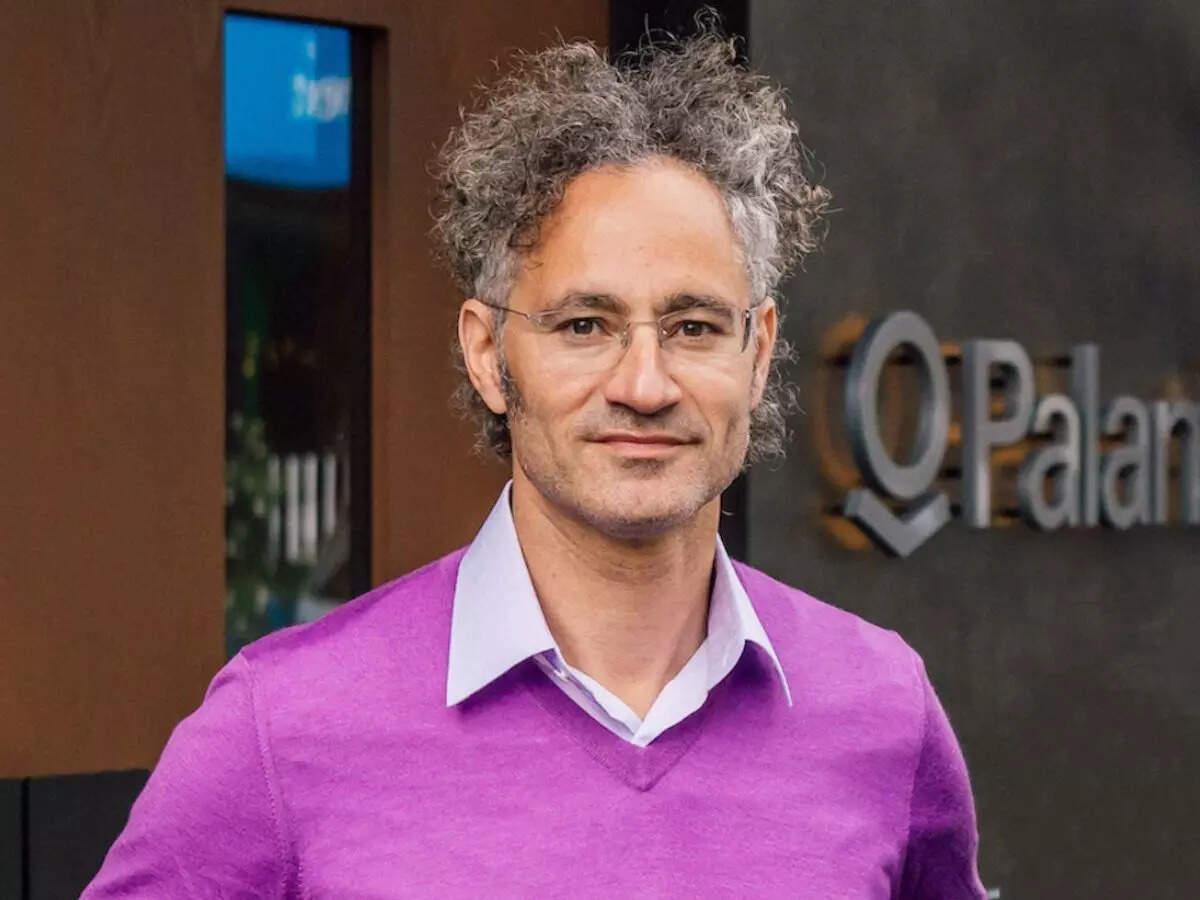
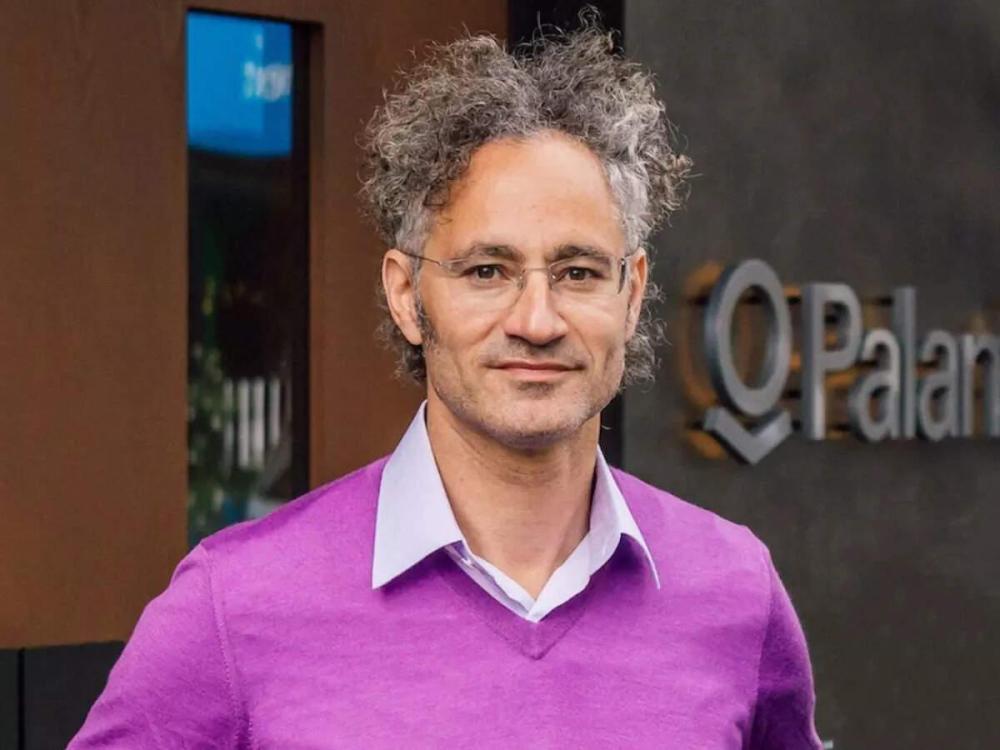
Palantir CEO Alex Karp has slammed the token-based pricing of AI giants like OpenAI and Anthropic, arguing businesses are wasting money without clear returns. Karp said companies are now moving away from simply buying more tokens and are instead focussing on whether their AI spending delivers a clear return on investment. View the full article
-
Western startups are increasingly turning their attention to affordable and powerful AI models from China, particularly Z. ai's GLM-5.2, which competes with leading US technologies at significantly lower prices. This trend, referred to as a 'mini DeepSeek moment,' is generating buzz in Silicon Valley due to its coding capabilities. However, US enterprises, especially in regulated industries, remain cautious due to ongoing data security concerns. View the full article

-
Indian CTOs report AI is creating new jobs and reshaping their roles, with 93% focusing on future readiness. Continuous skill-building is vital as technology adoption accelerates. A strong partnership between tech and HR is seen as crucial for workforce development, driving innovation. However, leaders face challenges balancing rapid deployment with impact measurement and maintaining employee trust amidst swift changes. View the full article
-
OpenAI has reportedly halved its AI inference costs through significant optimizations, a crucial development amid rising AI development expenses. While details remain scarce, the company's new custom AI chip, Jalapeño, aims to boost efficiency and affordability. This move is vital for businesses grappling with escalating AI budgets, with Indian firms also exploring cost-saving strategies like smaller models and specialized inference services. View the full article
-
Founded by former MIT PhDs and Golman Sachs Analysts Jacon Choi, Subeen Pang, Jin Kim, and Hojun Choi in 2023, the startup uses AI agents to understand individual clients' investment frameworks in the public markets. View the full article

-
A UN-backed panel's initial report highlights India's AI healthcare successes but warns of a growing 'AI divide'. While India possesses talent, emerging economies like it face hurdles in computing power, expertise, and governance to shape advanced AI. The report stresses the need for local capacity building to avoid becoming mere consumers of AI, especially with the rise of autonomous 'agentic AI' and risks to democracy. View the full article

-
The proposed arrangement would involve other U.S. AI companies handing over a similar stake to the government, The Financial Times reported, adding that it was not clear if the other AI firms would be willing to do so. View the full article
-
After a US government greenlight, global access to Anthropic's powerful AI model Fable 5 -- along with restricted access to the even more powerful Mythos 5 -- has been restored, following a standoff that strained ties between Washington and Silicon Valley. - Just three days after Fable 5 launched, the government ordered Anthropic to cut off access to both Fable 5 and Mythos 5 for anyone who was not a US citizen, even Anthropic's own foreign employees. View the full article