Vishwadeep Khatri
Administrators
-
Joined
-
Last visited
Everything posted by Vishwadeep Khatri
-
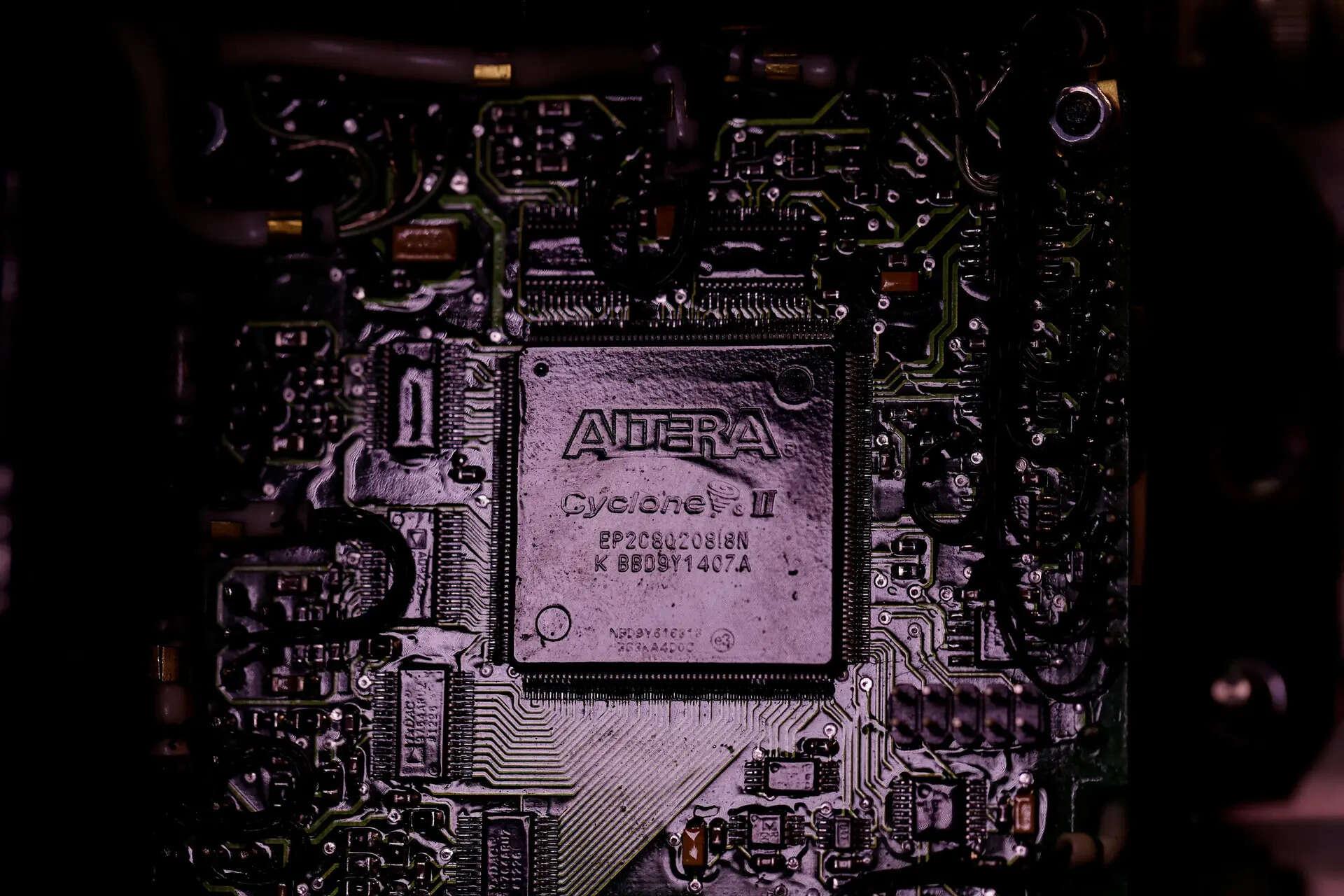
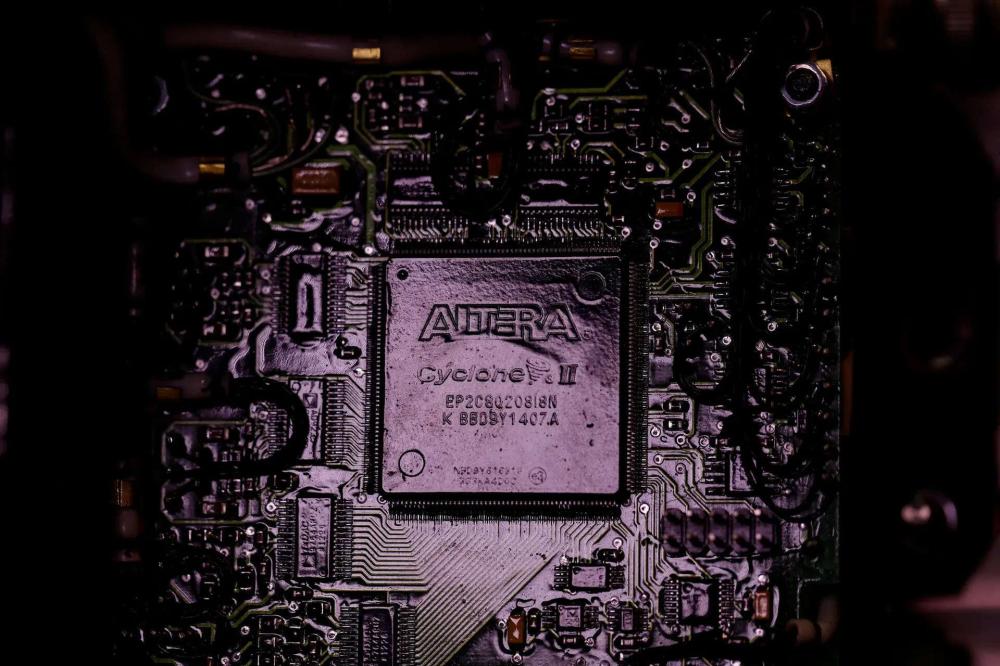
Altera, a chip maker spun from Intel, is experiencing significant annual growth. The company anticipates strong performance driven by artificial intelligence and robotics applications. Altera is also preparing for a potential public listing in the near future. They have reduced reliance on Intel and are using advanced memory technology. This strategic positioning aims to capitalize on future market opportunities. View the full article
-
Music organisations have introduced a voluntary labeling system for AI-generated content. This system aims to inform listeners about the use of artificial intelligence in music. Two labels will distinguish between fully AI-generated and AI-assisted recordings. Streaming services are closely monitoring this development for enhanced transparency. The proposed labels seek broad global adoption across various platforms. View the full article

-
Apple has accused OpenAI of stealing its trade secrets for new hardware. Two former Apple employees now working for OpenAI are named defendants. The lawsuit claims OpenAI encouraged employees to share confidential information. OpenAI stated it has no interest in other companies' trade secrets. This legal action marks a significant rift in their partnership. View the full article
-
Oscar-he believed the kind of movies he makes -- big-budget action films shot mostly on location -- would survive the spread of AI, a technology he says many people "disdain". The AI industry has touted the potential of the technology to replace actors, writers and camera operators -- claims that have spread panic in movie-making circles, though also plenty of scepticism. View the full article

-
In an analysis of 40 images generated using Muse Image, Reuters found the detection tool verified all of the original AI-generated images but failed to verify 55% of the same images after they were cropped to approximately one-third to one-half of their original size. View the full article
-
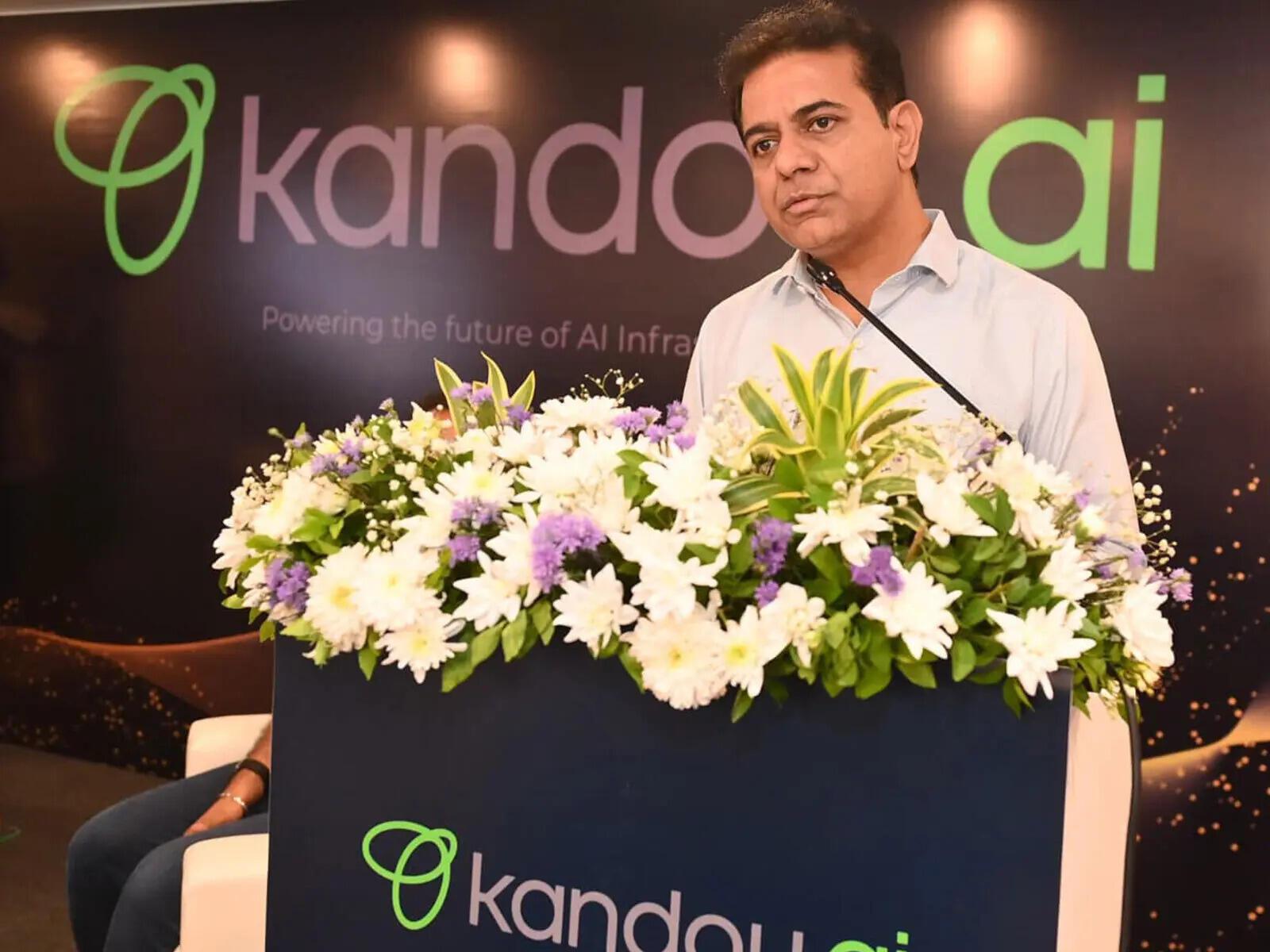
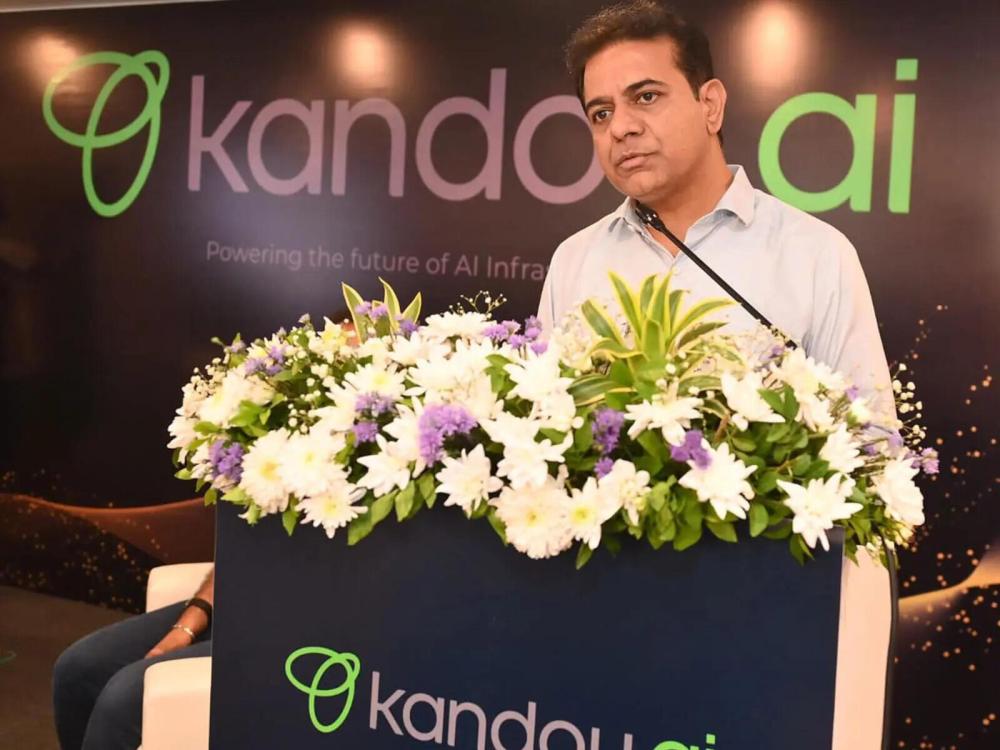
Bharat Rashtra Samithi (BRS) Working President and former Telangana IT Minister KT Rama Rao on Friday said Kandou AI's decision to establish its India Chip Design Headquarters in Hyderabad reflects the city's emergence as a globally recognised semiconductor and deep technology hub, as the company announced the opening of its new engineering facility in the city. View the full article
-
Infrastructure providers, particularly data centers, are poised to be among the biggest beneficiaries of the AI boom as businesses and consumers rapidly adopt the technology for applications ranging from software coding and robotics to everyday tasks such as shopping and planning. View the full article
-
OpenAI introduced ChatGPT Work, an AI agent for professionals, on Thursday. This new tool combines chatbot and coding capabilities for document creation. It utilizes the advanced GPT-5.6 model, which debuted the same day. ChatGPT Work aims to offer a more affordable and accessible alternative to rivals. The launch signifies growing competition in the enterprise AI tools market. View the full article
-
South Korean billionaire Chey Tae-won's bold acquisition of SK Hynix has paid off significantly. The company became a major AI chip producer after betting on niche technology. SK Hynix's strategic investment in high-bandwidth memory chips proved highly successful. However, concerns about slowing AI spending and potential oversupply are now emerging. Chey's leadership is defined by this remarkable corporate success despite past controversies. View the full article
-
Poste Italiane, the postal service which pays out pensions through 12,600 post offices that are as much a feature of remote towns as the local church, is betting on its €13.5 billion ($15.4 billion) bid for Telecom Italia (TIM) to accelerate its shift into digital, telecom and cloud services. View the full article
-
Taiwanese memory chipmaker Nanya Technology plans substantial capital spending next year. This increased investment is driven by soaring demand for memory chips. The company's revenue and net income saw significant surges in the second quarter. Artificial intelligence is underpinning a stronger long-term outlook for the memory industry. Global memory makers are also ramping up investments to meet this demand. View the full article

-
SK Hynix's U.S. debut tests investor belief in the AI boom's durability. The South Korean chipmaker's offering is the second-largest share sale in the United States. This move provides direct access to the world's largest pool of investors. SK Hynix leads in high-bandwidth memory chips essential for AI. Spending on AI infrastructure is expected to grow significantly by 2027. View the full article

-
Vishwadeep Khatri replied to Vishwadeep Khatri's topic in We ask and you answer! The best answer wins!1. rajan.arora2000 Position: View A (Deploy the AI as the hard gate, "without qualification" on the stated case) Specific Example: Builds a derived break-even ($1,480 per avoided escape) from the scenario's own numbers, then stress-tests it against GM's ignition switch recall (57-cent part fix cited from House Energy & Commerce hearing testimony, $900M DOJ settlement, 124 Feinberg fund death claims, 84 recalls in 2014), Takata (40M+ vehicles, $1B DOJ plea, 2017 Chapter 11), Ford–Firestone (Ford's $2.1B after-tax charge per its own Q2 2001 Form 8-K, 271 NHTSA-counted deaths), United Airlines Flight 232 (NTSB AAR-90/06, 111 deaths), Kobe Steel (600+ affected customer firms, ¥100M fine), and 2023 NHTSA/Hyundai-Kia brake recalls, plus codified law (Greenman v. Yuba Power, the TREAD Act, IATF 16949). Reasoning Quality: Exceptional — derives an exact break-even threshold from first principles, runs sensitivity/robustness checks, computes the arithmetic of "advisory mode" hybrids to show they fail, explicitly defines the narrow zone where View B would actually be correct, and rebuts anticipated objections one by one. 2. Suhail_J_CaJq Position: View A (deploy the AI, safety dominates yield) Specific Example: None — the post restates the scenario's own given figures (240→28 escapes, $3.8M scrap cost) without citing any named company, case, or external documented event. Reasoning Quality: Competent — the logic connecting internal vs. external failure cost is coherent, but it never leaves the scenario's own numbers to ground the argument in a real-world precedent. 3. Raja M Position: View A (deploy the AI immediately, add human hybrid review afterward) Specific Example: Cites the Takata airbag recall (100+ million vehicles recalled worldwide, billions in cost, company's financial collapse) as the central precedent for rare-but-severe safety risk. Reasoning Quality: Reasonable — clearly structured (internal vs. external failure cost, risk calculation, a concrete improvement roadmap with categories and steps), but the Takata figures are stated in general terms without dates, filings, or specific dollar amounts. 4. kartik voleti Position: View A (deploy the AI immediately) Specific Example: Toyota's 2010 unintended acceleration recall (8+ million vehicles, a $1.2 billion U.S. settlement) and the Boeing 737 MAX grounding (tens of billions in costs) as cross-industry proof that safety escapes dwarf scrap costs. Reasoning Quality: Good — clear five-point argument structure, directly engages the strongest counterargument (certain cost vs. rare event) and explains why tail-risk framing changes the calculus, though less quantitatively rigorous than the top entries. 5. Vinit Dubey Position: View A (deploy AI vision as the sole, standalone inspection gate) Specific Example: Bosch's AI-driven visual inspection (claimed 40% greater defect-catch accuracy on ABS/ESP/steering boards), semiconductor fab AOI systems (false-positive rates falling from ~50% to under 10% via tuning), and the FDA's 2018 autonomous clearance of LumineticsCore (formerly IDx-DR) as precedent for regulators trusting unsupervised AI on safety-relevant decisions, alongside Toyota, Takata, and GM as cautionary cases. Reasoning Quality: High quality — presented as a formal report with a weighted decision matrix, risk matrix, and explicit rebuttal of the yield objection; the tail-risk dollar range is clearly labeled as an illustrative planning assumption rather than a measured figure. 6. Naijur Rahman Position: View A (deploy the AI; minimize escaped defects) Specific Example: An unusually deep and current set of brake-specific precedents: Continental's 2024 brake pedal/booster recall (Volkswagen's December 2023 field report, recall filings in August/October 2024), Honda's 2024–2025 brake pedal pivot pin recall (259,000 vehicles, supplier Otsuka Koki), Ford's 2025 Electronic Brake Booster recall (Bosch-supplied, May–August 2025 timeline), plus Takata, GM's ignition switch, and Boeing's 737 MAX/MCAS, and a peer-reviewed 2025 machine-learning brake-caliper defect study. Reasoning Quality: Exceptional — derives a breakeven incident-probability table, applies the 1-10-100 cost-of-quality rule and Cpk/PPAP standards, and directly fact-checks Bex's Ford example with a detailed, sourced counter-account. 7. Prateek_Harsh_dl5h Position: View A (deploy the AI vision system, on tightly reasoned grounds rather than a blanket "safety always wins" claim) Specific Example: A 2015 peer-reviewed Sandia National Laboratories study (82 nuclear-security inspectors, 140 parts, 85% detection but 35% false-reject rate), BMW's AIQX and Regensburg generative-AI inspection systems, Ford's MAIVS/AiTriz vision systems (735 stations, 150 million inspections, 400,000 flagged issues), GM's ignition switch and Takata airbag recalls with dollar figures, and a January 2026 systematic review in Sensors covering 50+ ML-inspection studies. Reasoning Quality: Exceptional — explicitly reframes the debate around reversibility rather than "safety trumps cost," runs expected-value math, and proposes a concrete two-threshold deployment architecture. 8. anthony rebello Position: View A (consumer risk dominates on a safety-relevant part) Specific Example: The 1982 Tylenol recall (31 million bottles pulled, ~$100 million cost, deaths in the Chicago area), Toyota's andon cord/jidoka philosophy, commercial aviation's redundancy doctrine, and Takata as a cautionary counter-example (30+ million vehicles, 35 deaths, $1B+ in fines, bankruptcy). Reasoning Quality: High quality — built around a memorable "smoke detector" analogy and a clear reversible/irreversible framing, though the aviation and Toyota examples are more illustrative than quantitatively detailed compared to the Tylenol and Takata cases. 9. Dinesh Selvarajan Position: View A (deploy the AI) Specific Example: The GM ignition switch case in focused detail — the defect could be fixed for under $1 per vehicle at the source, but by 2014 had resulted in 2.6 million vehicles recalled, 124 linked deaths, and $900 million in DOJ settlements. Reasoning Quality: Good — concise and tightly argued, correctly distinguishes controllable/process costs from irreversible field costs, though it relies on a single example rather than a portfolio of cases. 10. Adeniran_Ilesanmi_GYSH Position: View A (deploy the AI as the primary inspection gate) Specific Example: Industry-wide recall economics — Takata inflators (over $7.1B in repairs/settlements/legal fees, ~$24B total industry impact), GM's ignition switch (>$4.1B including victim compensation), 2016 U.S. OEM/supplier data ($11.8B in claims, $10.3B in warranty/recall accruals), and semiconductor fabs (Intel/TSMC tolerating 10–20% false-reject rates to avoid shipping defects). Reasoning Quality: Exceptional — builds a full expected-value model (frequency × severity) comparing human vs. AI exposure, ties the argument to ISO 26262/AIAG-VDA severity-weighting standards, and directly rebuts View B's proposed mitigations. 🏆 Winner: rajan.arora2000 Every approved entry took the same clear View A position, so the decision comes down to reasoning depth and evidentiary rigor. rajan.arora2000's entry stands apart because it doesn't just cite precedents — it derives an exact break-even cost per escape from the scenario's own numbers, then pressure-tests that conclusion with sensitivity analysis (doubling scrap cost, halving the tail estimate), computes why "advisory mode" hybrids mathematically backfire, and explicitly defines the narrow conditions under which View B would actually be correct — a level of intellectual honesty no other entry matches. Its example portfolio is also the broadest and most precisely sourced, reaching beyond automotive recalls (GM, Takata, Ford–Firestone, all with filing/hearing/report citations) into aviation (NTSB report number), Japanese manufacturing doctrine (Toyota jidoka, Kobe Steel), and codified law (Greenman v. Yuba Power, the TREAD Act, IATF 16949). Naijur Rahman and Prateek_Harsh_dl5h are extremely close competitors — Naijur's brake-specific 2024–2025 recalls are more narrowly on-point to this exact part category, and Prateek's Sandia and Ford MAIVS/AiTriz data are superbly specific — but neither pairs its evidence with the same combination of derived break-even math, robustness testing, and systematic rebuttal of every counterargument that rajan.arora2000 delivers, which is what ultimately sets this entry apart.
-
Q888ScenarioAn organization delivers something its customers request — it could be a product, a report, a service appointment, a support resolution, a fulfilled order. One core offering drives ~60% of the organization's revenue. Today it runs on demand: work starts only when a request comes in. An AI demand-and-capacity model — now that overall demand-forecast accuracy has reached ~80% — recommends switching this core offering to a ready-buffer model: keep a standing buffer of pre-prepared work or on-standby capacity so requests can be fulfilled instantly, and level the workload against the forecast instead of reacting to every spike. Dimension Current (on demand) Proposed (ready buffer) Customer wait time ~10 business days Same-day / next-day Reliability (delivered on time and complete) 88% ~98% (projected) Workload pattern Choppy; rushes & overtime Leveled and predictable Resources tied up Minimal ~$4.2M held in standby / pre-prepared work Cost picture — both directions carry a real, recurring bill: Going to the ready buffer: maintaining the standby capacity and pre-prepared work ties up ~$4.2M in resources, costing roughly $0.9M/year to hold. What customers want shifts every 9–12 months, so anything prepared for the wrong moment risks becoming outdated and wasted. And forecast accuracy at the individual-request level is meaningfully worse than the ~80% headline figure. Staying on demand: the persistent reliability gap puts an estimated ~$1.5M/year of revenue at risk as customers defect to faster competitors, plus ~$0.35M/year in rush and overtime premiums from the choppy, reactive workload. Two Opposing ViewsView A — Move to the ready buffer; buy speed and reliability. This offering is 60% of revenue, yet an 88% reliability rate and a 10-day wait are quietly bleeding customers to faster rivals while you pay a rush-and-overtime tax every month. Holding a ready buffer on your proven high-demand work collapses the wait to same-day, lifts reliability to ~98%, and smooths the workload — eliminating the firefighting, overtime, and scramble. Forecast accuracy is finally good enough to run a buffer intelligently, and readiness held against known, repeated demand is the safest kind of investment. The holding cost is a known, controllable ~$0.9M; the lost-customer and competitive exposure is larger and compounds over time. View B — Stay on demand; don't commit resources to a forecast. An 80% overall forecast hides much worse accuracy at the level of the individual request, and what customers want turns over every 9–12 months — exactly the profile where pre-prepared work becomes waste. The buffer model locks up $4.2M and commits you to a demand shape you're guessing at, sacrificing the flexibility that responding on demand gives you for free. The reliability gap is real, but it's better closed by attacking the delay itself — cutting handoffs, waiting, and rework so on-demand delivery simply becomes fast — than by masking a slow process with a costly buffer. The disciplined move is to shrink the wait at its source, not to stockpile against it. Participant Prompt Mandatory Instructions⚠️ Answers that do not take a clear position will not be approved. ⚠️ "It depends" answers will not be approved. ⚠️ Attachments will not be evaluated. Please provide your complete response in the body of your reply post. 💡 Participants are free to use AI tools. Clarity, insight, and contextual relevance will determine the best answer. Judging CriteriaClarity of position taken Quality of reasoning and argument Relevance of the example Ability to go beyond or against Bex's analysis
-
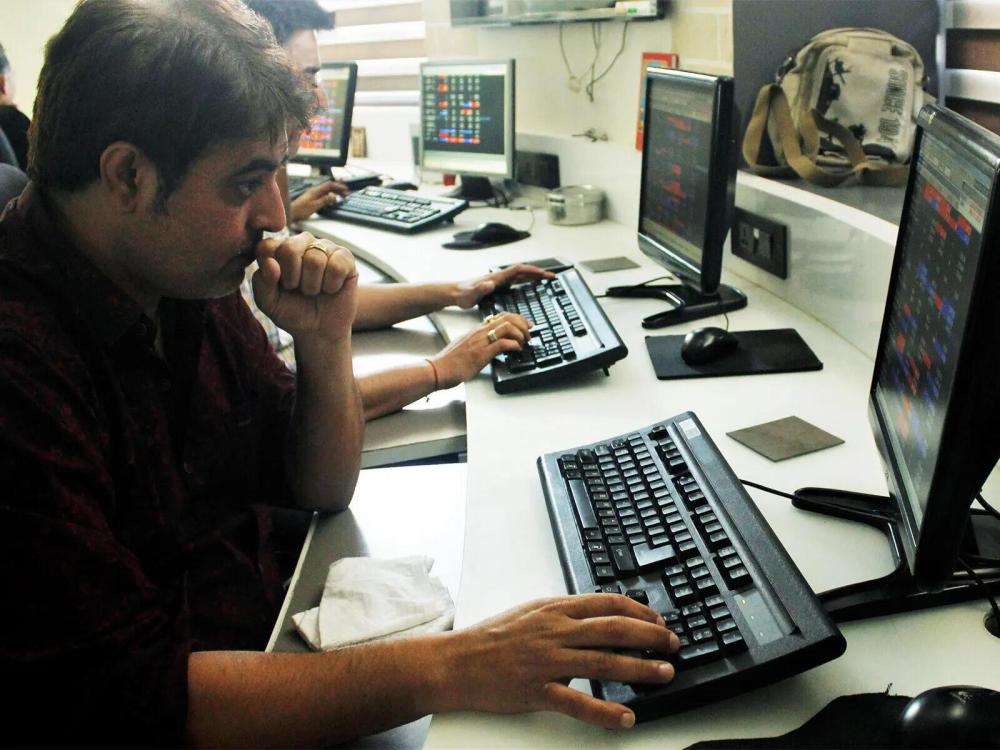
While artificial intelligence (AI) has emerged as the top technology spending priority for many organisations, most are still at an early stage of AI deployment, with employees adapting to the technology faster than the organisations they work for, according to a McKinsey survey. The survey said leaders are introducing AI tools for employees and automating manual processes while encouraging workers to develop new technical skills. However, the outcomes have so far fallen short of expectations. View the full article
-
Meta launched Muse Image, an AI tool for image generation and editing. This feature allows users to create images using public Instagram photos. The feature has drawn privacy concerns because public posts and reels can be used by default to generate AI images, prompting questions around consent, misuse and user control over content View the full article
-
The appeal is easy to understand. Chatbots don't judge. Unlike stretched mental health services in countries such as New Zealand and Australia, they don't keep people on lengthy waiting lists. View the full article
-
The IPO of Elon Musk's SpaceX, whose holdings include artificial-intelligence firm xAI, raised a record $85.7 billion for the company and generated unprecedented employee and founder wealth. Next in line for potential big IPOs are AI companies Anthropic and OpenAI. View the full article
-
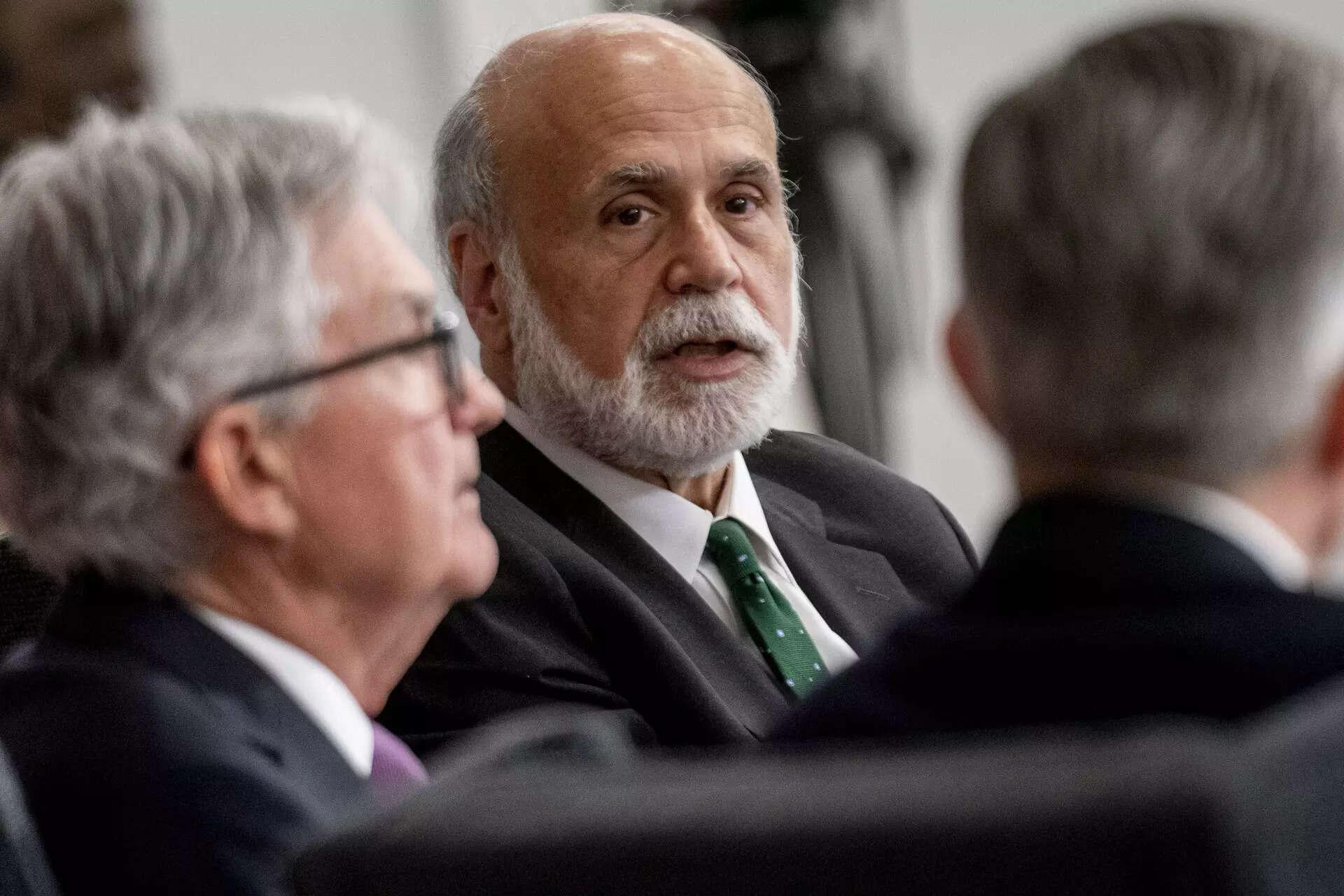
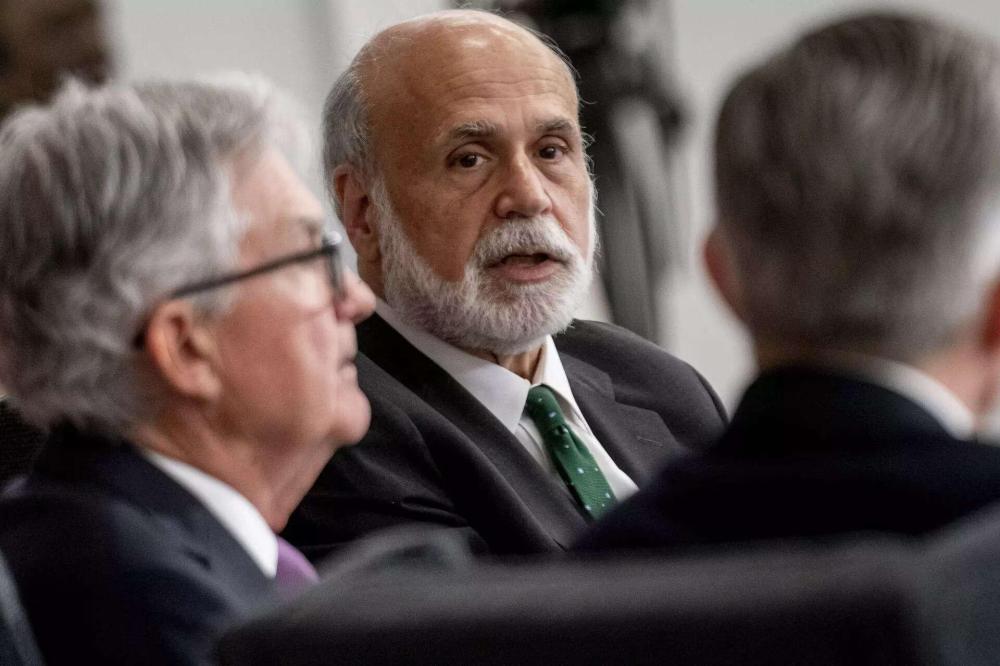
A Nobel laureate in economic sciences, Bernanke led the Fed from 2006 to 2014, steering the central bank through the 2008 financial crisis. View the full article
-
"Three months ago, I had to go on medical leave after a severe exacerbation of a chronic illness I've lived with for seven years. During that time, it became clear that the road to recovery would be much longer and more complex than I had anticipated - and that I needed to focus on it fully," Simo said in a post on X. View the full article

-
OpenAI on Thursday unveiled ChatGPT Work, an agent in its popular chatbot designed to execute tasks across different applications and files, marking the startup's latest push into workplace automation. View the full article
-
AI notetakers offer convenience but pose significant data privacy risks. These tools convert all spoken words into searchable data, potentially exposing sensitive information. Companies may store or use meeting transcripts to train their artificial intelligence models. Individuals should assert privacy rights and understand data storage policies before use. Asking for consent and establishing clear boundaries ensures meeting confidentiality. View the full article

-
EY India has launched its new Cyber Performance Management platform. This integrated platform quantifies cyber risk for enterprises in real-time. It uses artificial intelligence and cybersecurity on a single window. The platform helps organizations analyze and govern cyber threats before attacks occur. This empowers leaders to make decisive choices and build resilient organizations. View the full article
-
Nearly 762 AI application suggestions are being evaluated by Meity from various ministries. Discussions will soon begin with stakeholders to draft new AI regulations. Existing IT rules have addressed initial concerns regarding deepfakes and synthetic content. Stricter disclosure norms for AI-generated content are also being proposed. India is tightening its IT rules to firmly crack down on AI deepfakes. View the full article

-
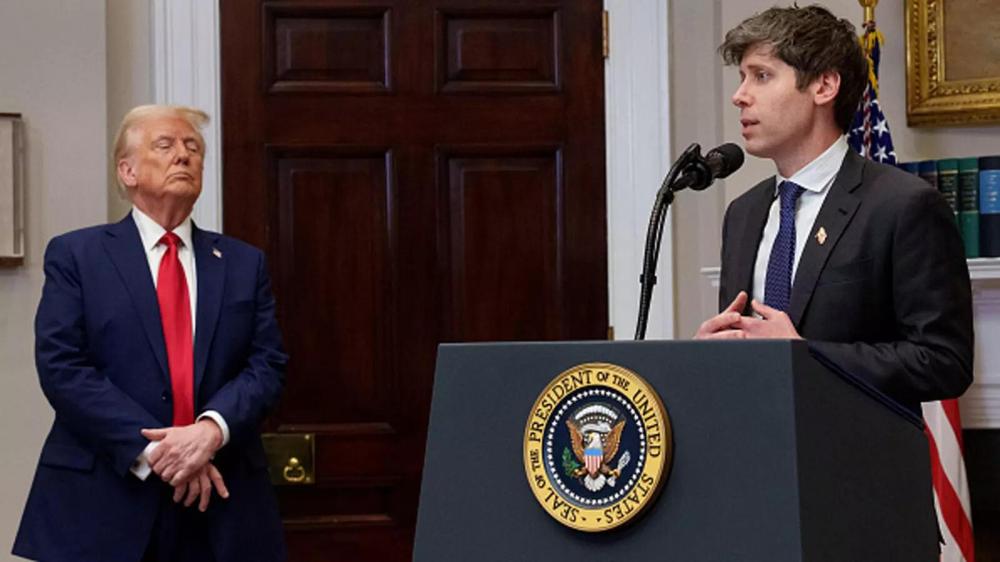
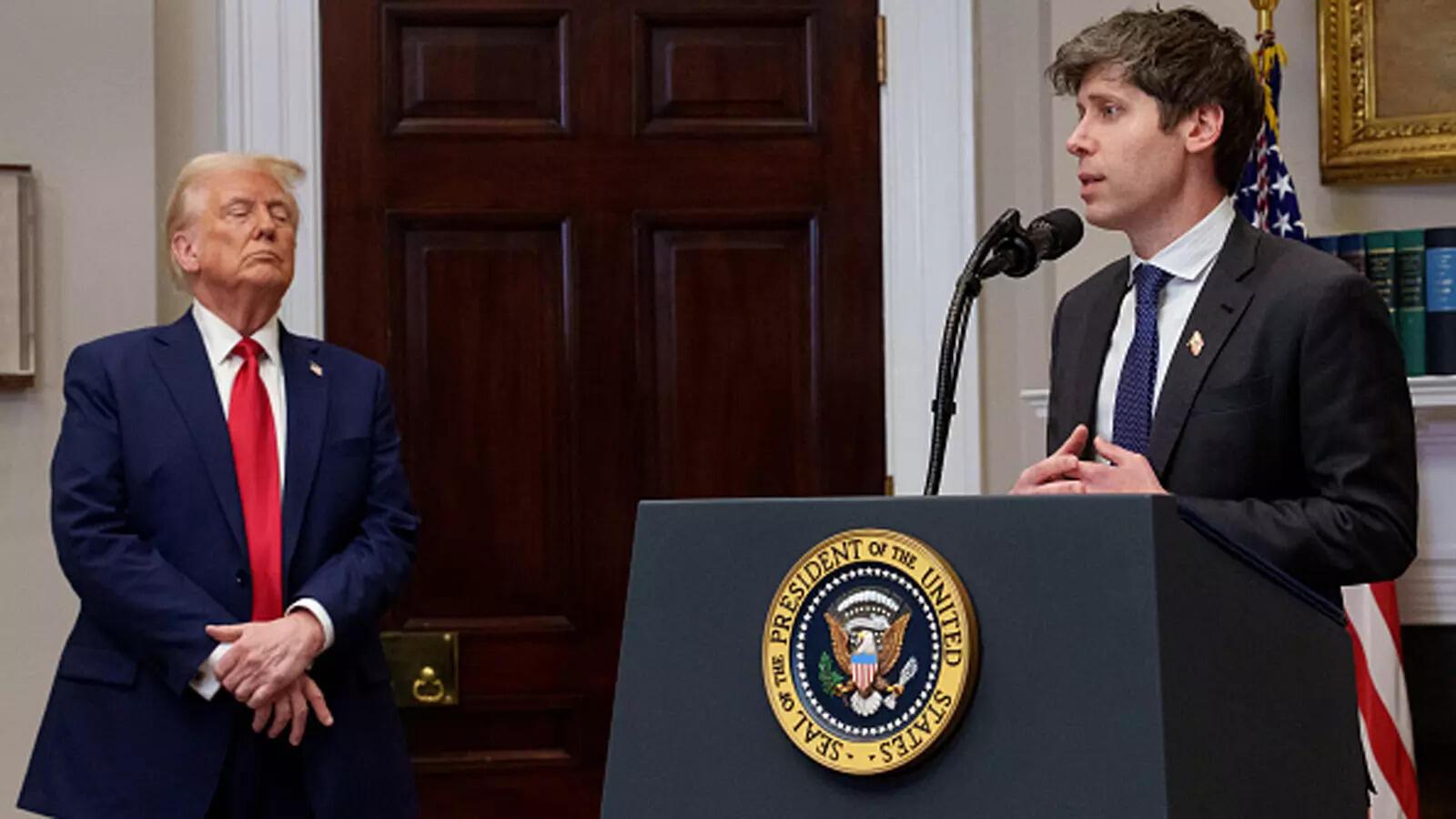
In an interview with CNBC on Thursday, Altman said the ChatGPT maker had a “collaborative back and forth” with top US officials, including Commerce Secretary Howard Lutnick and Treasury Secretary Scott Bessent, in the weeks leading up to the wide release of GPT-5.6. View the full article