Vishwadeep Khatri
Administrators
-
Joined
-
Last visited
Everything posted by Vishwadeep Khatri
-
District Judge William Orrick in Oakland, California, in a written order said he would not stop Meta from carrying out the layoffs beginning July 22 while the merits of the workers' novel legal claims are decided in private arbitration. The lawsuit filed on Monday claims that in selecting jobs to cut, Meta relied on AI tools that measured productivity and AI token usage, disadvantaging people who missed work because of medical conditions or to care for family members. View the full article
-
Tech Mahindra Chairman Anand Mahindra said AI will not replace India's IT services industry but make it more important by driving enterprise AI adoption. He urged India to build sovereign AI capabilities, said trusted AI deployment will be a key opportunity for IT firms, and highlighted Tech Mahindra's AI initiatives and strong business momentum. View the full article

-
View the full article
-
Meta has now built a system that scans teens' chats with Meta AI for signs of self-harm. It was developed with the help of parents and mental health experts to identify conversations where a teen may be at risk, even if the language is subtle. Stricter content settings will further limit inappropriate conversations for young users. View the full article

-
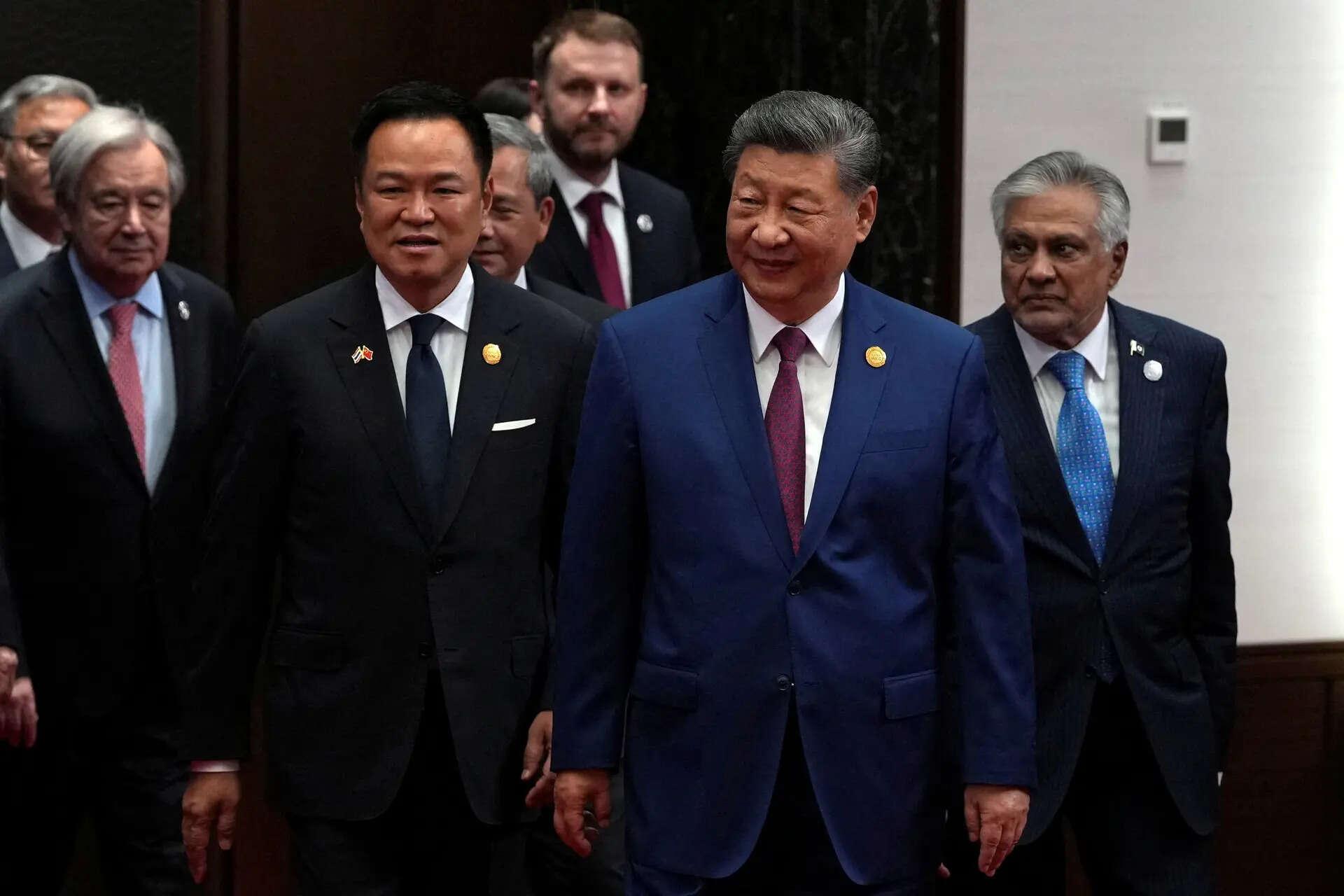
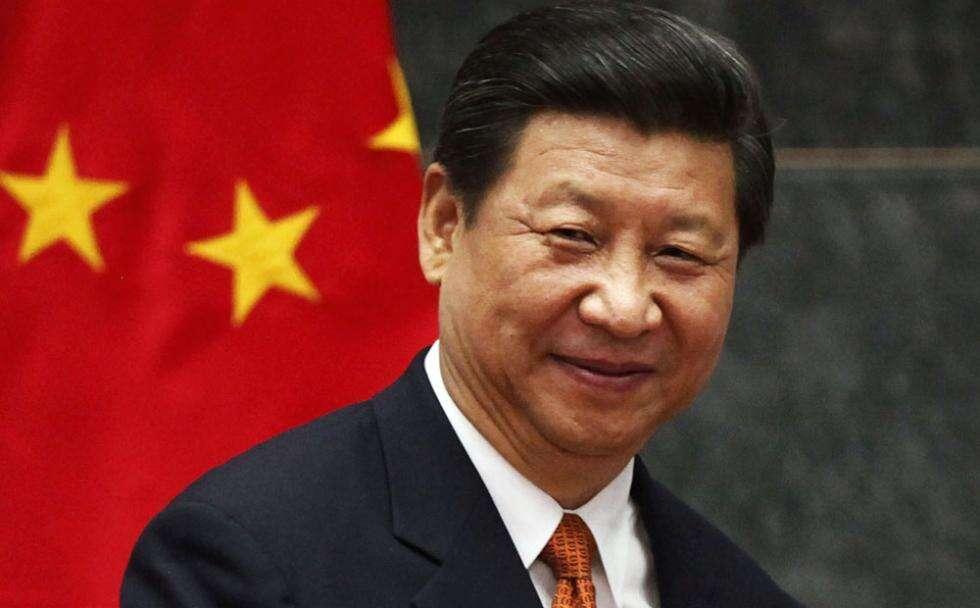
At WAIC 2026, Chinese President Xi Jinping called for global AI collaboration and announced support for 5,000 AI research projects in developing countries. China also launched the World Artificial Intelligence Cooperation Organisation (WAICO) with 29 founding member nations. View the full article
-
AI skills are now a baseline workplace capability across India. Demand for AI skills in technology jobs has seen a significant increase. Non-technology roles also show a substantial rise in AI skill mentions. Professionals with AI expertise command higher salaries and experience faster growth. Workforce development is crucial for realizing AI's full potential. View the full article

-
United Nations Secretary-General Antonio Guterres on Friday called for the faster adoption of AI-powered early warning systems, saying they are the most cost-effective way to reduce the human and economic impact of climate disasters as global climate risks continue to intensify. View the full article

-
Indonesia has proposed sweeping changes to its copyright law to recognise AI-assisted works with human involvement, while excluding fully AI-generated content. The draft also mandates AI disclosures and requires tech platforms to compensate publishers for using news content in AI training. View the full article
-
Myntra has expanded its AI capabilities, using the technology to speed up seller onboarding, automate catalogue creation, improve personalised shopping, and enhance operational efficiency. The company said all AI deployments operate with human oversight and privacy safeguards. View the full article
-
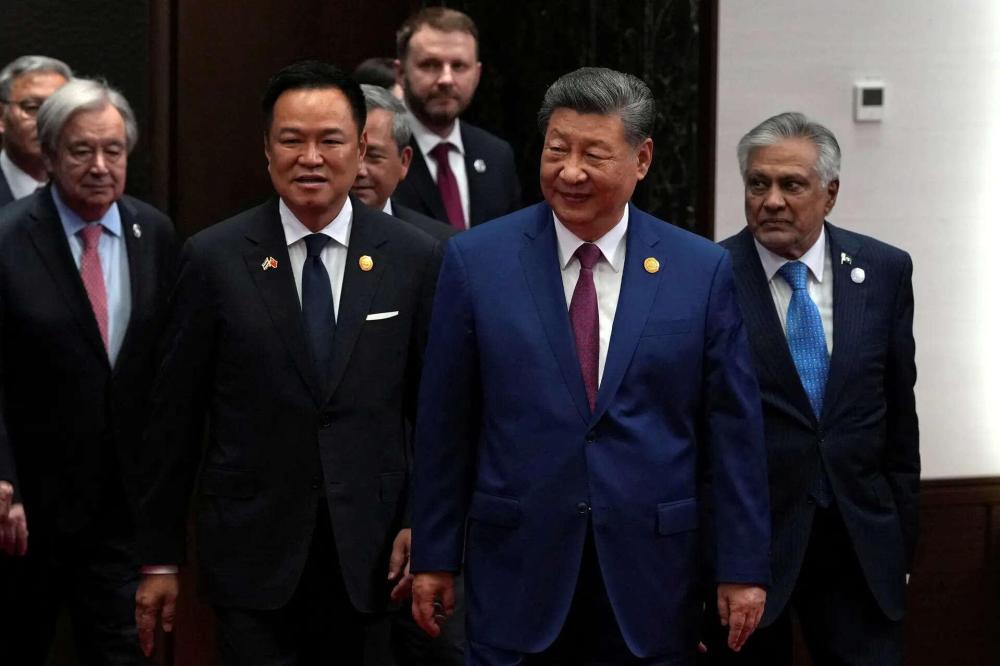
Chinese President Xi Jinping promoted open-source artificial intelligence at a major tech conference. He urged nations to embrace this technology and pledged support for developing countries. China aims to shape global AI governance and create new standards for the sector. This initiative positions Beijing as an alternative to US influence in AI development. The conference also addressed AI safety and the need for human control over systems. View the full article
-
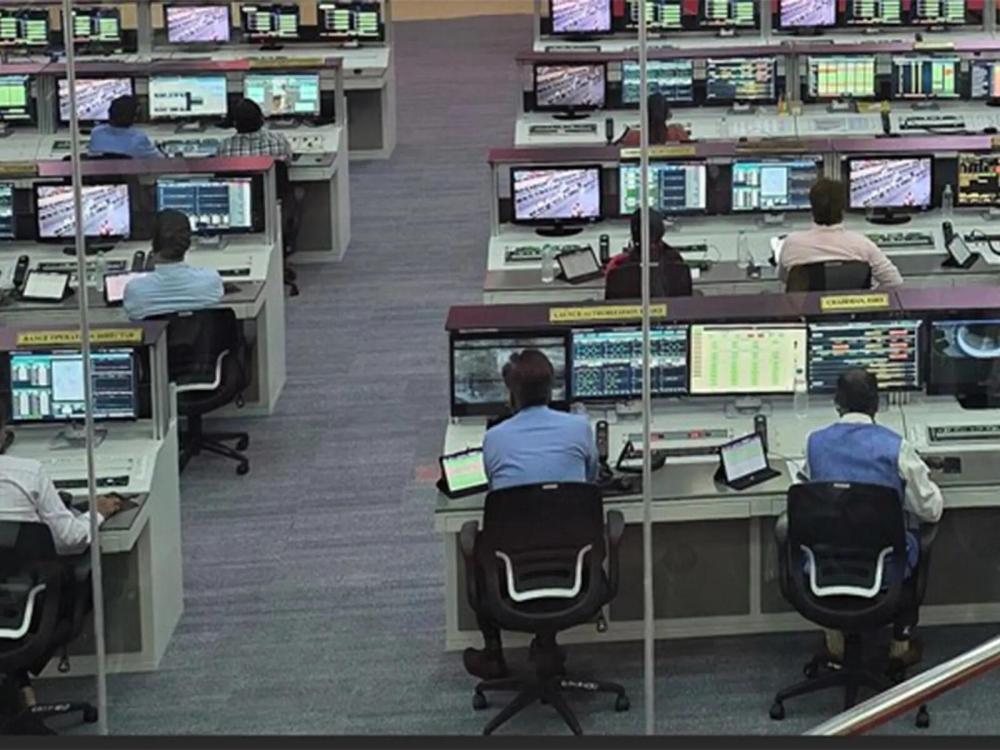
As generative artificial intelligence (Gen AI) moves beyond experimentation into enterprise-scale deployment, business leaders are increasingly grappling with the economics of AI agents rather than the technology itself, according to a new McKinsey report. View the full article
-
Chinese startup Moonshot AI released its Kimi K3 large language model on Friday. This new model is generating significant excitement within the technology sector. Experts suggest Kimi K3 could rival advanced offerings from American artificial intelligence labs. Its open-source nature and lower costs are attracting programmers globally. This development signals China's growing influence in the artificial intelligence landscape. View the full article

-
For most of the past two years, the opposite trade prevailed: investors piled into semiconductor and infrastructure companies on the assumption that Microsoft, Amazon, Alphabet and Meta would keep accelerating spending on the buildout of data centers. View the full article

-
When Eric Lauer needs to hire at Giftory, the online gift-giving platform he runs, he's no longer looking for eager young coders fresh out of college. "We're still in a hypergrowth phase," Lauer said. View the full article

-
Q890ScenarioAn organization uses AI to create things its customers see — this could be recommendations, written replies, assessments, screening decisions, or draft documents. It produces 50,000 of these a month, and about 60% of its revenue depends on customer trust. One thing is already settled: in blind tests, where reviewers don't know who or what made the output, the AI's work scores as good as or slightly better than the human version (4.3/5 vs 4.2/5). So this is not about hiding worse work. The real question is whether to tell customers. The organization can clearly label each output as "made with AI," or it can treat AI as just another tool — not putting it front and center, but answering honestly if a customer asks. Tell customers it's AI Treat AI as just a tool Customers who accept the output 68% 82% Immediate pushback ~15% ask for a human to redo it None Extra cost ~$2M/year for those redos (~$22 each) ~$0 If people find out later Already known — no surprise Trust drops sharply If disclosure rules get stricter Already ahead of them Caught out Two things make this hard: When you add the "made with AI" label, acceptance drops 14 points (from 82% to 68%) — even though the work is exactly as good. People turn down good outcomes just because of the label. If you don't tell people and it comes out later — through a leak, an audit, detection tools, or a new law — many customers say they'd be less likely to stay. That kind of trust damage is slow and expensive to fix. Two Opposing ViewsView A — Tell customers it's AI. People deserve to know how something that affects them was made. The 14-point drop in acceptance is a short-term hurdle — as people get used to AI, it will fade — not a reason to keep them in the dark. Staying quiet is a risk that keeps growing: it's getting easier every year for AI use to be discovered, and when hidden AI use comes out, the loss of trust is bigger, more public, and much harder to recover from than a little upfront friction. Trust that depends on people not knowing something isn't real trust. And once you commit to being open, you're forced to make the AI genuinely good enough to stand behind in plain sight. View B — Treat AI as just another tool. The work is proven to be as good or better, so the label doesn't change the quality — it only sets off a gut reaction that actually hurts customers, pushing them to reject good outcomes and wait longer for a human to redo the same thing. You don't list every piece of software, spreadsheet, or tool you used to get your work done; AI is a tool like those. What you truly owe customers is that the output is good and that you stand behind it — and you answer honestly if they ask. Putting "an AI made this" front and center just plants doubt and makes the experience worse. A label that measurably leaves people worse off isn't transparency that helps the customer — it's transparency for the sake of ticking a box. Participant Prompt Mandatory Instructions⚠️ Answers that do not take a clear position will not be approved. ⚠️ "It depends" answers will not be approved. ⚠️ Attachments will not be evaluated. Please provide your complete response in the body of your reply post. 💡 Participants are free to use AI tools. Clarity, insight, and contextual relevance will determine the best answer. Judging CriteriaClarity of position taken Quality of reasoning and argument Relevance of the example Ability to go beyond or against Bex's analysis
-
Vishwadeep Khatri replied to Vishwadeep Khatri's topic in We ask and you answer! The best answer wins!1. Suhail_J_CaJq Position: View B (Selective coverage — the system must know what it doesn't know) Specific Example: Cites "Health Insurance Prior Authorization" in general terms — routine vs. complex claims (rare conditions, unusual treatment plans, conflicting clinical notes) — but names no specific insurer, no dates, no figures, and no source. Reasoning Quality: Competent. The five-point structure (harm concentration, value of abstention, human review being directionally correct, cost vs. harm, speed vs. correctness) is logically coherent and correctly restates the scenario's own numbers, but it never leaves the hypothetical and adds no external evidence. 2. rajan.arora2000 Position: View B (Selective coverage, without qualification) Specific Example: An extraordinarily well-documented portfolio: Michigan's MiDAS unemployment system (Oct 2013–Aug 2015, ~400 staff cut, ~40,000 algorithm-only fraud determinations, 93% found non-fraudulent by the state Auditor General, Bauserman v. UIA $20M settlement approved Jan 2024); Australia's Robodebt (453,000 people, A$565M net loss per the 2023 Royal Commission); Cigna's PXDX as a negative control (300,000+ denials in two months, 1.2 seconds/case, Kisting-Leung v. Cigna); the UK Post Office Horizon scandal (£1,628M paid to 12,900+ claimants as of June 2026); and card-fraud authorization (Visa/Amex) used as a positive control for View A. Every case is cited with sources, dates, and figures. Reasoning Quality: Exceptional. Corrects the scenario's own arithmetic error ($1,260 vs. the true $104.85 per error avoided), applies Chow's (1970) decision-theoretic reject-option formula, runs sensitivity/robustness checks in both directions, steelmans View A honestly, directly upgrades and rebuts Bex's own example, and closes with a falsifiable, numeric "abstention test" plus a pre-committed condition under which the author would reverse position. 3. GoutamNamata Position: View B (Selective coverage) Specific Example: References "health insurance claims processing" as a strong example but does not name an insurer, cite a source, or provide any documented figures beyond restating the scenario's own numbers. Reasoning Quality: Reasonable. The argument that the escalated 30,000 cases are where harm concentrates is sound and clearly stated, but the post does not go beyond paraphrasing the prompt's own data. 4. Ajay _Wadhwa_bs1h Position: View B (Selective coverage) Specific Example: Names Fannie Mae's Desktop Underwriter specifically, describing its actual process — instant approval for stable-income/clean-credit applicants, automatic routing of self-employed or non-traditional-income borrowers to manual review — and ties this to fair-lending exposure. Reasoning Quality: Good. The "averaging hides where errors land" argument and the point that appeals disproportionately help people who already know how to navigate the system are sharp and original, even though no financial figures or dates are attached to the mortgage example. 5. Naijur Rahman Position: View B (Selective coverage — the system must know what it doesn't know) Specific Example: Derives the AI's hidden ~75.8% accuracy on hard cases from the scenario's own numbers, then supports the position with the Dutch Childcare Benefits scandal (26,000–35,000 families flagged, €20k–60k clawbacks, government fell Jan 2021), the Post Office Horizon scandal (£1.44B paid to 11,300+ claimants), Robodebt, and the FDA-authorized IDx-DR diagnostic system, plus academic citations (Madras et al. 2018 NeurIPS "Learning to Defer," a 2023 Nature Medicine CoDoC study). Reasoning Quality: Exceptional. Directly rebuts Bex point-by-point, cites the machine-learning "long-tail problem" literature to explain why redirecting the $6.5M into R&D wouldn't close the gap, and reframes the fairness argument precisely. 6. anthony rebello Position: View A (Full coverage — let the AI decide everything) Specific Example: Visa Decision Manager (98.83% of transactions resolved automatically), Mastercard's 2025 fraud-prevention survey (80% of organizations eliminated unnecessary manual review; issuers/acquirers saved $5M+ over two years), Gmail (15 billion emails/day, 99.9%+ spam catch rate), and Lemonade Insurance (96% of claims intake automated, 55% fully resolved by AI as of year-end 2025), each with a named source. Reasoning Quality: High quality. The toll-booth analogy is effective, the equity argument (that a review queue is "regressive" against atypical applicants) is a genuine original contribution, and the author honestly engages Meta's 2025–2026 moderation appeals failures as a cautionary design constraint rather than ignoring it. 7. Adeniran_Ilesanmi_GYSH Position: View B (Selective coverage — the system must know what it doesn't know) Specific Example: Names Lemonade, Aviva, AXA, NHS 111, Mayo Clinic, Monzo, Revolut, Stripe, DWP, HMRC, and USCIS, but attaches no citations, dates, or verifiable figures to any of them — the stated percentages (e.g., "reduces claim disputes by 40–60%") appear to be asserted rather than sourced. Reasoning Quality: Competent but ungrounded. The sensitivity tables and "risk-adjusted ROI" model are elaborate, but the cost distributions and probabilities (e.g., a 2% "catastrophic" event at $300,000) are invented for the exercise rather than drawn from documented data, so the quantitative rigor is more decorative than evidentiary. 8. Prateek _Harsh_dl5h Position: View A ("I strongly support View A — Bex's position") Specific Example: Klarna's OpenAI-powered assistant (replaced the work of 700 agents, 2.3 million conversations in month one, resolution time cut from 77 minutes to under 2 minutes, ~$40M annual run-rate savings), Ping An's "Smart Fast Claim" (90%+ of motor claims auto-processed, settled in under 3 minutes), and Visa (233 billion transactions in 2024, cited). The author also honestly addresses UnitedHealth's nH Predict controversy (90% of appealed denials reversed, but under 0.2% of patients ever appealed) and Robodebt as genuine failure modes rather than omitting them. Reasoning Quality: Exceptional. Proposes a concrete alternative architecture (the "AFAR" framework) with its own KPI dashboard, directly derives the same 75.8% hard-case AI accuracy figure independently, and turns the strongest anti-View-A evidence into design requirements rather than dismissing it. 9. Dinesh Selvarajan Position: View A (Full coverage — let the AI decide everything, with humans redeployed to training rather than permanent review) Specific Example: BioCatch behavioral-biometrics fraud detection, described as used in the author's own organization (deployed 2025, flagged 30+ alert types, alert types cut roughly in half over time as the model learned), and Upstart's AI lending platform (2024–2025, 91%+ of loans fully automated, approves 44% more borrowers, ~29% of loans to low-to-moderate income communities). Reasoning Quality: Good. The core insight — that human review should be treated as a training signal rather than a permanent institution — is a genuinely different angle from the other View A responses, and the comparison table is clear, though the argument is less rigorously sourced than Prateek's or anthony's entries. 🏆 Winner: rajan.arora2000 Among the six approved entries, rajan.arora2000 stands apart on all three criteria. On clarity of position, every other approved entry states a view and defends it, but rajan is the only one to formally derive a numeric threshold ("the Abstention Test," with four falsifiable conditions) and pre-commit to reversing his own position if the data changes — a level of intellectual honesty none of the others (including the excellent Naijur Rahman and Prateek_Harsh_dl5h) attempt. On reasoning quality, rajan is the only participant to catch and correct an actual arithmetic error in the scenario itself (the $1,260 figure conflating monthly and annual units), apply a named academic decision-theory framework (Chow, 1970) to compute break-even costs from first principles, and systematically steelman and then dismantle the opposing view point-by-point — going well beyond Naijur Rahman's strong but more narratively structured rebuttal and Prateek_Harsh_dl5h's excellent but comparatively less mathematically rigorous AFAR proposal. On specificity of examples, rajan's five-sector, three-jurisdiction evidence base (Michigan MiDAS, Robodebt, Cigna PXDX as a deliberate negative control, Post Office Horizon, and card-network fraud detection as a positive control) is unmatched in this thread for its use of matched natural experiments, disclosed confounds, and precise, dated financial figures — a level of self-critical, source-dense argumentation that no other entry, on either side of the debate, achieves.
-
India's technology services sector is expected to see strong AI-led growth, with end-user spending on public cloud services projected to surge 28.1 per cent year-on-year to USD 17.5 billion, according to Equirus Securities. View the full article

-
The delay comes amid fierce competition among AI developers to boost model performance, cut costs and expand enterprise capabilities, fueling a steady, industrywide stream of new systems and reasoning models. View the full article

-
As AI technology continues to permeate workplaces, managers have become crucial players in its successful integration. Their role has evolved from merely overseeing tasks to fostering environments of learning and adaptability. Organizations are prioritizing the development of AI-ready teams through ongoing education, with managers guiding their teams in understanding and utilizing new technologies effectively. View the full article

-
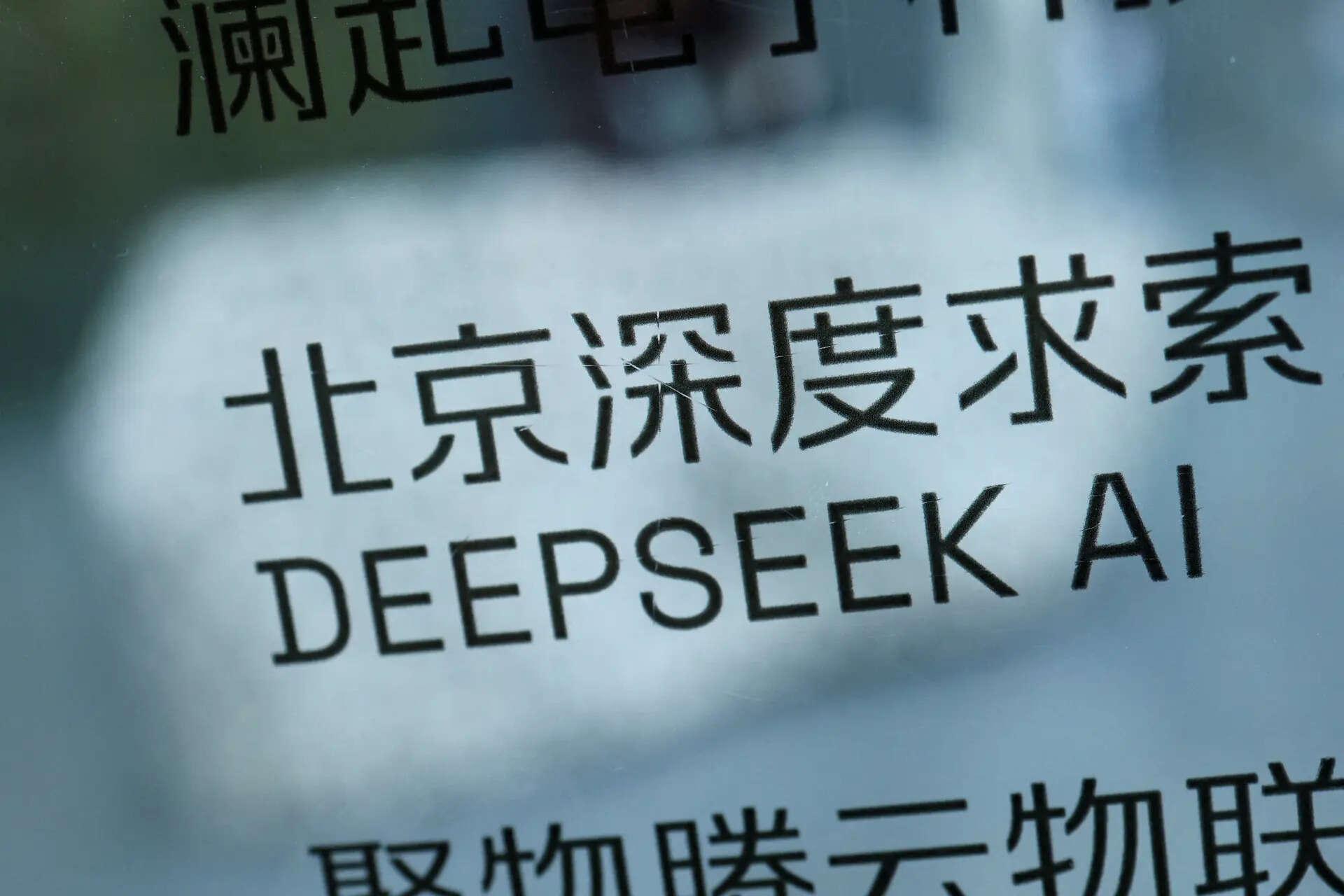
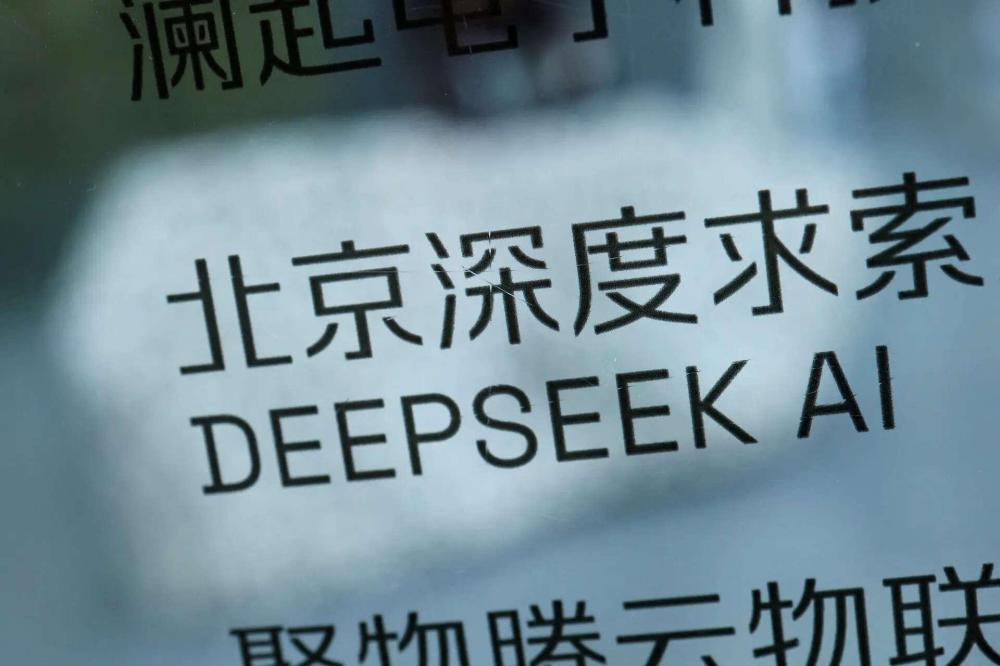
The stock-exchange filing offers rare public evidence about the pricing and investor lineup of DeepSeek's maiden external fundraising, which the company has never announced. As a private company, DeepSeek has no routine disclosure obligations. View the full article
-
Twenty-nine nations have signed an agreement to establish the World AI Cooperation Organization. This new intergovernmental body aims to promote global cooperation and governance in artificial intelligence. Representatives from Russia, Belarus, and several Asian and African countries are founding members. The organization's headquarters will be located in Shanghai, China. This initiative was proposed by China at last year's conference. View the full article

-
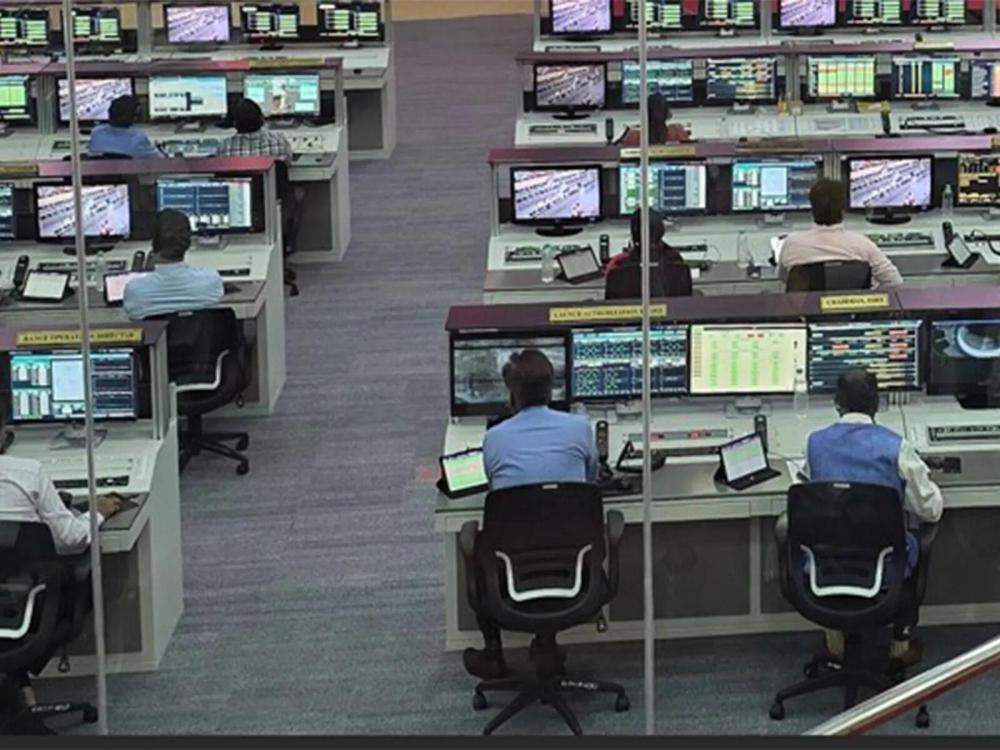
Even as finance teams increasingly adopt artificial intelligence (AI) to improve business decision-making, 93 per cent of finance professionals remain concerned about the integrity and verifiability of AI-generated insights, according to a joint report by ACCA (the Association of Chartered Certified Accountants) and Chartered Accountants Australia and New Zealand (CA ANZ). View the full article
-
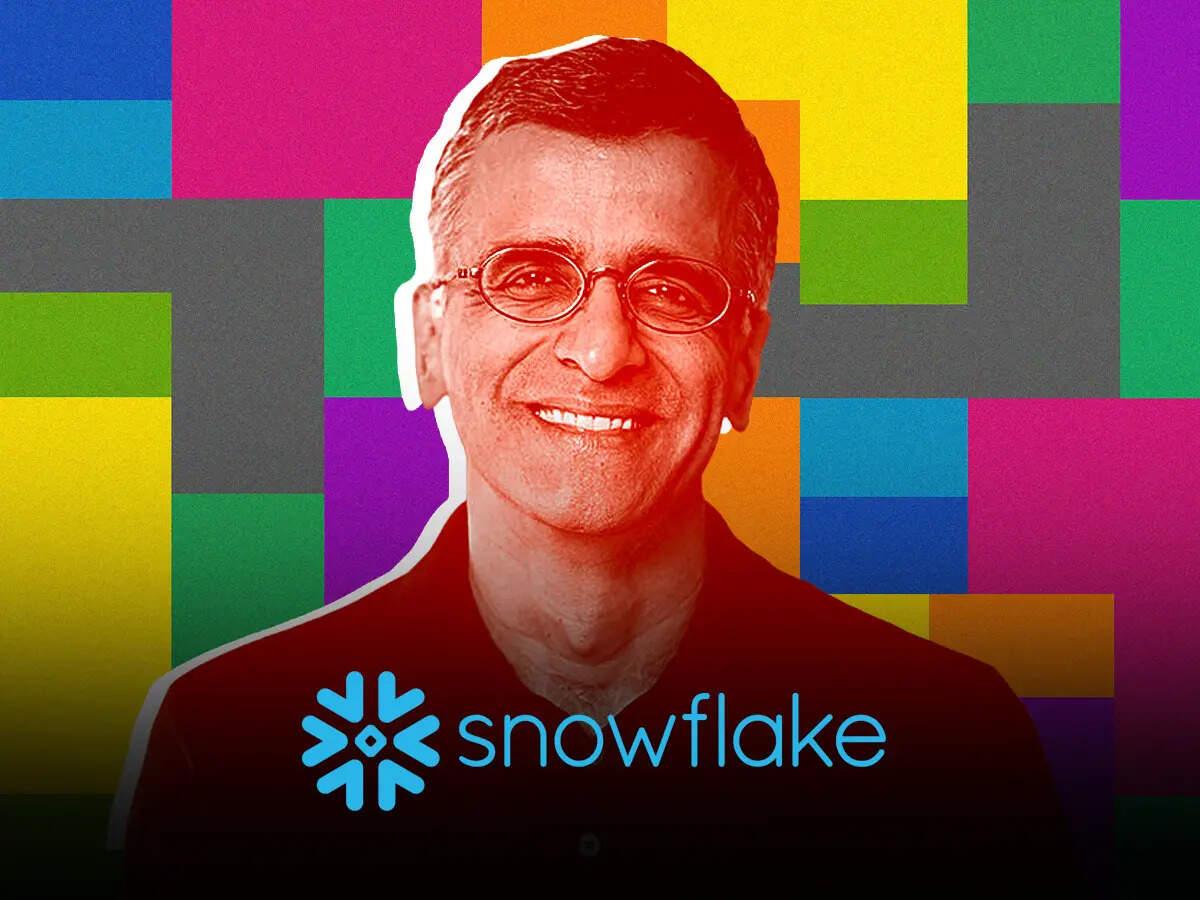
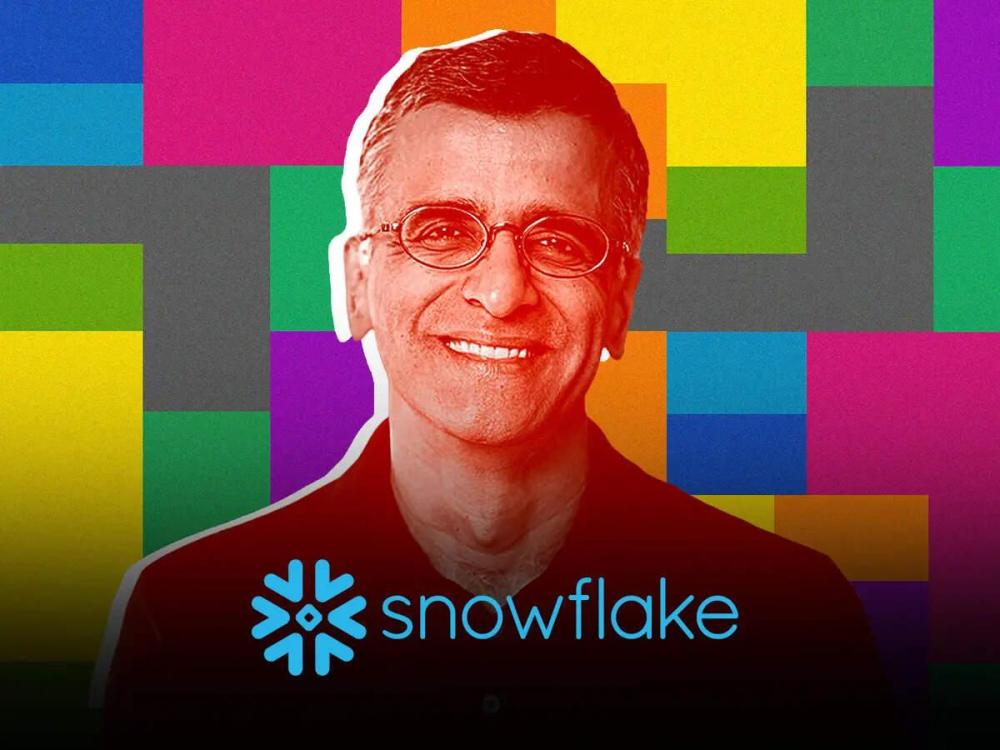
Ramaswamy's award, totaling 1 million shares, is structured into five tranches, each with escalating stock price milestones, and is designed to retain him as CEO until September 15, 2030. View the full article
-
Major AI systems show bias against criticizing restrictive leaders and governments. These models are more likely to refuse prompts targeting leaders in China and Saudi Arabia. This behavior could extend government influence over online speech worldwide. Studies reveal AI models reflect speech restrictions beyond their original borders. Developers must address these biases to ensure global freedom of expression. View the full article

-
Portugal became the first EU nation to join HealthAI's global network. This agreement provides access to reviewed AI health tools and incident reporting. Portugal joins other countries like Britain, India, and Brazil in this network. Europe is preparing to implement new AI rules across the bloc. This international cooperation is vital for AI governance in healthcare. View the full article