

Topics
-
The latest setback has fueled worries that Google was losing momentum just as OpenAI and Anthropic and a host of Chinese rivals have accelerated the pace of model releases. On the call on Wednesday, Pichai struck an unusually defensive tone as analysts pressed him on the state of Google's frontier models and whether they could still compete at the cutting edge of AI development. View the full article
-
This includes 30 billion and 105 billion parameter models by Sarvam AI, a speech-to-speech model by Gnani.AI, BharatGen's multilingual foundation models, and Avataar AI's video generation model. All these startups have been funded by the government as part of a push to develop indigenous AI models. Of the 20 models, five have been released so far. View the full article



Leaderboard
-
Mohamed Asif Abdul Hameed
Fraternity Members1Points78Posts

Popular Content
Showing content with the highest reputation on 11/01/2022 in all areas
-
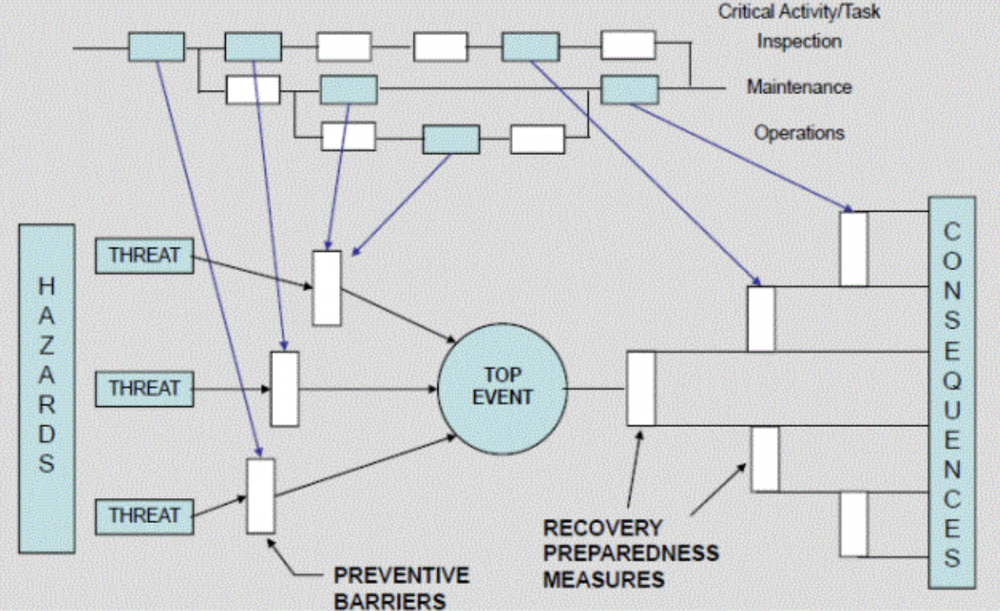
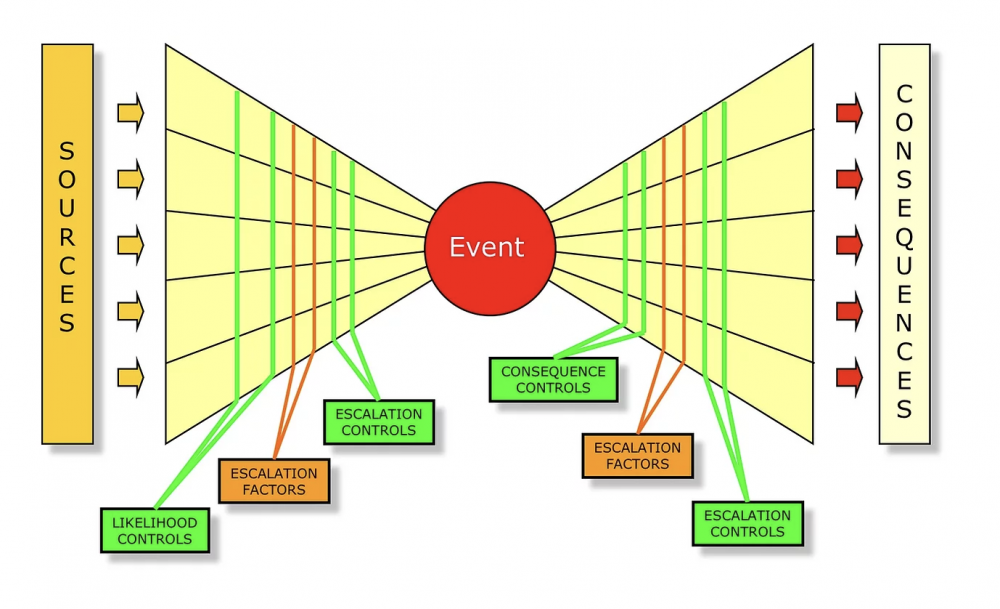
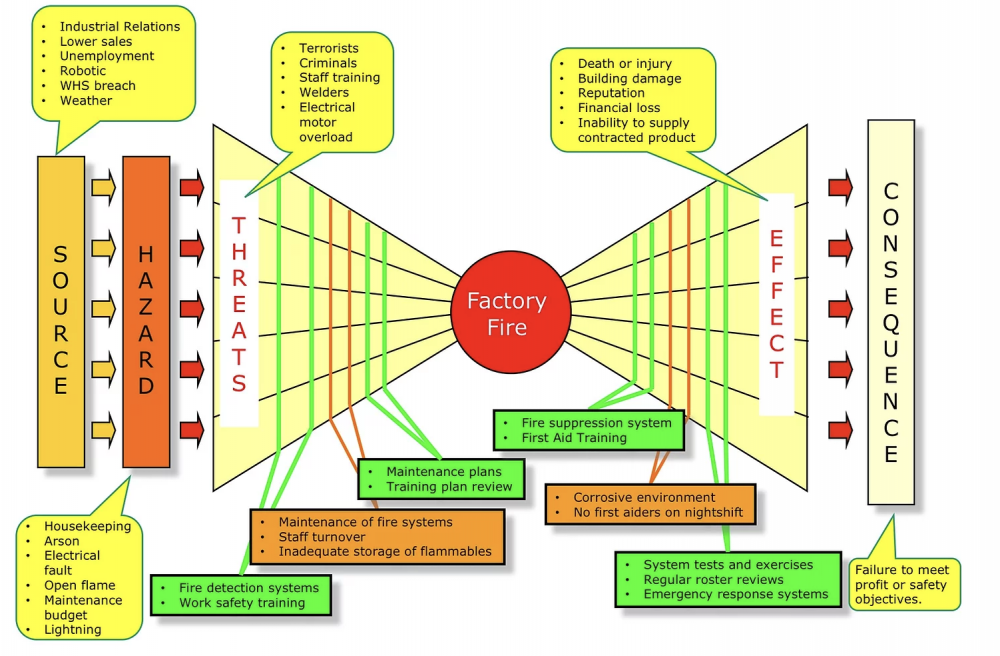
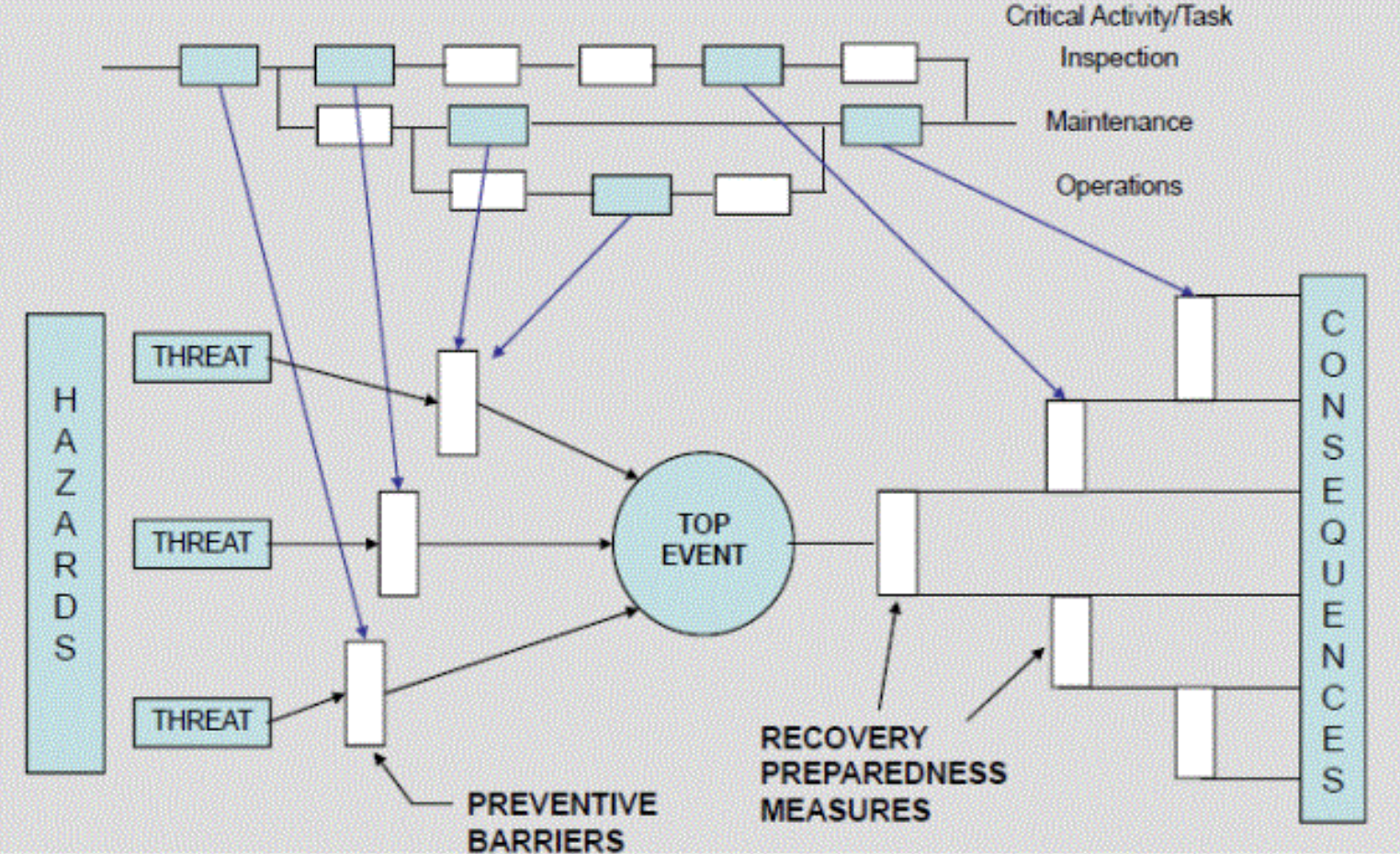
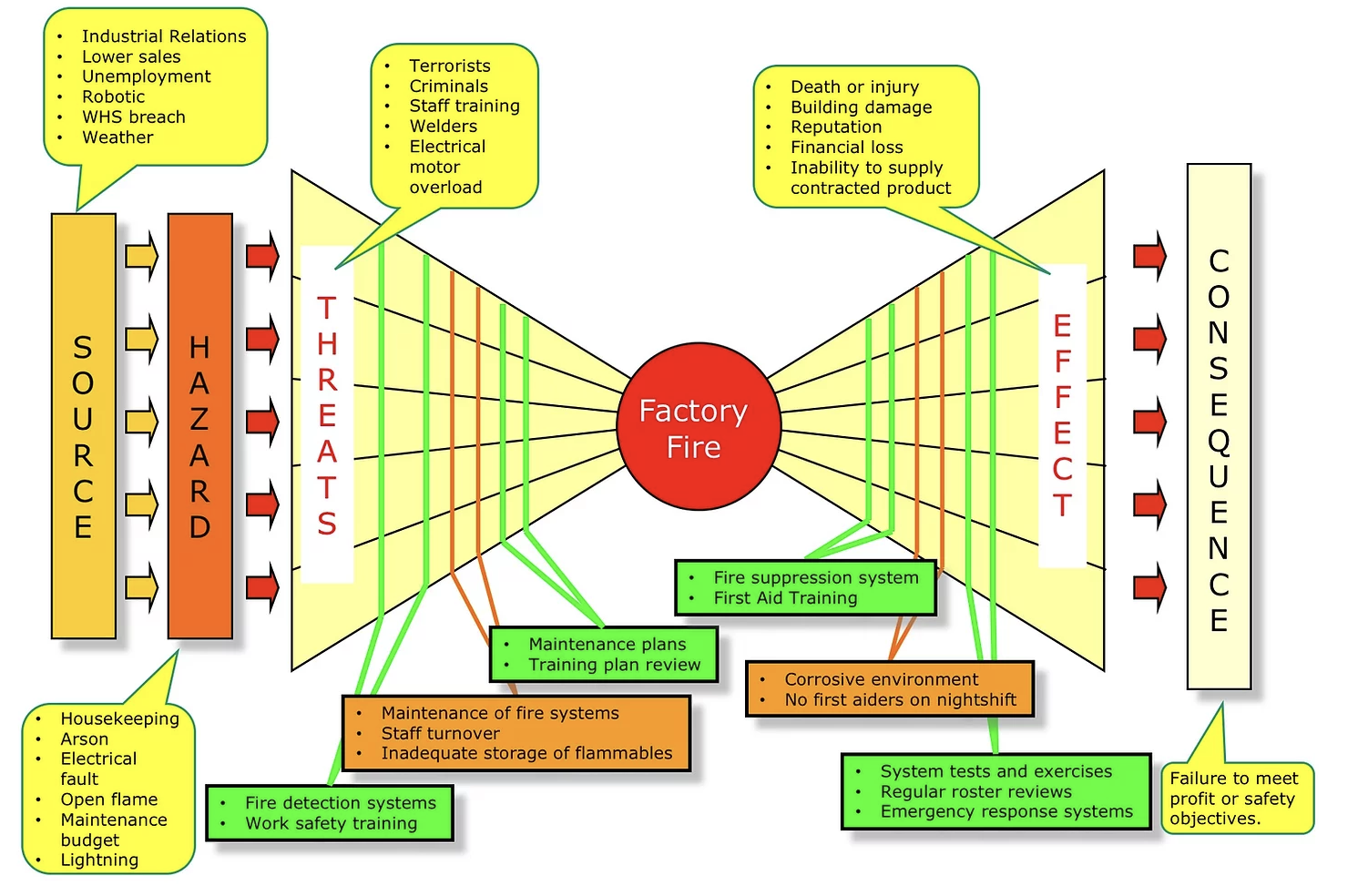
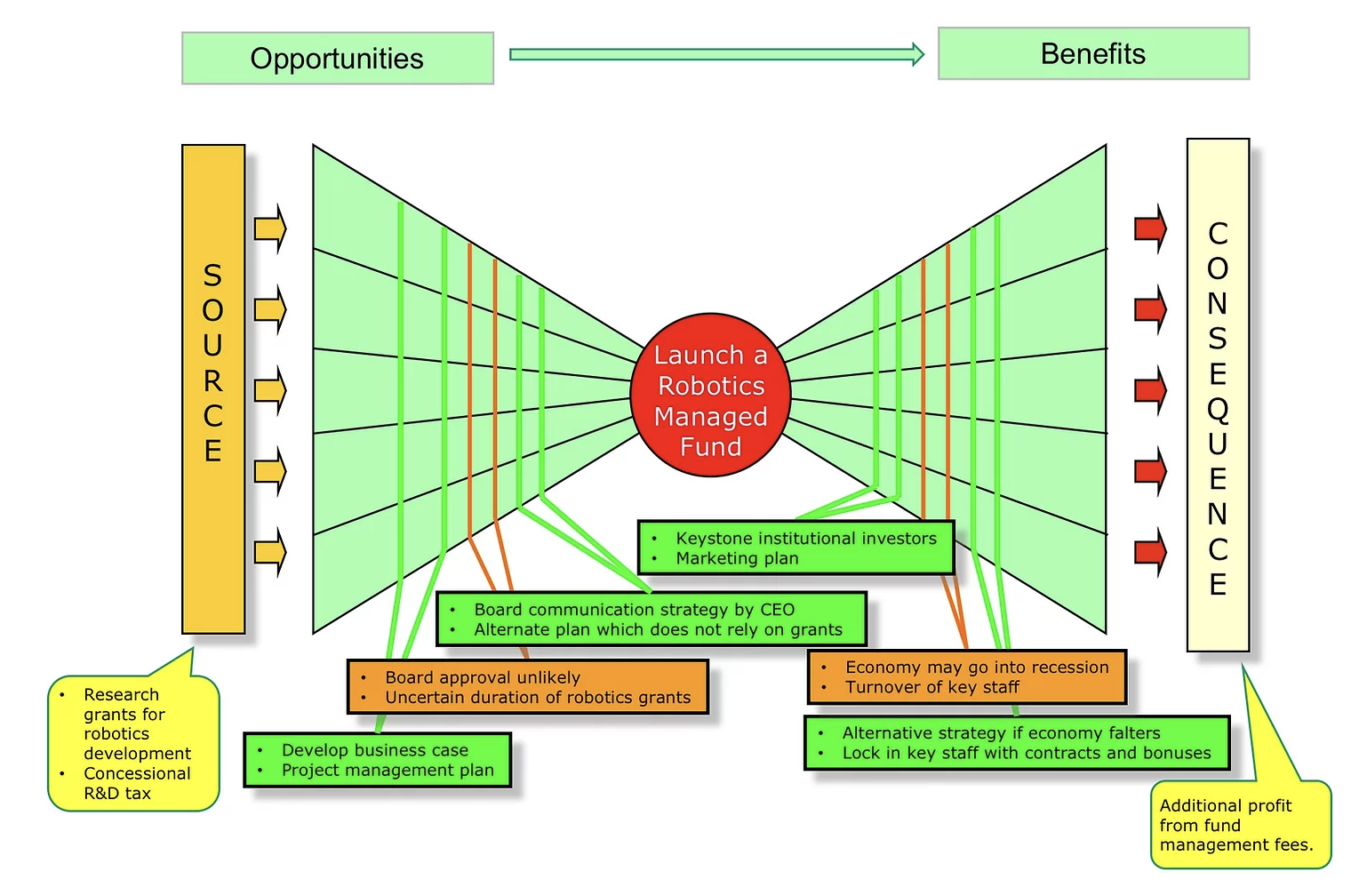
1 pointBowtie Analysis is used for risk assessment, risk management and risk communication. By using bowtie diagram we can visualise risk. It shows the causes and consequences of an event. More over the control measures to mitigate the risk is also shown on the diagram. Having potential causes and control barriers on one side and having potential outcomes and defense causes the other side of the hazardous event gives this analysis the shape of "Bow Tie". It simply combines Fault Tree (FT) and Event Tree (ET). Bow-tie Shape reference Bow-tie Modelling Examples: Factory Fire Bow-tie Example Financial Product Bow-tie Example Car Crash Bow-tie Example Bow-tie use cases: Risk Analysis Reliability Engineering Safety Assessment Mining FMEA use Cases: Chemical Aerospace Military Automobile Electrical Mechanical Large scale industries Difference between FMEA and Bowtie: FMEA is Bottom-up and Bowtie can be constructed using both bottom-up and top-down approach FMEA is quantitative whereas Bowtie is qualitative In general, risk analysis helps an organization to identify risks and potential threats to its internal operational processes and provides severity and likelihood of those occurrences. Below is the list of risk analysis methods and techniques. Qualitative: Bowtie Analysis Delphi Technique SWIFT Analysis Fly Analysis Risk Register Probability-Impact Matrix Risk Categorisation Expert Judgement Quantitative: Monte Carlo simulation Decision Tree Analysis Sensitivity Analysis Three-Point Estimation FMEA Scenario Analysis Latin Hyper Cube Simulation Conclusion: Even though there are many risk assessment methods like Bowtie, FTA, FMEA, etc., they focus with single threats and most of the time struggle to represent multiple simultaneous failures. FMEA systematically identifies the effects/consequence of Failure mode and used to remove/reduce the possibilities of failure and Bowtie, predominantly gives hazard insights and its management and helps to represent the influence of safety system on the shop floor accident scenario. Integrating them, both Bowtie and FMEA can be used together for hazard analysis and risk assessment. Detection rating and RPN calculation based on FMEA along with corrective measures to improvement RPN and subsequently using bowtie to identify safety critical barriers and associates actions can improve the effectiveness drastically.

 1 point


This leaderboard is set to Kolkata/GMT+05:30