


Vishwadeep Khatri
-
Joined
-
Last visited
Everything posted by Vishwadeep Khatri
-

From the album: Oct-Dec 2019
This is a group photo of batch of Lean Six Sigma Green Belt December 2019 conducted by Benchmark Six Sigma at Ahmedabad.© Benchmark Six Sigma
-
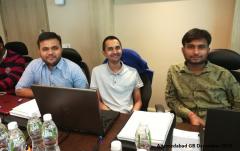
From the album: Oct-Dec 2019
This is a group photo of Quiz Contest Winner team from the batch of Lean Six Sigma Green Belt December 2019 conducted by Benchmark Six Sigma at Ahmedabad© Benchmark Six Sigma
-
Q 222. The "Will Rogers phenomenon" is obtained when moving an element from one set to another set increases the average of both the sets. What are the practical implications of this phenomenon in Business? How can it be used for business benefit? Note for website visitors - Two questions are asked every week on this platform. One on Tuesday and the other on Friday. All questions so far can be seen here - https://www.benchmarksixsigma.com/forum/lean-six-sigma-business-excellence-questions/ Please visit the forum home page at https://www.benchmarksixsigma.com/forum/ to respond to the latest question open till the next Tuesday/ Friday evening 5 PM as per Indian Standard Time The best answer is always shown at the top among responses and the author finds honorable mention in our Business Excellence dictionary at https://www.benchmarksixsigma.com/forum/business-excellence-dictionary-glossary/ along with the related term
-
Q 221. Internal Rate of Return (IRR), Net Present Value (NPV) and Return on Investment (ROI) are the most common financial metrics used for comparing investments and their value. Each metric provides a different perspective and hence one is preferred over the other. Compare their characteristics and highlight situations (for each) where one is preferred over the others. Note for website visitors - Two questions are asked every week on this platform. One on Tuesday and the other on Friday. All questions so far can be seen here - https://www.benchmarksixsigma.com/forum/lean-six-sigma-business-excellence-questions/ Please visit the forum home page at https://www.benchmarksixsigma.com/forum/ to respond to the latest question open till the next Tuesday/ Friday evening 5 PM as per Indian Standard Time The best answer is always shown at the top among responses and the author finds honorable mention in our Business Excellence dictionary at https://www.benchmarksixsigma.com/forum/business-excellence-dictionary-glossary/ along with the related term
-

From the album: Oct-Dec 2019
This is a group photo from the December batch of Lean Six Sigma Black Belt training conducted by Benchmark Six Sigma at Chennai.© Benchmark Six Sigma
-

From the album: Oct-Dec 2019
This is the group photo of Team 3 and the Quiz contest winners at the December 2019 Batch of Lean Six Sigma Black Belt conducted by Benchmark Six Sigma in Bangalore.© Benchmark Six Sigma
-
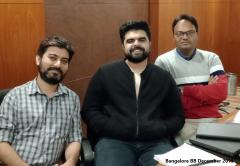
From the album: Oct-Dec 2019
This is the group photo of Team 1 at the December 2019 Batch of Lean Six Sigma Black Belt conducted by Benchmark Six Sigma in Bangalore.© Benchmark Six Sigma
-
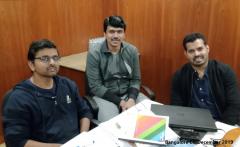
From the album: Oct-Dec 2019
This is the group photo of Team 2 at the December 2019 Batch of Lean Six Sigma Black Belt conducted by Benchmark Six Sigma in Bangalore.© Benchmark Six Sigma
-

From the album: Oct-Dec 2019
This is the group photo of the December 2019 Batch of Business Excellence Master Black Belt conducted by Benchmark Six Sigma in Delhi.© Benchmark Six Sigma
-
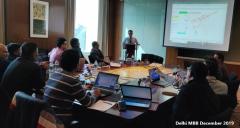
From the album: Oct-Dec 2019
This is a photo from the December 2019 Batch of Business Excellence Master Black Belt conducted by Benchmark Six Sigma in Delhi.© Benchmark Six Sigma
-
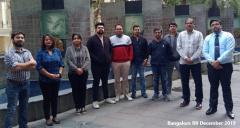
From the album: Oct-Dec 2019
This is the group photo of the December 2019 Batch of Lean Six Sigma Black Belt conducted by Benchmark Six Sigma in Bangalore.© Benchmark Six Sigma
-
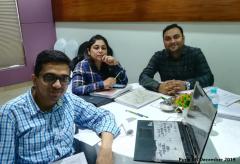
From the album: Oct-Dec 2019
This is the group photo of Team 1 from the December 2019 Batch of Lean Six Sigma Black Belt conducted by Benchmark Six Sigma in Pune.© Benchmark Six Sigma
-
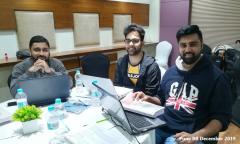
From the album: Oct-Dec 2019
This is the group photo of Team 2 from the December 2019 Batch of Lean Six Sigma Black Belt conducted by Benchmark Six Sigma in Pune.© Benchmark Six Sigma
-
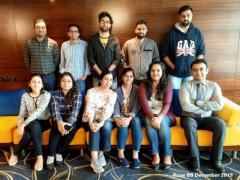
From the album: Oct-Dec 2019
This is the group photo of the December 2019 Batch of Lean Six Sigma Black Belt conducted by Benchmark Six Sigma in Pune.© Benchmark Six Sigma
-

From the album: Oct-Dec 2019
This is the group photo of TEam that won the Quiz Contest for the December 2019 Batch of Lean Six Sigma Black Belt conducted by Benchmark Six Sigma in Pune.© Benchmark Six Sigma
-
Vishwadeep Khatri replied to Vishwadeep Khatri's topic in We ask and you answer! The best answer wins!Whether we want to improve mean or reduce variation first is entirely dependent on the expectations from process, the current situation and the cost-benefit analysis. Let us see some scenarios - If specification limits are one sided and shift in mean is easier and cheaper, it makes sense to shift mean. If specification width (tolerance) is small, it will make sense to reduce variation first as just the shift of mean will not provide a consistent outcome over time. If specification width (tolerance) is large, shifting mean (if feasible and low cost) may be sufficient and reducing varion may not be needed.
-
Q 220. We are in the Fourth Industrial Revolution (Industry 4.0). What are the main characteristics or components of it? Note for website visitors - Two questions are asked every week on this platform. One on Tuesday and the other on Friday. All questions so far can be seen here - https://www.benchmarksixsigma.com/forum/lean-six-sigma-business-excellence-questions/ Please visit the forum home page at https://www.benchmarksixsigma.com/forum/ to respond to the latest question open till the next Tuesday/ Friday evening 5 PM as per Indian Standard Time. The best answer is always shown at the top among responses and the author finds honorable mention in our Business Excellence dictionary at https://www.benchmarksixsigma.com/forum/business-excellence-dictionary-glossary/ along with the related term.
-
Q 219. Six Sigma helps us improve the process either by reducing the variation and/or improving the mean. Is it mandatory to first reduce variation and then improve the mean? Support your answers with examples Note for website visitors - Two questions are asked every week on this platform. One on Tuesday and the other on Friday. All questions so far can be seen here - https://www.benchmarksixsigma.com/forum/lean-six-sigma-business-excellence-questions/ Please visit the forum home page at https://www.benchmarksixsigma.com/forum/ to respond to the latest question open till the next Tuesday/ Friday evening 5 PM as per Indian Standard Time. The best answer is always shown at the top among responses and the author finds honorable mention in our Business Excellence dictionary at https://www.benchmarksixsigma.com/forum/business-excellence-dictionary-glossary/ along with the related term.
-
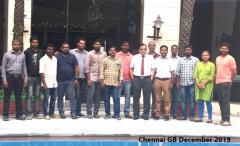
From the album: Oct-Dec 2019
This is a group photo of the Green Belt workshop conducted in Chennai Batch in December 2019.© Benchmark Six Sigma
-
Vishwadeep Khatri replied to Vishwadeep Khatri's topic in We ask and you answer! The best answer wins!Correct answers by Jaishree, Kiran Kumar, Praful, and Saravanan. Saravanan's answer has been selected as the winner as it explains all the components very well and also mentions the applicability correctly. Well written, Saravanan! Please have a look at Benchmark expert view by Venugopal as well.
-
Q 218. Both Burn Up and Burn Down charts are used to track and communicate the progress of the project. Compare the two and provide examples of situations where one is preferred over the other? Note for website visitors - Two questions are asked every week on this platform. One on Tuesday and the other on Friday. All questions so far can be seen here - https://www.benchmarksixsigma.com/forum/lean-six-sigma-business-excellence-questions/ Please visit the forum home page at https://www.benchmarksixsigma.com/forum/ to respond to the latest question open till the next Tuesday/ Friday evening 5 PM as per Indian Standard Time. The best answer is always shown at the top among responses and the author finds honorable mention in our Business Excellence dictionary at https://www.benchmarksixsigma.com/forum/business-excellence-dictionary-glossary/ along with the related term.
-
Vishwadeep Khatri replied to Vishwadeep Khatri's topic in We ask and you answer! The best answer wins!Congrats to Ram, Pavan, and Rajesh for excellent answers. The winer is R Rajesh because of his comprehensive coverage of failures and best practices.
-
Q 217. Explain Bathtub Curve and its utility in reliability engineering. Is this concept applicable for all products? Note for website visitors - Two questions are asked every week on this platform. One on Tuesday and the other on Friday. All questions so far can be seen here - https://www.benchmarksixsigma.com/forum/lean-six-sigma-business-excellence-questions/ Please visit the forum home page at https://www.benchmarksixsigma.com/forum/ to respond to the latest question open till the next Tuesday/ Friday evening 5 PM as per Indian Standard Time. The best answer is always shown at the top among responses and the author finds honorable mention in our Business Excellence dictionary at https://www.benchmarksixsigma.com/forum/business-excellence-dictionary-glossary/ along with the related term.
-
.jpg.9a91f9154fe0621d5ccf411765be078e.jpg)
From the album: Oct-Dec 2019
This is a group photo team 4 at Mumbai Green Belt December 2019 Batch.© Benchmark Six Sigma
-
.jpg.c559401f6c656eedaa3872461410c076.jpg)
From the album: Oct-Dec 2019
This is a group photo team 1 at Mumbai Green Belt December 2019 Batch.© Benchmark Six Sigma
