

Topics
-
Fifty-five women engineering students completed an AI bootcamp focused on rural Karnataka. Participants developed AI-based solutions after visiting villages and conducting field interviews. The She Innovates bootcamp partnered with several organizations to achieve its goals. This initiative aims to boost women's participation in AI and entrepreneurship. It encourages AI applications for rural development and community-focused sectors. View the full article
-
Besi's quarterly orders more than doubled, fueled by AI and hybrid bonding technology. The company saw increased customer adoption of its advanced chip packaging solutions. Demand for AI applications continues to drive growth in data centers. Besi anticipates revenue growth between ten and fifteen percent. This strong performance aligns with other semiconductor sector reports. View the full article



Leaderboard
-
Vishwadeep Khatri
Administrators1Points6,722Posts -
Mohamed Asif Abdul Hameed
Fraternity Members1Points78Posts -
AmitKumar
Lean Six Sigma Black Belt1Points11Posts -
Abhishek Chaudhary
Lean Six Sigma Black Belt1Points16Posts



Popular Content
Showing content with the highest reputation on 09/17/2021 in Posts
-
1 pointQ 402. What is the RICE scoring method used by product managers to prioritize the features or initiatives in product development? Elaborate its 4 components with an example. Note for website visitors - Two questions are asked every week on this platform. One on Tuesday and the other on Friday. All questions so far can be seen here - https://www.benchmarksixsigma.com/forum/lean-six-sigma-business-excellence-questions/ Please visit the forum home page at https://www.benchmarksixsigma.com/forum/ to respond to the latest question open till the next Tuesday/ Friday evening 5 PM as per Indian Standard Time. Questions launched on Tuesdays are open till Friday and questions launched on Friday are open till Tuesday. When you respond to this question, your answer will not be visible till it is reviewed. Only non-plagiarised (plagiarism below 5-10%) responses will be approved. If you have doubts about plagiarism, please check your answer with a plagiarism checker tool like https://smallseotools.com/plagiarism-checker/ before submitting. The best answer is always shown at the top among responses and the author finds honorable mention in our Business Excellence dictionary at https://www.benchmarksixsigma.com/forum/business-excellence-dictionary-glossary/ along with the related term1 point
-
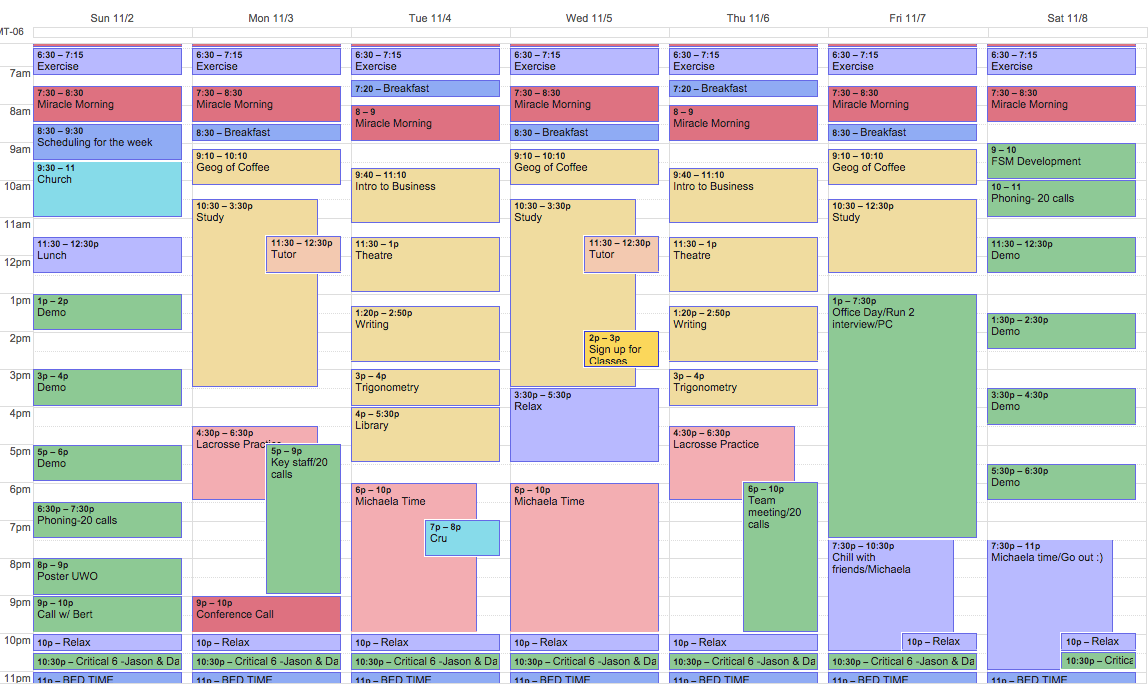
1 pointTime management is one of the essentials to stress-free living in modern times. Timeboxing is one of the several time management strategies in use to increase productivity such as Time blocking, Pomodoro method, Eat the Frog, Pareto principle, Getting Things Done (GTD). All of these primarily are tools to make the most of available time and achieve the set goals be they organizational or even individual goals. Timeboxing, creates a visual and realistic deadline to ensure that work gets completed. In Pomodoro, work is addressed within short time frames with breaks between working sessions, Timeboxing only allots the time and the work to a unit. However, one can move a step up from Timeboxing to Promodora. An “Eisenhower Matrix” may be performed to distinguish between tasks that are most urgent, not urgent, most important, and not important. The Pickle Jar Theory serves as a visual to set priorities by determining what is important and what is not important. From here one may move on to attacking the important and onerous jobs before settling down to less complex and easy ones as is done in” Eat the Frog” strategy. Often Timeboxing may not necessarily specify the types of tasks to time frame, they do provide the initial impetus and one may do a Pareto and get the easy ones out of the way. This is a great booster and it gives a feeling of accomplishment but one may not feel so, unless the timeboxing initiates the Pareto. Timeboxing does not however do not block-off related work from the set periods in the calendar this is done in Time blocking. Timeboxing is performed before employing Parkinson’s law. After allotting a time box for a particular task, divide them up by the amount of time it takes to complete them. Thereafter allot only half that time to complete each task ensuring it is completed within the deadline. Timeboxing also the is the first step before implementing Tony Robbins' Rapid Planning Method (RPM), which is a way of conditioning the brain to stay focused on the goal set. Benefits of using Timeboxing It helps the team to know how much time is left for a task's completion and clearly displays progress to the entire team throughout the life of the task. It gives a bird’ eye view of work on a calendar in relation to other tasks and objectives as it takes into consideration the amount of time needed to complete all steps for a particular work item. As the tasks are broken down into chewable bites it gives a feeling of manageability, keeping teams focused on the right priorities. Its visual nature tells the team their respective tasks, any potential delays or barriers that must be tackled. An overabundance of review meetings are avoided as it proves stakeholders and executive sponsors up to date on project status without the need to schedule. Disadvantages of Timeboxing Quality may sometimes be sacrificed due to the high priority placed on reaching deadlines. It is time-consuming to make lists and plans and is not flexible. It can be stressful when deadlines set are not met and it may be difficult to stick to plans needing a steep learning curve. References https://projectlifemastery.com/plan-your-day/ https://www.lifehack.org/articles/featured/how-to-use-parkinsons-law-to-your-advantage.html https://slab.com/blog/eisenhower-matrix/ https://upraise.io/blog/timeboxing-increases-productivity/1 point
-
1 pointTime boxing is one of the principles followed in Agile way of working where a fixed timespan is allocated to perform a specific activity and integrate each time blocks in the entire schedule e.g 10 minutes allocated to any standup call or huddle. It is used in Agile project management activity Time boxing would eliminate the option of choice to have idle time, also limited time would end up having more focused attention. Scheduling the time in the daily planner (at activity level) or in the diary would help organize the available time appropriately such that all the events are taken care of and handled well. We should not overschedule the day, only timebox basis the available time How should we timebox…We should answer the following questions A) Schedule the action 1)What is the action 2)How much time it will take 3)Expected output and when it should be expected Activity 1)List of action 2)How long you will take to do the action 3)Output C) Check output 1)Is the action complete? If yes check the output, if no, specify reason why incomplete? 2)Check the output is as desired? 3)Note the learning from the exercise Timeboxing is predominantly used in Scrums during software development Time boxing exercise can be effectively implemented using few instructions Sr.No Instruction Description 1 Control over time If during discussion completing the action is priority – the organizer of the meeting should allow completing the action-Soft time shift If during discussion the action can be stopped, and discussion can be moved to next important action-the organizer can opt for the shift – Hard time shift 2 Time tracker Usage of time tracker like stopwatch or timer etc. to ensure timeboxed action would ensure clear communication timely 3 Planning Proper schedule of time per action or topic would help proper planning of the content to be completed timely. It also enables preparation and focus on relevant action 4 End to end Min & Max time Announce the total available time for action/content to get completed timely. This would enable creative ways in which completion of action. Max time length would ensure proper project management 5 Pauses Timely pause and restart (Breaks) would lead to improved outcome for specific actions hence timeboxed announcement of breaktime would be essential 6 Identified action One should have clear identification of the time boxed action. Some actions need longer time box requirement than the other, hence appropriate time trigger would lead to smooth completion of action 7 Closing time Announcement of “Time is up” as indicator would have completion of the time boxed exercise. Such indicator should be at each activity level and for entire action also. Proper timeboxing would ensure a) Timely announcement of result/outcome b) Focus on relevant action c) To the point discussion d) Progress which can be measured e) Creatively and innovatively managing the action f) Proper planning of further to do list during the day, time of which can be predictable1 point
-
1 pointTimeboxing is a very famous & popular technique for time management exercise, which can help to take better planning & control over member’s schedule. In general terms, It means that plan your time for each activity in advance to avoid any gap in the schedule of all planned activity. Timeboxing Benefits: It helps members to set strict limits on specific area of the project. This in turn organize team member in adequate manner for specific task completion activity. It helps member to keep laser focused approach on the prime deliverables. This helps in achieving the assigned outcome in less timeframe that results in less costs and increased revenue for the organization. It helps in increasing the productivity and efficiency for the process as well. It’s helps in reducing over-processing waste also.1 point
-
1 pointTimeboxing a project management technique in which a Fixed and Maximum time (Time Box) is allotted for a particular activity and that activity will be completed within that time frame. It is simple but very strong tool for time management in project. It is focused on time rather than activity. At the end of every timebox progress is reviewed and actions are taken accordingly. Benefit: Timeboxing is a great tool for sticking to the deadlines. Time limit enforce people to be more focus towards finishing and prioritizing their work. Drawback: This method might be a good management tool but creative people might find it hard. Some people might find it hard to stop working on thing in which they are focused on and start working on something new.1 point
-
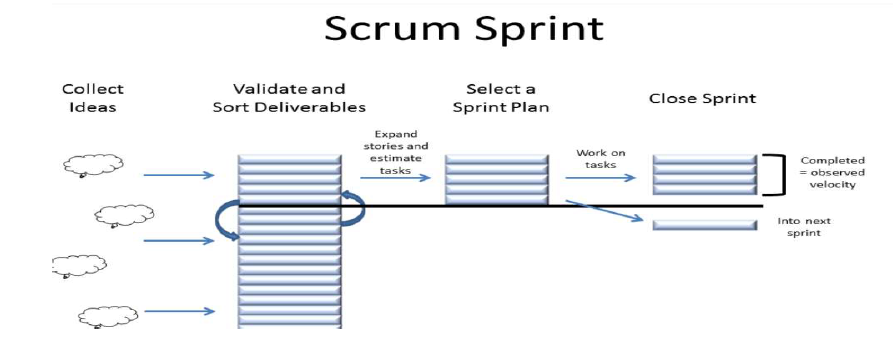
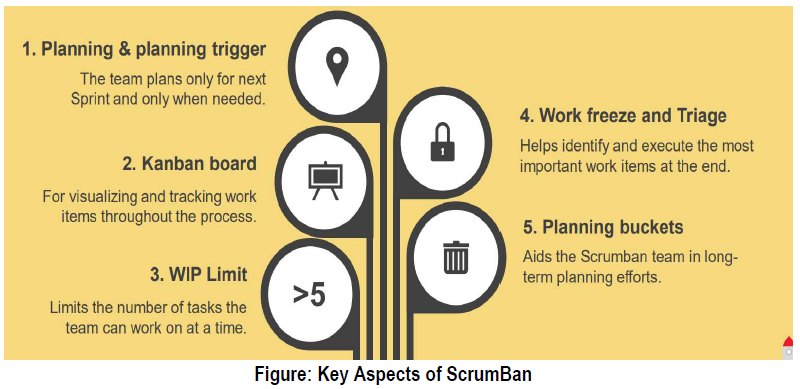
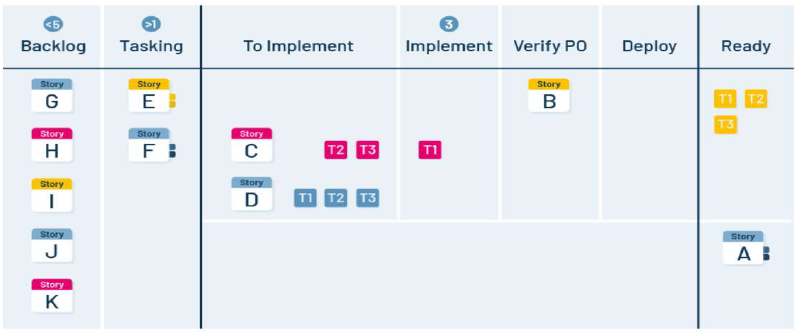
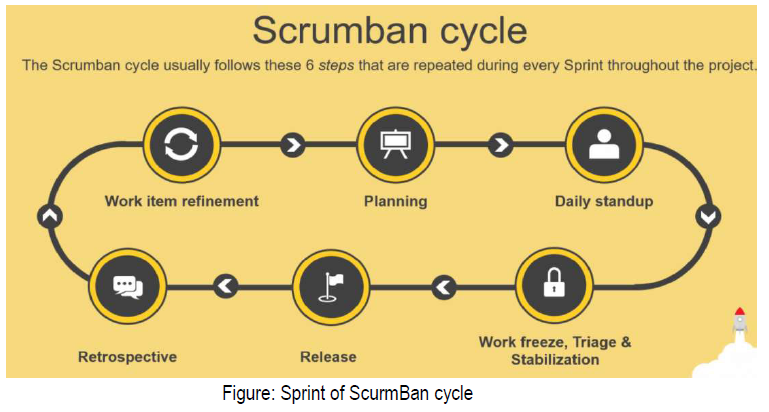
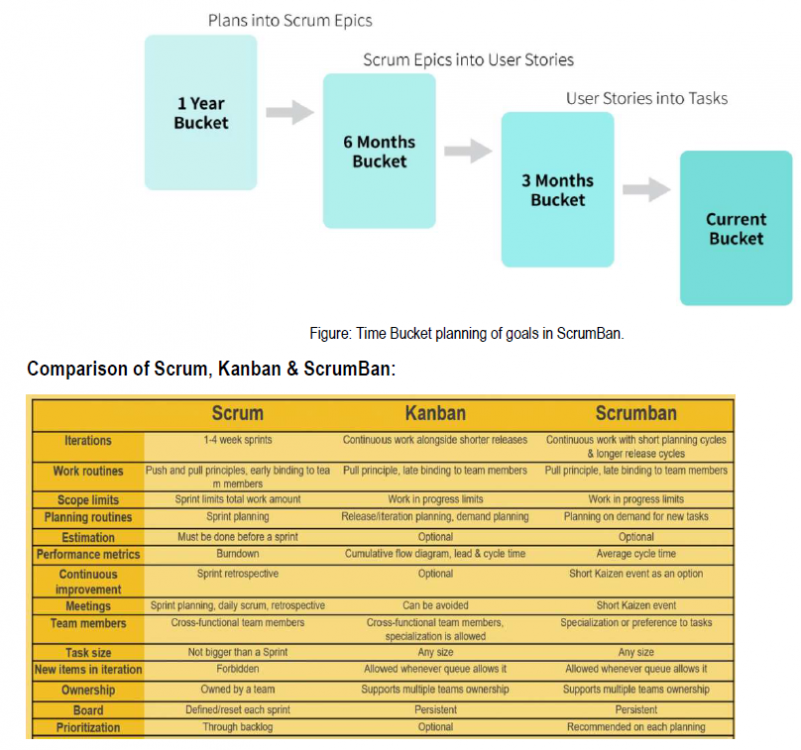
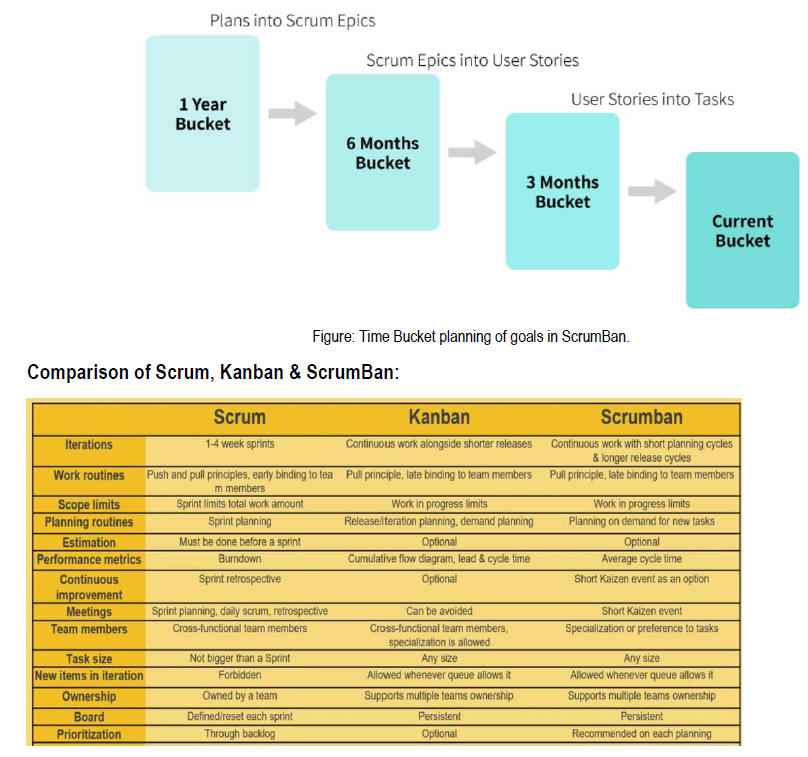
1 pointTime Boxing in Agile Project Management Time Box is a very important principle in Agile Project Management world. In Agile practice , there is a fixed time box or time limit for every activity but scope is not fixed which in contrast with the traditional project management methodologies where time and scope is usually fixed. Scrum and Kanban are popular among many Agile practices. Scrum is the most popular prescriptive agile framework relies heavily on the concept of time box. Key strength of Scrum are i) fixed requirement ii) Deadline (Time box) where Kanban believes on continuous flow having several other advantages are WIP, flexibility. Both Scrum and Kanban has certain limitations. Mr. Corey Ladas invented ScrumBan methodology in 2008 by amalgamating the iteration based structure (Time Boxed) of Scrum with focus on work in progress and continuous flow of Kanban. Time allotted for each event in Agile projects of 1-week sprint. (Maximum length of sprint is 4- Week) Events Time hours/week Sprint Planning 2 hr Standup meeting 1hr 20 min Development Activity 35 hr Sprint Review 1 hr Sprint Retrospective 40 min Table: Example of 1- Week Sprint Some advantages of Time Box: i) Enforce prioritization ii) Focus and creates sense of urgency iii) Enforcing transparency iv) Creates development rhythm & increase productivity v) Drilling down the important task that will save time, money & resources. Challenges in Time Box: Scrum works terrifically for small to medium size teams (Team Size 10 or fewer sprint length 1- Week to maximum 4- week). But large enterprise projects with the goal of consistently delivering customer demand with expectations for example of a product unit of a 150 people or business unit of 600 to 1500 people or more the Time Box strategy breaks down. Quality sometimes sacrificed due to high priority placed in achieving deadlines (Time Box). Moreover, when comes creative development or innovative activities the Time Box may not work well. Also, the time box approach is inherently fragile in large scale due to high complexity and dependency related project. Beside the team level Scrum, Kanban system is used throughout the most popular and successful scale agile framework (SAFe) including the team, program, solutions and portfolio Kanban system. Each Kanban system helps to improve the flow of value through continuous delivery pipeline in cadence. All teams (Scrum & Kanban) have a synchronized Tact/Sprint Duration. SAFe framework suggests a program increment (PI) period of 5 sprints and has a duration of 10 Weeks (Time Box). ScrumBan: ScrumBan team employ Scrum as their chosen way of working but use Kanban to view and understand work flow and continuously improve their process. Iterations in ScrumBan occurred as continuous work with short planning cycles & longer release cycles. Tasks are taken up using the “PULL” principle from the backlog items on the ScrumBan board. Figure: ScrumBan Board Once all current backlogs are done and backlog columns are empty, then there is a trigger for the next planning. So planning can happened on demand as needed. ScrumBan Cycle of Sprint in Project Management: ScrumBan Cycle usually follows below steps during every sprint throughout the project Time Bucket Size Planning in ScrumBan: One important feature is that ScrumBan users have the ability to long term plan instead of focusing on current situation. At the end, Time Boxing, a key component of Agile project management methodology and becoming the prime project management practices day by day. Many successful projects are executing on this concept and quickly gaining skyrocketing popularity over traditional project management methodology due to its agility and quick time to market. Also, improves measurable productivity and creates a self-organized cross functional team working environment that energize the team to do their best work and improves the overall business agility,

 1 point
 -
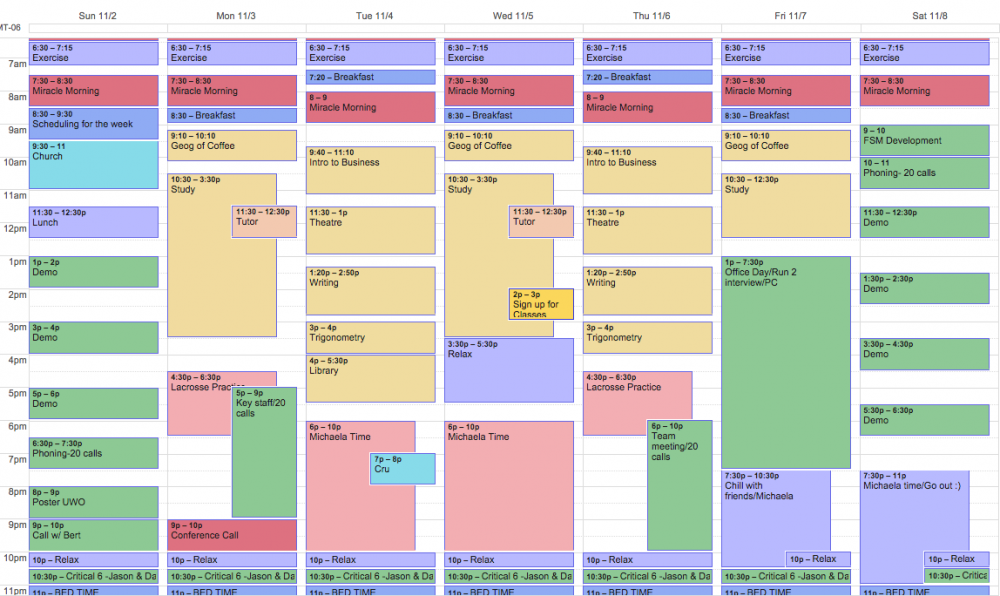
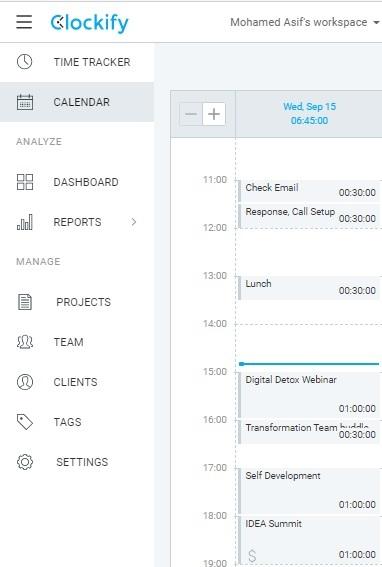
1 pointTime Boxing or Time Blocking is a time management tool/technique conceptualized by James Martin in his book “Rapid Application Development”, as a part of agile software development. Elon Musk further mastered and used this time management technique as a secret weapon for his success. This method is practiced by setting fixed amount of time for the required task and fitting the resulting time blocks into the schedule. In simple words, while planning, you try to estimate the time required to complete the task and place it in your schedule. Like that of Planning poker agile estimation technique. I use clockify desktop and mobile application, which has outlook integration feature, helps in planning my day better with improved productivity. Typical Reference: We allocate time for a planned task and work on the activity during the fixed time and end the activity once the time is up, post which assessing and reviewing the progress of the task on the completeness. As this is time bound, it helps in effective planning and completing the activity within the planned time. Thus ensuring, not over utilize time which is not required for the activity. Vital point over here is that, we will be able to protect our schedule against unnecessary intruders. However, at the same time we can review and modify the time plan on the go. Steps in Time boxing Technique: 1. Finding the task/activity 2. Defining Goal – DoD (Definition of Done) 3. Estimate and set the time 4. Work on the activity 5. Assess results and outcome 6. Claim your reward Time bound makes us more disciplined, by setting a firm deadline for the activities, we are essentially limiting the time, that we spend on it right from initiation of the activity. Benefits of Timeboxing: We are forced to work on unpleasant tasks We will spend less/fixed time on tasks We will work on tasks that are “too short” We will work on tasks that are “too long” We will stop being a perfectionist It boosts our motivation It creates a balance in our life Tips for Timeboxing: Determine the maximum timebox time Better Focus – No multitask at focused time Take breaks as an when necessary. Back to Back to Back meetings – Drains creativity Differentiate hard and soft timeboxes. Hard timeboxes are one-time activity, which doesn’t require follow up time Soft timeboxes involve larger tasks, getting broken down to smaller sub tasks and that would require follow ups Make time visual, to keep track of minutes Closing with Harvey’s Quote on using time wisely:
 1 point
 -
1 pointTimeboxing is the technique used to accomplish the task/project/activity by allocating a specific time for a task and completing that activity within the predefined time limits. Rather than the traditional method of Project Management where the projects are planned in advance and the scope is predefined rather than the time,In Timeboxing one can decide what to be delivered within the prefixed time and can work accordingly without compromising the quality. Timeboxing helps to ensure the completion of tasks in an iterative fashion.Here the single project can be divided into many individual timeboxes and can be tracked separately at each activity level. Many Agile nature projects are using this timeboxing technic and also there is an argument that this technic to be used only when the Customer agrees to cut some of the features (cutting may or may not be required) without compromising the quality.1 point



This leaderboard is set to Kolkata/GMT+05:30