Vishwadeep Khatri
Administrators
-
Joined
-
Last visited
Everything posted by Vishwadeep Khatri
-
Prime Minister Narendra Modi met with top AI CEOs and experts today. He emphasised ethical AI use and data security. The meeting aimed to boost India's AI mission. CEOs expressed support for AI self-sufficiency. The Prime Minister urged embracing new technology for national growth. He highlighted India's potential in AI, drawing parallels with UPI's success. View the full article

-
India lacks startups focused on organising AI training data, leaving much of its vast data potential unused, the Economic Survey says. It suggests India should avoid costly frontier models and instead build smaller, practical AI tools for specific sectors. This bottom-up approach could widen participation and strengthen India’s AI ecosystem. View the full article

-
The document highlighted supply-side constraints, noting that even if sovereign or domestic financial institutions are willing to back data centre expansion, such plans could be stalled if essential hardware supplies cannot be secured from international markets. View the full article

-
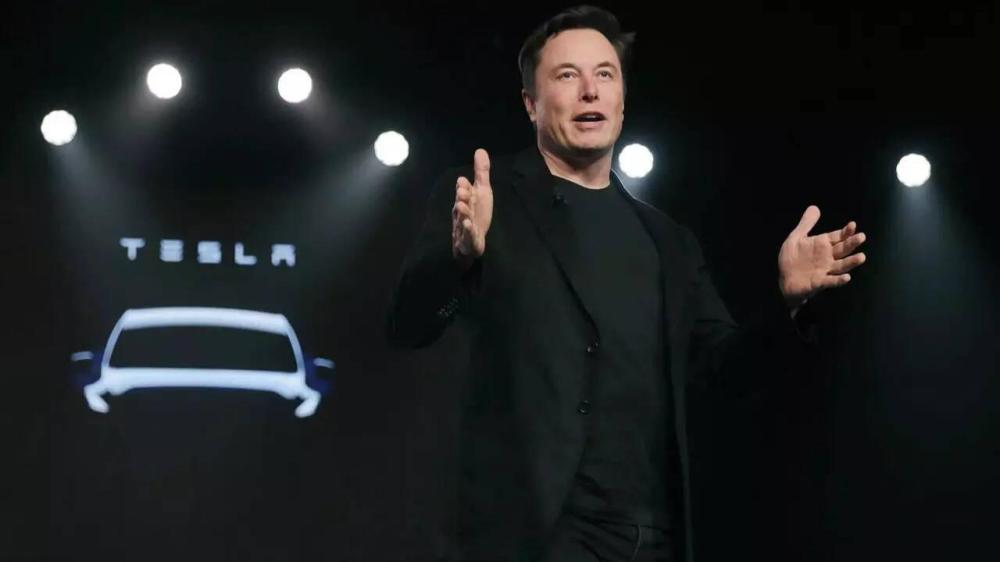
The capital expenditure plans laid out Wednesday – roughly twice as much as Wall Street was expecting – will support production expansion at multiple factories, scaling up the nascent robotaxi business and building out AI infrastructure. Tesla also revealed plans to discontinue the Model S and X vehicles and devote that plant capacity to building Optimus humanoid robots. View the full article
-
DeepSeek shook markets early last year with a set of AI models that rivaled some of the best offerings from the United States but were developed with far less computing power, fuelling concerns in Washington that China could catch up with the U.S. in AI despite U.S. restrictions on the sale of high-powered computing chips to China. View the full article
-
The results underscore the strong pricing power of the world's top memory chipmaker, with its profit growth set to accelerate this quarter. View the full article
-
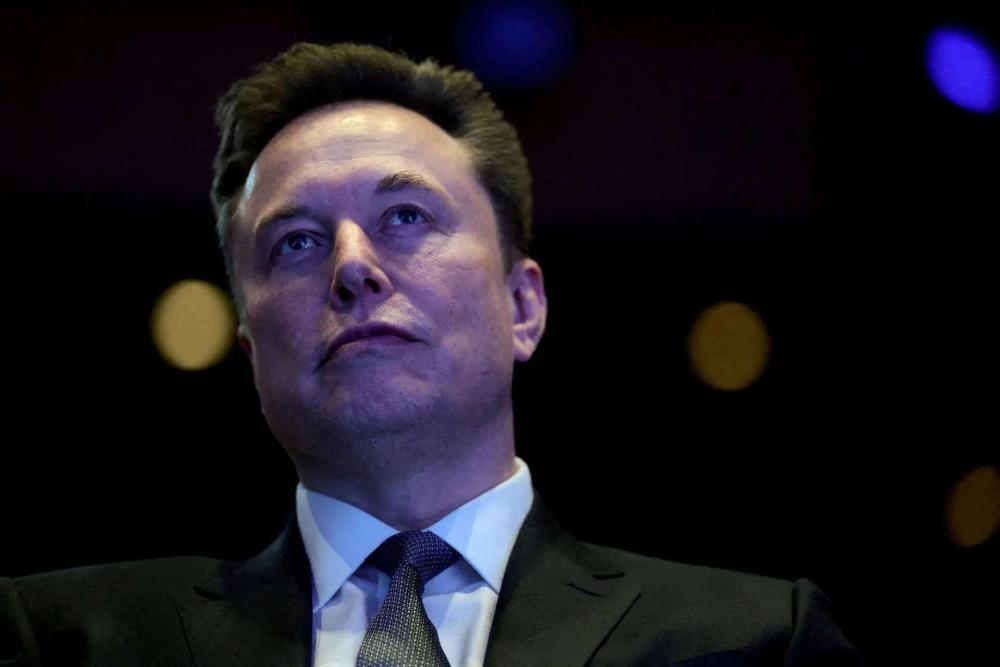
The news supported Musk's plan to pivot Tesla from an electric vehicle maker to an AI company, which is key to the company's roughly $1.5 trillion valuation, while reassurance of production plans is critical for investor confidence as Tesla has repeatedly fallen short of promises made by Musk. View the full article
-
In January Bolna AI, a Y-Combinator startup, raised $6.3 million, Ringg AI raised 5.5 million and ArrowHead raised $3 million, with Voice AI startups such as Navana AI, Vaani AI and JobsUPI are looking to raise funds, founders told ET. View the full article

-
Britain's competition watchdog wants Google to let news sites choose if their content feeds AI. This aims to boost competition in the UK search market. Google's AI summaries have reduced traffic to news articles. The watchdog also wants Google to be transparent and cite sources. Fair search result ranking and easier search engine switching are also proposed. View the full article
-
Artificial Intelligence (AI) is a disruptive technology and will replace a lot of repetitive jobs, but will also create new opportunities and India has to be prepared for this realignment, the government's top science advisor said. View the full article

-
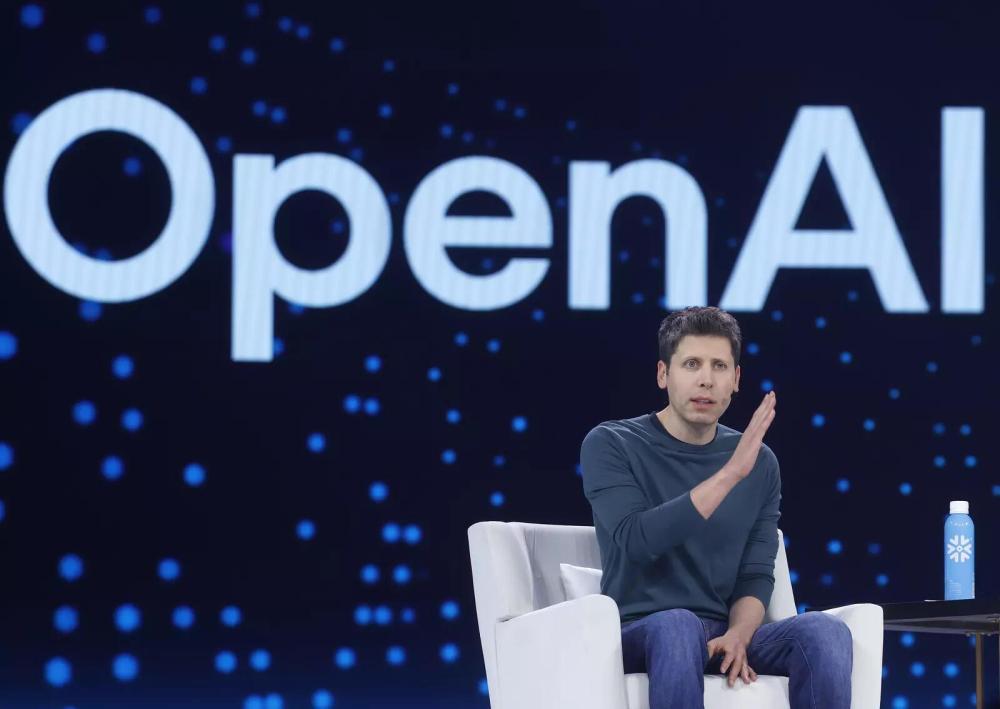
OpenAI on Tuesday announced Prism, a free, AI-native workspace designed to transform how scientists write, collaborate, and prepare research for publication, integrating its latest reasoning model, GPT-5.2, directly into the scientific workflow. View the full article
-
Underscoring the growing importance of AI-driven demand to TI's finances, CEO Haviv Ilan said in a post-earnings call on Tuesday that the company would now begin breaking out sales to the data center end-market in its results. Revenue in the data center segment grew 70% in the December quarter, Ilan said, adding that the segment constituted 9% of total sales in 2025. View the full article

-
More than 100 Indian AI founders have moved or are preparing to move to the US, drawn by closer access to customers, capital and the most advanced artificial intelligence ecosystems, despite talk of a reverse brain drain. Composio, Meetstream.ai, Smallest.ai, Beatoven.ai and GetCrux are among startups that have moved base to the US over the past couple of years, while several others are in the process of relocating, investors and founders told ET. View the full article

-
India is well placed to lead global AI adoption, backed by a large developer base, growing startups, and nearly 800 million internet users, Meta’s Sandhya Devanathan said. She said that the country is central to Meta’s vision for product development and business solutions. She expects an increase in the real-world impact generated by Indian AI startups in 2026. View the full article

-
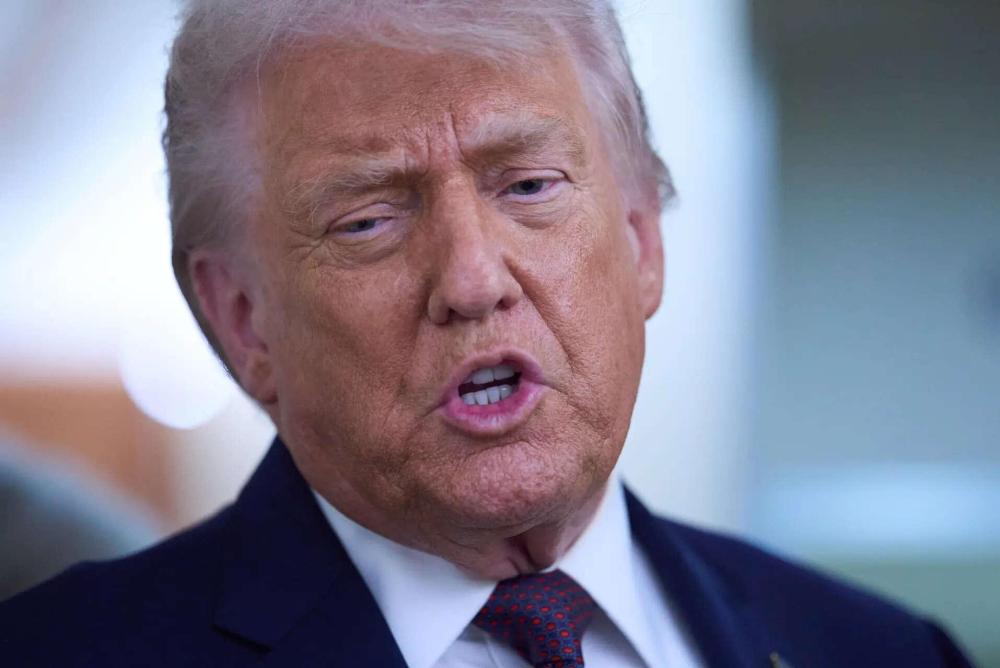
The Trump administration has not shied away from sharing AI-generated imagery online, embracing cartoon-like visuals and memes and promoting them on official White House channels. In response to criticism of the edited image of Levy Armstrong, White House officials doubled down on the post, with deputy communications director Kaelan Dorr writing on X that the "memes will continue". View the full article
-
Cloudflare shares surged about 14% premarket on Tuesday as social media buzz around the "Clawdbot" AI agent rekindled investor enthusiasm for the company's tools that help run the technology. View the full article
-
Clawdbot is an open-source agentic AI assistant that runs locally on users’ computers. Created by PSPDFKit founder Peter Steinberger, this does not merely work as a chatbot, but also takes actions on a user’s behalf such as monitoring emails and calendars, managing files, etc. View the full article
-
Q841 In Lean Six Sigma, decisions are traditionally driven by validated data, statistical hypothesis testing, confidence intervals, and cause–effect verification. With AI now surfacing correlations, predictions, and recommendations — often without transparent statistical logic — MBBs face a new challenge: what evidence is “good enough” to act on?Think of a specific Lean Six Sigma project in your domain where AI could be used for analysis or prediction. How should an MBB treat AI-generated insights when it comes to: Forming or testing hypotheses Establishing statistical confidence Assessing data quality and credibility Where should AI insights accelerate decisions, and where must traditional statistical validation still be non-negotiable? ⚠️ Any answer that is generic or does not connect with a specific LSS project or dataset will not be approved. 🏆 The best answer will be selected on the basis of: Depth of understanding of LSS statistics and hypothesis testing Clarity in distinguishing correlation, prediction, and causation Practical judgment in balancing AI insights with statistical rigor Note for website visitors— This platform hosts two weekly questions, one on Monday and the other on Thursday. All previous questions can be found here: https://www.benchmarksixsigma.com/forum/lean-six-sigma-business-excellence-questions/. To participate in the current question, please visit the forum homepage at https://www.benchmarksixsigma.com/forum/. The question will be open until Tuesday or Friday at 9:00 AM Indian Standard Time, depending on the launch day. Responses will not be visible until they are reviewed, and only non-plagiarised answers with less than 5-10% plagiarism will be considered for winner selection. If you are unsure about plagiarism, please verify your answer using a plagiarism checker tool such as https://smallseotools.com/plagiarism-checker/ before submitting. All correct answers shall be published, and the top-rated answer will be displayed first. The author will receive an honourable mention in our Business Excellence dictionary at https://www.benchmarksixsigma.com/forum/business-excellence-dictionary-glossary/ along with the related term. Some people seem to be using AI platforms to find forum answers. This is a risky approach, as AI responses are error-prone because our questions are application-oriented (they are never straightforward). Please take a moment to review this amusing example—https://www.benchmarksixsigma.com/forum/topic/39458-using-ai-to-respond-to-forum-questions/ We also use an AI content detector at https://app.originality.ai/. Only answers with less than 45-50% AI-generated content will be considered for approval.
-
EU competition regulators will give guidance on how Google must share its search data and AI tools with rivals under new digital rules. The move aims to stop Google using its size to gain an unfair advantage. Google says it already complies but warns extra rules could harm privacy, security and innovation. View the full article
-
The UK financial watchdog began a review on Tuesday to look at how advanced AI is affecting retail financial markets and consumers. View the full article

-
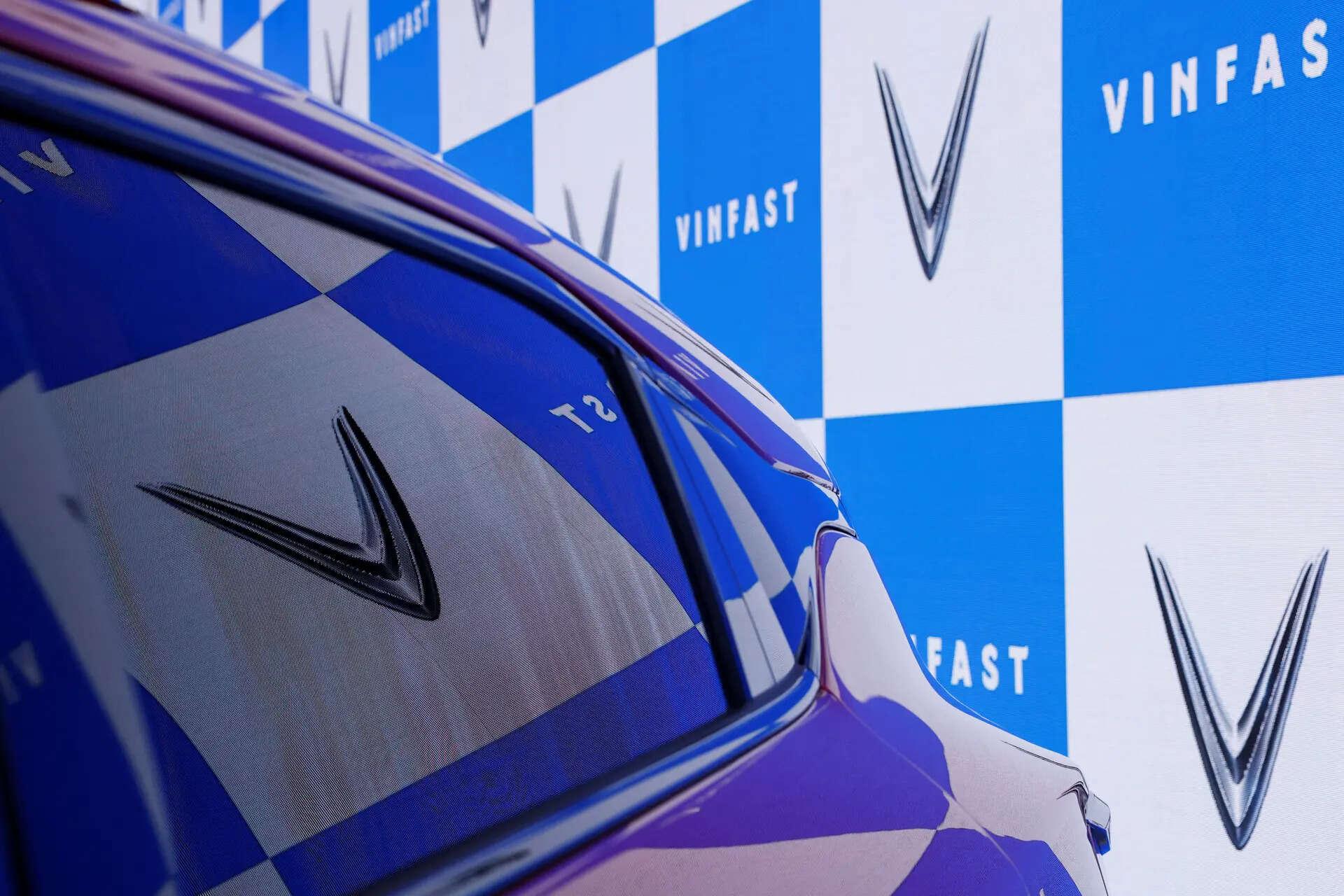
Vietnamese electric car maker VinFast said Tuesday it would partner with Israeli AI firm Autobrains to upgrade its autonomous driving technology and launch a lower-cost "robo-car" system. Last month, Japan's Nissan said it would integrate AI-powered systems made by autonomous driving firm Wayve into vehicles. bur-tym/sjc/dan View the full article
-
In a newly released 38-page essay titled 'The Adolescence of Technology', Amodei argued that the most effective way to understand the scale of the challenge is to imagine that a “literal ‘country of geniuses’ were to materialize somewhere in the world in ~2027.” He had written about this in his previous essay, Machines of Loving Grace, as well. View the full article
-
Vishwadeep Khatri replied to Vishwadeep Khatri's topic in We ask and you answer! The best answer wins!🏆 Best Answer: Adil Khan Outstanding depth and clarity. A sharply defined MRO TAT initiative with explicit AI vs human ownership across DMAIC, strong safety/compliance boundaries, and measurable results. ✅ Approved: Ankit Kulkarni Strong master-data initiative. Clear DMAIC framing with AI accelerating Measure & Analyze, while humans retained engineering, risk, and governance ownership. ✅ Approved: Dipali Yadav Very strong initiative. Thoughtful reinterpretation of Define and Measure using AI, with clear human judgment retained for prioritization and solution selection. ✅ Approved: Suman Acharjee Specific and well-structured solar efficiency case. Good articulation of where AI strengthens DMAIC and where certification, CTQs, and FMEA remain human-led. ✅ Approved: Bharath CN Detailed yield improvement initiative with solid DMAIC rigor. AI linkage is lighter but still relevant and contextually sound. ✅ Approved: Abhinandan Kunder Clear OEE improvement initiative. Practical distinction between AI-driven analysis speed and human-led feasibility and trade-off decisions. ✅ Approved: Smitha Muralidharan Focused, real initiative on AI-enabled drafting. Strong Control and governance thinking with appropriate human safeguards. ✅ Approved: Rabiya Bronekar Clear DSAT-mining initiative with measurable impact. Acceptable use of AI within DMAIC, though articulation could be sharp 🟡 Approved (Conditional): Taby Sheikh Strong conceptual reinterpretation of DMAIC with AI, but next time I expect one clearly defined improvement initiative instead of multiple illustrative examples. 🟡 Approved (Conditional): Vijay Gonsalves Correct direction and a relevant claims example. Next time, I expect tighter scoping with one concrete initiative. 🟡 Approved (Conditional): Vijay Yivaturi High effort and rich context, but too broad. Next time, focus on one initiative. 🟡 Approved (Conditional): Domz D Framework is valid but generic. Next time, I expect your actual process and initiative, not a generalized walkthrough. 🟡 Approved (Conditional): Aditya Bhavsar Good intent, but generic. Next time, provide a specific initiative using AI. 🟡 Approved (Conditional): Aloke Biswas Directionally right for ITIL/service desk, but still high-level. Next time, I expect one sharply defined initiative with concrete metrics and AI usage.
-
The document, which will also introduce support measures for key industries and employment groups, will be released by the human resources ministry. View the full article

-
Defense lawyer Rishi Nathwani, who holds the prestigious legal title of King's Counsel, took "full responsibility" for filing incorrect information in submissions in the case of a teenager charged with murder, according to court documents seen by The Associated Press on Friday. View the full article