Vishwadeep Khatri
Administrators
-
Joined
-
Last visited
Everything posted by Vishwadeep Khatri
-
The Pentagon is pushing the top AI companies including OpenAI and Anthropic to make their artificial-intelligence tools available on classified networks without many of the standard restrictions that the companies apply to users. View the full article
-
Anthropic on Wednesday announced initiatives to limit the impact of data centers on consumer energy prices amid increased investment in power-hungry infrastructure necessary for AI tech. View the full article
-
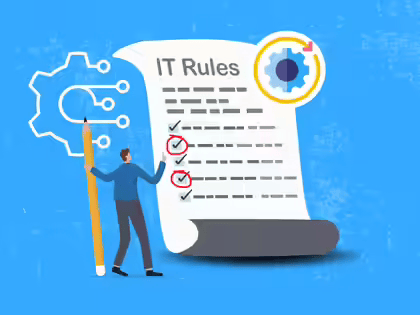
The latest IT rules in India now bring artificial intelligence under legal oversight for the first time. Intermediaries must act faster to remove flagged unlawful content, including deepfakes targeting women and children. The amendments also introduce a labelling mandate for AI-generated audio, visual, or audio-visual content. View the full article
-
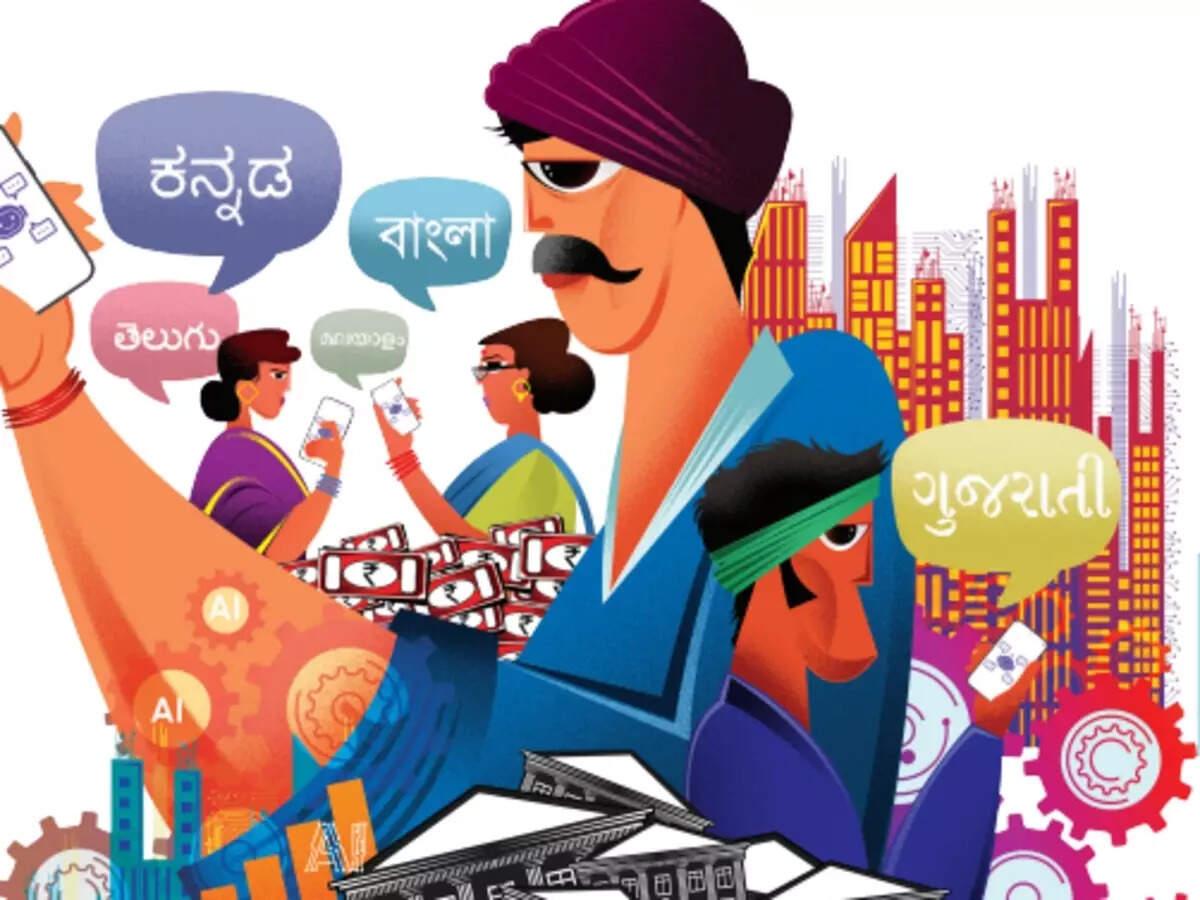
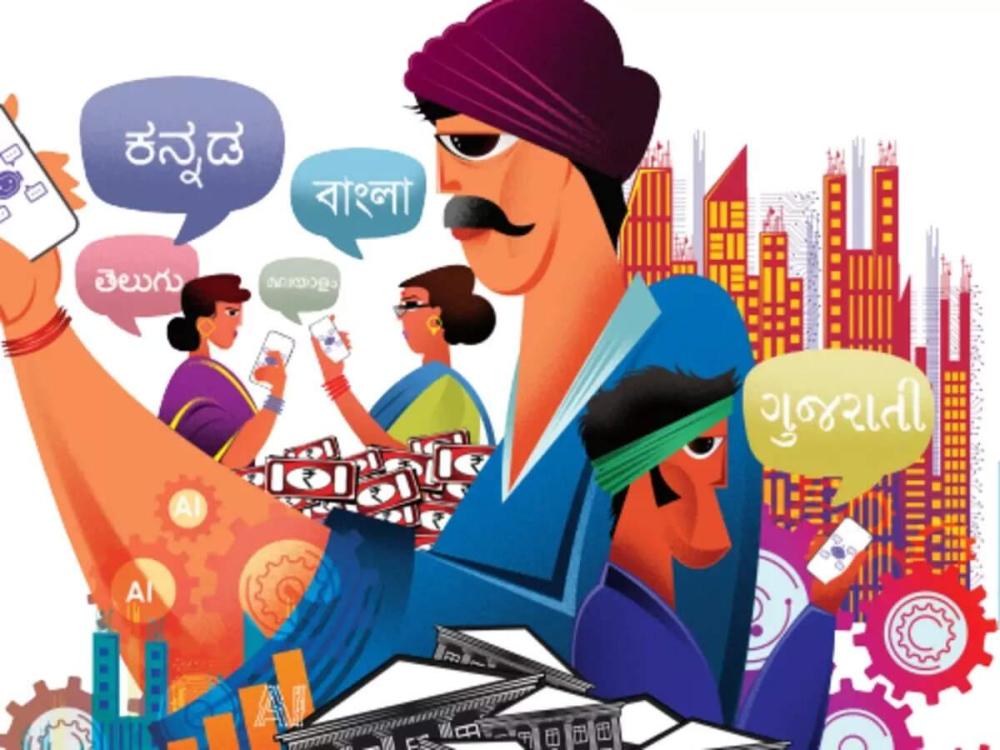
As digital services reach deeper into tier-II and III cities, and rural India, companies are rethinking text-heavy and English-first systems in favour of voice-led and Indic-language AI. View the full article
-
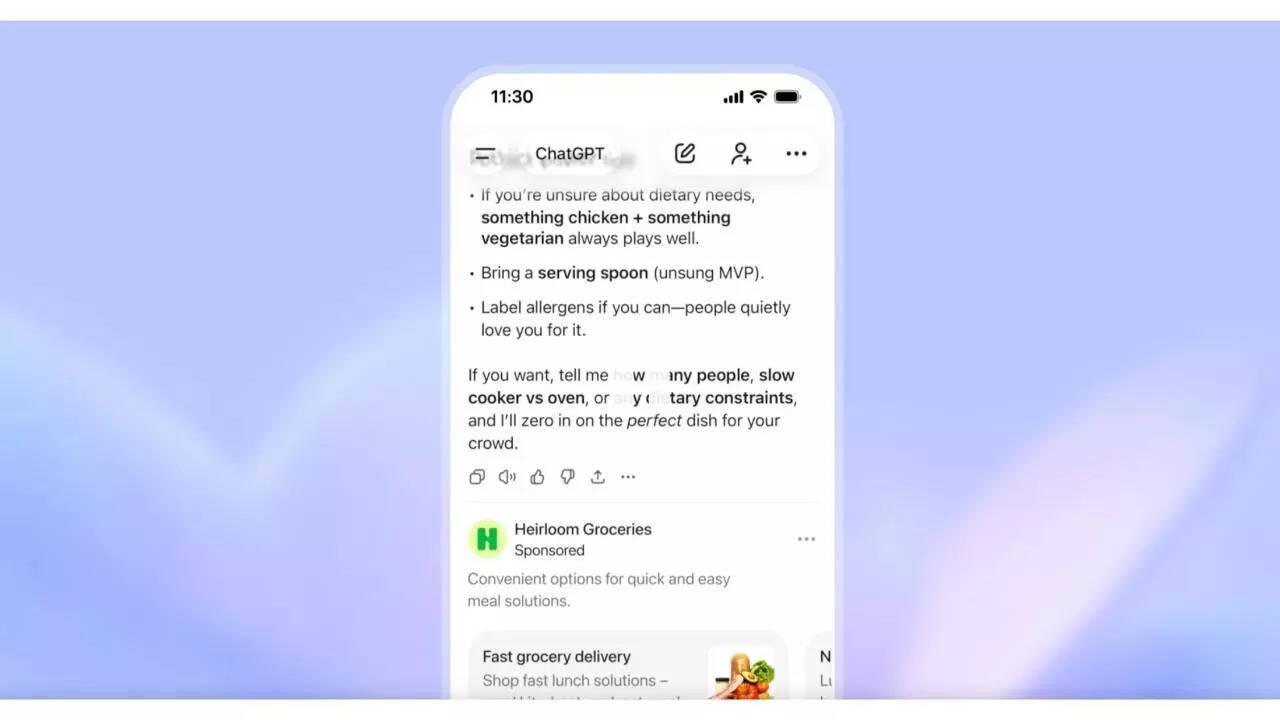
OpenAI, once opposed to ads in ChatGPT, has begun introducing them amid mounting financial pressure. Facing huge computing costs and competition, the company seeks new revenue through advertising and enterprise sales, despite risks to user trust and market position. View the full article

-
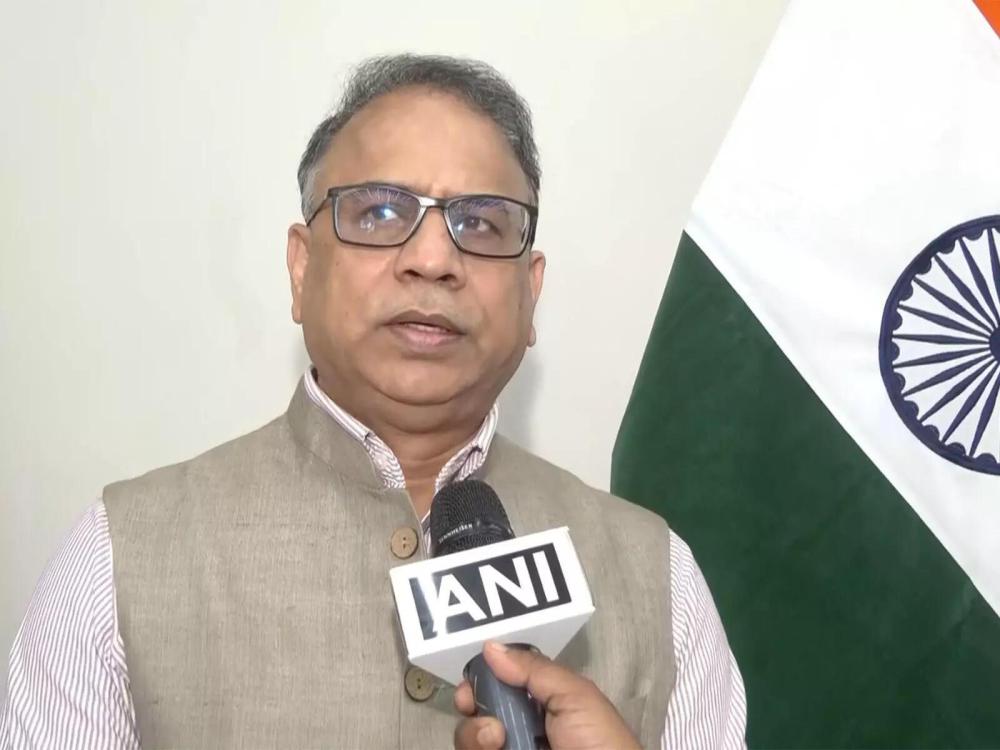
The project follows a strategic proposal from Sarvam AI, a leading Indian startup, which plans to invest approximately Rs 20,000 crore ($2.3 billion) to set up the hub. This facility will serve as a cornerstone for the state's digital transformation, transitioning Odisha from its traditional roots in mining and metals toward a technology-driven future. View the full article
-
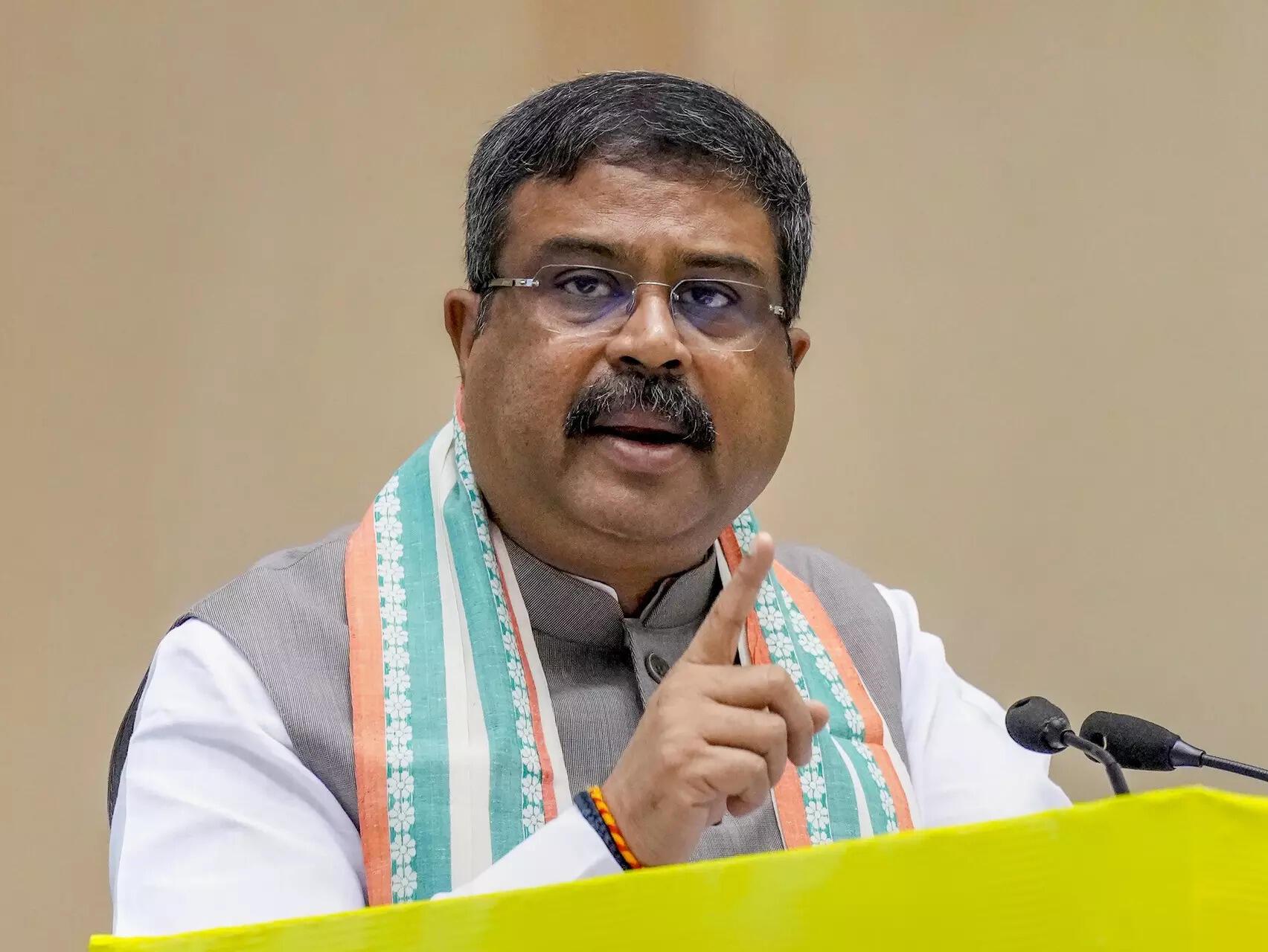
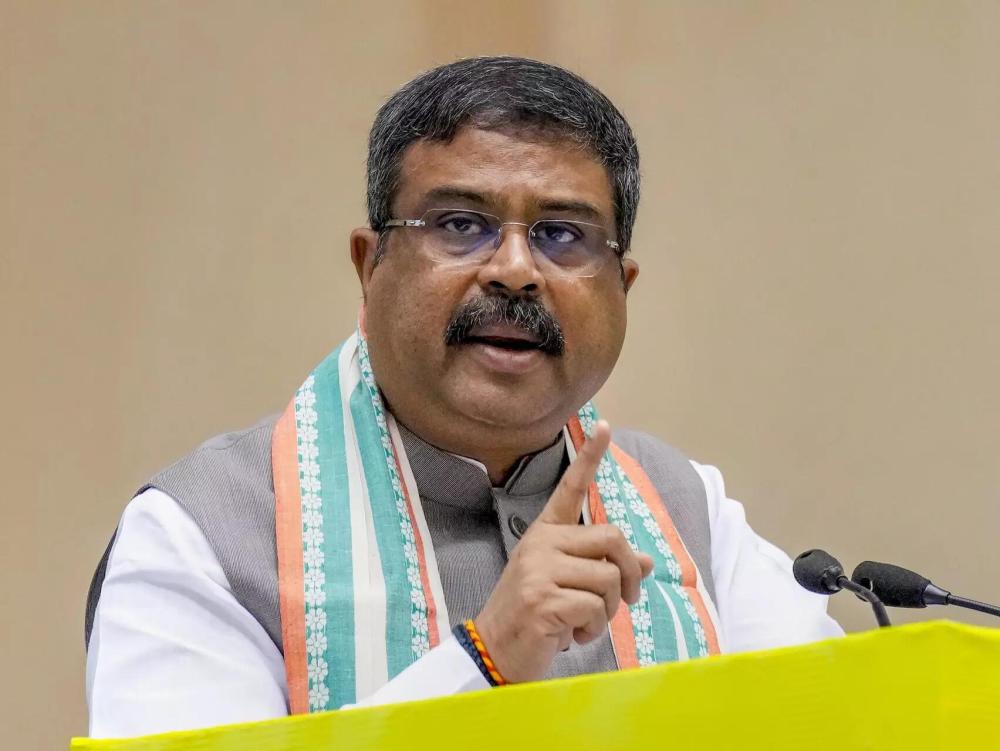
Union Minister Dharmendra Pradhan met with edtech startup founders. They discussed using Artificial Intelligence to improve India's education system. This aligns with the National Education Policy 2020. The goal is to enhance learning outcomes and provide affordable, equitable skilling. Insights from this meeting will shape future policy discussions at upcoming AI events. View the full article
-
Zhipu is considered one of China's "AI tigers" - a group of promising AI startups in the country vying with the United States to lead the development of this frontier technology. Zhipu went public on the Hong Kong Stock Exchange last month, alongside rival MiniMax, another AI tiger. View the full article

-
French AI firm Mistral AI is investing 1.2 billion euros in new data centres in Sweden. This significant investment aims to build independent AI capabilities within Europe. The new infrastructure will support Mistral's advanced AI models. View the full article
-
View the full article
-
Q845In AI-assisted processes, there will be moments when: A team ignores the AI’s recommendation and later discovers the AI was right. The team follows the AI’s recommendation and later finds it was flawed. These moments are not just operational events — they are powerful learning opportunities. Think of a specific process in your domain where AI provides recommendations. How should teams systematically learn from such cases? What questions should be asked, and how should those insights improve both human judgment and the AI system itself? ⚠️ Any answer that is generic or does not connect with a specific process will not be approved. 🏆 The best answer will be selected on the basis of: Relevance and clarity of the chosen process Depth of insight into learning from divergence Practicality of the feedback and improvement approach Note for website visitors— This platform hosts two weekly questions, one on Monday and the other on Thursday. All previous questions can be found here: https://www.benchmarksixsigma.com/forum/lean-six-sigma-business-excellence-questions/. To participate in the current question, please visit the forum homepage at https://www.benchmarksixsigma.com/forum/. The question will be open until Tuesday or Friday at 9:00 AM Indian Standard Time, depending on the launch day. Responses will not be visible until they are reviewed, and only non-plagiarised answers with less than 5-10% plagiarism will be considered for winner selection. If you are unsure about plagiarism, please verify your answer using a plagiarism checker tool such as https://smallseotools.com/plagiarism-checker/ before submitting. All correct answers shall be published, and the top-rated answer will be displayed first. The author will receive an honourable mention in our Business Excellence dictionary at https://www.benchmarksixsigma.com/forum/business-excellence-dictionary-glossary/ along with the related term. Some people seem to be using AI platforms to find forum answers. This is a risky approach, as AI responses are error-prone because our questions are application-oriented (they are never straightforward). Please take a moment to review this amusing example—https://www.benchmarksixsigma.com/forum/topic/39458-using-ai-to-respond-to-forum-questions/ We also use an AI content detector at https://app.originality.ai/. Only answers with less than 45-50% AI-generated content will be considered for approval.
-
ByteDance aims to receive sample chips by end-March, they said. The company plans to produce at least 100,000 units of the chip, designed for AI inference tasks, this year, according to one of the sources and another person. One of the sources said Bytedance is looking to progressively ramp production to up to 350,000 units. View the full article
-
Chandrika Krishnamurthy Tandon, a distinguished philanthropist and Grammy-award winning artist, described efforts of Prime Minister Narendra Modi and his government to prioritise AI as "stunningly impressive." View the full article

-
Vishwadeep Khatri replied to Vishwadeep Khatri's topic in We ask and you answer! The best answer wins!🏆 Best AnswerTaby Sheikh This is the most complete and mature response among the human-written submissions. Strong domain anchoring (BPO escalation), clear split between “followed vs ignored” scenarios, and a practical accountability framework (decision rights + audit trail + calibration loop). The response also correctly highlights that accountability must be designed upfront, not debated after failure — which is the core of this question. ✅ Approved ✅ ApprovedBharath CN Very strong real-world depth in a high-risk manufacturing environment (air separation). The response stands out for process realism: operator involvement, risk analysis, SOP updates, MOC, action logs, and clear override logic (manual takeover during noise / instability). Excellent governance thinking. Suman Acharjee Strong manufacturing framing with governance logic done properly. Clear distinction between process owner vs operator accountability, and a good use of “validation + confidence + pilot scale” thinking. Also gives realistic consequences (small batch vs catastrophic scale-up). Aditya Bhavsar 45 Clear, concise, and correctly framed: AI as assistant/junior editor, humans retain judgement and responsibility. Not as structured as the best answers, but the principle is correct and well communicated. Vijay Yivaturi Very strong real-world case with high operational credibility. The answer is anchored in a real process (tax payment processing), clearly shows both failure modes (followed vs ignored), and most importantly explains why the failure occurred (override allowed without revalidation). The impact is quantified and believable. Excellent end-to-end accountability framing across developer + end user + leadership. iambpawan Strong ITSM example with crisp, practical logic. The response is clear about what the AI cannot know (business context), and correctly assigns accountability to the analyst when they blindly follow or ignore high-confidence recommendations. The “gross negligence” framing for security override is strong and realistic. 🟡 Conditionally Approved (Good intent, but does not meet the “specific process” requirement and does not answer both scenarios properly.) Dhruva Kapur The answer is largely conceptual and generic. It discusses RACI and AI accountability philosophically, but does not connect to a specific process or provide an actionable structure for preventing blame/confusion. ❌ Not Evaluated (AI Content)Kush Singh Preethi Bijesh Jinad_Padiyath _tPv5 Himanshu_Lohani_WpY8 Ankit Kulkarni vijay gonsalves
-
The Financial Times reported that Ba's resignation followed tensions within its technical team over demands to improve its AI model performance as Musk pushes to catch up to rivals such as OpenAI and Anthropic. View the full article
-
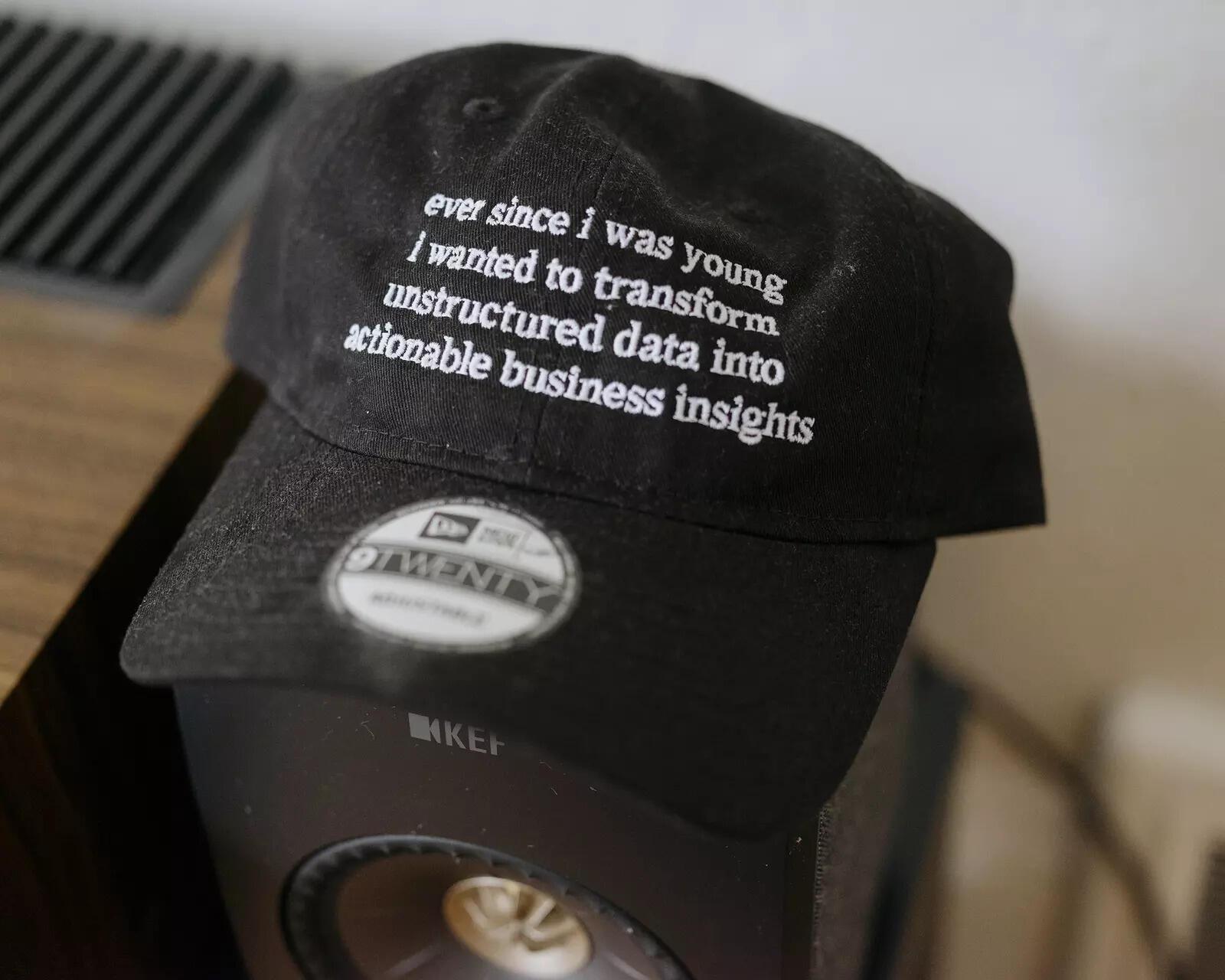
AI-native startups are hitting revenue milestones with leaner teams. AI tools reduce headcount on tasks that earlier needed larger engineering, support and sales benches, founders told ET. View the full article
-
The advent of artificial intelligence has led to the industrialisation of cybercrime, with a lot of automated attacks being carried out by organised gangs, a top official of the Indian Cybercrime Coordination Centre said on Tuesday. View the full article

-
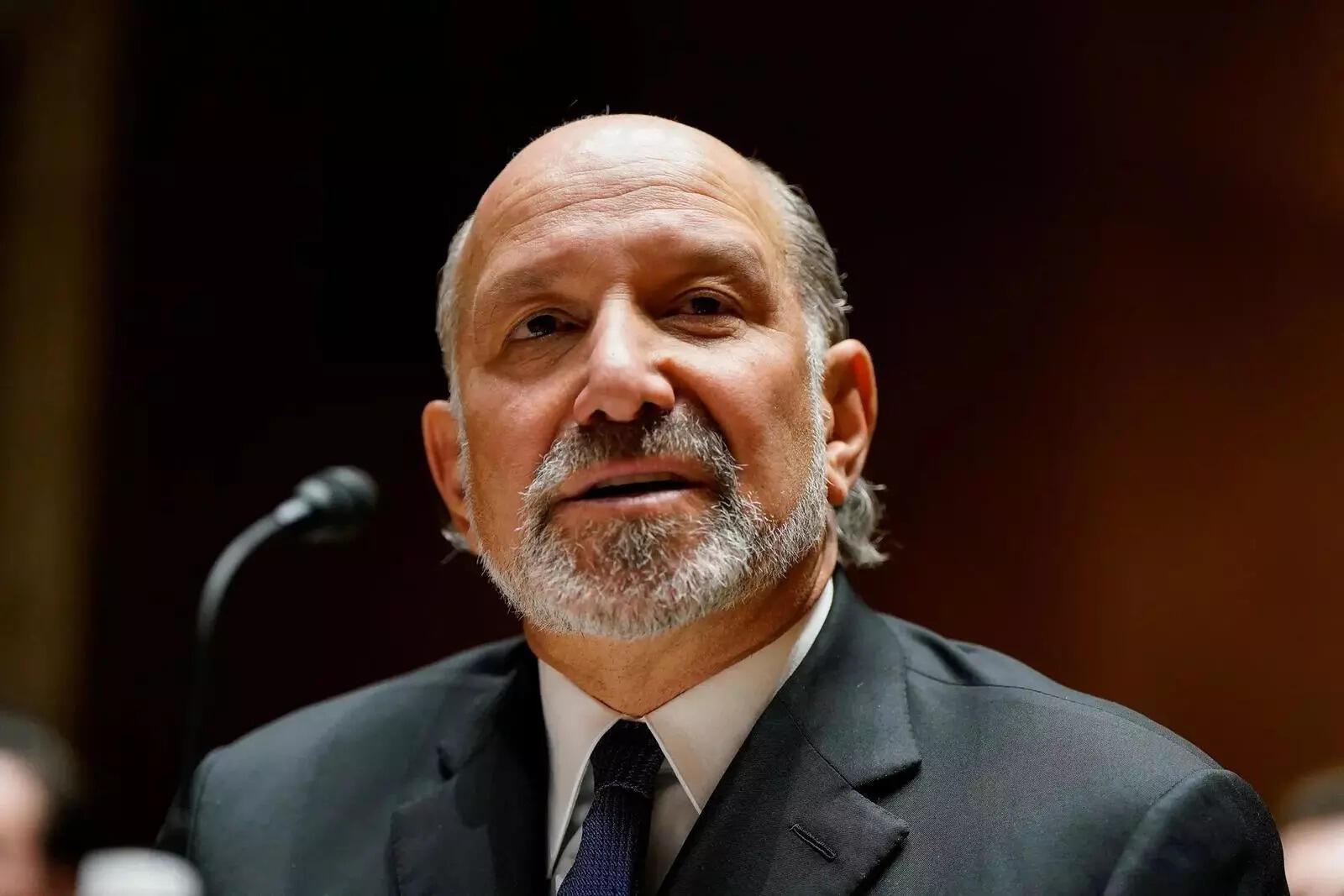
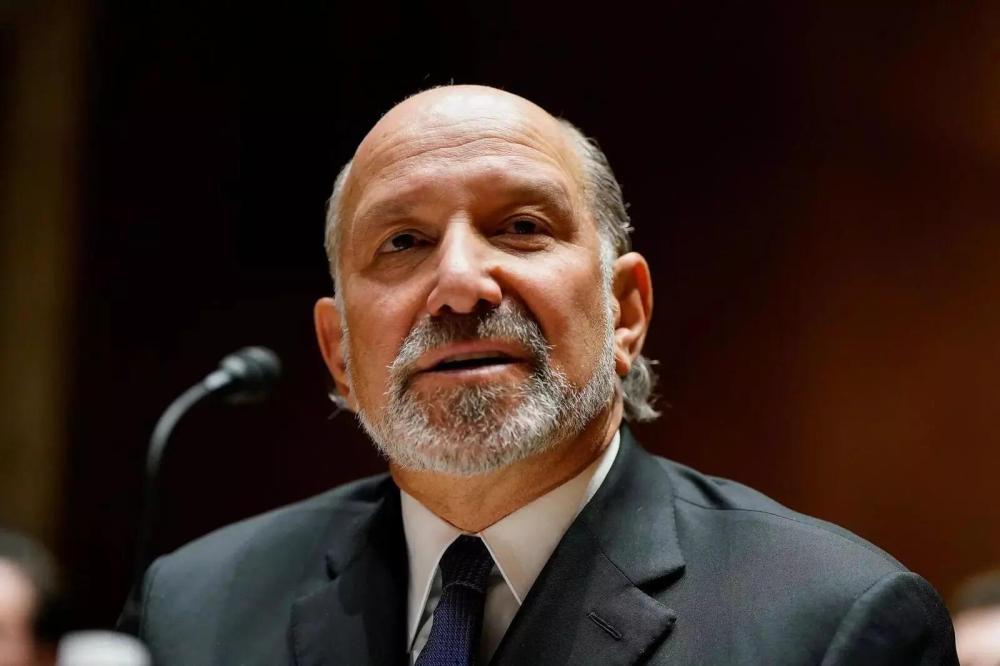
AI chip giant Nvidia must "live with" the licensing terms on sales of its second most advanced AI chip to China, Commerce Department Secretary Howard Lutnick said at a hearing on Tuesday. View the full article
-
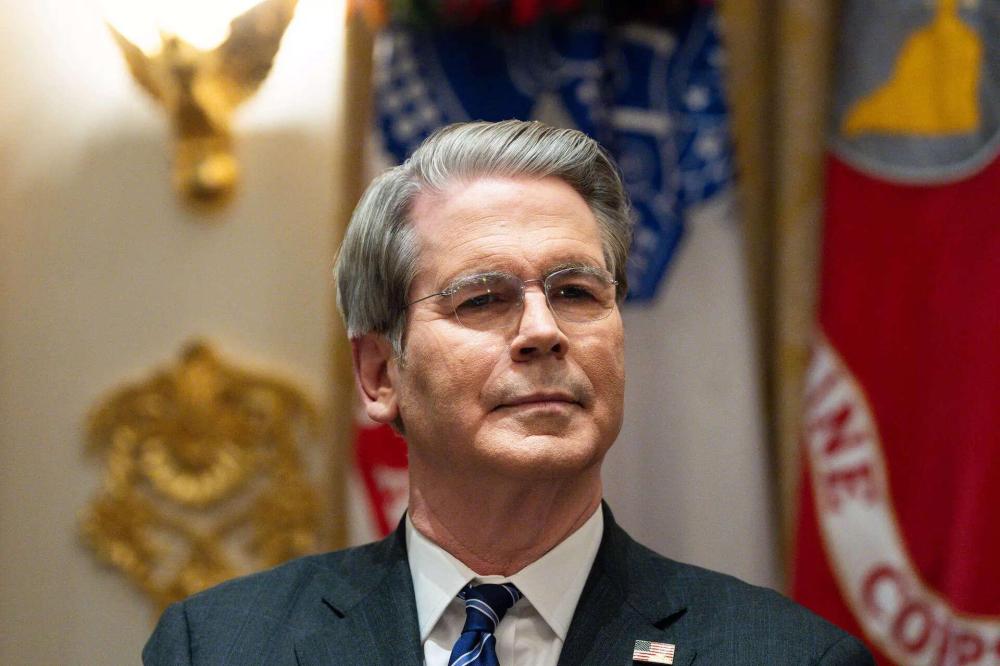
The Federal Reserve under the leadership of Kevin Warsh, President Donald Trump's nominee for Fed chair, will be watching to ensure there's no "timing mismatch" on employment and productivity given rapid advances in artificial intelligence, US Treasury Secretary Scott Bessent said on Tuesday. View the full article
-
Cadence Design Systems has introduced a virtual artificial intelligence agent. This tool aims to speed up the complex process of designing computer chips. Companies like Nvidia are already using it. View the full article

-
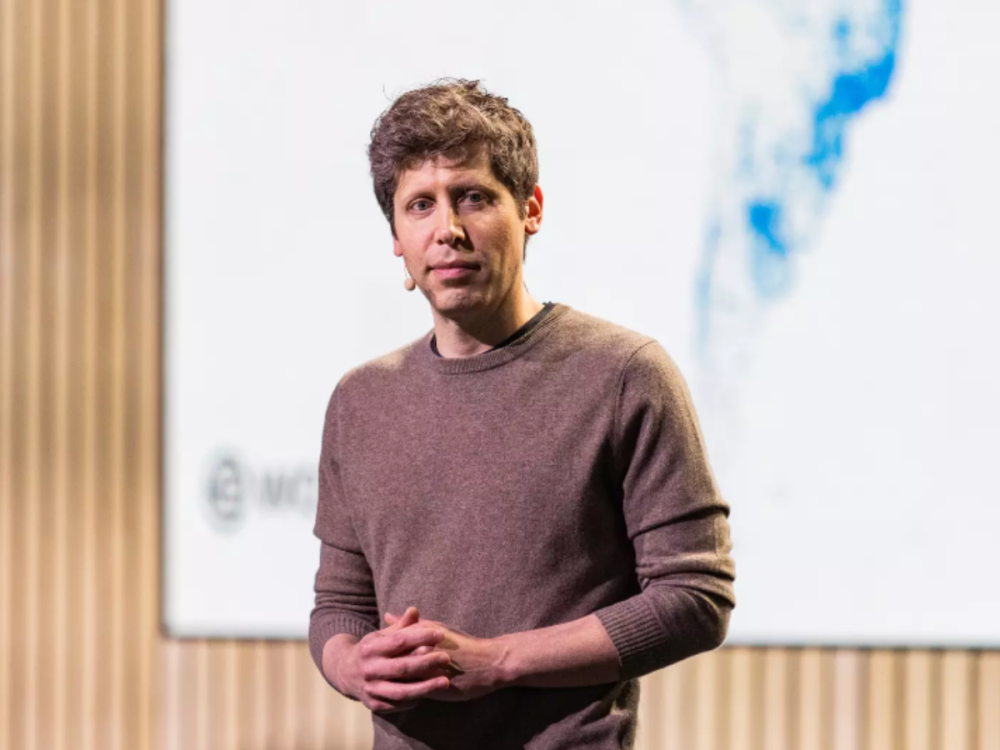
OpenAI has begun placing ads in the basic versions of its ChatGPT chatbot, a bet that users will not mind the interruptions as the company seeks revenue as its costs soar. View the full article
-
India is transitioning from AI experimentation to execution, with a focus on democratizing responsible AI adoption and launching indigenous models. The conversation around AI and digital sovereignty is crucial, emphasizing the ability to choose deployment, data residency, and governance. This shift requires platforms engineered for flexibility and control across critical sectors. View the full article

-
Cisco said its Silicon One G300 switch chip, expected to go on sale in the second half of the year, will help the chips that train and deliver AI systems talk to each other over hundreds of thousands of links. View the full article
-
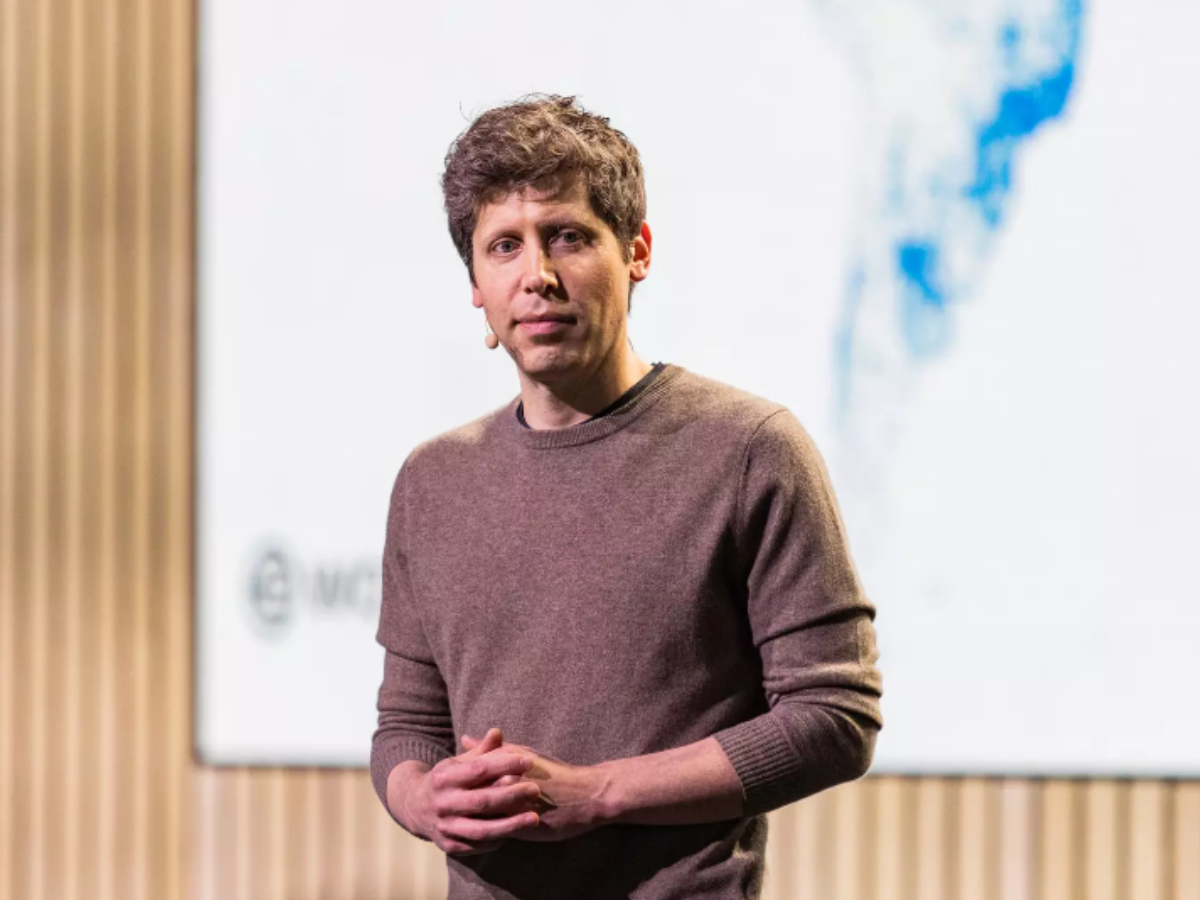
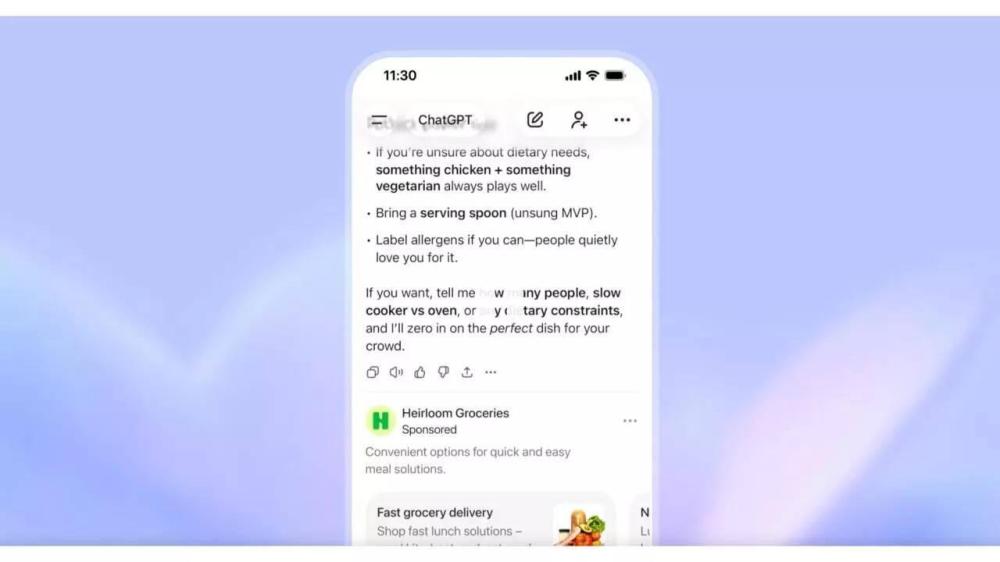
OpenAI is testing advertising on ChatGPT in the United States for Free and Go users; Plus, Pro, Business, Enterprise and Education tiers will not see ads. CEO Sam Altman said ads do not influence answers and are labelled sponsored. Ads are matched to topic, previous chats and relevant past ad interactions. View the full article
-
Young founders crowd San Francisco as an AI boom reshapes ambition, money and work in this city today. Startups promise to streamline administration, chase valuation and risk jobs, echoing a modern gold rush. With capital everywhere, twenty-somethings scrape by, bet everything on impact, and hope to ride the rocket ship. View the full article