Vishwadeep Khatri
Administrators
-
Joined
-
Last visited
Everything posted by Vishwadeep Khatri
-
AI company Anthropic announced on xxxday that it has raised $30 billion in Series G funding, valuing the company at $380 billion post-money. In a blog post, the startup also said it has reached an annualised revenue run rate of $14 billion. View the full article
-
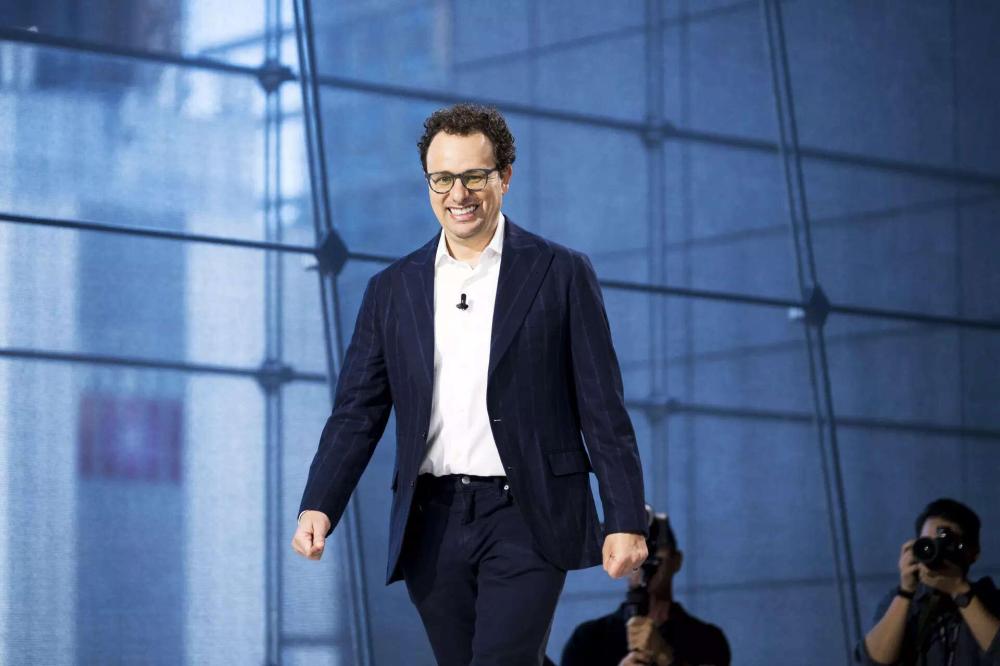
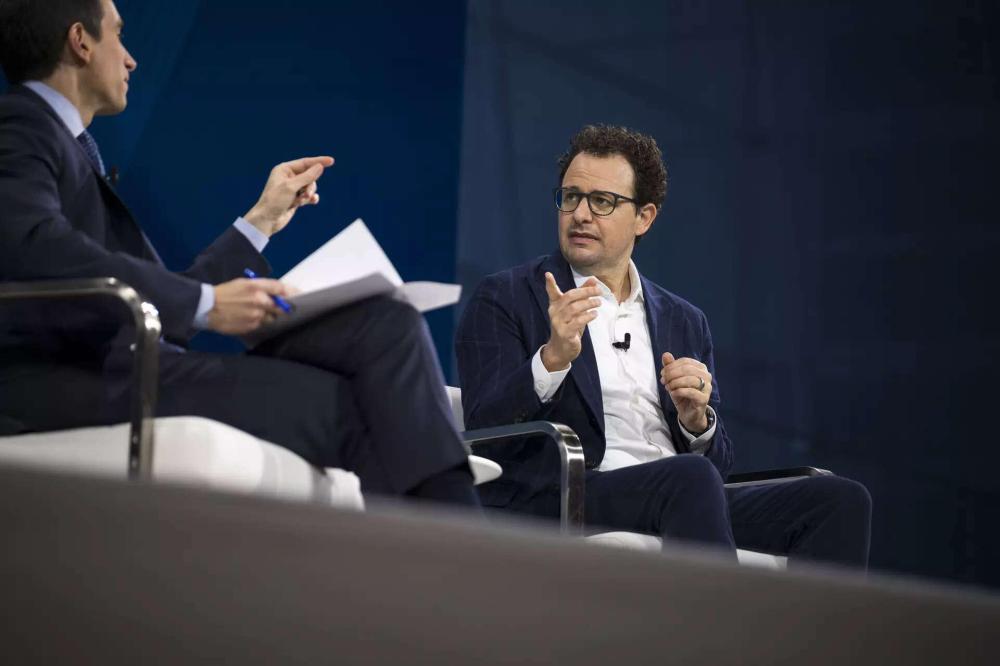
Suleyman predicted that creating customised AI models will soon be as simple as launching a blog or podcast today. Within two to three years, he said, AI agents could manage substantial portions of institutional workflows. View the full article
-
Q846 When AI becomes part of a process — offering recommendations, automating steps, or influencing decisions — traditional performance metrics may no longer tell the full story. If individuals are still measured the same way as before, they may either over-rely on AI or resist it altogether.Think of a specific process in your domain where AI is involved. How should performance expectations or success measures change to ensure people use AI responsibly and effectively? What behaviors should be encouraged — and what unintended behaviors should be prevented? ⚠️ Any answer that is generic or does not connect with a specific process will not be approved. 🏆 The best answer will be selected on the basis of: Relevance of the chosen process Thoughtfulness in aligning incentives with AI usage Practicality of the revised performance approach
-
Vishwadeep Khatri replied to Vishwadeep Khatri's topic in We ask and you answer! The best answer wins!🏆 Best AnswerTaby Sheikh Exceptional response with a complete operational learning loop. Clear domain anchoring (BPO dispute/chargeback triage), structured “Decision Incident” framework, explicit capture fields (AI confidence + human rationale + outcome), and strong separation of learning when AI is right vs when humans are right. Also provides practical governance upgrades (calibrated autonomy, KPI redesign, disagreement training kit). This directly answers what teams should learn and how to institutionalize it. ✅ ApprovedVijay Yivaturi Very strong real-world tax compliance case with quantified impact (multi-million CAD under/overpayments). Clearly shows both failure modes — AI correct but ignored, and AI flawed but blindly followed. Strong governance takeaways: validation before production, override flags, documentation in SOPs, and structured review controls. High operational credibility. vijay gonsalves Good BPO/claims processing examples covering both scenarios clearly. Practical mitigation steps like override logging, hierarchical approval, confidence thresholds, dashboard tracking, and QA audits. Strong control mindset and clearly linked to regulatory and financial impact. Preethi Bijesh Clear credit underwriting example with balanced human-AI learning framing. Identifies model gap (missed signals), human bias/intuition risk, and governance improvements (override logging, calibration, model owner tracking, documentation). Well connected to a real risk-sensitive domain. 🟡 Conditionally Approved(Good intent but lacks sufficient process depth or structured learning mechanism.) Dhruva Kapur Good conceptual linkage to confusion matrix, recall rate, SHAP, and model monitoring. However, the response is largely model-metrics focused and not anchored deeply in a defined operational process or structured team-learning mechanism. Needs clearer translation from metrics → actionable team learning structure. ❌ Not Evaluated (High AI Content)Manish_Gupta_Tpgl Aloke Biswas
-
Computer science student Jack Luo discovers his OpenClaw AI agent created a dating profile on MoltMatch without consent. As AI agents flirt autonomously, fake profiles and stolen photos emerge, raising cybersecurity, ethical and accountability concerns about outsourcing romance to machines. View the full article

-
Anthropic, the safety-focused AI company formed by former OpenAI executives, said Thursday that it was putting $20 million into a new super PAC operation that will be in opposition to super PACs backed by OpenAI's leaders and investors. View the full article
-
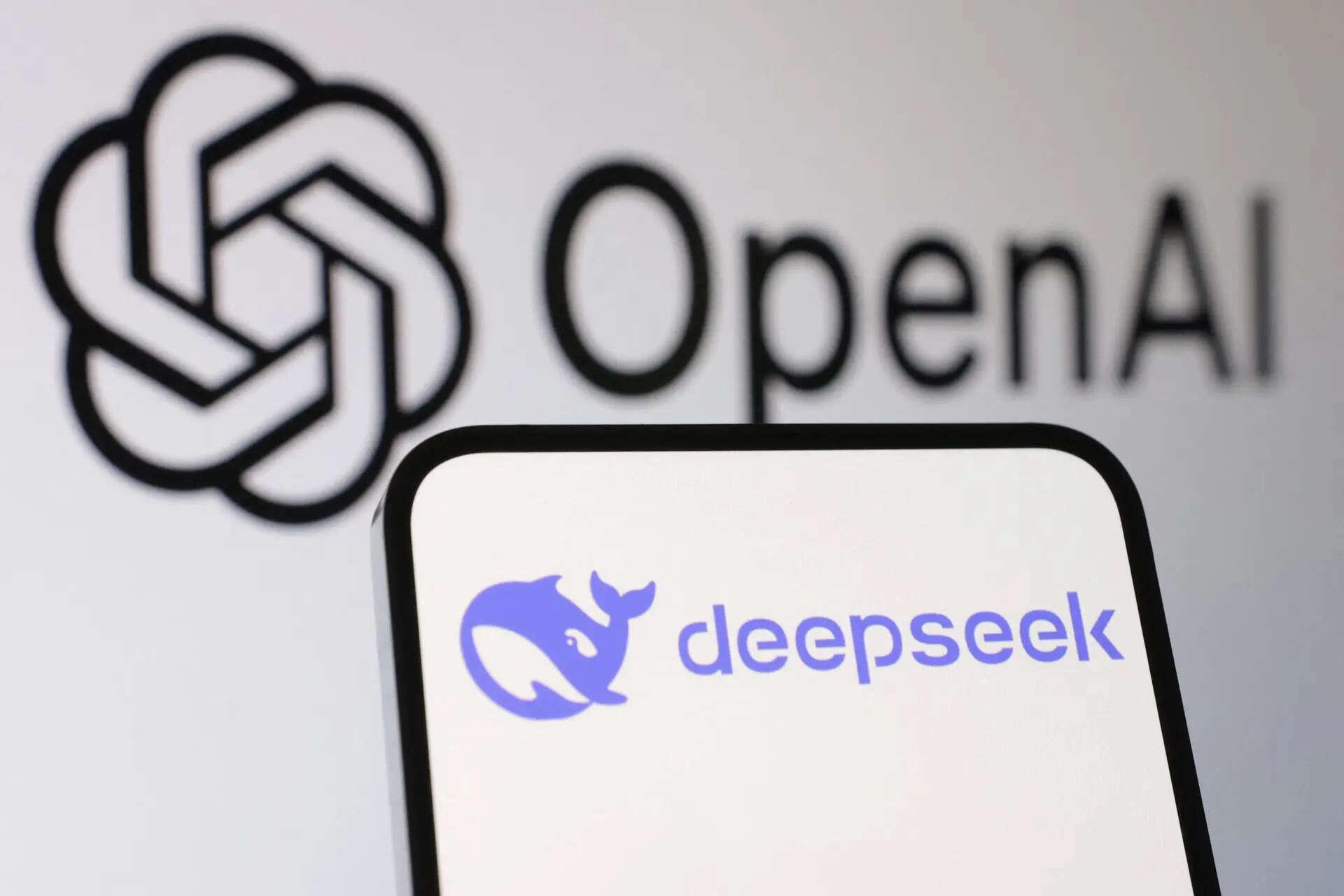
OpenAI has warned US lawmakers that Chinese artificial intelligence startup DeepSeek is targeting the ChatGPT maker and the nation's leading AI companies to replicate models and use them for its own training. View the full article
-
Indian space startup AgniKul Cosmos and cloud firm NeevCloud plan to launch an AI-focused data centre in low-earth orbit, with a proof-of-concept mission this year and commercial operations by 2027. The project could make India a leader in space-based AI infrastructure. It will host NeevCloud’s systems on AgniKul’s extended upper stage. View the full article

-
IIT Bombay and Columbia University have joined forces to create a new center for Artificial Intelligence in manufacturing. This collaboration aims to build advanced AI systems for real-world factory applications. View the full article

-
Nebius Group significantly increased spending on AI processors and data centres. This move aims to meet high demand for their cloud services. The company reported a substantial rise in capital expenditures. However, revenue for the quarter fell short of expectations. View the full article

-
LSEG is launching a new digital securities depository. This service will link traditional and digital markets for institutional investors. It will allow trading and settlement of tokenised bonds, equities, and private market assets. The platform aims for interoperability across multiple blockchain networks. View the full article

-
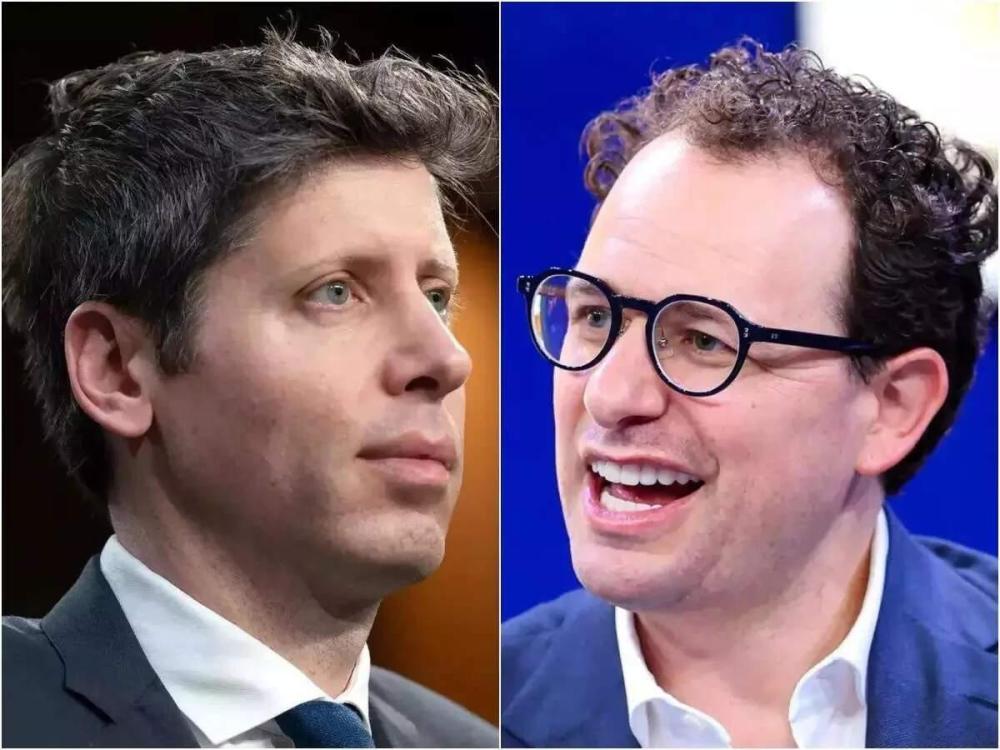
Sequoia Capital and Altimeter Capital, for example, are both expected to invest in Anthropic’s latest financing, which is set to bring in more than $20 billion. Sequoia first backed OpenAI in 2021, and has invested in several of the company’s rounds since. View the full article
-
ByteDance's new video-generating artificial intelligence model has already impressed the likes of Elon Musk and gone viral in China, where it has been compared to DeepSeek and won praise for its ability to produce cinematic storylines with just a few prompts. View the full article
-
Dominant AI ecosystem players Nvidia, Google and OpenAI are among 400 exhibitors who will participate at the five-day-long India AI Impact Expo 2026, a senior government official said on Thursday. View the full article
-
Study found AI health chatbots performed no better than Google in guiding diagnoses or next steps, often giving inconsistent or false advice. Researchers concluded current models are not ready for direct patient care despite rapid improvements. View the full article

-
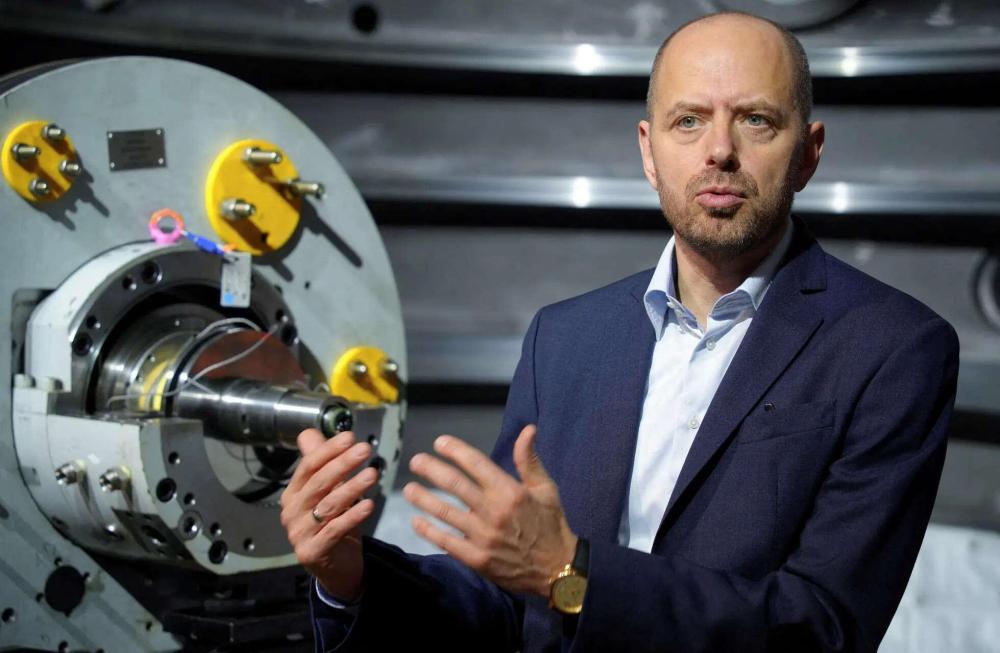
German industrial giant Siemens on Thursday raised its outlook for the year after a strong first quarter boosted by spending on artificial intelligence. Siemens sold industrial motor maker Innomotics in the first quarter of last year. View the full article
-
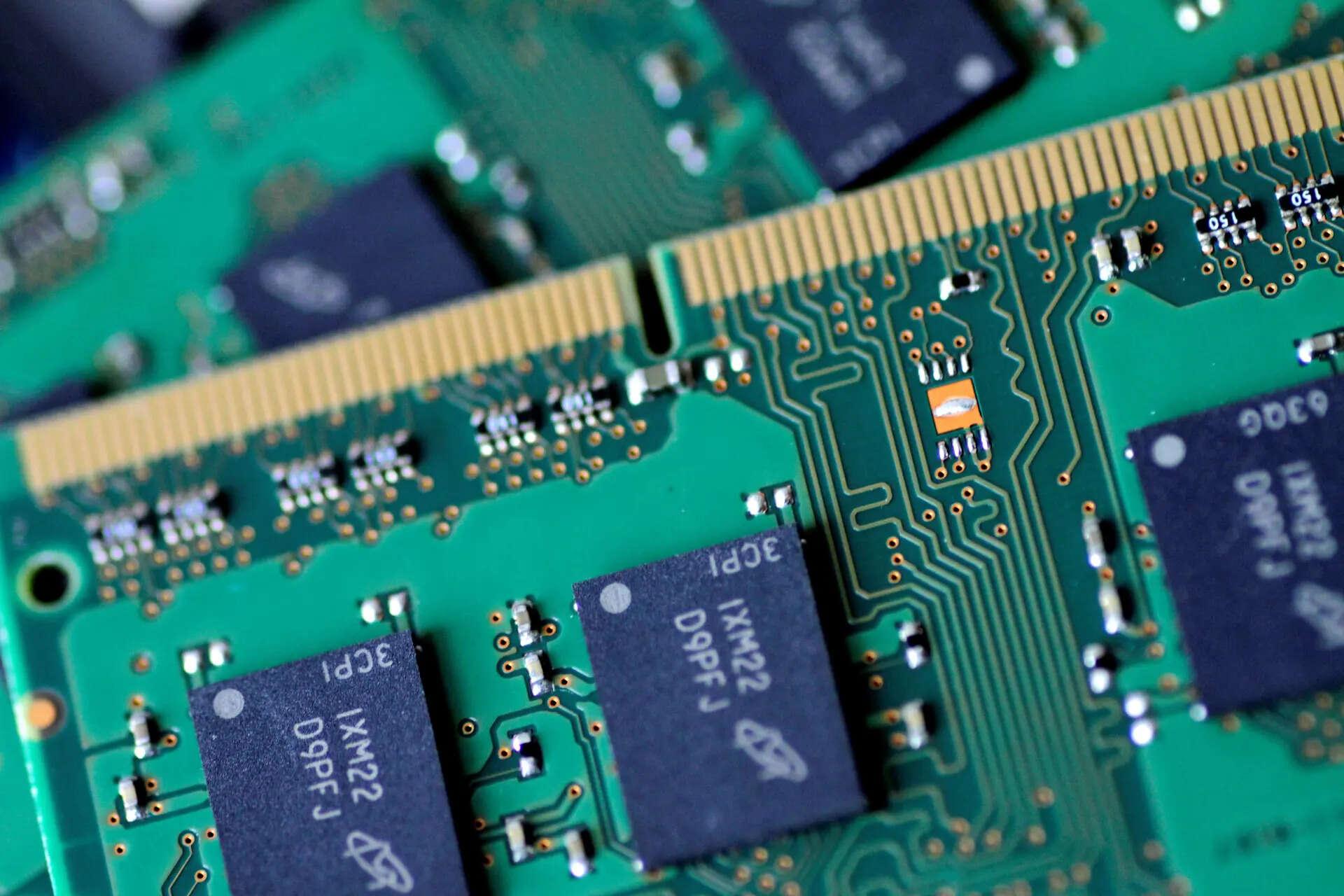
Samsung Electronics has started mass production of a next-generation memory chip to power artificial intelligence, the South Korean firm announced Thursday, touting an "industry-leading" breakthrough. View the full article

-
One year after Chinese startup DeepSeek rattled the global tech industry with the release of a low-cost artificial intelligence model, its domestic rivals are better prepared, vying with it to launch new models, some designed with more consumer appeal. View the full article
-
In Taipei, real estate agent Jason Sung is betting that home prices around a high-tech industrial park in the northern part of Taiwan's capital will soon take flight - because of computer chip maker Nvidia. View the full article

-
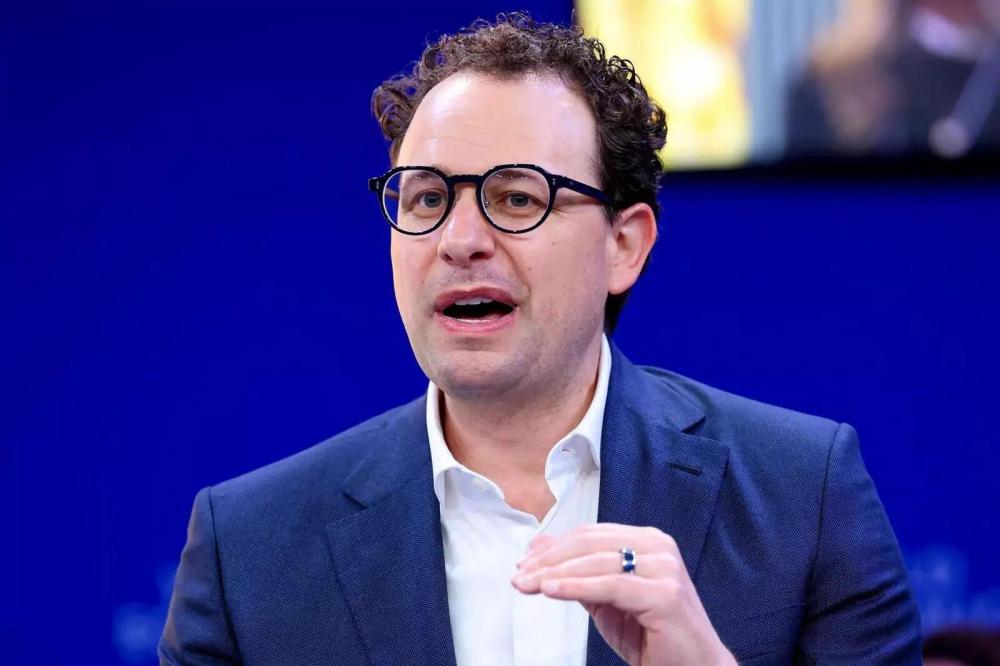
AI startup Anthropic has confirmed the departure of researcher Mrinank Sharma from its safeguards team. The exit comes in the wake of researcher Zoe Hitzig resigning from rival OpenAI. View the full article
-
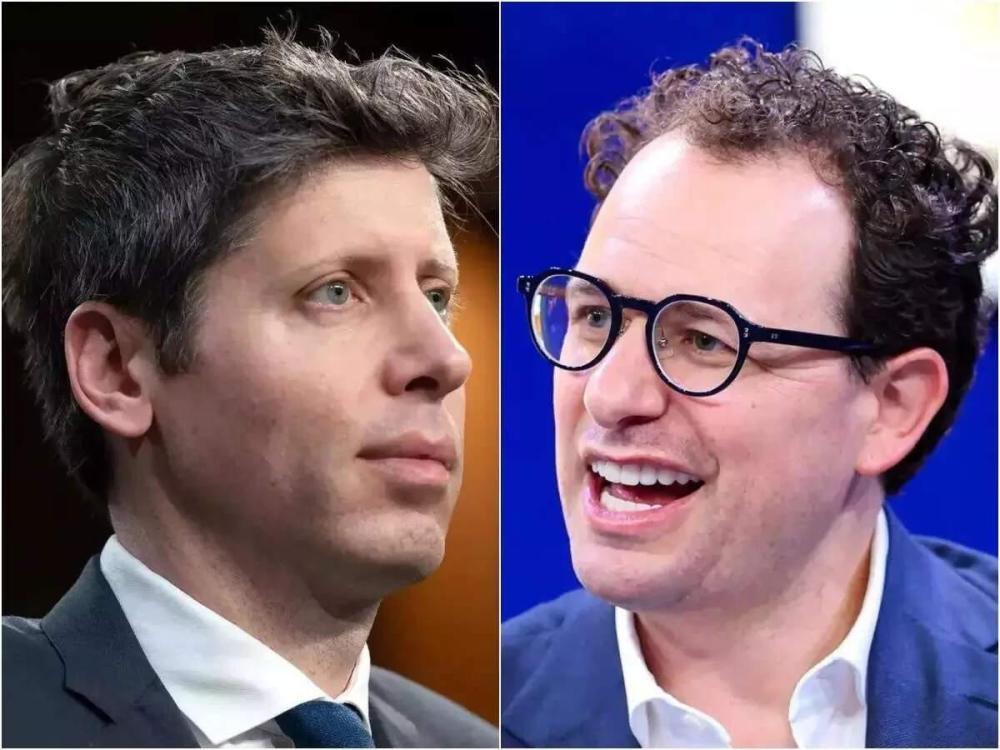
AI startup Anthropic has confirmed the departure of researcher Mrinank Sharma from its safeguards team. The exit comes in the wake of researcher Zoe Hitzig resigning from rival OpenAI. View the full article
-
Brazil on Wednesday told Elon Musk's social network X to stop its chatbot from creating sexually explicit images, the latest country to pressure the billionaire to fix the artificial intelligence tool. Indonesia became the first country to block Grok entirely last month, while Britain and France said they would maintain pressure after the chatbot cranked out a flood of lewd photos of women and children. View the full article
-
A departing OpenAI researcher argues ads on ChatGPT aren’t inherently wrong but risk exploiting intimate user data and incentivising manipulation. He urges alternatives to keep AI accessible without surveillance-driven advertising or restricting powerful tools to the wealthy. View the full article

-
Marshall Kools, 24, shares a modest San Francisco apartment while chasing AI riches with his startup, Arzana. Amid a booming, high-risk tech culture promising billion-dollar payouts, he and fellow young founders pursue transformative innovation despite slim odds, meager salaries and potential job losses. View the full article

-
Newly landed in Europe after a stormy reception in America, startup Friend's chatbot-powered, always-listening pendants are stirring concerns over compliance with tough EU data rules as well as anti-AI resentment.that Friend's pendant raises question about "how data is used, where it's stored, how it's secured and how it could be reused for training AI systems". View the full article