Vishwadeep Khatri
Administrators
-
Joined
-
Last visited
Everything posted by Vishwadeep Khatri
-
Meta has raised concerns over the operational feasibility of India’s proposed three-hour ‘offensive content’ takedown requirement even as Facebook's owner reaffirmed its commitment to comply with the country’s evolving digital and AI regulations. View the full article

-
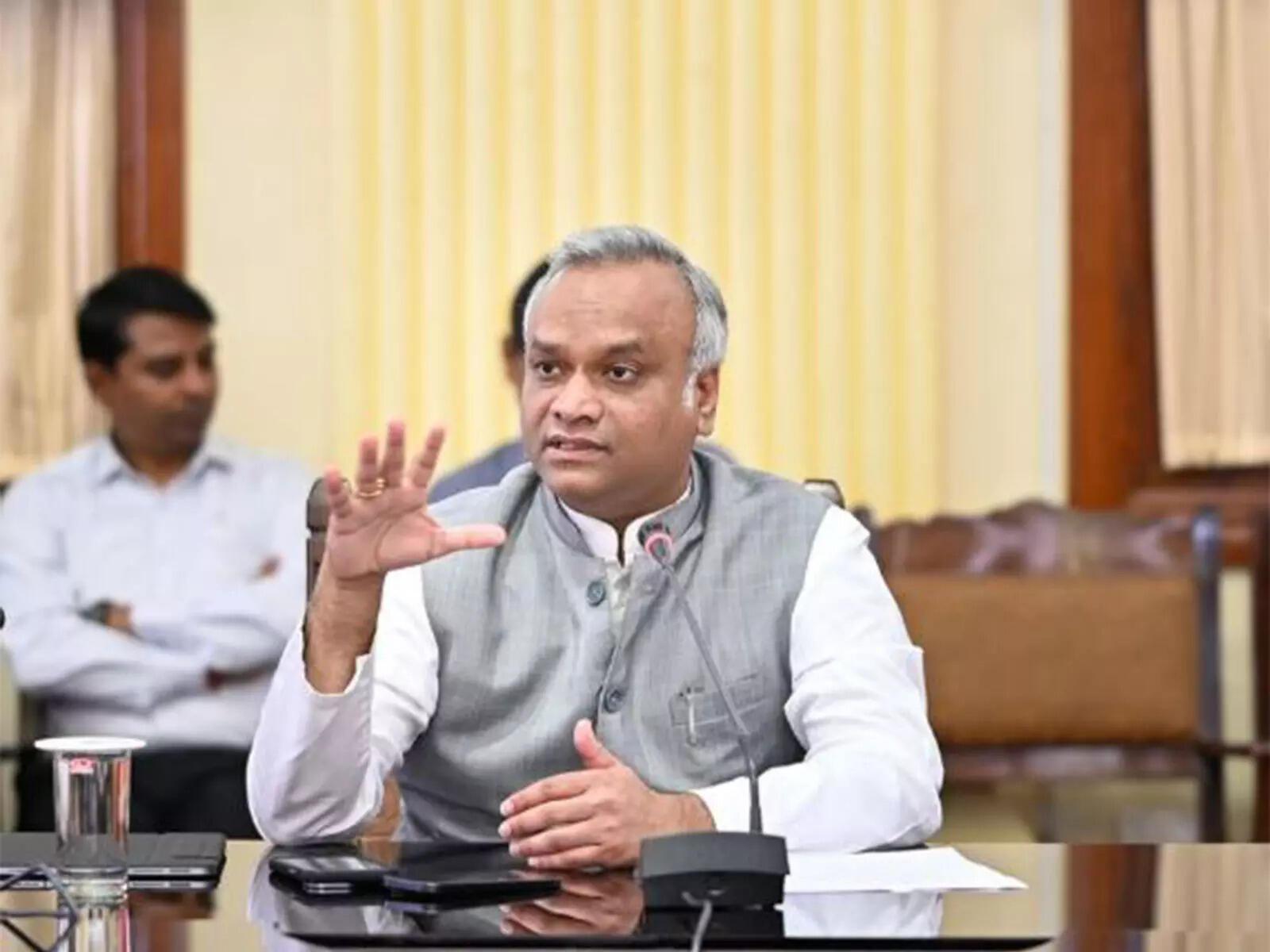
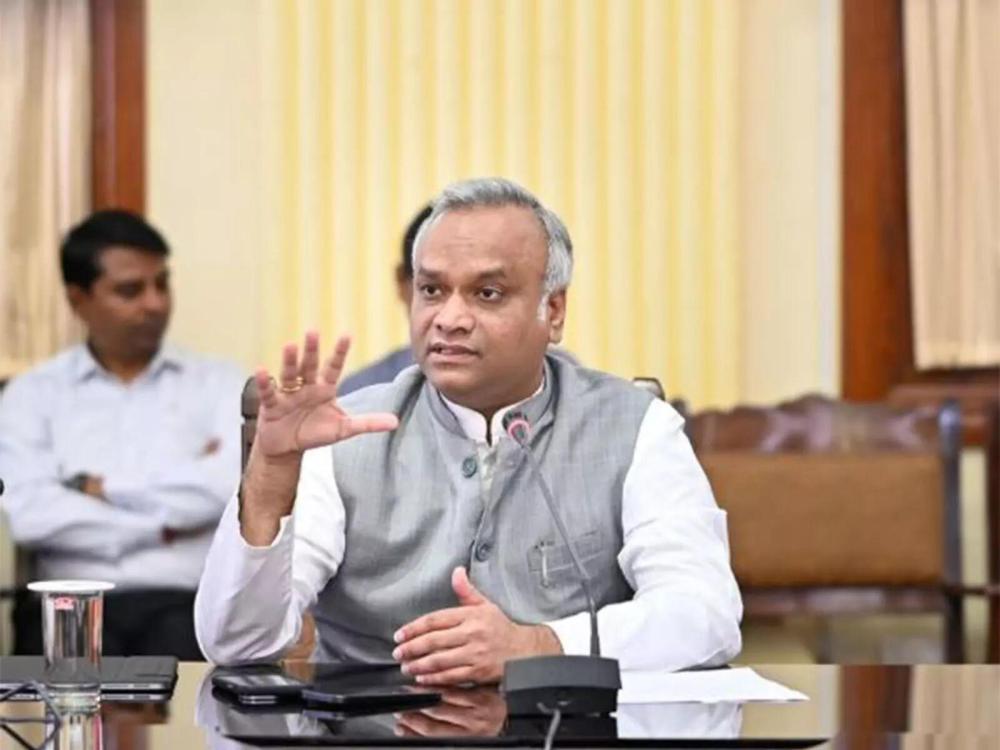
Karnataka IT/BT minister Priyank Kharge said Bengaluru could serve as a gateway for French companies entering India, following talks with France’s AI and digital affairs minister Anne Le Hénaff. Discussions focused on collaboration in skills, innovation, AI, aerospace, defence, and startup ecosystems. The meeting also explored establishing innovation and skills corridors. View the full article
-
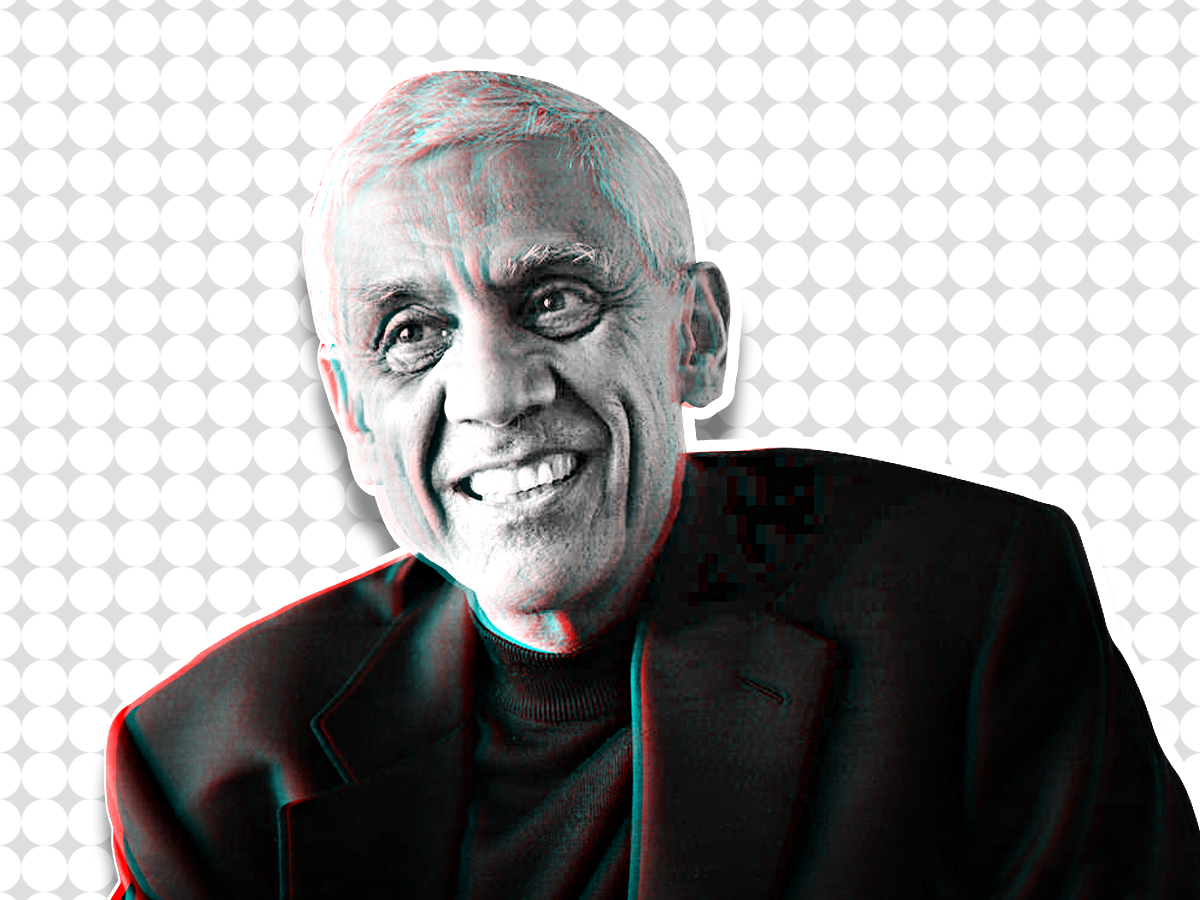
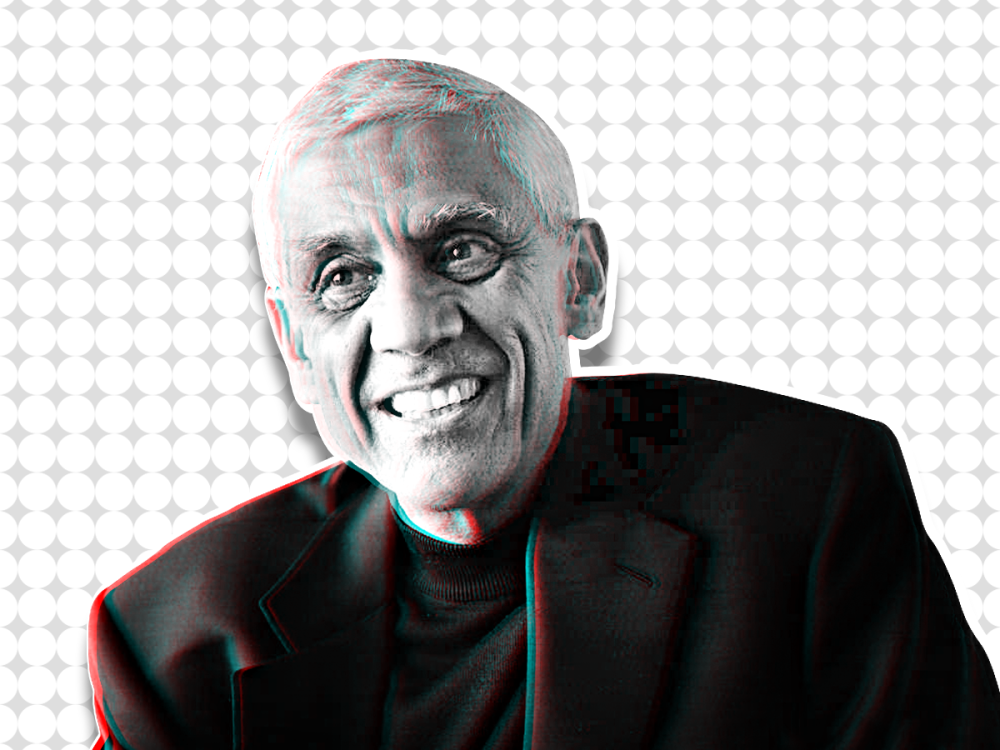
Indian-American investor Vinod Khosla predicted that by 2050, traditional jobs may become largely unnecessary as AI advances across industries. He warned that white-collar roles and outsourcing firms could face major disruption within the next five to ten years. Khosla said the future of work will be fundamentally reshaped by AI. View the full article
-
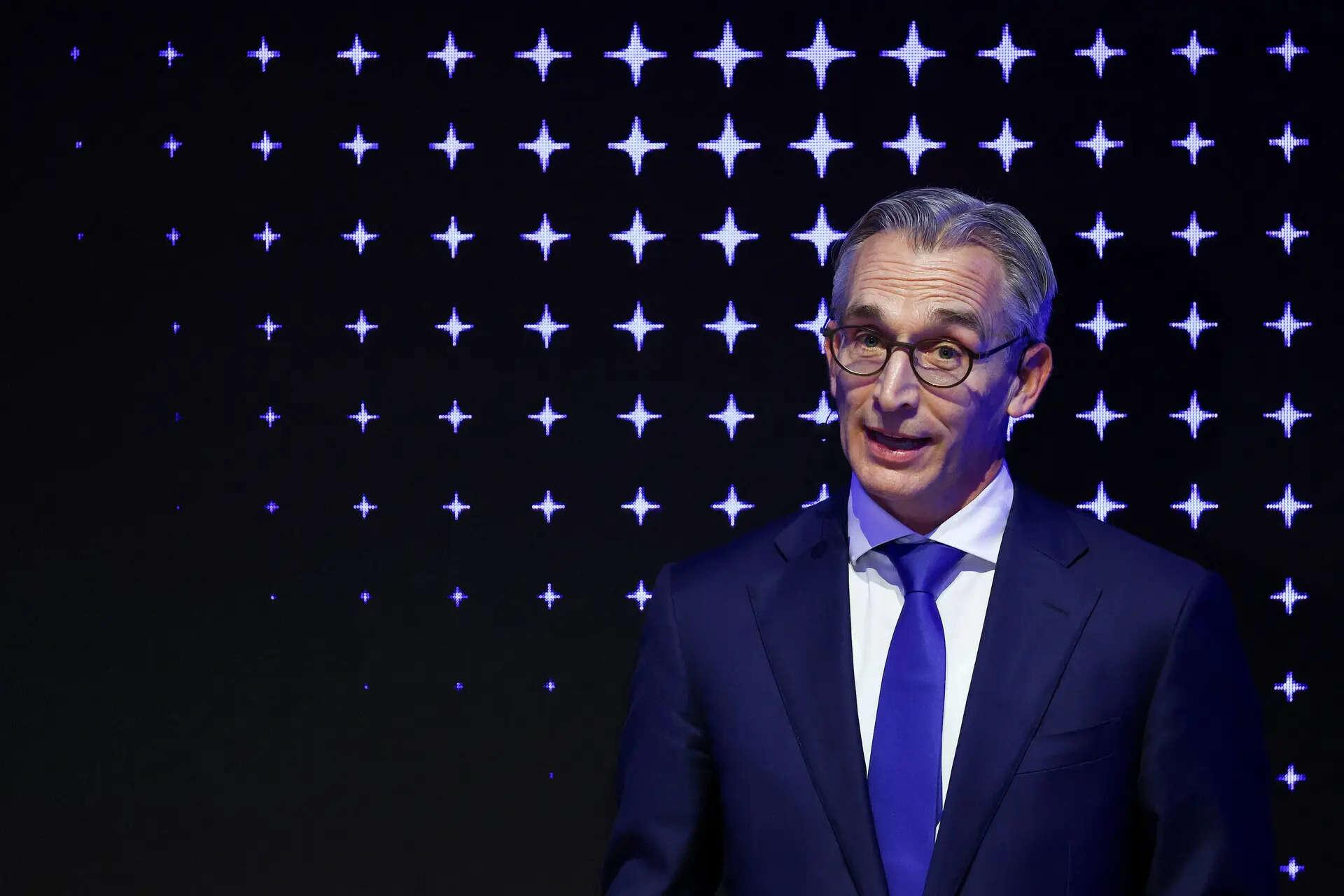
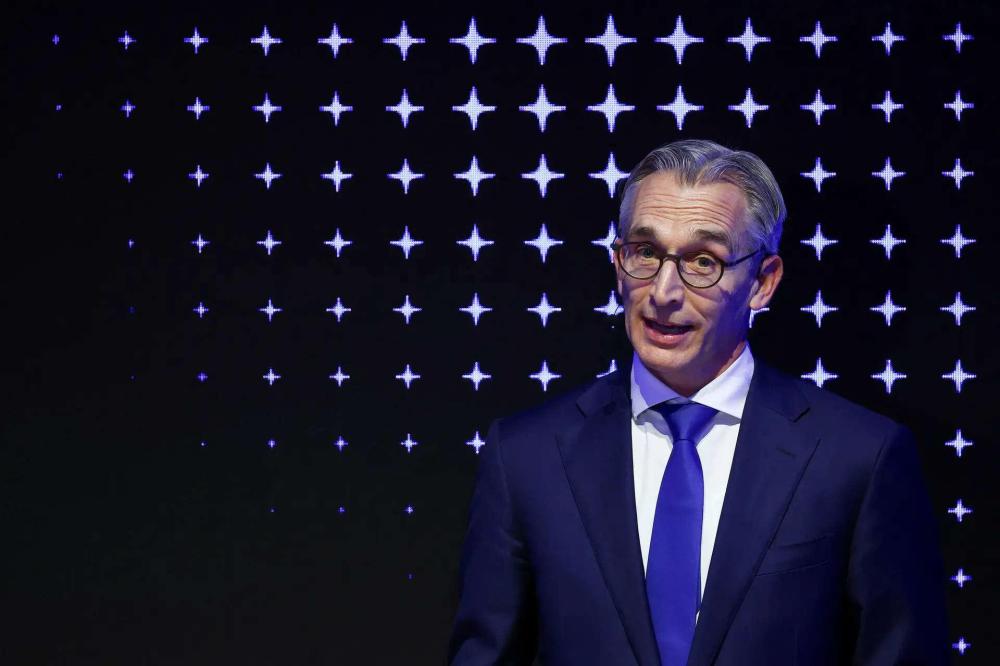
Jakobs said globally healthcare systems, including in India are facing unprecedented pressure due to rising demand, growing complexity, stretched workforces and this pressure would have accelerated the adoption of data and AI-driven innovations. A shift has already begun in that direction for creating an intelligent health system, he said in his address. View the full article
-
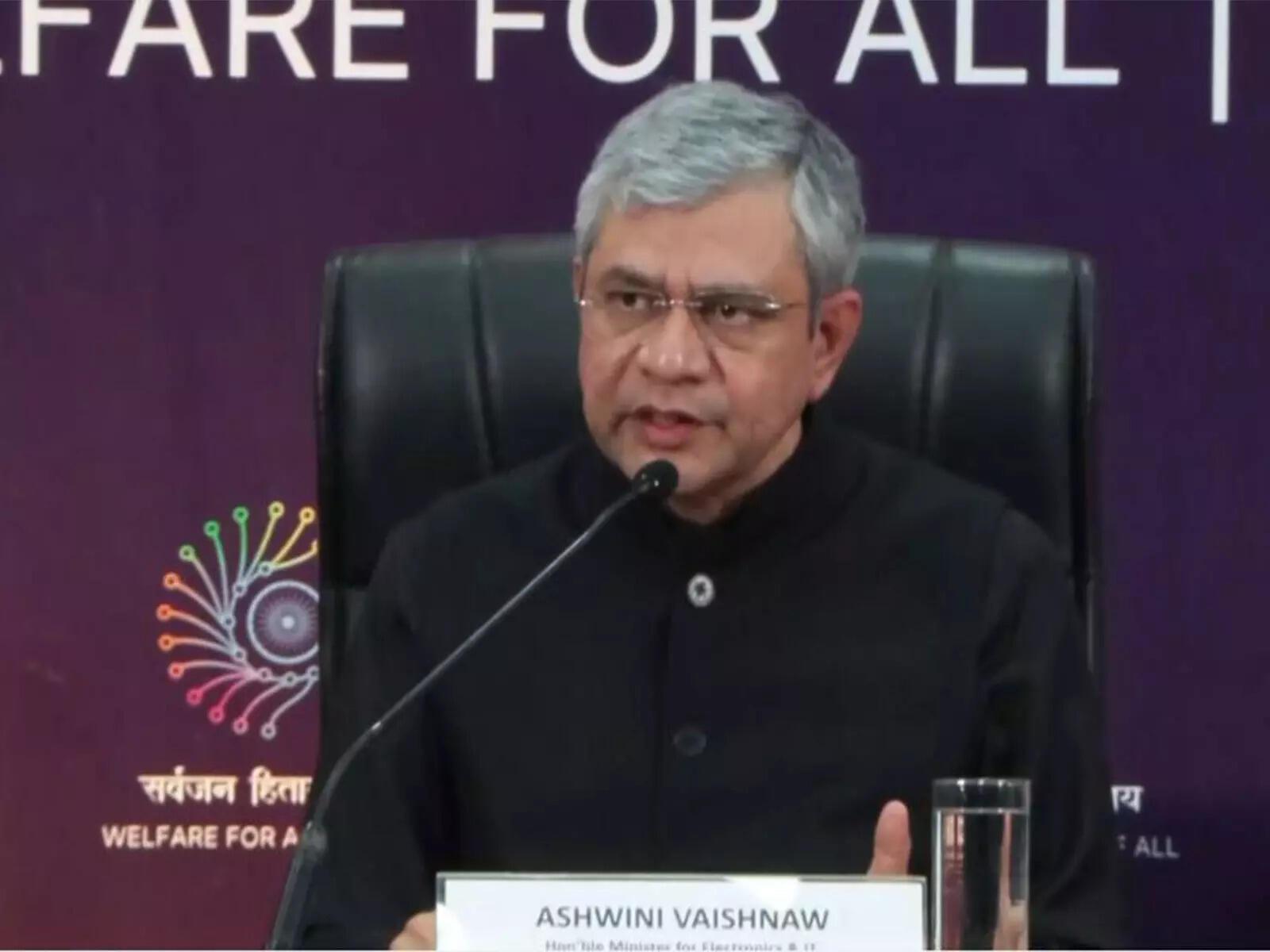
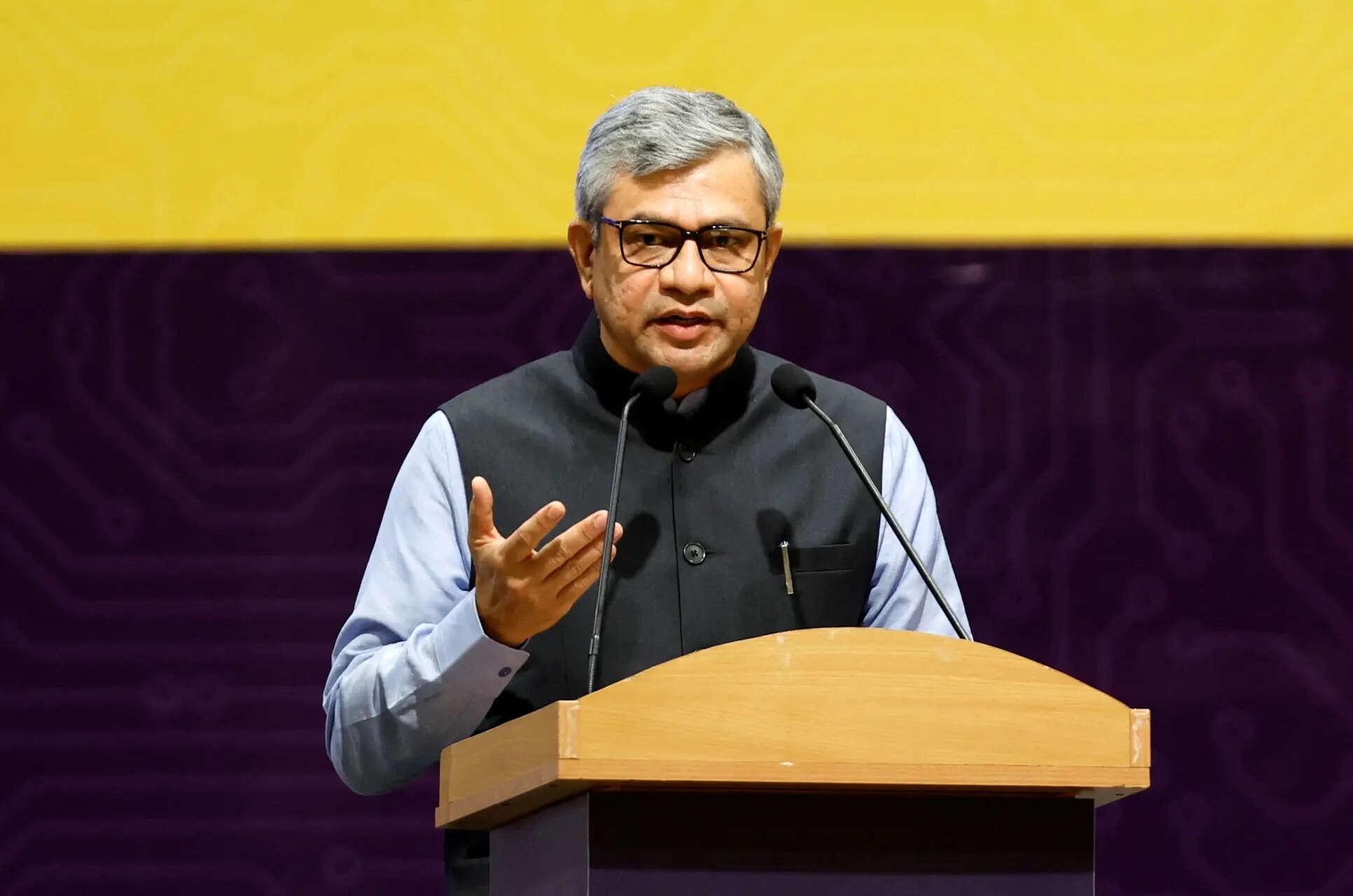
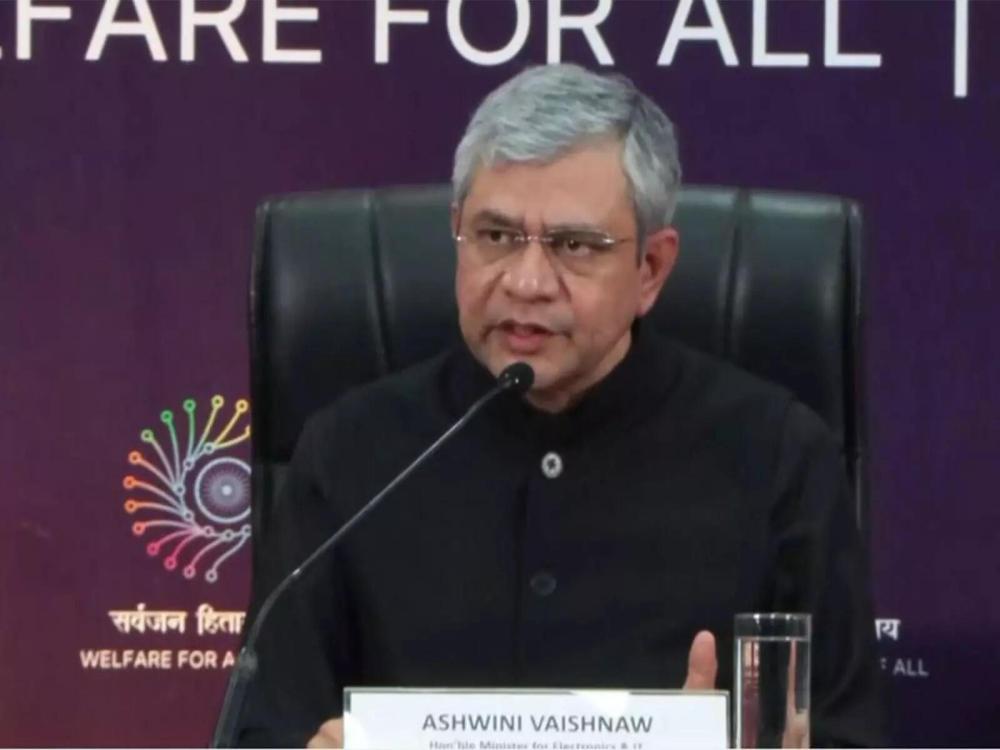
Union Minister for Electronics and IT Ashwini Vaishnaw on Tuesday said India is expected to add another 20,000 more GPUs, taking the total available capacity beyond the existing 38,000 GPUs, with the aim of strengthening the country's AI compute infrastructure. View the full article
-
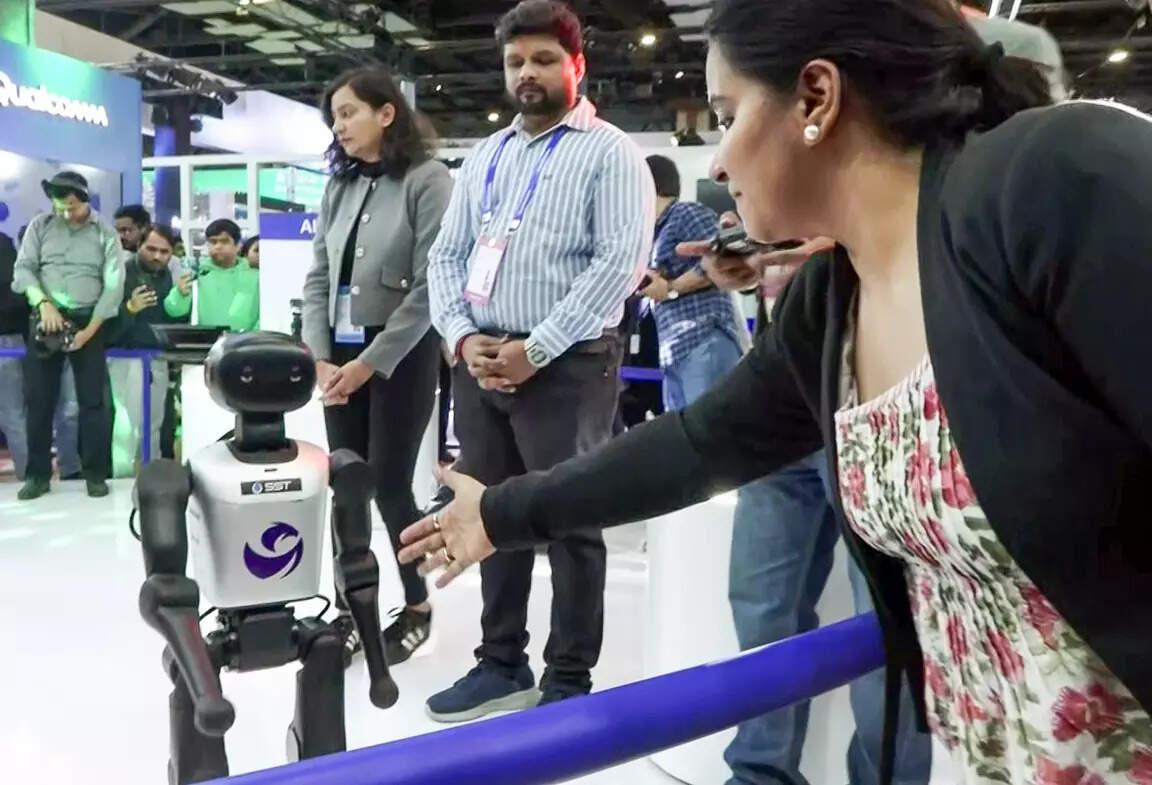
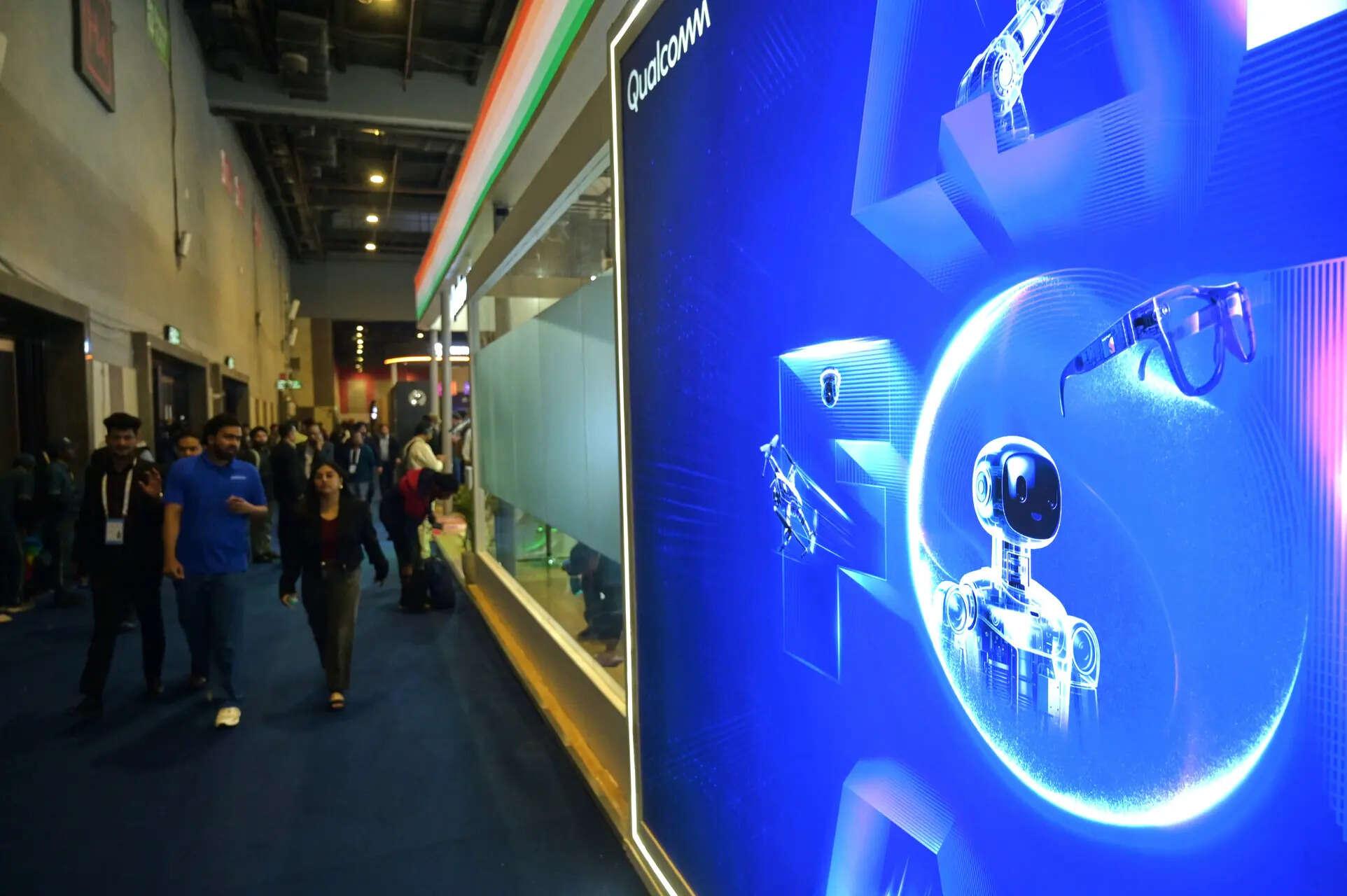
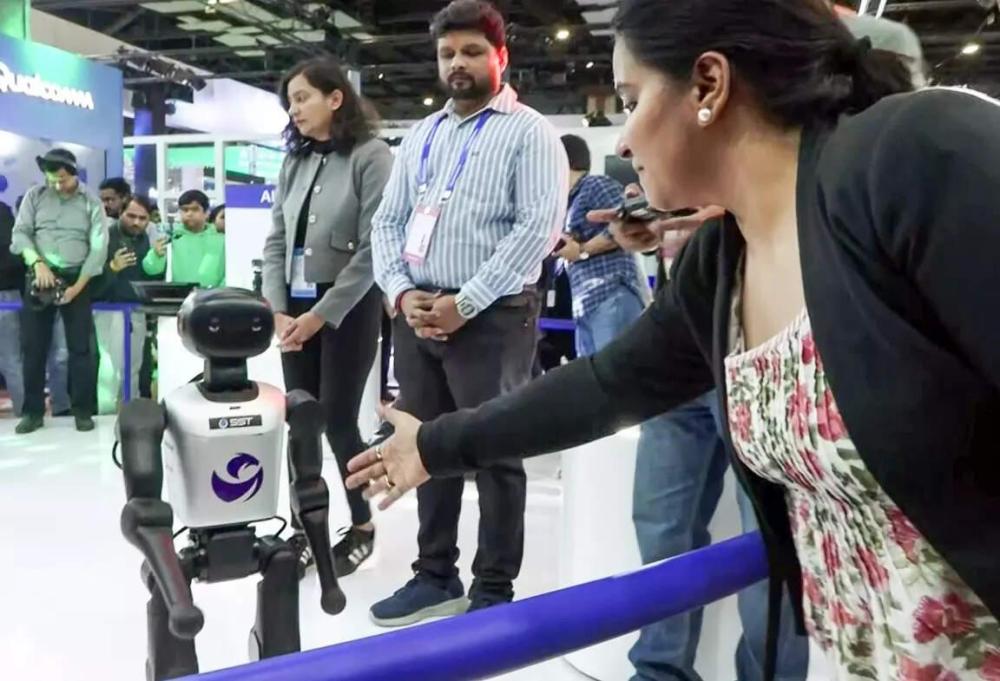
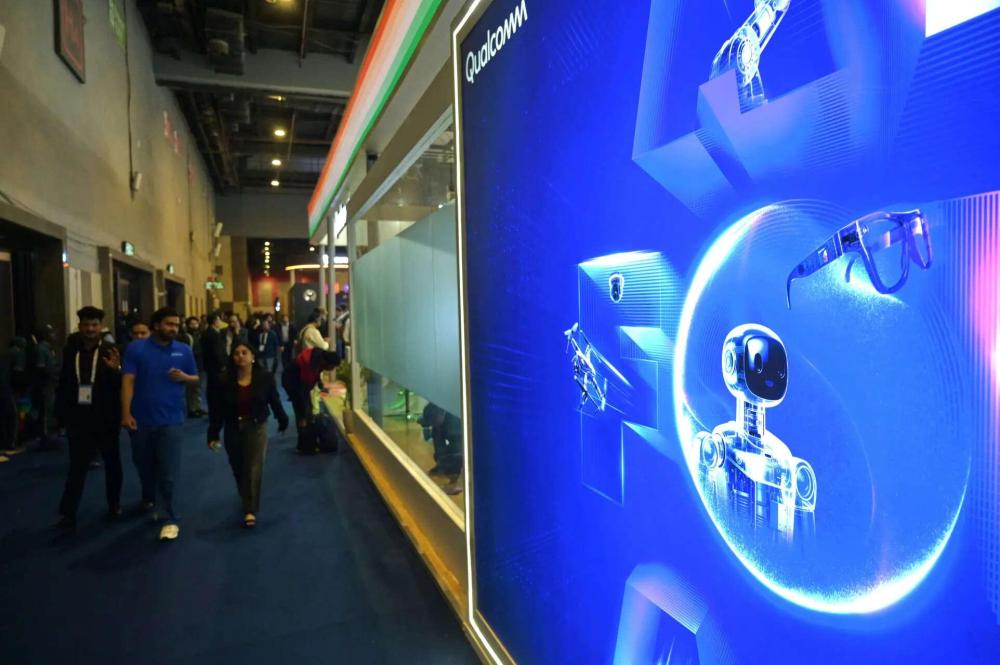
Qualcomm on Tuesday showcased its robotics technologies, including humanoid systems, at the India AI Impact Summit 2026, at Bharat Mandapam in the national capital. View the full article
-
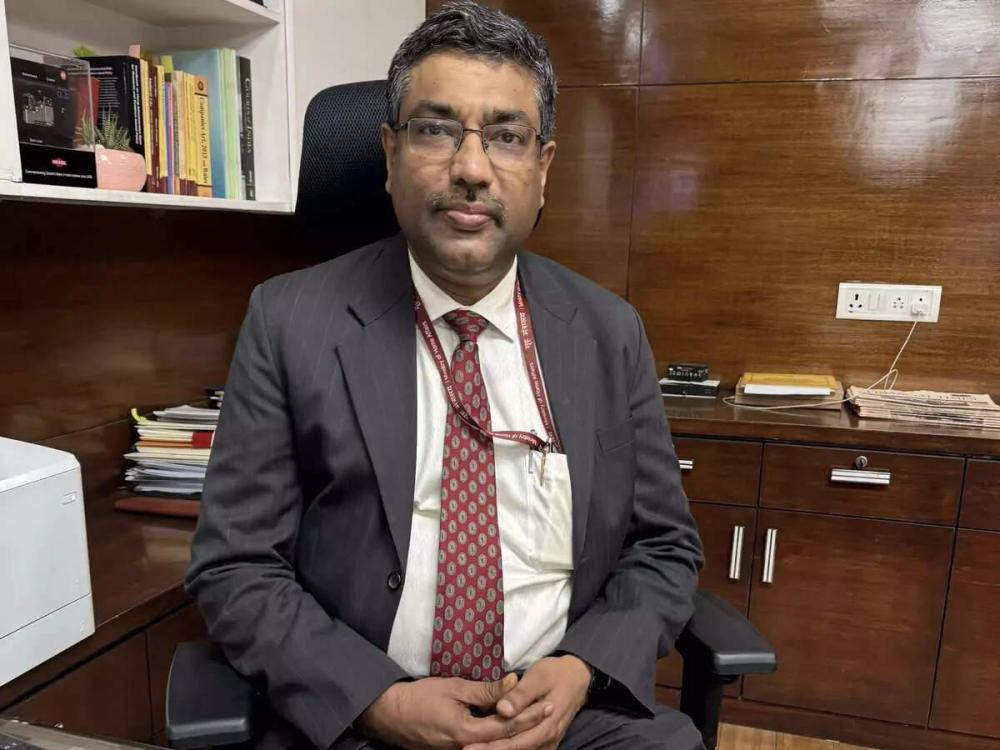
There was a debate initially whether India should actually invest in creating indigenous or sovereign models or should it use open source models which have been created elsewhere in the world, because creating an indigenous model was felt to be expensive and time-consuming, S Krishnan, secretary in the Ministry of Electronics and Information Technology (MeitY) said. View the full article
-
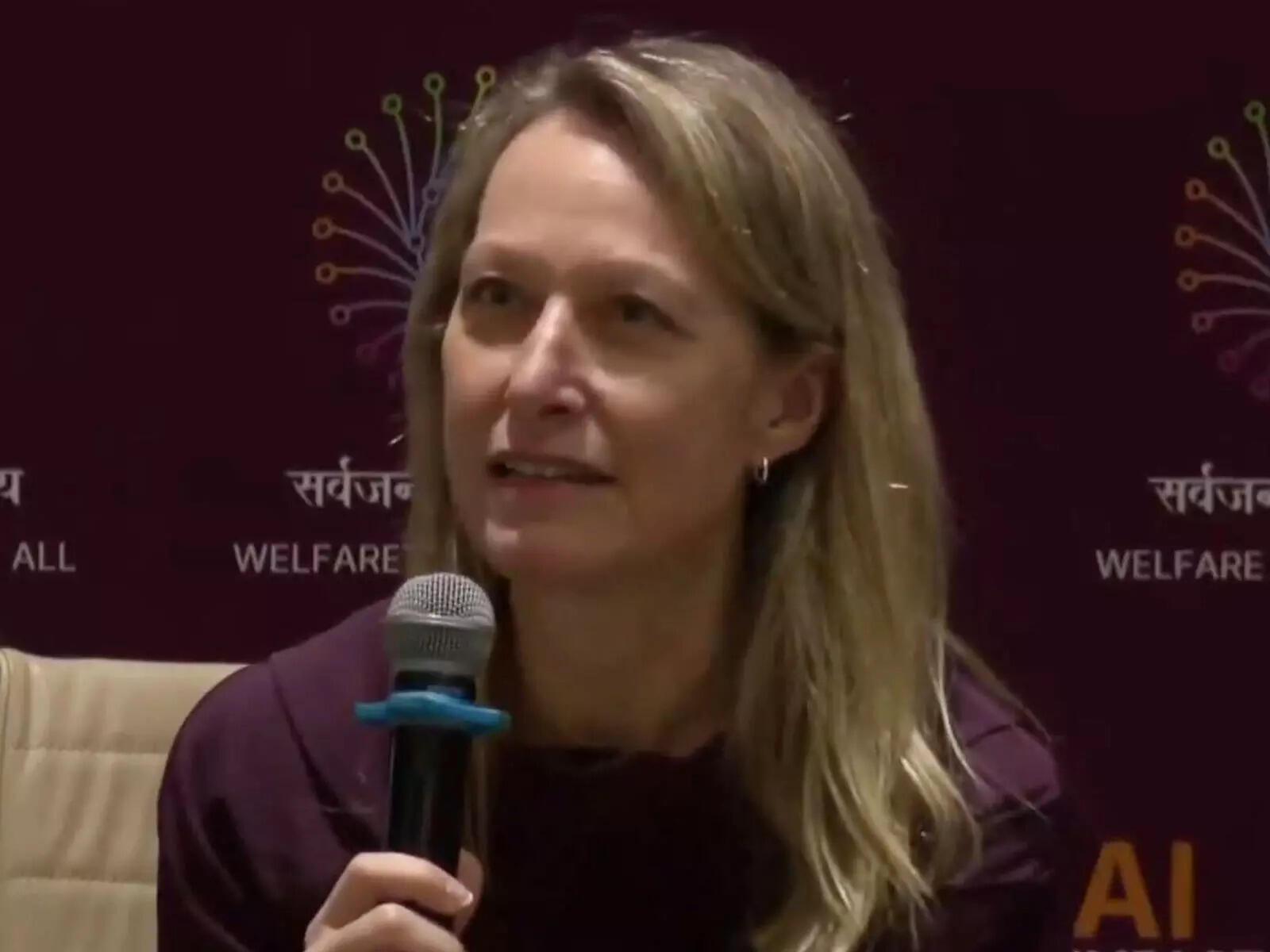
At the AI Summit 2026, Anthropic executive Elizabeth Kelly said India ranks second globally in overall Claude usage, though per capita it stands 101st out of 116 countries. Use is concentrated in tech-heavy states like Maharashtra, Tamil Nadu, Karnataka and Delhi. She stressed benefits must be widely shared beyond a narrow segment. View the full article

-
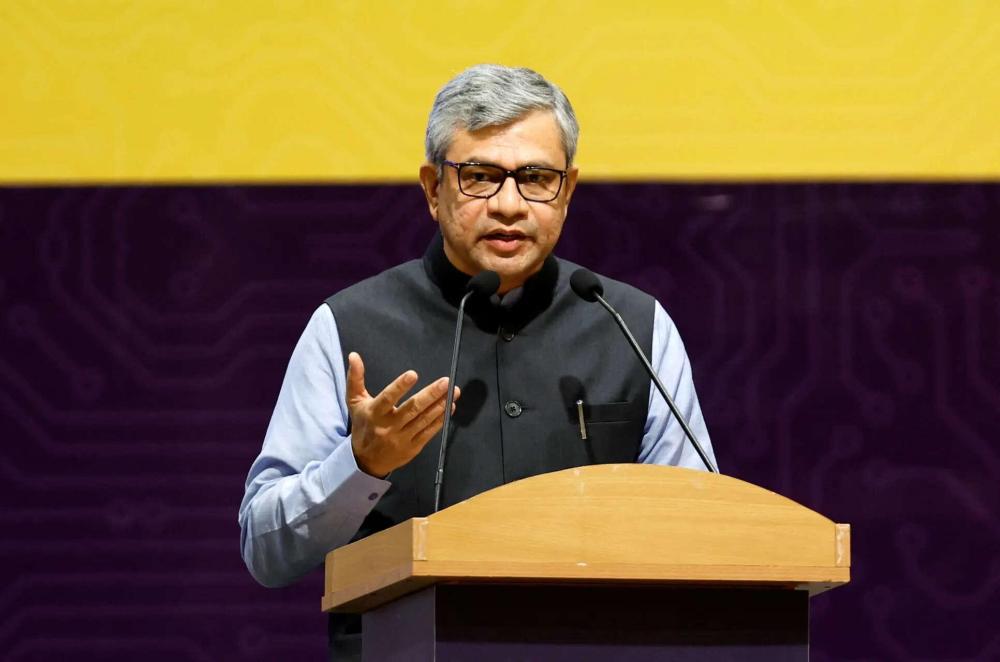
India aims to build consensus among global leaders on proper and ethical use of AI so it benefits humanity while containing harms from improper use, said Union IT minister Ashwini Vaishnaw. The country expects $200 billion investment across five layers of the AI stack. He also sees 50 deeptech startups emerging. View the full article
-
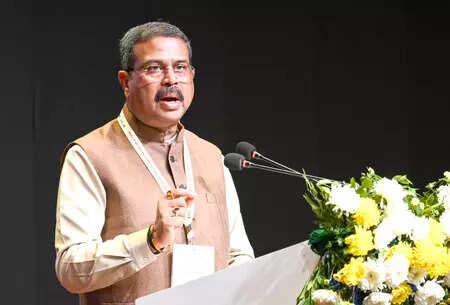
Emphasising the government's vision, the minister said, "It is our duty to provide AI-enabled education to India's new generation." He added that increasing AI-skilled personnel in the country would help India move towards a position of global leadership. Director of IIT Madras, V. Kamakoti, elaborated on the twin approach of 'AI in Education' and 'Education in AI.' He said discussions during the panel focussed particularly on how AI tools can enhance learning outcomes. View the full article
-
India’s next growth stage will rely on disciplined execution and large-scale institutional adoption of AI, not simple access, says a white paper by Prosus, BCG and MeitY. The paper projects India will deliver nearly 20% of incremental global GDP growth over 15 years. Leaders stress responsible, inclusive AI to build institutional capacity and measurable outcomes. View the full article

-
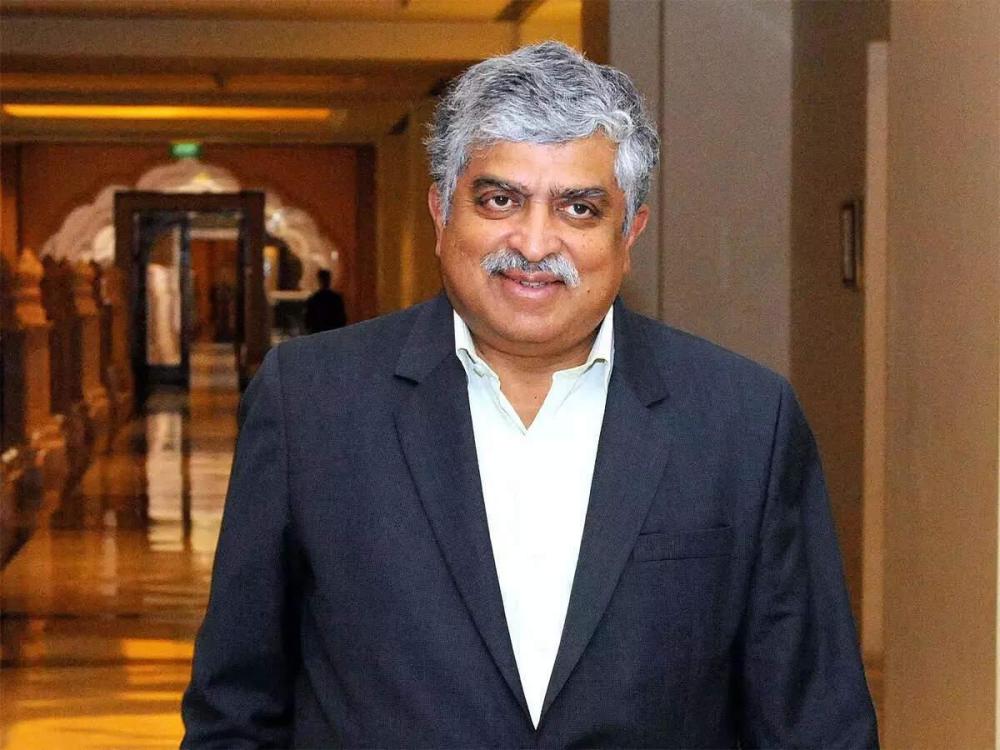
AI, he said, is being adopted faster than any previous technological transition, from the internet to smartphones, and is poised to fundamentally reshape how businesses operate. The talent transformation is huge, he said, adding there will be a need for AI engineers, forward deployment engineers, forensic analysts - roles that didn't exist a few years ago. View the full article
-
Deeptech firm NeuroDx has created a 400-million-parameter AI brain language model, Manas-1, to decode human brain electrical activity. The system seeks to transform diagnostics in neuroscience through earlier disorder detection and improved treatment accuracy. The company has submitted it for government evaluation under sovereign artificial intelligence standards, with funding expected upon approval. View the full article
-
Speaking at the launch of the AI Casebook on Gender and Agriculture at India AI Summit here, UN Women Regional Director for Asia Pacific Christine Arab said the underrepresentation of women in AI development was creating systemic bias in the technology. View the full article

-
Speaking at the Amazon Web Services (AWS) New Delhi Symposium 2026, the minister emphasised that everyone should be able to reap the benefits of technology transformation. View the full article

-
The investments underscore the reliance of tech titans on India as a key technology and talent base in the global race for AI dominance. For New Delhi, they bring in high-value infrastructure and foreign capital at a scale that can accelerate its digital transformation ambitions. View the full article
-
Four rising humanoid robot startups - Unitree Robotics, Galbot, Noetix and MagicLab - demonstrated their products at the gala, a televised event and touchstone for China comparable to the Super Bowl for the United States. View the full article

-
Vishwadeep Khatri replied to Vishwadeep Khatri's topic in We ask and you answer! The best answer wins!✅ Vijay Yivaturi — Strongly tied to a real FOAA ARM process; clear incentive redesign via rejection reason codes, dashboards, and measurable quality outcomes; good linkage between behavior and outcomes. 🟡 Kush Singh — Relevant process (banking payments) and the “blind trust vs resistance” risk is well stated, but the revised scorecard needs 2–3 concrete measures and examples of encouraged/penalized behaviors. In future, anchor your metrics and behaviors with a concrete example and thresholds. ✅ Himanshu Lohani — Clear specific process (document extraction + exception queue) and a practical split of human evaluation: validating AI success + diagnosing AI failure; good responsibility framing. ✅ iambpawan — Excellent concrete process (AI co-pilot in IT service desk) with crisp revised metrics (validation rate, KB contribution, complex-ticket FCR) + clear behaviors to encourage/prevent; very practical. ✅ Preethi Bijesh — Strong process (motor accident claims) and very thoughtful incentive alignment: separates human vs AI error, emphasizes decision quality and override justification; good unintended-behavior prevention. 🟡 Abhishek Chaudhary — Relevant example (demand forecasting) and right direction (override impact KPIs), but it’s too brief—needs a clearer “new scorecard” and examples of gaming behaviors to prevent. In future, include a clearer metric set and an example of how it changes decisions. ✅ Vijay Gonsalves — Good specificity (payments bot thresholding) with revised weightages, exception handling, and behavior guardrails; practical and directly usable. ✅ Taby Sheikh — Very strong, concrete process (AI-assisted claims adjudication) with a structured scorecard and clear incentive logic; well covers “agreement ≠ good” and escalation behavior. ✅ Jinad Padiyath — Strong concrete healthcare use case; good incentive redesign and behavior controls; slightly heavy on regulatory references but still coherent and practical. ❌ Dhruva Kapur — Not specific enough to one process; mostly general thoughts about cycle time decomposition. 🟡 Bharath CN — Specific high-risk process and lots of detail, but the answer drifts into DMAIC narrative; the “people performance measures” piece needs to be sharper. In future, state the revised KPIs and the exact behaviors they drive (good vs bad). ✅ Manish Gupta — Explains how performance metrics and their movement can be tracked better and regularly using AI. 🟡 Anil Kumar (CAISA) — Relevant domain (fraud) but still broad; needs a specific workflow step (e.g., sanctions alert adjudication) and explicit metrics for overrides, false positives, and accountability. In future, use one concrete process and define 3–5 measurable success indicators. ✅ Aditya Bhavsar — Clear process (AI handling author queries) and sensible metric shift (accuracy + touchless rate + revised targets for complex cases); good practicality. 🏆 Best answer : iambpawan — most crisp, process-specific, and incentive-aligned with clear behaviors and safeguards.
-
Q848 When AI becomes embedded in a workflow, people are no longer just executing tasks — they are interpreting recommendations, validating outputs, and collaborating with intelligent systems.Choose one specific, real process from your domain where AI is currently being used (or could realistically be used). Clearly describe: The original (pre-AI) workflow and performance expectations What AI now does within that workflow One situation where AI could improve results One situation where AI could create risk, bias, delay, or hidden errors Based on this, answer: What new skills or judgment capabilities become essential? Which traditional skills reduce in importance — and why? How should performance metrics change to avoid blind reliance or passive resistance? What kind of training intervention would actually work in practice (not theory)? Your response must demonstrate depth of understanding of the chosen process. Superficial or generic observations will not be approved. 🏆 The best answer will be selected on the basis of: Depth and realism of the chosen process Ability to distinguish AI assistance from human accountability Insight in redefining performance measures Practical and implementable capability development approach Standard Note for Website VisitorsThis platform hosts two weekly questions — one on Monday and the other on Thursday. All previous questions can be found here: https://www.benchmarksixsigma.com/forum/lean-six-sigma-business-excellence-questions/ To participate in the current question, please visit the forum homepage at: https://www.benchmarksixsigma.com/forum/ The question will be open until Tuesday or Friday at 9:00 AM Indian Standard Time, depending on the launch day. Responses will not be visible until they are reviewed. Responses will not be visible until they are reviewed, and only non-plagiarised answers with less than 5-10% plagiarism will be considered for winner selection. If you are unsure about plagiarism, please verify your answer using a plagiarism checker tool such as https://smallseotools.com/plagiarism-checker/ before submitting. Participants are welcome to use AI tools while preparing their answers. However, selection of the winning response will depend on the quality of thinking, contextual relevance, clarity of reasoning, and practical insight demonstrated. All correct answers shall be published, and the top-rated answer will be displayed first. The author will receive an honourable mention in our Business Excellence dictionary at: https://www.benchmarksixsigma.com/forum/business-excellence-dictionary-glossary/ along with the related term.
-
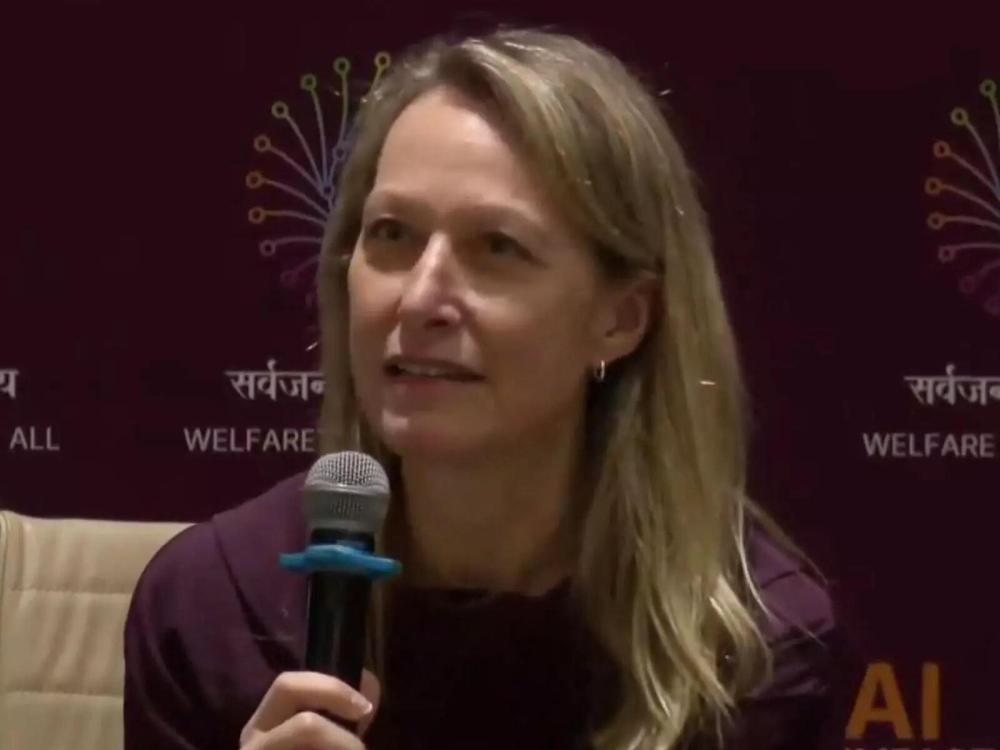
Calista Redmond, VP Sovereign AI at Nvidia says that nations are increasingly looking at their overarching AI story and not just one component. View the full article
-
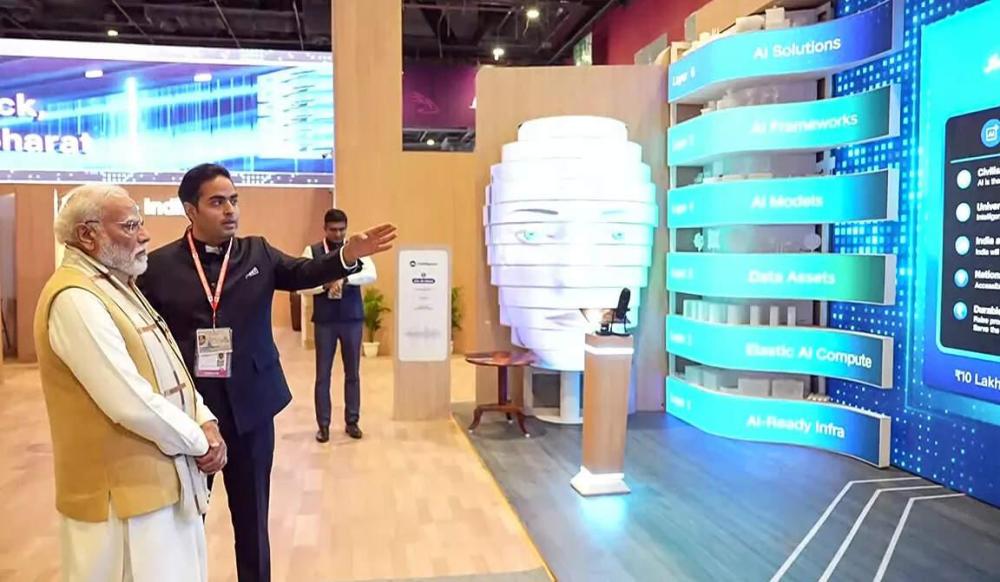
The multilateral agreement is expected to call for greater democratisation of AI resources and a standardised framework for its deployment across sectors, they said. Establishing a formal global creative commons regime for AI will also feature in the joint statement. View the full article
-
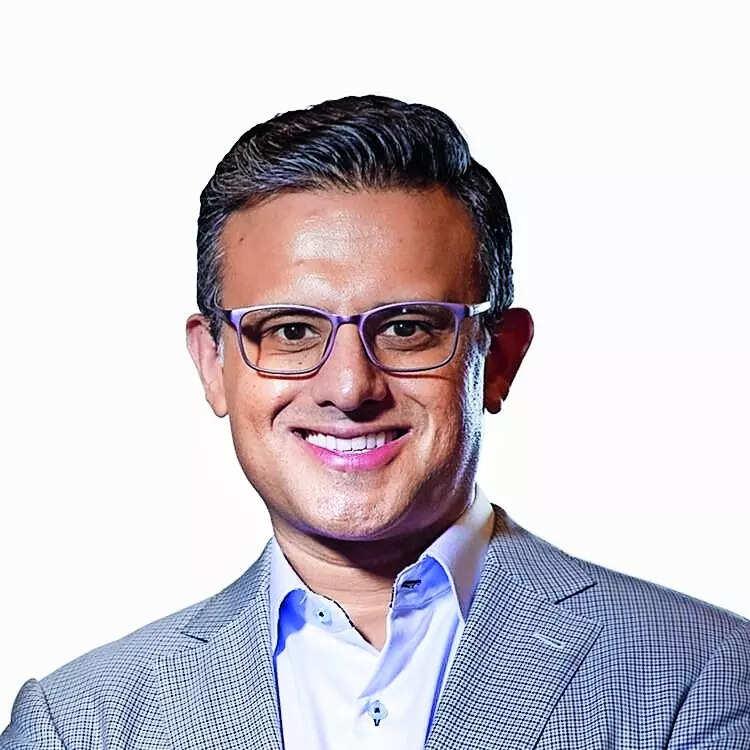
Ro Chawla. head of South Asia & India sales, ST Microelectronics, said he uses AI, like ChatGPT, to improve his golf game by analysing swing speed, distance, and common issues. It suggests driver heads, shaft stiffness, and weight tailored to his profile. This approach narrows choices, making club selection faster, smarter, and far less confusing. View the full article
-
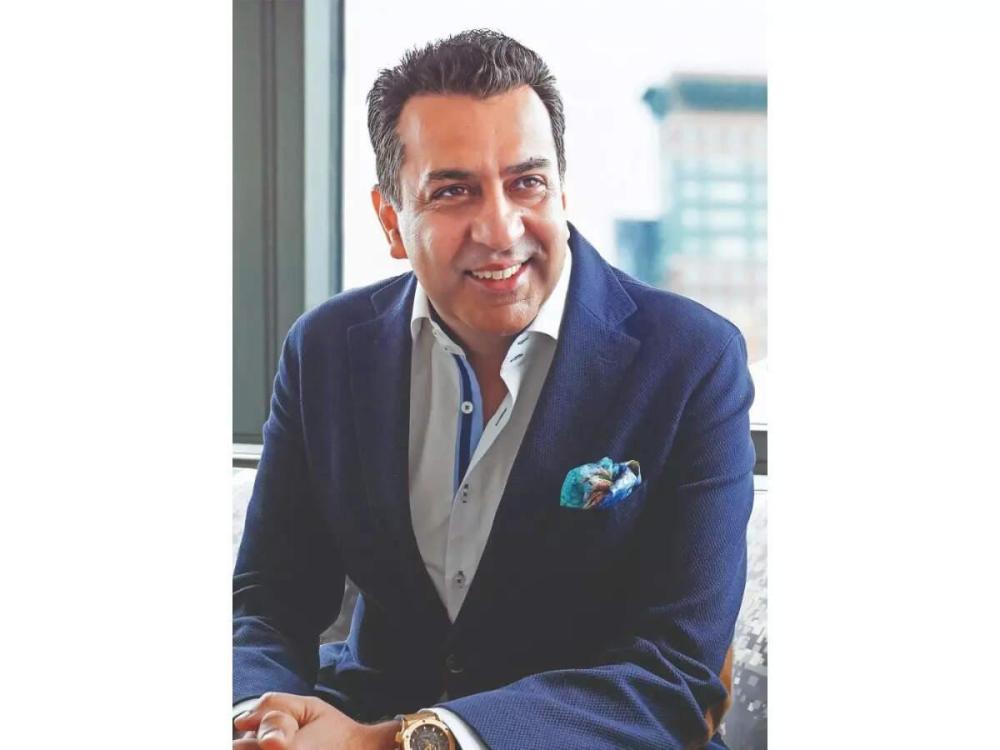
Nitin Rakesh, CEO, Mphasis says firms can’t simply ‘plug in’ AI’ and let go of their employees. They need partners to deploy it responsibly, ethically and effectively. View the full article
-
Top venture capital firms in India are set to invest $300–500 million each into the country’s AI ecosystem, covering infrastructure, enterprise applications and sector-specific solutions. Global and domestic VCs, including Khosla Ventures, Accel India and Lightspeed, are participating. Combined, these commitments could exceed $1 billion, surpassing last year’s startup funding. View the full article
-
Here is a ready reckoner on the 12 AI startups/organisations which are building foundational AI models, backed by the IndiaAI Mission. View the full article