Vishwadeep Khatri
Administrators
-
Joined
-
Last visited
Everything posted by Vishwadeep Khatri
-
Boston Consulting Group reports that AI adoption could reshape 35-50% of Indian banking jobs, addressing limited productivity gains despite increased IT spending. Banks are urged to embrace technology to overcome cost structure challenges. The report also highlights the need for faster credit growth to support India's development goals and concerns over the slow expansion of credit access to new customers. View the full article

-
The $10-trillion wholesale market in the US still relies on spreadsheets and manual processes. This is where WizCommerce comes in, integrating quoting, storefronts, ERP (enterprise resource planning) systems, and payments. It helps distributors manage sales and automate administrative tasks. View the full article

-
Goa is taking significant strides towards becoming an AI-led state by 2027, hosting an event focused on leveraging AI for governance and social impact. The initiative involves collaboration between government, academia, and industry leaders. A key highlight was the MoU signing with Digital India Bhashini Division to introduce multilingual AI solutions, ensuring inclusive and accessible governance for all citizens. View the full article

-
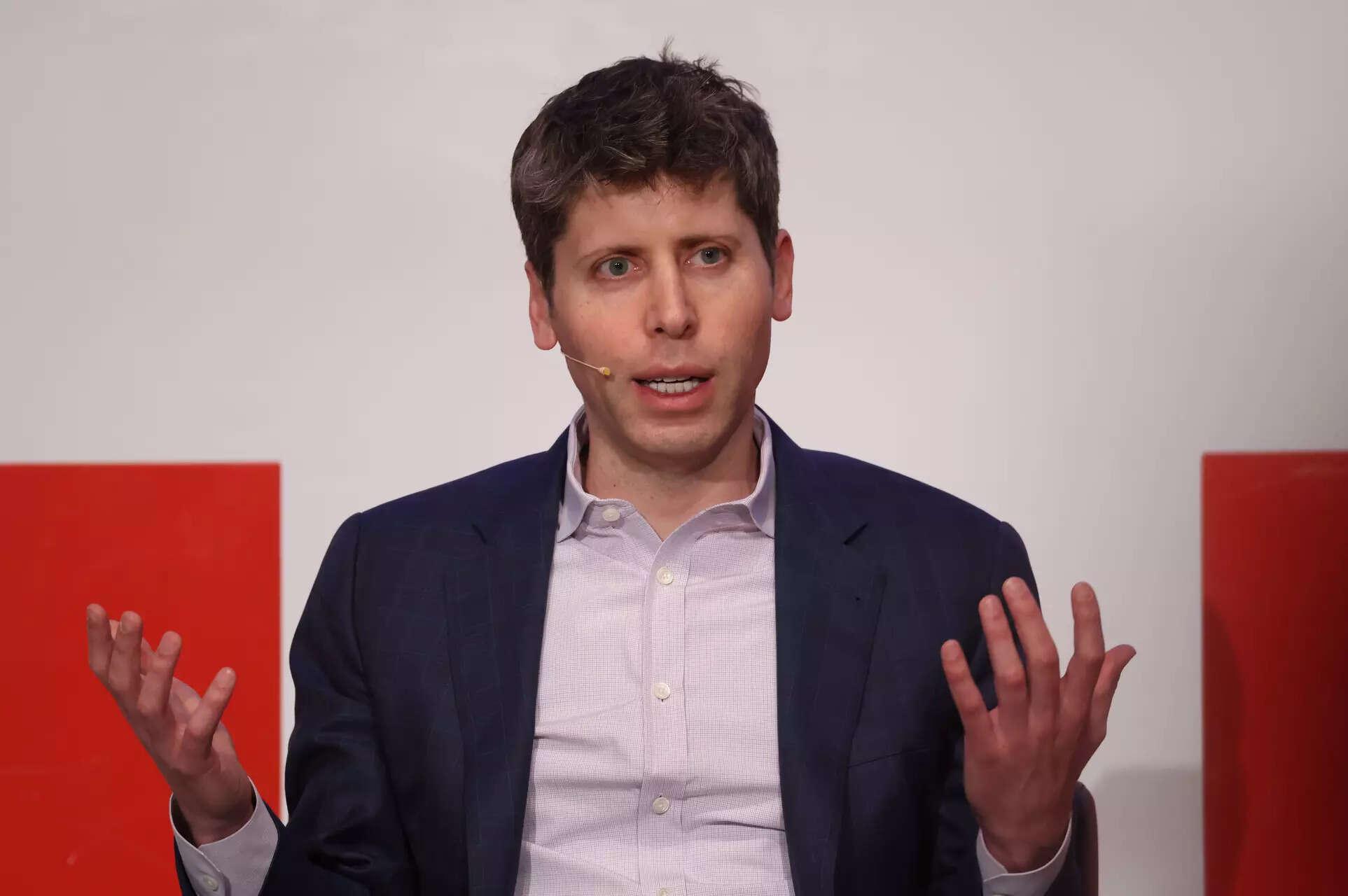
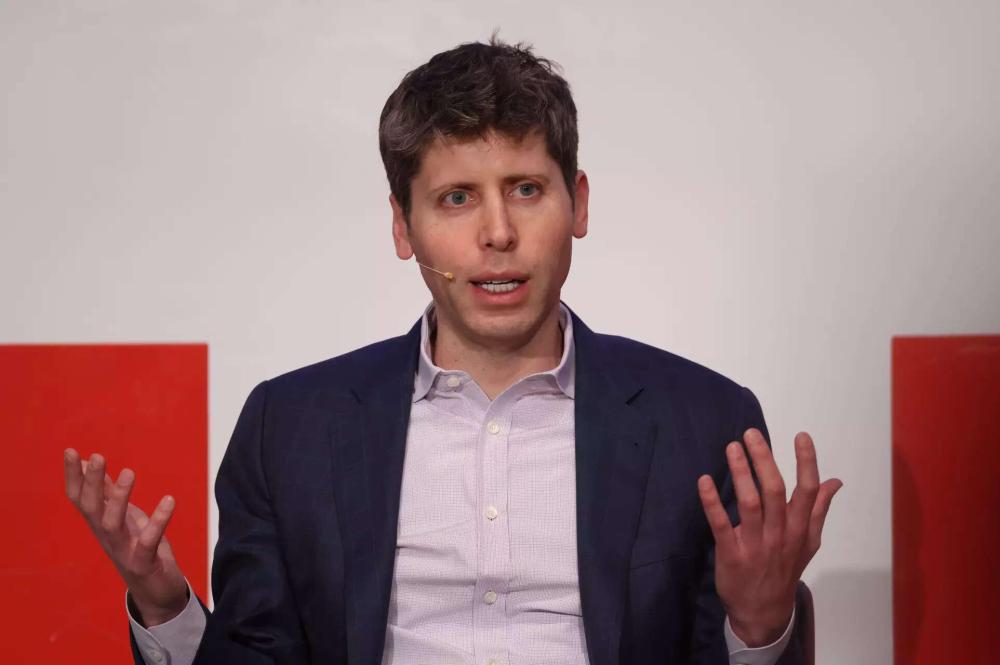
OpenAI CEO Sam Altman proposed a multibillion-pound deal to the UK, offering ChatGPT Plus access for all citizens, but the offer wasn't seriously considered. Despite this, the UK signed an agreement with OpenAI to use its products in public services and collaborate on AI security research. View the full article
-
AI data cloud firm Snowflake is strategically expanding its presence and capabilities, aiming to grow its headcount to over 700 employees by the end of 2025. The company has recently opened a new office in Mumbai and plans to expand its presence in Bengaluru by August 2025. View the full article

-
Microsoft India President Puneet Chandok drew attention to new career avenues emerging with AI, from agent managers to prompt engineers, as he emphasised that job profiles are indeed changing and constant upskilling is vital as organisations adapt to evolving demands. View the full article
-
ChatGPT maker OpenAI has warned against unauthorised opportunities to gain exposure to the company through a variety of means, including special purpose vehicles (SPVs). View the full article
-
Elon Musk's AI startup, xAI, has made Grok 2 open source. Grok 3 will also be open source soon. Musk believes xAI will surpass Google. Chinese companies are expected to be strong competitors. Grok is collaborating with the US government. The Department of Defense will use Grok. Grok will be available in Tesla vehicles. View the full article

-
Vishwadeep Khatri replied to Vishwadeep Khatri's topic in AI for Text-to-Image - Image Generation ToolsExcept for Haikei, all the tools above are Diffusion based.
-
Vishwadeep Khatri replied to Vishwadeep Khatri's topic in AI for Text-to-Image - Image Generation ToolsHere are more text-to-image tools. Midjourney A leading name in AI art, Midjourney has evolved through multiple versions (currently V7 as of April 2025) and continues to be beloved by artists for its stylized, expressive outputs. The tool operates via Discord or its web interface, maintaining a strong creative community. DESSIGN+39meters+3Baveling+3Wikipedia DALL·E 3 (by OpenAI) The latest iteration from OpenAI—known for nuanced, context-aware image generation and integrated editing features—especially accessible through ChatGPT Plus or Microsoft Designer. Lifewire+1 ChatGPT-4o (with Image Generation) Part of ChatGPT‑5’s multimodal expansion—this version allows you to generate and edit images directly in chat, with high realism and accuracy even when dealing with text-heavy prompts. Tom's Guide+1 Ideogram A newer entrant, Ideogram 3.0 is praised for flawless handling of text in images and a mobile-first design, making it ideal for on-the-go creation. Tom's Guide Google Gemini (with Imagen 4) Gemini now includes Imagen 4, enhancing image generation with smart collaboration and editing features—especially appealing if you're already using Google Workspace. Elite AI Tools+15Tom's Guide+15Howik+15 Stable Diffusion XL The next-gen Stable Diffusion model, known for quality, open-source flexibility, and extensive community support. WIRED+4Howik+4Lifewire+4 NightCafe Popular for versatility and ease of access—NightCafe supports a variety of models (e.g., Flux, Runway) and boosts engagement through community galleries. Tom's Guide Freepik (Mystic Model) Freepik, more known as a graphic resource platform, now includes the "Mystic" generative model—known for photorealistic imagery plus advanced editing and upscaling tools. Tom's Guide Luma (Photon Model) Luma’s Photon model introduces an interactive approach to image generation, offering real-time updates and creative control. Baveling+5Tom's Guide+5Wikipedia+5 Recraft A design-focused AI model tailored for brand consistency, layout fidelity, and text clarity. Recraft V3 outperformed DALL·E and Midjourney in benchmark tests and is gaining traction among professionals. UMA Technology+4Wikipedia+4AIlisting.ai+4 Flux (FLUX.1 Models) Developed by Black Forest Labs (founded by former Stability AI members), Flux offers a family of text-to-image models using advanced transformer and flow-based architectures—with modes like Ultra (for high-res) and Raw (for hyper-realism).
-
Synthesia, Elai.io, Fliki, Steve.ai, Invideo AI, Pictory, Sora and Grok Imagine - All use Diffusion Models as their architecture. The use of GANs for text-to-video creation is now very limited.
-
VideoAsk, Descript and Runway are not text-to-video creation tools but use AI for editing or interactive experiences. They are extremely useful and deserve a mention. Here are two more text-to-video generators Sora – OpenAI’s text-to-video model that creates up to 1-minute, high-quality videos from prompts. Handles multi-scene storytelling with strong visual fidelity and safeguards against misuse. Grok Imagine – xAI’s fast text/image-to-video tool that generates 6-second clips with synced audio. Great for viral, short-form content, but comes with moderation concerns due to its “spicy mode.”
-
At the Digital Technology Conclave, Goa minister Rohan Khaunte highlighted the state's push to become a digital leader through the Goa AI Mission 2027. Emphasising inclusive, citizen-centric governance, he said emerging technologies are driving transparency, creativity, and transformation, positioning Goa at the forefront of India’s digital future. View the full article
-
OpenAI chief executive Sam Altman had earlier announced that he will be visiting India in September, highlighting that “AI adoption in India has been amazing to watch—ChatGPT users grew 4x in the past year.” View the full article
-
Jensen Huang, Nvidia's CEO, said Friday in Taipei, Taiwan, that the company was offering a "new product for AI data centers," which would be a version of its most cutting-edge chips that would be modified to reduce some of its performance, as required by the United States. He said he was seeking the Trump administration's approval to sell the chip. View the full article

-
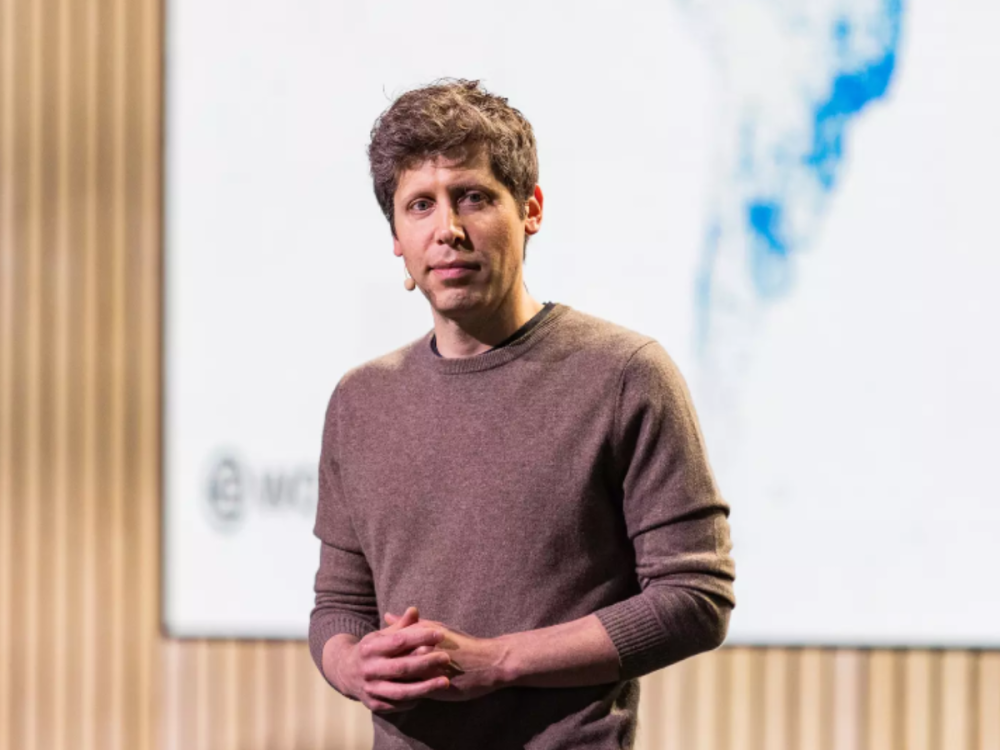
OpenAI CEO Sam Altman is planning a visit India in September, as the company is set to open its first office in the country later this year. The company has established a legal entity and is actively hiring a local team to make AI more accessible across the country. View the full article
-
Students in some high schools in Denmark will be allowed to use artificial intelligence to prepare for English language exams from next year, the education ministry announced on Friday. Denmark has been allowing students to use the internet since 2008 when they take their exams. View the full article

-
The growing adoption of Artificial Intelligence (AI) by corporates could play a key role in reducing the impact of tariffs imposed by the US and help companies navigate through these challenges, according to a report by HSBC. View the full article
-
Q 799. How Can We Prevent Bias From Creeping Into AI-Enabled Processes? AI agents learn patterns from data, prompts, and flows — but those patterns can sometimes carry hidden biases that affect fairness, quality, or even compliance. In a service delivery context, biased AI outputs could impact customer satisfaction, employee morale, or regulatory standing. Think of one process in your domain where bias risk could appear (e.g., prioritizing cases, recommending actions, responding to customers). What specific steps would you take — in design, testing, or monitoring — to minimize the impact of bias? The best answer will be selected on the basis of: Realism and relevance of the bias scenario Practicality of the prevention or mitigation method Clarity and creativity in the proposed approach Note for website visitors - This platform hosts two weekly questions, one on Monday and the other on Thursday. All previous questions can be found here: https://www.benchmarksixsigma.com/forum/lean-six-sigma-business-excellence-questions/. To participate in the current question, please visit the forum homepage at https://www.benchmarksixsigma.com/forum/. The question will be open until Monday or Thursday at 5 PM Indian Standard Time, depending on the launch day. Responses will not be visible until they are reviewed, and only non-plagiarised answers with less than 5-10% plagiarism will be considered for winner selection. If you are unsure about plagiarism, please check your answer using a plagiarism checker tool such as https://smallseotools.com/plagiarism-checker/ before submitting. All correct answers shall be published, and the top-rated answer will be displayed first. The author will receive an honourable mention in our Business Excellence dictionary at https://www.benchmarksixsigma.com/forum/business-excellence-dictionary-glossary/ along with the related term. Some people seem to be using AI platforms to find forum answers. This is a risky approach as AI responses are error-prone because our questions are application-oriented (they are never straightforward). Have a look at this funny example - https://www.benchmarksixsigma.com/forum/topic/39458-using-ai-to-respond-to-forum-questions/ We also use an AI content detector at https://quillbot.com/ai-content-detector. Only answers with less than 45-50% AI-generated content will be considered for winner selection.
-
Meta Platforms has paused hiring in its AI division after onboarding over 50 researchers and engineers, according to the Wall Street Journal. A Meta spokesperson stated this is part of routine organisational planning and budgeting to structure its new superintelligence initiatives following recent team expansions. View the full article
-
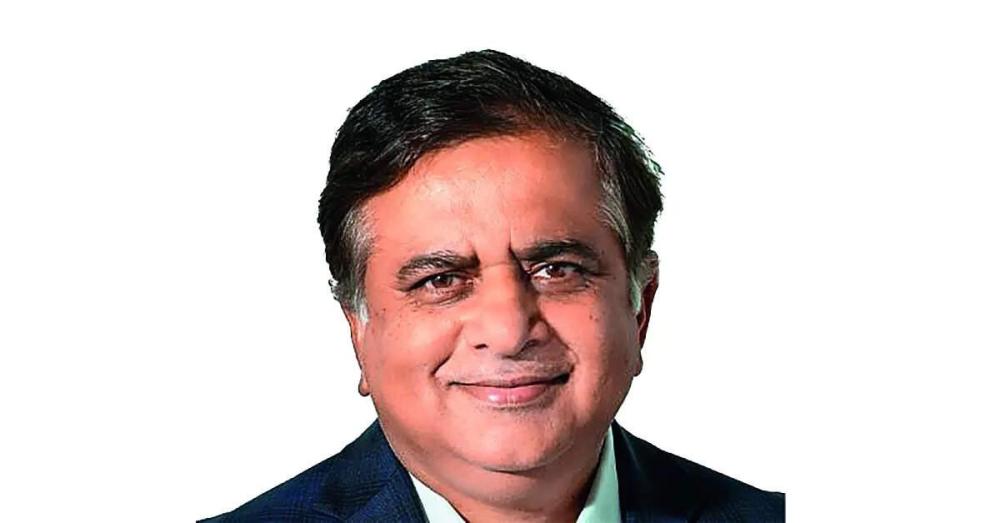
Clearwater Analytics CEO Sandeep Sahai emphasises that data, not just large language models, is the key differentiator for enterprises leveraging generative AI. He highlights the importance of accurate data for training AI models, especially in industries requiring high precision. View the full article
-
Indian organisations are rapidly adopting Artificial Intelligence. Microsoft's report indicates a significant move towards AI-driven workforce enhancement. Ninety-three percent of Indian leaders plan to use AI agents soon. Frontier Firms are redesigning operations around human-agent collaboration. Many leaders are already using AI to automate processes. This shift enables organisations to scale faster. View the full article

-
Highlighting how Indian companies are ahead of their global counterparts in adopting generative AI tools, the report has pointed out productivity, creativity, and security have emerged as the biggest drivers of change. View the full article

-
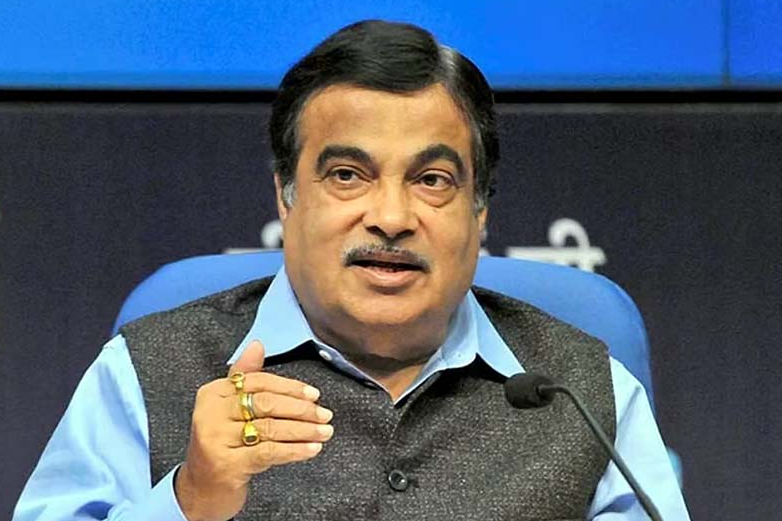
Addressing an event here, Gadkari said innovation, technology and AI will be India's strength. View the full article
-
The new structure is meant to “accelerate” the company’s pursuit of so-called superintelligence, according to an internal memo sent Tuesday by Alexandr Wang, the former Scale AI chief executive officer who recently joined Meta as chief AI officer. View the full article