Vishwadeep Khatri
Administrators
-
Joined
-
Last visited
Everything posted by Vishwadeep Khatri
-
Chinese tech giants Alibaba and Baidu are adopting self-designed chips to train their AI models, partly reducing reliance on Nvidia hardware, The Information reported. The move reflects China’s push for semiconductor independence amid US export controls. View the full article
-
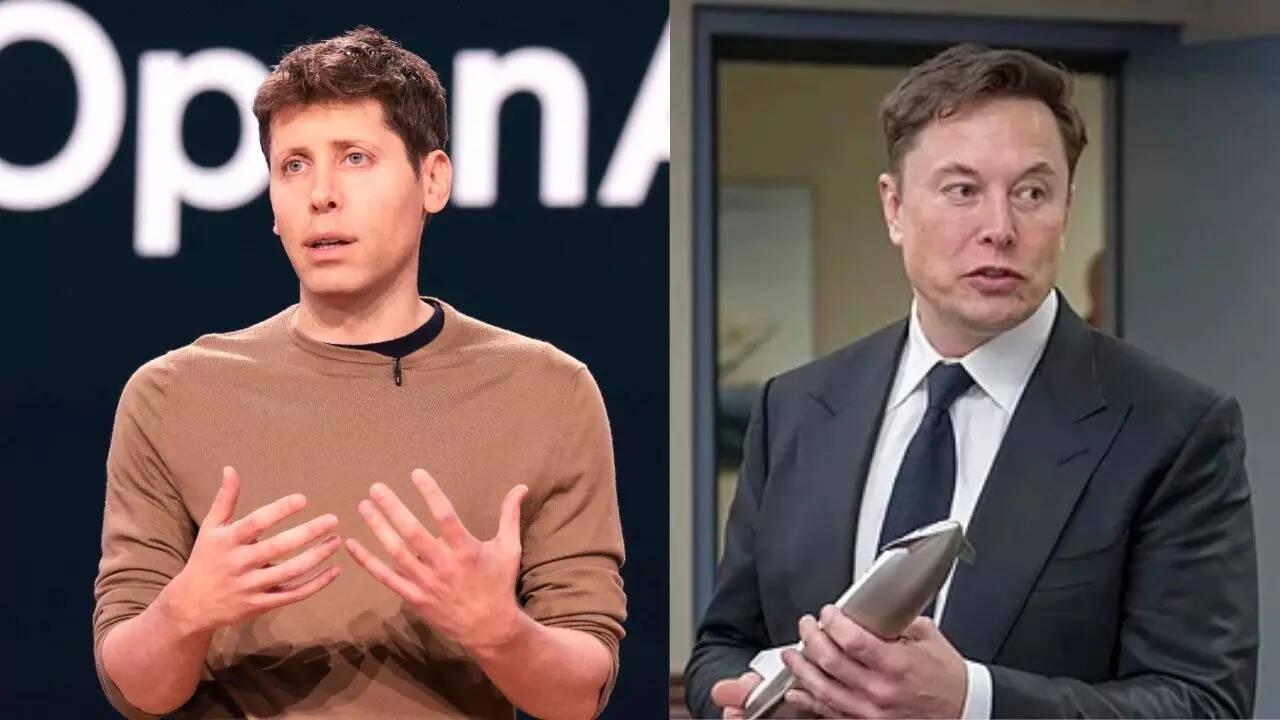
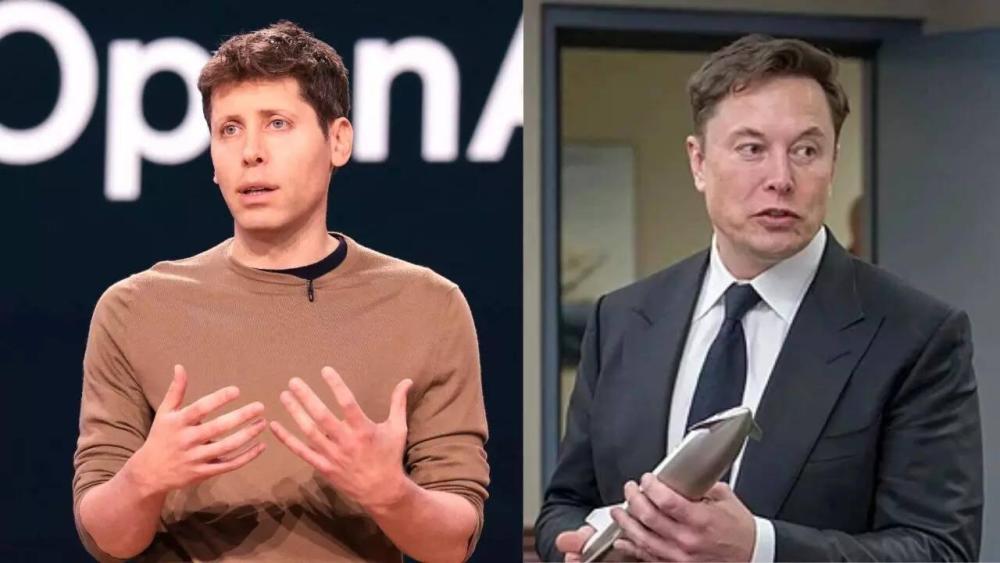
Musk’s tweet came after OpenAI chief Sam Altman’s interview with American television host and conservative political commentator Tucker Carlson, who said the death declared a suicide by authorities was "definitely murder." View the full article
-
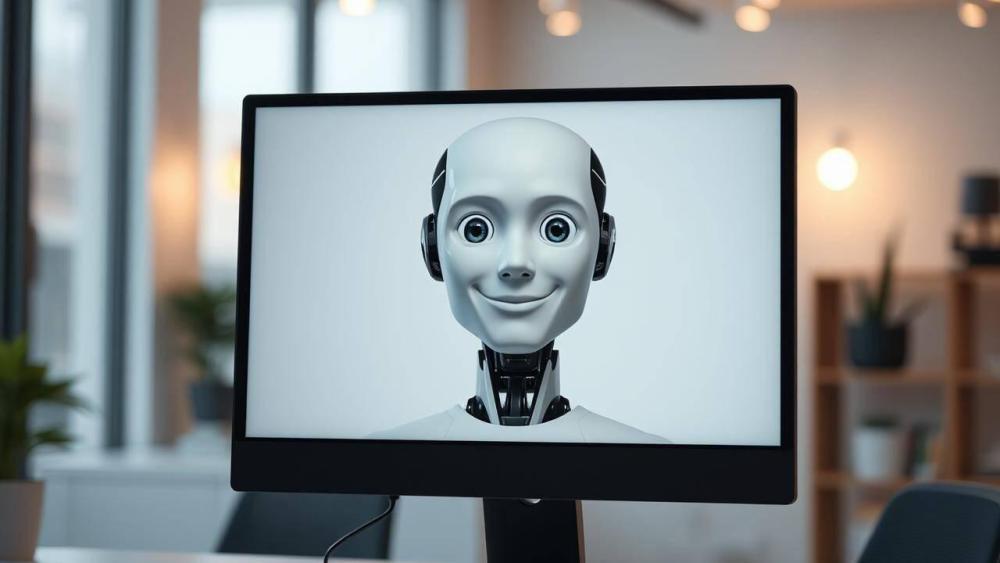
Prime Minister Edi Rama, who is about to begin his fourth term, said on Thursday that Diella, which means "sun" in Albanian, will manage and award all public tenders in which the government contracts private companies for various projects. View the full article
-
The enterprise software maker's remarkable rise, fueled by a wave of multi-billion-dollar cloud deals, puts the spotlight on the scramble for computing power from companies that are pouring billions to become leaders in the AI race. View the full article

-
The woman, a resident of C V Raman Nagar, who claimed to be unaware of deepfake technology fell for the AI-generated video of Sadhguru while she was scrolling through Youtube videos, they said. View the full article
-
Q 805. Business Excellence focuses on improving what already exists, but true breakthroughs often come from new ideas. AI can scan trends, connect distant concepts, and even generate novel solutions that humans might overlook. Think of your domain: Where could AI be used not just to optimize processes, but to spark innovation — whether in products, services, or customer experiences? What approach would you take to make sure those AI-generated ideas are both creative and feasible? The best answer will be selected on the basis of: - Relevance and originality of the innovation scenario - Practicality of applying AI to generate or refine ideas - Clarity in balancing creativity with feasibility Note for website visitors - This platform hosts two weekly questions, one on Monday and the other on Thursday. All previous questions can be found here: https://www.benchmarksixsigma.com/forum/lean-six-sigma-business-excellence-questions/. To participate in the current question, please visit the forum homepage at https://www.benchmarksixsigma.com/forum/. The question will be open until Monday or Thursday at 5 PM Indian Standard Time, depending on the launch day. Responses will not be visible until they are reviewed, and only non-plagiarised answers with less than 5-10% plagiarism will be considered for winner selection. If you are unsure about plagiarism, please check your answer using a plagiarism checker tool such as https://smallseotools.com/plagiarism-checker/ before submitting. All correct answers shall be published, and the top-rated answer will be displayed first. The author will receive an honourable mention in our Business Excellence dictionary at https://www.benchmarksixsigma.com/forum/business-excellence-dictionary-glossary/ along with the related term. Some people seem to be using AI platforms to find forum answers. This is a risky approach as AI responses are error-prone because our questions are application-oriented (they are never straightforward). Have a look at this funny example - https://www.benchmarksixsigma.com/forum/topic/39458-using-ai-to-respond-to-forum-questions/ We also use an AI content detector at https://quillbot.com/ai-content-detector. Only answers with less than 45-50% AI-generated content will be considered for winner selection.
-
Vishwadeep Khatri replied to Vishwadeep Khatri's topic in We ask and you answer! The best answer wins!Congratulations to Gaurav Saxena, whose well-structured response on banking fraud detection stood out as the winning entry. His clear articulation of the risk scenario, the “digital twin” approach to AI-powered detection, and thoughtful measures to balance alerts with governance made his answer the most comprehensive. Close runner-ups include Monica Salunkhe, for her detailed and highly practical framework on invoice fraud detection, Osama Qazaqi, for a robust IT operations monitoring solution, and Gagan Kathuria, for his focused and realistic case on early fraud detection in auto insurance. We also acknowledge the strong contributions from KV RaviTeja, B. Ravi Sankar, Kanak RoyChowdhury, Solomon Gnanaraj, Tushar Ghosh, Gopu Nair, Nehal Soni, Debanjana Basu, and Shailendra Rai. Each of these entries brought valuable perspectives from their domains, ranging from IT projects and healthcare contracts to KYC processes, portfolio risks, and insurance transactions. Their insights collectively highlight the wide applicability of AI in proactive risk detection and the creative ways professionals are thinking about reducing risks before they escalate.
-
In the study released on August 31, academics at George Washington University simulated a Federal Open Market Committee meeting using AI agents modeled by each member based on their historical policy stances, biographies and speeches. View the full article
-
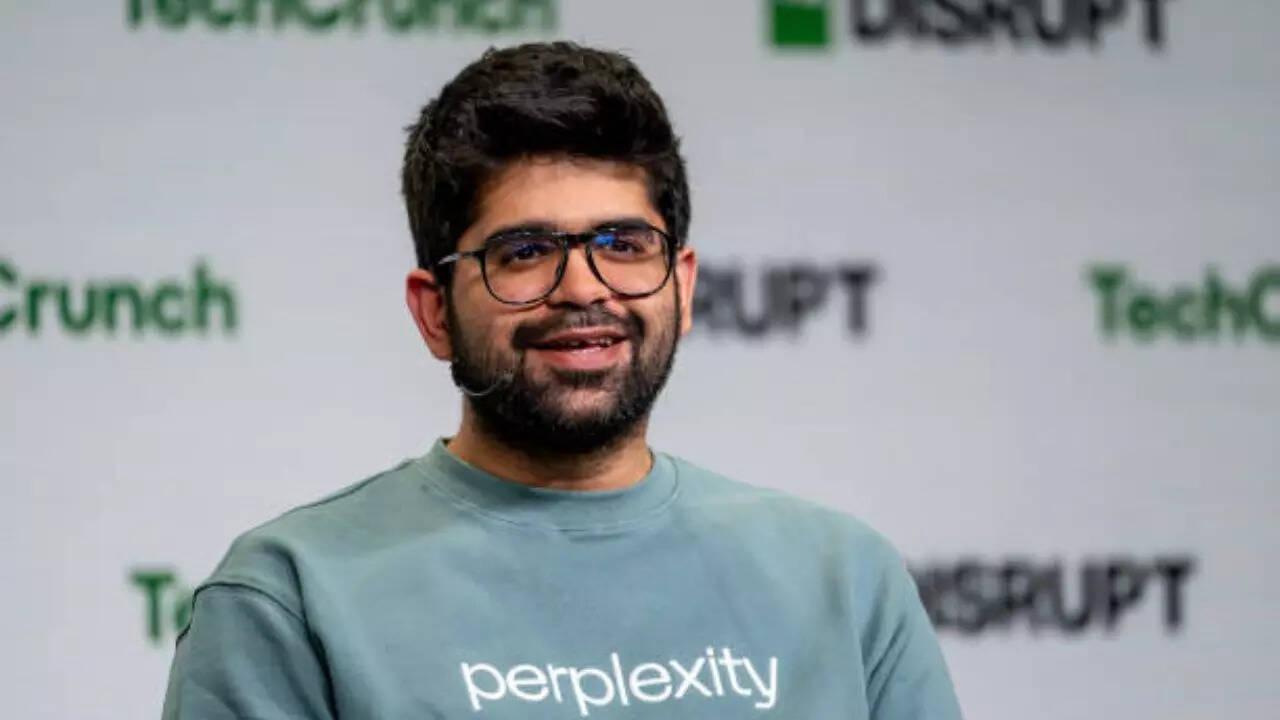
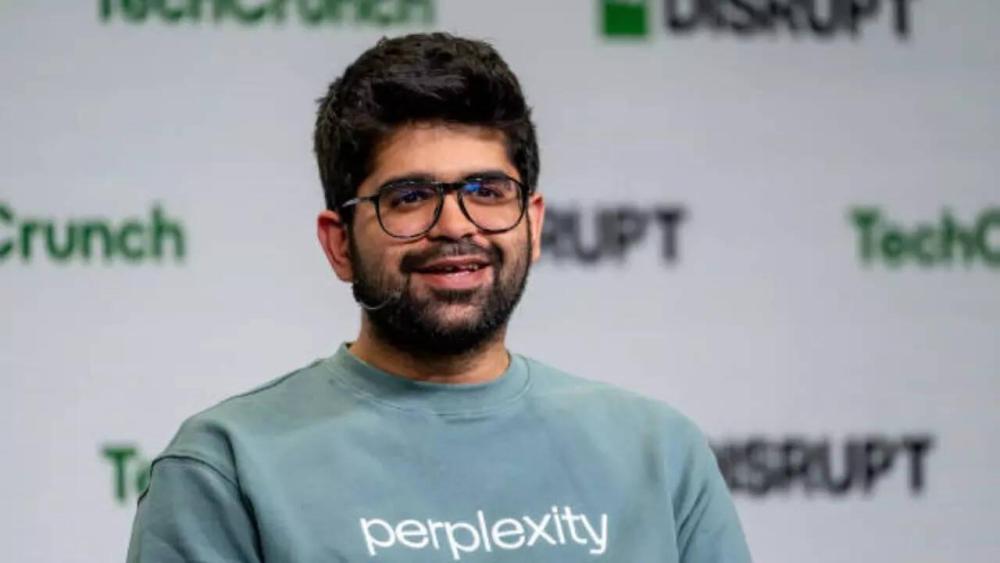
Run by Aravind Srinivas, Perplexity in August made a $34.5 billion unsolicited all-cash offer for Alphabet's Chrome browser, a bid far above its own valuation. The Nvidia-backed startup has taken on Google Chrome with its AI browser, Comet, that can perform certain tasks on a user's behalf. View the full article
-
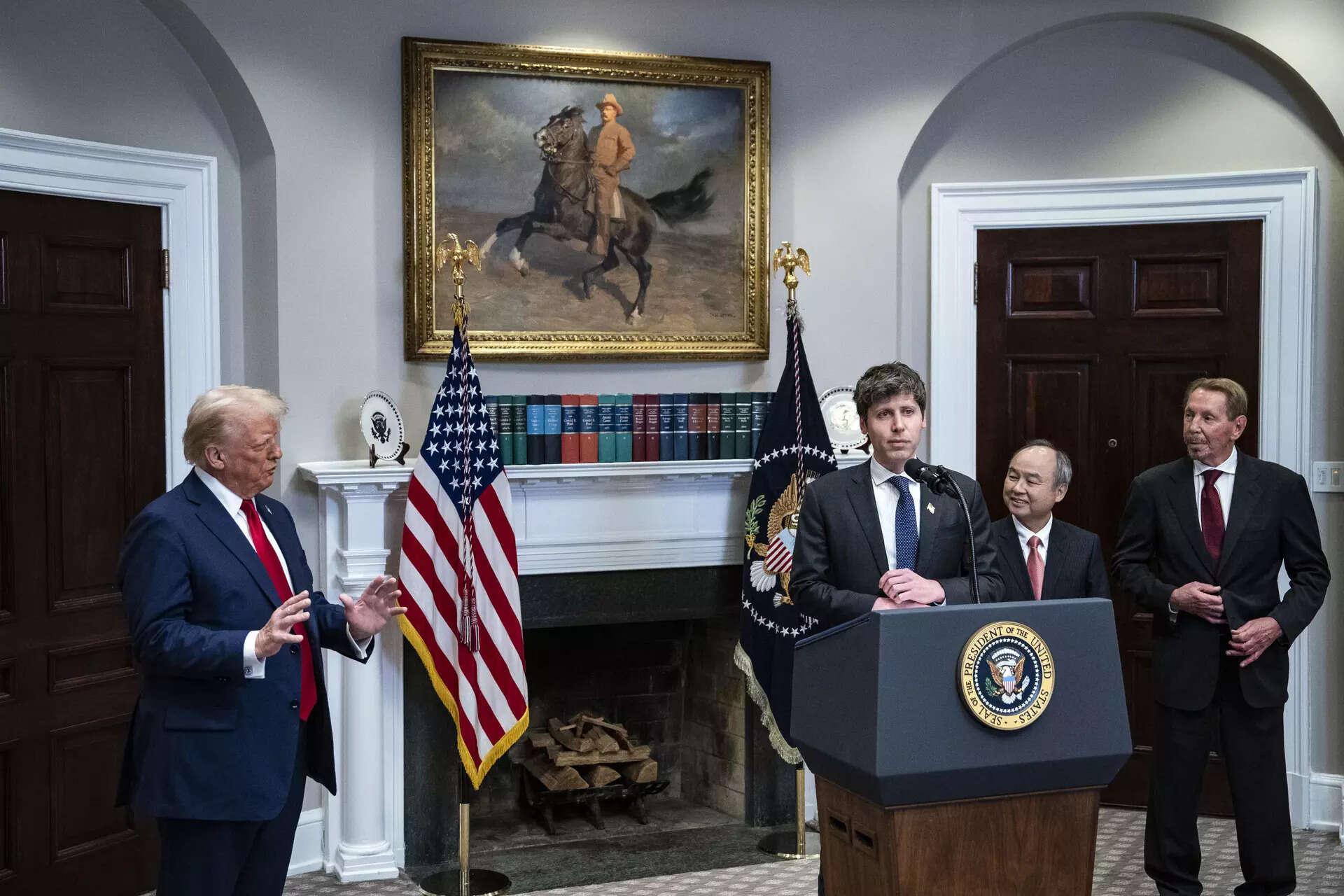
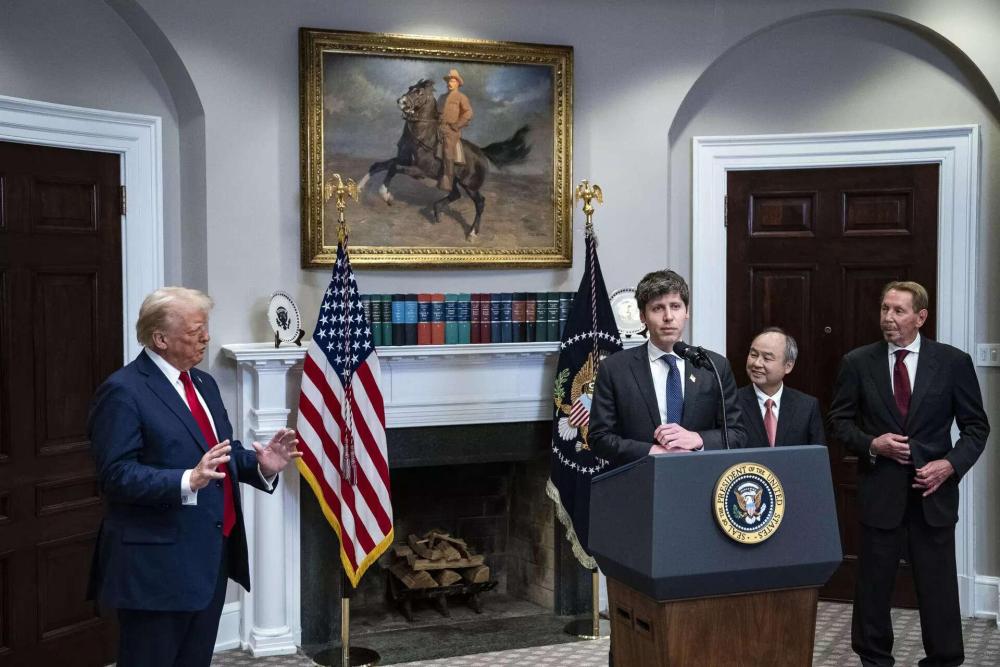
OpenAI previously said it had reached a deal with Oracle to build massive AI data centers in the United States as part of what it calls Project Stargate. But the AI startup had not revealed the particulars of the pact. View the full article
-
While the project is being celebrated as a breakthrough for creativity and technology, it has also triggered tough questions in India and elsewhere, such as who owns the rights to works made by AI and can such works be legally protected? View the full article
-
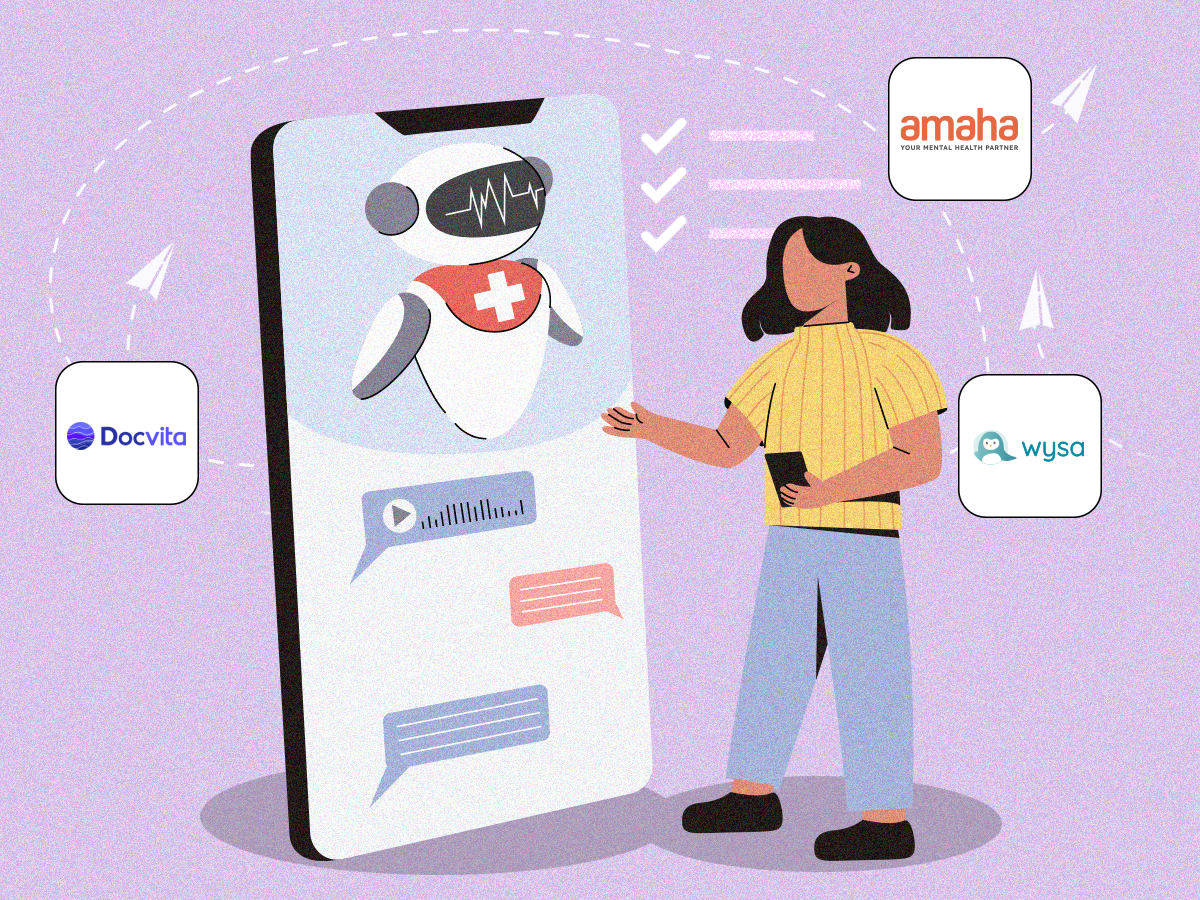
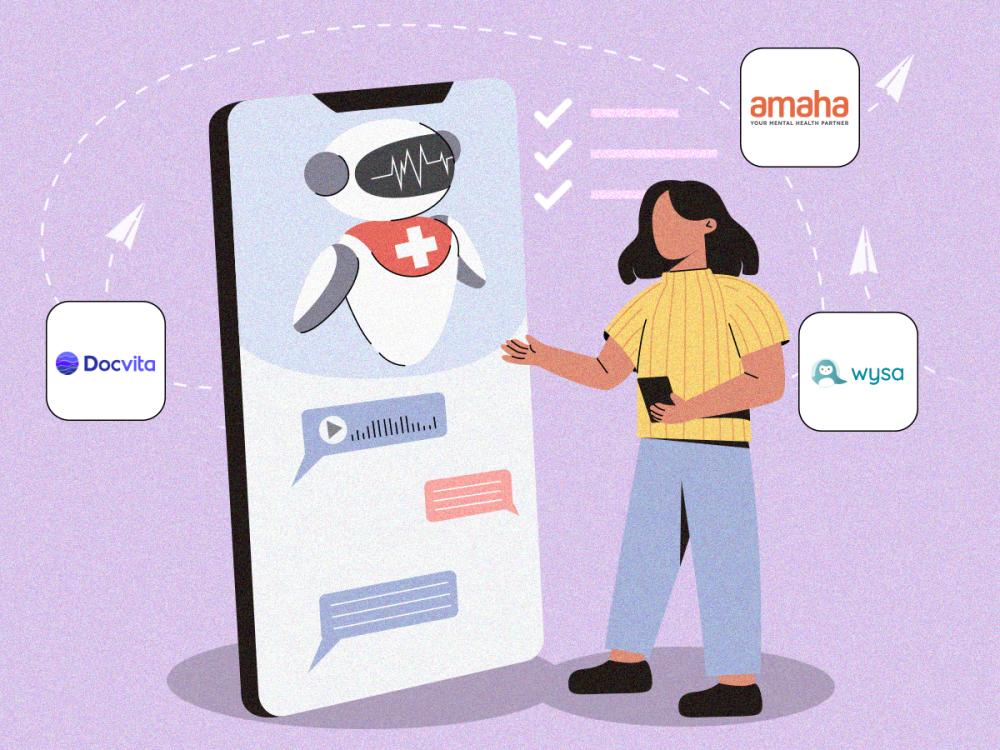
The rise of AI chatbots like ChatGPT, Gemini, and Claude for online mental health platforms is expanding. Docvita saw 16% user growth, while Amaha Health 80%. These companies are also building customer-facing chatbots and in-house models. View the full article
-
ASML is investing 1.3 billion euros in Mistral AI as part of a series C funding round, making it Mistral's main shareholder as it will hold a stake of about 11%. View the full article

-
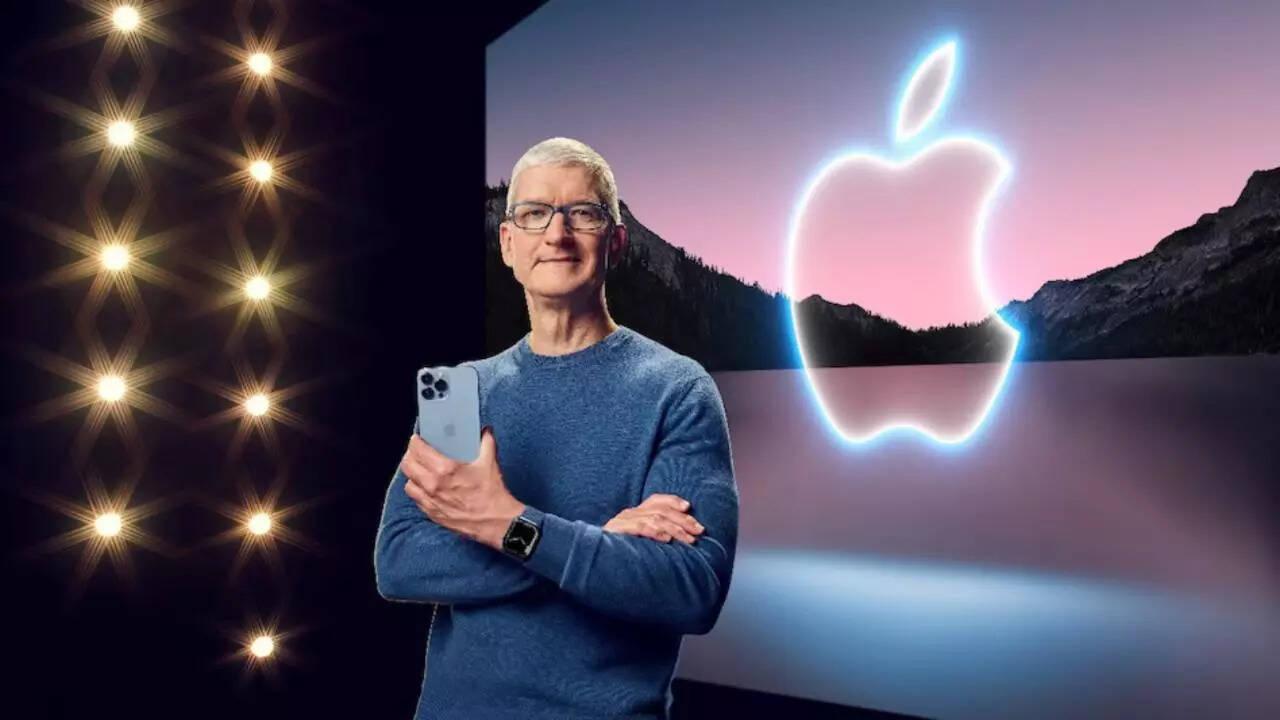
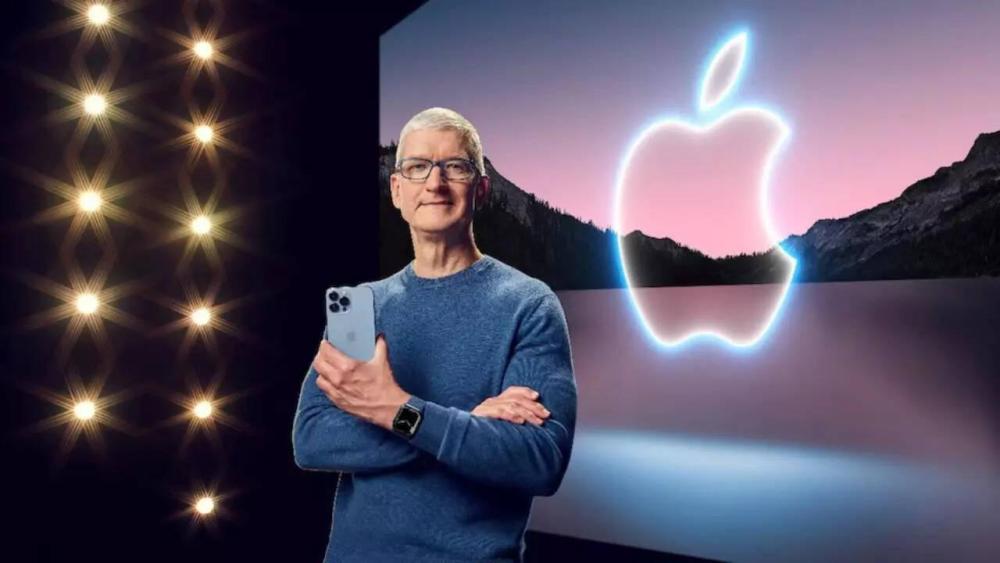
Apple is set to unveil its iPhone 17 lineup on Tuesday, with enhanced artificial intelligence features expected to take center stage. Apple introduced its "Apple Intelligence" AI features late last year, but the features underwhelmed users -- particularly the long-awaited improvements to its Siri voice assistant, which remained disappointingly basic. View the full article
-
ChatGPT-maker OpenAI is backing the production of a feature-length animated film created largely with artificial intelligence tools, aiming to prove the technology can revolutionize Hollywood filmmaking with faster timelines and lower costs. The project has a budget of under $30 million and a production timeline of just nine months -- a fraction of the typical $100-200 million cost and three-year development cycle for major animated features. View the full article
-
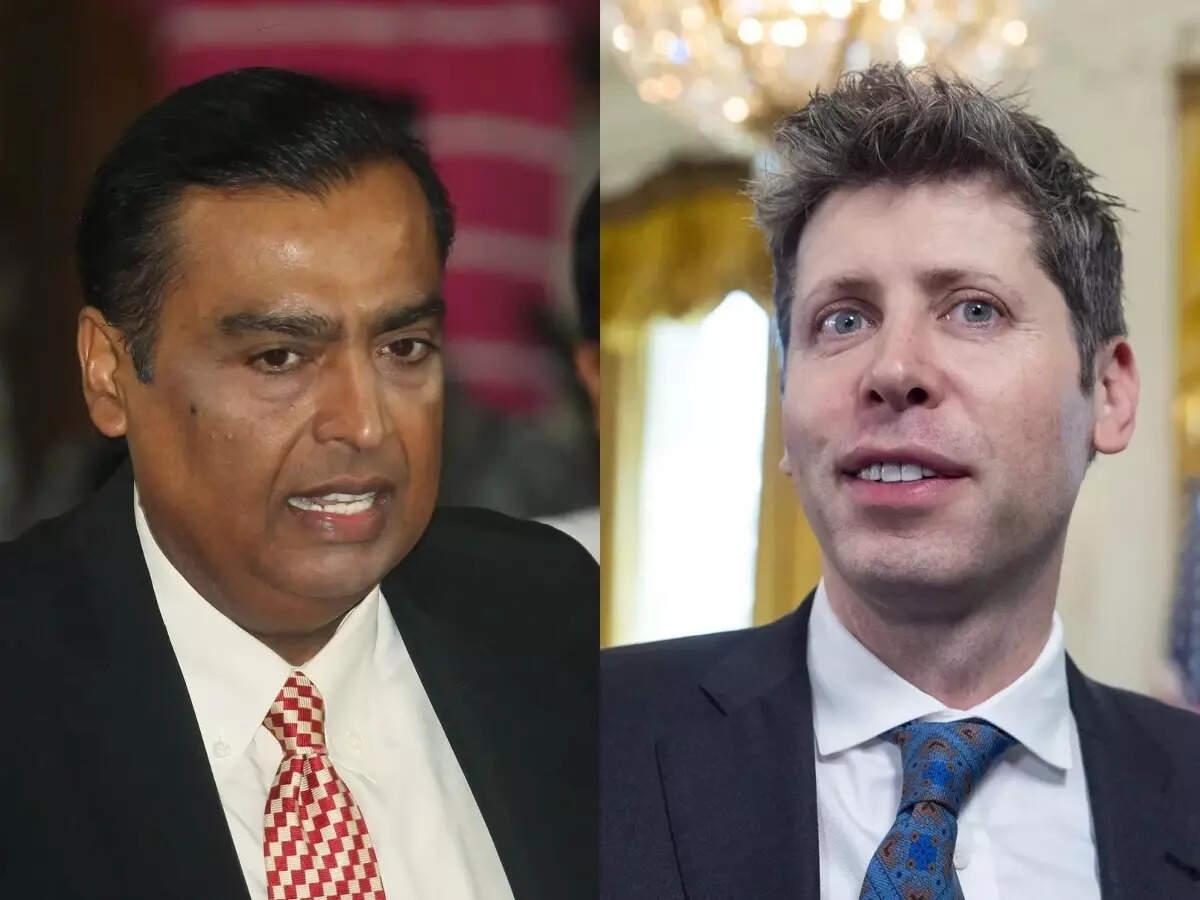
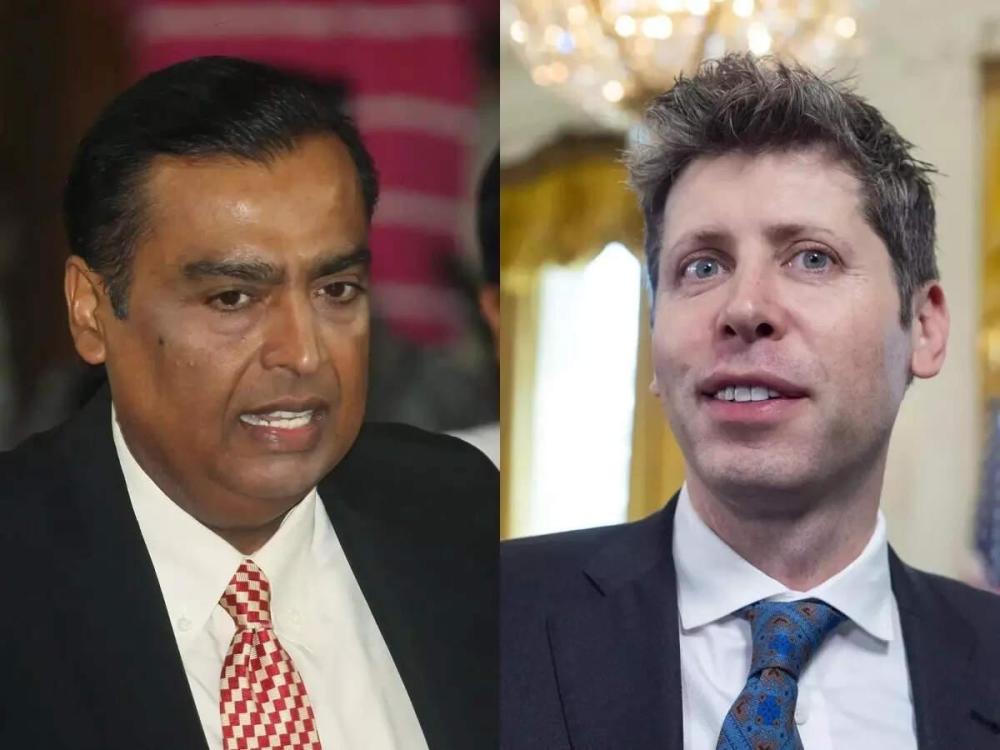
OpenAI is in discussions with Indian data center companies like Sify Technologies and Reliance Industries to potentially bring its $500 billion Stargate supercomputing project to India. The Indian government has requested OpenAI to invest a significant portion of the project in India and store Indian user data locally. View the full article
-
Ecommerce firms are betting on generative AI to forecast demand, personalise shopping and streamline logistics. The coming festive quarter will reveal if the tech is truly battle-ready View the full article

-
Q 804. Organizations often rely on lagging indicators — audits, escalations, or after-action reviews — to discover risks, by which time damage may already be done. AI offers the possibility to detect patterns, anomalies, and weak signals much earlier. Think of one process in your domain where early risk detection could make a huge difference. How could an AI solution help identify and flag risks proactively — and what mechanisms would you use to ensure these alerts are taken seriously without causing “alarm fatigue”? The best answer will be selected on the basis of: - Relevance and clarity of the chosen risk scenario - Practicality of the AI-driven detection approach - Thoughtfulness in balancing sensitivity with reliability Note for website visitors - This platform hosts two weekly questions, one on Monday and the other on Thursday. All previous questions can be found here: https://www.benchmarksixsigma.com/forum/lean-six-sigma-business-excellence-questions/. To participate in the current question, please visit the forum homepage at https://www.benchmarksixsigma.com/forum/. The question will be open until Monday or Thursday at 5 PM Indian Standard Time, depending on the launch day. Responses will not be visible until they are reviewed, and only non-plagiarised answers with less than 5-10% plagiarism will be considered for winner selection. If you are unsure about plagiarism, please check your answer using a plagiarism checker tool such as https://smallseotools.com/plagiarism-checker/ before submitting. All correct answers shall be published, and the top-rated answer will be displayed first. The author will receive an honourable mention in our Business Excellence dictionary at https://www.benchmarksixsigma.com/forum/business-excellence-dictionary-glossary/ along with the related term. Some people seem to be using AI platforms to find forum answers. This is a risky approach as AI responses are error-prone because our questions are application-oriented (they are never straightforward). Have a look at this funny example - https://www.benchmarksixsigma.com/forum/topic/39458-using-ai-to-respond-to-forum-questions/ We also use an AI content detector at https://quillbot.com/ai-content-detector. Only answers with less than 45-50% AI-generated content will be considered for winner selection.
-
The latest round was led by Founders Fund, the venture capital firm backed by Peter Thiel, and included existing investors such as Lux Capital, Joe Lonsdale’s 8VC, Elad Gil, Definition Capital and Swish Ventures, the company said Monday. View the full article

-
LinkedIn India head Kumaresh Pattabiraman says professionals must view jobs as evolving skills, not fixed titles, to thrive in the AI era. Instead, AI is reshaping what jobs look like, and doing so very quickly, according to him. View the full article
-
In the second quarter, the company serving around 15,000 customers including energy major Shell and electric-vehicle maker Rivian, surpassed a $4 billion revenue run rate, with AI products reaching $1 billion. View the full article
-
Vishwadeep Khatri replied to Vishwadeep Khatri's topic in We ask and you answer! The best answer wins!After reviewing all the responses, the winning answer is by Pavitra Jain. Her response stood out for weaving together a real-world SaaS/B2B support scenario with an AI-powered workforce model that balanced technical expertise, customer priorities, and employee well-being. The level of detail around fairness (stress balancing, growth opportunities, explainable AI) and the creativity in design (dynamic preference learning, collaborative filtering, decision audit trails) made it a comprehensive, practical, and forward-looking vision of workforce scheduling. At the same time, several other entries deserve strong appreciation. Shubham Chamoli, Monica Salunkhe, Rohan Modak, Shailendra Rai, and Arunangshu all delivered excellent perspectives that combined relevance, fairness, and creativity in unique ways. Each one highlighted how AI can move scheduling beyond simple rosters to become a tool for employee trust, organizational agility, and long-term workforce growth. To everyone else who contributed — your ideas added real diversity and richness to the discussion, and even where brevity or scope was limited, the seeds of valuable insights were clear. Keep building on this momentum — the best innovations often come from refining early sparks into structured solutions.
-
The plan was announced even as the new data shows the numbers of AI firms in the country surged to 5000 from 1400 in the past five years. The plan emphasises breakthroughs in key technologies such as data, computing power and algorithms, outlining measures to optimise data-sharing mechanisms. View the full article
-
The report noted that while water use for cooling data centres is widely acknowledged, the indirect water use through electricity generation remains underappreciated. AI's broader water footprint also includes semiconductor manufacturing. View the full article

-
ASML is set to become the largest shareholder in French AI startup Mistral AI by investing €1.3 billion in its €1.7 billion fundraising round. This move aims to boost European tech independence, with Mistral valued at €10 billion, competing against US giants like OpenAI and Google. View the full article