Vishwadeep Khatri
Administrators
-
Joined
-
Last visited
Everything posted by Vishwadeep Khatri
-
A new Bain & Co. report projects a massive $800 billion revenue shortfall for AI companies by 2030. While firms are investing heavily in data centers and AI development, particularly autonomous agents, revenue from services like ChatGPT isn't keeping pace. This raises concerns about the industry's valuations and business models, especially as computing and energy demands surge. View the full article

-
Nvidia currently dominates the AI chip market, earning vast profits as developers pay the so-called "Nvidia tax." However, this monopoly is under pressure as big tech firms and competitors work to develop their own chips, aiming to reduce reliance on Nvidia. View the full article
-
In China, Huawei and Alibaba are developing AI chips to rival Nvidia and have stepped up domestic manufacturing in recent years. According to reports, Alibaba’s AI chip could rival the performance of Nvidia’s H20 chips designed for the Chinese market. In the past year, at least two companies--C2i Semiconductors and Agrani Labs--have started developing AI computing chips in India, drawing investor interest. View the full article

-
Q 808. In multinational organizations, the same process is often executed differently across regions due to cultural habits, regulations, or local practices. AI could help standardize certain aspects — while still allowing flexibility where it’s needed. Think of a process in your domain that varies widely across teams or geographies. How could AI support greater standardization without stifling local adaptability? ⚠️ Note: Any answer that is generic or does not connect with a specific, relevant process will not be approved. 🏆 The best answer will be selected on the basis of: Relevance of the global/local process scenario Practicality of the AI-enabled standardization approach Balance between consistency and flexibility Note for website visitors - This platform hosts two weekly questions, one on Monday and the other on Thursday. All previous questions can be found here: https://www.benchmarksixsigma.com/forum/lean-six-sigma-business-excellence-questions/. To participate in the current question, please visit the forum homepage at https://www.benchmarksixsigma.com/forum/. The question will be open until Monday or Thursday at 5 PM Indian Standard Time, depending on the launch day. Responses will not be visible until they are reviewed, and only non-plagiarised answers with less than 5-10% plagiarism will be considered for winner selection. If you are unsure about plagiarism, please check your answer using a plagiarism checker tool such as https://smallseotools.com/plagiarism-checker/ before submitting. All correct answers shall be published, and the top-rated answer will be displayed first. The author will receive an honourable mention in our Business Excellence dictionary at https://www.benchmarksixsigma.com/forum/business-excellence-dictionary-glossary/ along with the related term. Some people seem to be using AI platforms to find forum answers. This is a risky approach as AI responses are error-prone because our questions are application-oriented (they are never straightforward). Have a look at this funny example - https://www.benchmarksixsigma.com/forum/topic/39458-using-ai-to-respond-to-forum-questions/ We also use an AI content detector at https://quillbot.com/ai-content-detector. Only answers with less than 45-50% AI-generated content will be considered for winner selection.
-
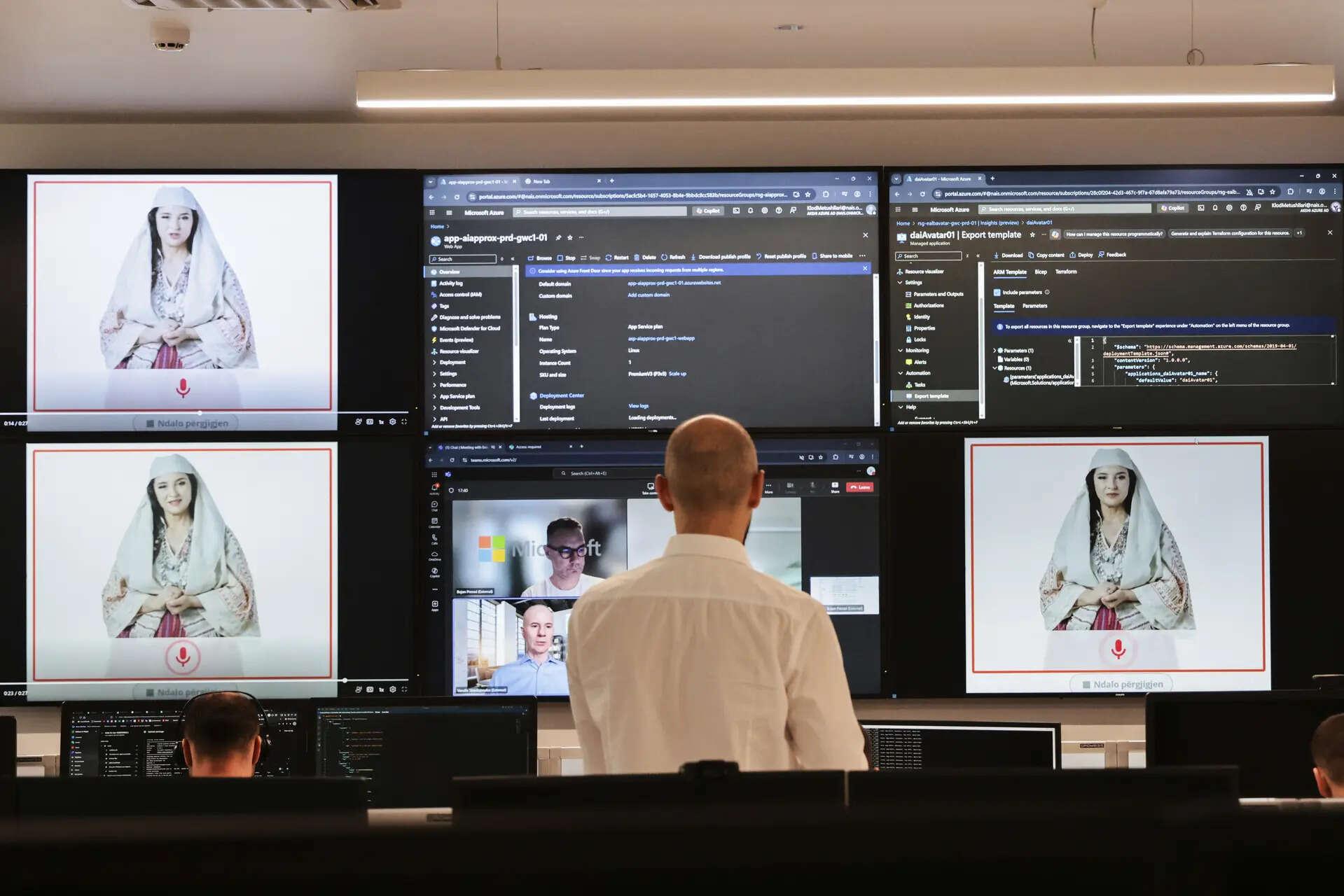
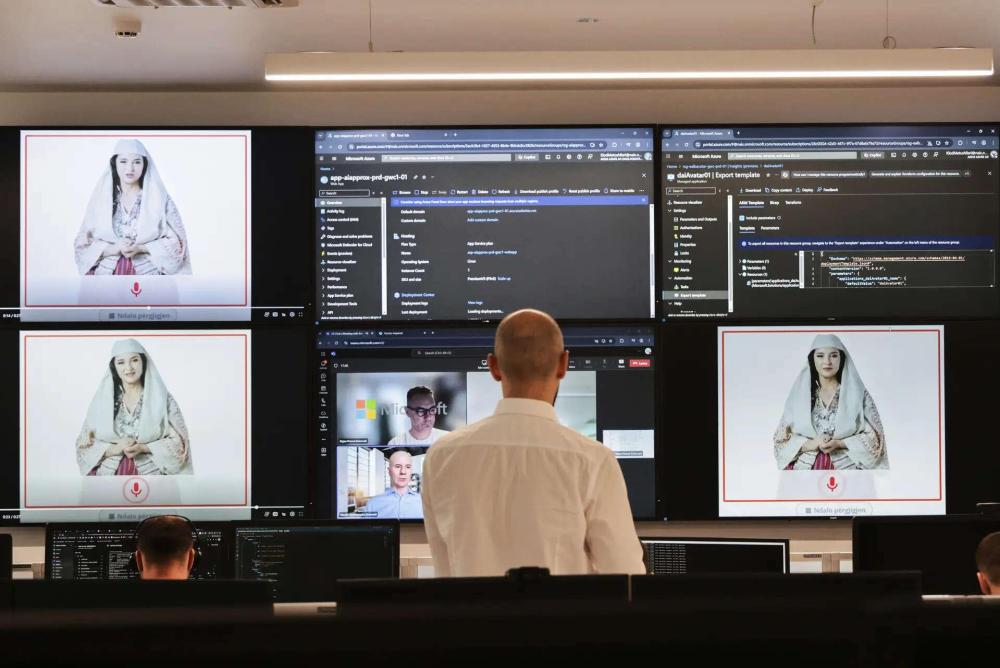
Albania appointed “Diella,” the world’s first AI-generated minister, to oversee public tenders, aiming to curb corruption and boost EU accession prospects. Prime Minister Edi Rama calls her incorruptible, but experts warn flawed data, biases, and lack of accountability could worsen problems. View the full article
-
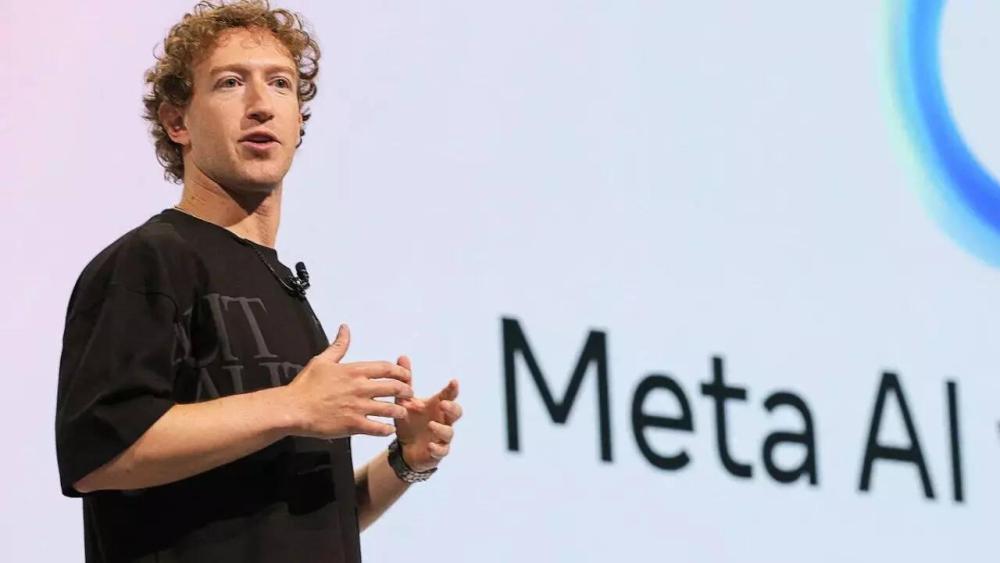
The General Services Administration, the government's purchasing arm, will add Llama to its list of approved AI tools for federal agencies, said Josh Gruenbaum, the GSA's procurement lead, in an interview ahead of announcing the initiative. View the full article
-
Vishwadeep Khatri replied to Vishwadeep Khatri's topic in We ask and you answer! The best answer wins!Congratulations to Monica Salunkhe, whose detailed design of a GST “Tax Brain” agent emerged as the winning entry. By combining NLP-driven regulation scanning, a modular rules database, automated impact simulation, and human-in-loop validation, her response demonstrated the strongest balance of adaptability and practicality. Close runner-ups include Gaurav Saxena, for his clear and flexible KYC compliance engine with regulatory feeds and stakeholder feedback loops, B. Ravi Shankar and Sarveshvar, who offered practical modular and real-time adaptive designs for finance and contact center processes, and Tushar Ghosh, for his comprehensive mutual fund tracking system that integrates compliance, personalization, and reporting. We also acknowledge the contributions of Gopu Nair and Deepti Kumar, who provided relevant and publishable designs for IPO investor services and SAP payroll adaptation.
-
OpenAI is aggressively pursuing its hardware ambitions, evident in its acquisition of Jony Ive's io Products and the recruitment of numerous Apple employees. The company is in talks with Apple's suppliers, Luxshare and Goertek, to secure components and assembly for its upcoming AI devices. These strategic moves signal OpenAI's intent to challenge traditional devices like iPhones with innovative AI-powered hardware. View the full article

-
OpenAI, Google, Meta, Character.AI, and others face scrutiny over AI’s impact on minors. OpenAI added teen-specific safeguards, including age prediction, parental alerts, and restricted sensitive queries. Meta and Character.AI introduced stricter protections after lawsuits involving teen suicides. Google’s Gemini also drew criticism for weak safeguards. View the full article

-
The joint research hub is the first Nvidia AI Technology Center in the Middle East, TII said in a statement, combining its multidisciplinary research with the U.S. company's AI models and computing power, which are fuelling a global artificial intelligence boom. View the full article
-
Netweb Technologies has secured a significant order valued at approximately Rs 450 crore to supply its AI-supercomputing systems. The purchase order, for its Tyrone AI GPU Accelerated Systems, comes from a major Indian-headquartered global technology distribution and integrated supply chain solutions provider. The project involves deploying an AI Infrastructure facility, with completion expected by the end of fiscal year 2025-26. View the full article

-
Elon Musk refuted a CNBC report stating that xAI is currently raising capital. The report suggested a $10 billion raise at a $200 billion valuation to fund data centers and talent acquisition. Musk clarified on X that xAI is not engaged in any fundraising activities at this time, despite the company's efforts to expand its AI infrastructure. View the full article
-
Currently available in the US, Gemini can clarify user queries on any webpage and even across multiple tabs on Mac, Windows desktop, and Android devices. The company said the feature will also be available to businesses in the coming weeks through Google Workspace, and added that Gemini will soon be built into iOS. View the full article

-
Huawei said in a publication on a company WeChat account late on Thursday that it used 1,000 of its Ascend AI chips to train the large-language model, which was tweaked from DeepSeek's open-source model R1. View the full article
-
Any setback in earnings from mega tech firms may spark a selloff given their stretched valuations, as seen during the meltdown in April, according to Kerry Craig, a global market strategist at JPMorgan Asset Management. View the full article

-
Google has selected 20 AI startups in India for its accelerator program, focusing on healthcare, finance, climate, and education. These companies are developing agentic, multimodal, and foundational AI models. Google will provide support through Google Cloud infrastructure, Gemini models, technical mentorship, and go-to-market strategies, aligning with IndiaAI Mission's startup pillar. View the full article

-
Epsilon highlights a shift in marketing from broad campaigns to hyper-personalized 'micro moments' driven by AI. This involves using data and AI to deliver timely, relevant offers, exemplified by an auto insurer case study where AI-driven lead prioritization lowered costs and increased policy inquiries. Contributed by Pratik Nath, Managing Director, Epsilon India. View the full article

-
Keshav Murugesh, chief executive at business process management firm WNS said the leadership alignment and strategic planning between the two firms have already begun. We’ve started early discussions, and the vision is very clear, to create one of the most comprehensive offerings across tech and operations globally, he said. View the full article

-
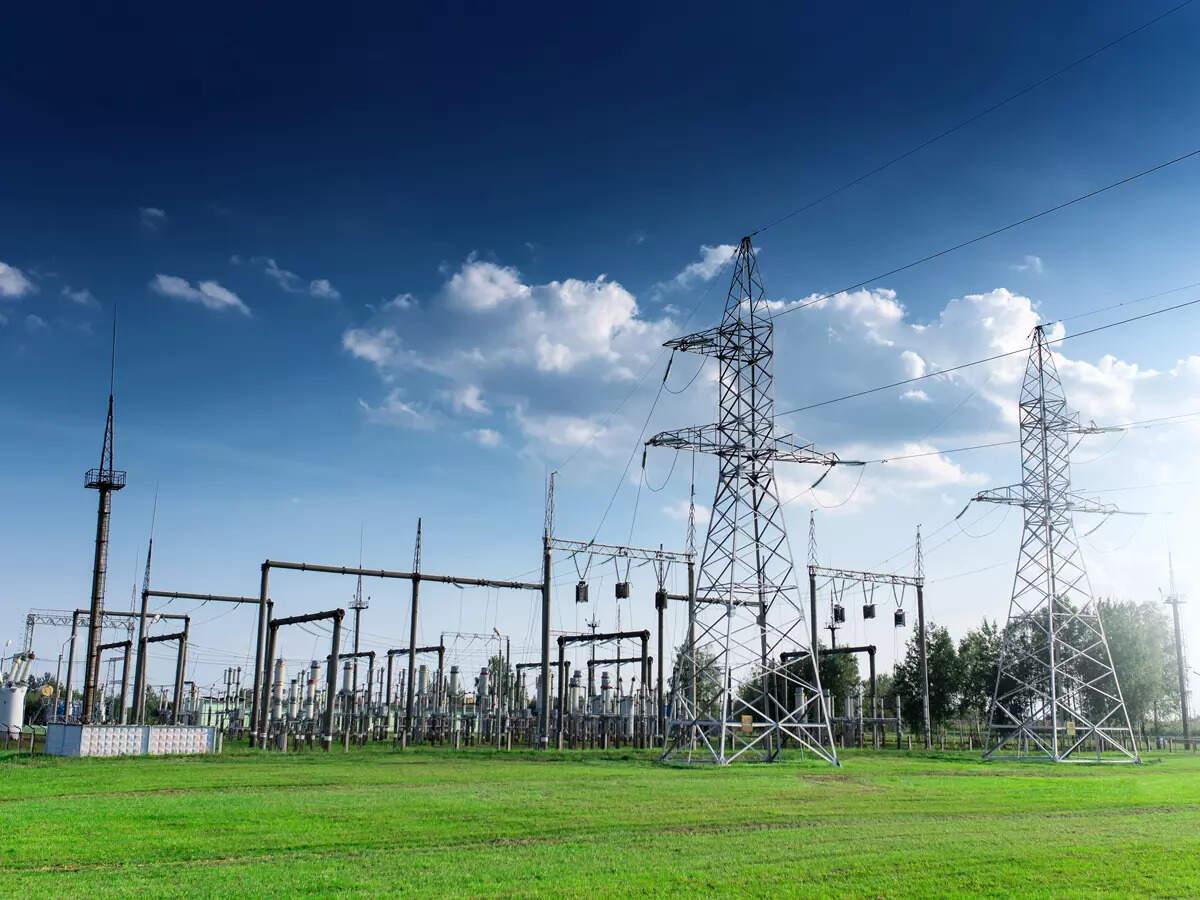
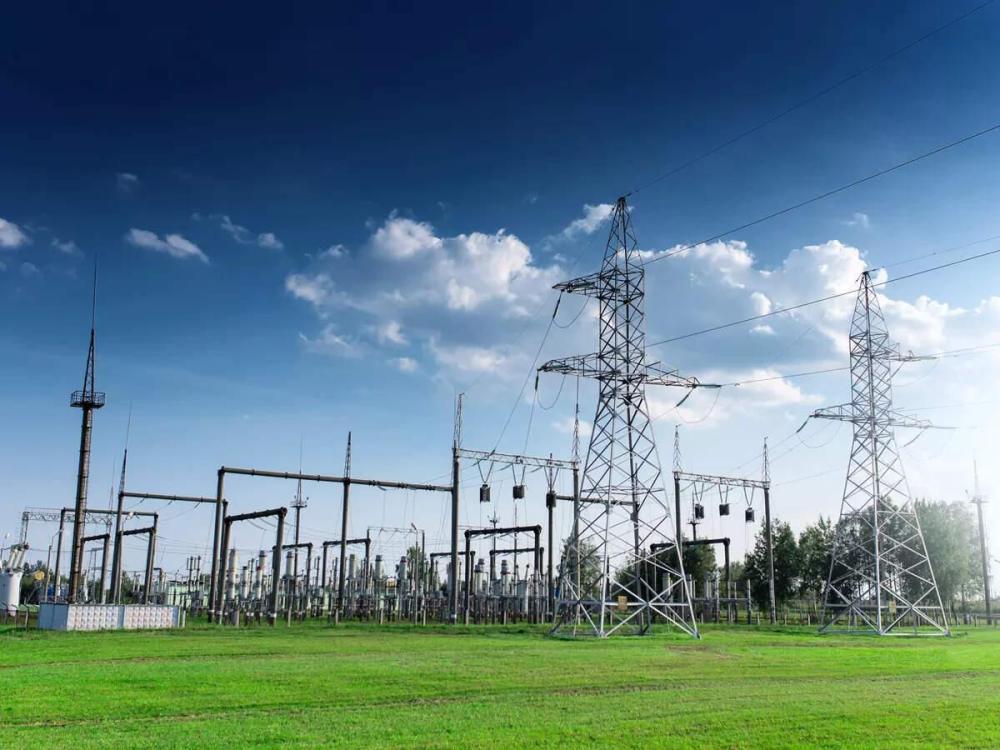
The Department of Energy, or DOE, is requesting information from stakeholders including utilities and regional transmission managers on near-term investment opportunities, readiness of projects, expectations on growth in power demand, and constraints that it says it can address. View the full article
-
Q 807. In Business Excellence, processes evolve constantly through continuous improvement initiatives, customer feedback, or regulatory changes. But many AI solutions risk becoming outdated if they aren’t designed to adapt. Think of a process in your domain that changes frequently. How would you design an AI agent to stay aligned with those changes — without needing to be rebuilt from scratch each time? The best answer will be selected on the basis of: Relevance of the chosen process Practicality of the adaptation approach Insight into balancing stability with flexibility Note for website visitors - This platform hosts two weekly questions, one on Monday and the other on Thursday. All previous questions can be found here: https://www.benchmarksixsigma.com/forum/lean-six-sigma-business-excellence-questions/. To participate in the current question, please visit the forum homepage at https://www.benchmarksixsigma.com/forum/. The question will be open until Monday or Thursday at 5 PM Indian Standard Time, depending on the launch day. Responses will not be visible until they are reviewed, and only non-plagiarised answers with less than 5-10% plagiarism will be considered for winner selection. If you are unsure about plagiarism, please check your answer using a plagiarism checker tool such as https://smallseotools.com/plagiarism-checker/ before submitting. All correct answers shall be published, and the top-rated answer will be displayed first. The author will receive an honourable mention in our Business Excellence dictionary at https://www.benchmarksixsigma.com/forum/business-excellence-dictionary-glossary/ along with the related term. Some people seem to be using AI platforms to find forum answers. This is a risky approach as AI responses are error-prone because our questions are application-oriented (they are never straightforward). Have a look at this funny example - https://www.benchmarksixsigma.com/forum/topic/39458-using-ai-to-respond-to-forum-questions/ We also use an AI content detector at https://quillbot.com/ai-content-detector. Only answers with less than 45-50% AI-generated content will be considered for winner selection.
-
Q 807. In Business Excellence, processes evolve constantly through continuous improvement initiatives, customer feedback, or regulatory changes. But many AI solutions risk becoming outdated if they aren’t designed to adapt. Think of a process in your domain that changes frequently. How would you design an AI agent to stay aligned with those changes — without needing to be rebuilt from scratch each time? The best answer will be selected on the basis of: Relevance of the chosen process Practicality of the adaptation approach Insight into balancing stability with flexibility Note for website visitors - This platform hosts two weekly questions, one on Monday and the other on Thursday. All previous questions can be found here: https://www.benchmarksixsigma.com/forum/lean-six-sigma-business-excellence-questions/. To participate in the current question, please visit the forum homepage at https://www.benchmarksixsigma.com/forum/. The question will be open until Monday or Thursday at 5 PM Indian Standard Time, depending on the launch day. Responses will not be visible until they are reviewed, and only non-plagiarised answers with less than 5-10% plagiarism will be considered for winner selection. If you are unsure about plagiarism, please check your answer using a plagiarism checker tool such as https://smallseotools.com/plagiarism-checker/ before submitting. All correct answers shall be published, and the top-rated answer will be displayed first. The author will receive an honourable mention in our Business Excellence dictionary at https://www.benchmarksixsigma.com/forum/business-excellence-dictionary-glossary/ along with the related term. Some people seem to be using AI platforms to find forum answers. This is a risky approach as AI responses are error-prone because our questions are application-oriented (they are never straightforward). Have a look at this funny example - https://www.benchmarksixsigma.com/forum/topic/39458-using-ai-to-respond-to-forum-questions/ We also use an AI content detector at https://quillbot.com/ai-content-detector. Only answers with less than 45-50% AI-generated content will be considered for winner selection.
-
Chinese AI firm DeepSeek revealed its R1 model was trained for just $294,000 using 512 Nvidia H800 chips, far below US rivals’ costs. The disclosure revives debates on China’s AI progress, export restrictions, and transparency, with skepticism over DeepSeek’s true access to banned Nvidia hardware. View the full article
-
Vishwadeep Khatri replied to Vishwadeep Khatri's topic in We ask and you answer! The best answer wins!Congratulations to Monica Salunkhe, whose detailed concept of an AI-powered LMS Coach stood out as the winning entry. Her approach combined micro-learning, contextual guidance, reflection prompts, and privacy safeguards to create a truly supportive and innovative coaching model. Close runner-ups include Nehal Soni, who proposed an adaptive training and stress-reduction framework for banking call centres, and Rohan Modak, who showed how AI could serve as an empathetic companion for new associates in healthcare BPO. Sarveshvar and Kanak RoyChowdhury also offered practical use cases from contact centres and healthcare onboarding, adding valuable perspectives.
-
Albania appointed the world’s first AI government minister, “Diella,” to oversee public tenders transparently and curb corruption. Addressing parliament, Diella defended its role as supportive, not a replacement for humans, amid opposition criticism of unconstitutionality. View the full article

-
A Morgan Stanley report highlights AI's transformative potential, affecting 90% of occupations and potentially adding $13-$16 trillion to the S&P 500's market cap. Agentic and embodied AI could generate significant annual benefits. While some jobs may be automated, AI is expected to create new roles and drive demand for re-skilling, particularly in consumer staples, real estate, and transportation. View the full article