

Topics
-
Fifty-five women engineering students completed an AI bootcamp focused on rural Karnataka. Participants developed AI-based solutions after visiting villages and conducting field interviews. The She Innovates bootcamp partnered with several organizations to achieve its goals. This initiative aims to boost women's participation in AI and entrepreneurship. It encourages AI applications for rural development and community-focused sectors. View the full article
-
Besi's quarterly orders more than doubled, fueled by AI and hybrid bonding technology. The company saw increased customer adoption of its advanced chip packaging solutions. Demand for AI applications continues to drive growth in data centers. Besi anticipates revenue growth between ten and fifteen percent. This strong performance aligns with other semiconductor sector reports. View the full article



Leaderboard
-
Anchal Parashar
Lean Six Sigma Green Belt1Points10Posts -
SIDDHESHWAR JANGID
Members1Points12Posts -
Mohammad Riyadh Al Kamal
Members1Points14Posts -
Indrani Ghosh Dastidar
Members1Points17Posts


Popular Content
Showing content with the highest reputation on 08/29/2024 in all areas
-
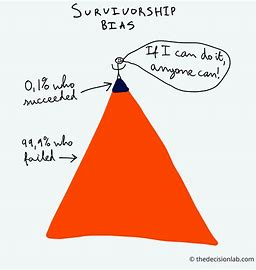
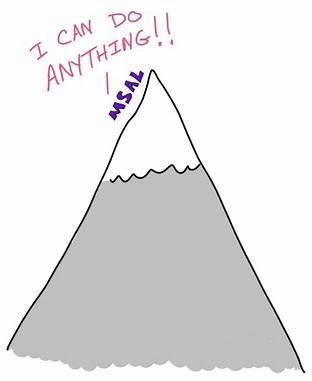
1 pointSurvivorship Bias – A logical Error Success and failure both go together. When one only focusses on success and do not understand where and why they failed, wrong conclusions are taken. For example, if we study only successful companies with out considering which failed, we may wrongly attribute success in certain Strategies and treats because of which other companies are failed. This bias conclusion with considering only successful factors only called Survivorship Bias. Negative impact on rational decision : - There can be cases where overly optimistic conclusions are taken. Misguided strategy can be taken due to bais and portion data only. Cause analysis can be wrong as failure reason are not analyzed. Measures to Avoid Survivorship Bias Include all data in any analysis for a project or company. Data structure should be collectively exhaustive. Critical validation and evaluation must be done is all elements of data are added. Final decision must be taken after considering multiple points of view only. Historical data of both success and failure must be studied and taken in consideration. Happy learning...
 1 point
 -
1 pointWhat is Survivorship Bias: There may be cases when only the surviving cases or events are considered for decision making. This practice of not considering the full dataset while taking a decision or making an analysis is called survivorship bias. Example: 1. Considering the financial performance of any industry based on running entities within the industries and not considering the entities which already collapsed. 2. Considering cost of distribution based on sales volume & not considering depot damage 3. Considering average grade of students as a performance index in certain class based on only the students who graduated to next class & not considering the students who failed 4. Measuring efficacy of a medication based on feedback of the surviving patient & not considering the deceased ones Negative impact: Survivorship Bias will result in drawing wrong conclusions since the conclusions are drawn based on incomplete dataset. Measures to avoid Survivorship Bias: In order to ensure Survivorship Bias the dataset must be comprehensive and representative of the entire population of specific problem being analyzed. The sample must have representation of all relevant data, including failed efforts or assets, in the testing process1 point
-
1 pointSurvivorship bias is a logical error in decision making process, when we only concentrate on the Pass cases & ignore the fail cases. This can also consider as “Sampling Error”. This could lead to Overestimating the success of a project as we are ignoring the fail cases. Hence we will set a unrealistic goal for the project or business. Any decision taken based on Survivorship Bias may lead to failure of the project or company. To avoid this Bias we need to be careful in selecting the sample. We should be very careful and look for proper representative sample. Proper failure mode analysis should be done before considering any data to be considered for decision making.1 point
-
1 pointIt’s a general human nature to give prominence and importance to events, tasks or issues which resonates with a particular thought process or hypothesis and are very widely published for consumption. This generic human thinking phenomenon often leads to mis - calculated decisions, as they are made, basis information which is readily available but often negates those bits and pieces of information thread, which gets worn out during the process and thus are non-existent before an outcome is delivered. Thus, leading to decisions based on the information which 'survived' the process, and their existence becomes prominent. Hence the term 'Survivorship Bias'. Business Processes comprises of various resources which can be broadly categorized as Man, Machine, Material, Methods and Measurements. 'Survivorship Bias' phenomenon can easily impact decisions based around these resources or process as a whole, if expert governance is not present. For Example - If a 'Selection Process' is followed to hire a Project Team with specific skillset, with a target of 10% Hiring Conversion rate (People targeted to be hired for Project Team from the number of applications received). Once Selection process is over and results are analyzed, its identified that only 8% applicants have successfully passed it and can be considered for the role. Obvious inference which can be drawn from this, - 'APPLICANTS WERE NOT OF REQUIRED QUALITY WHICH LEAD TO 2% LESS HIRING'. But something which is overlooked is 'WERE THE STANDARD OF THE SELECTIONS PROCESS TOO TOUGH TO BE FULLFILLED BY EVEN THE WELL SKILLED APPLICANTS'. This Survivorship Bias phenomenon played its role!!! Whenever process is being governed on various tangents, every effort should be made to make conscious and well-informed decisions by erecting necessary guardrails against Survivorship Bias. Some basis pre checks which can be performed to avoid survivorship bias are - Try to collect every possible data to be subjected to analysis - Stringent controls should be placed to check the data for any bias's - Brainstorm to identify any data which could have been missed in the process of collection, if yes, collect it - Deploy Data Experts and tenured resources from the process for Data collection as they have more insights on the possible data seepage - If possible and applicable, put bots in place to collect datasets for study - Use Generative AI platforms for more well-informed decisions1 point
This leaderboard is set to Kolkata/GMT+05:30