

Topics
-
OpenAI, which is expected to need about 3,200 megawatts (MW) of power for its new facility, has agreed to provide up to 1,000 MW to the Southern Co subsidiary Georgia Power's systems in times of high demand. View the full article
-
The affected startup, Hugging Face, said it had turned to Zhipu AI's open-source GLM-5.2 model last week to analyze data from the hack after leading US AI models declined the task, unable to distinguish between a defender and an attacker. View the full article



Leaderboard
-
Vishwadeep Khatri
Administrators1Points6,714Posts
Popular Content
Showing content with the highest reputation on 01/01/2024 in all areas
-
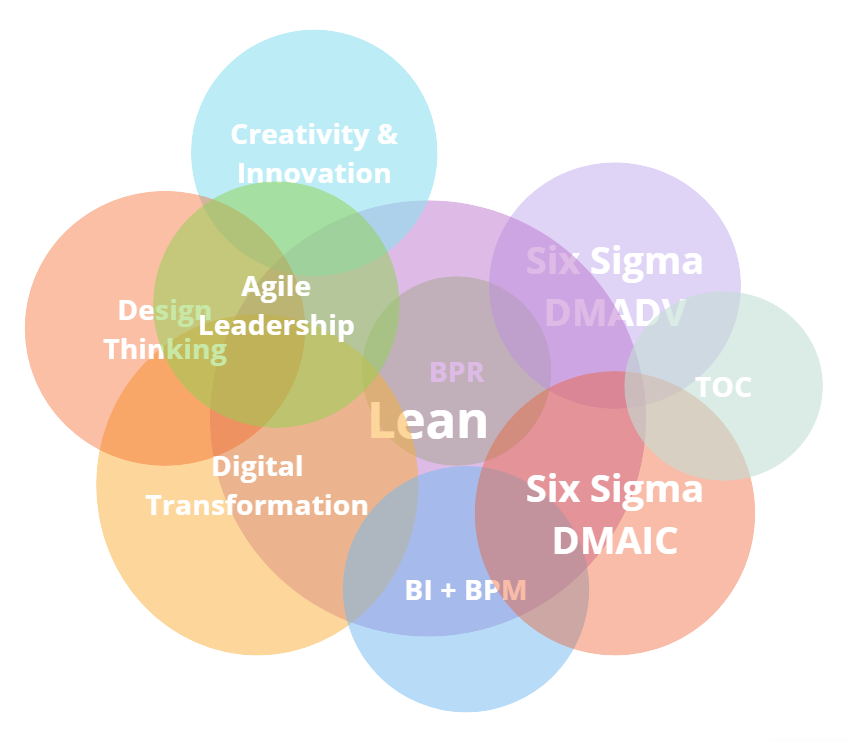
In our ongoing exploration of the most influential business transformation methodologies, we've had a rich discussion on how these paradigms stand on their own merits and interact and overlap with each other in the complex landscape of business excellence (see the discussion here) To visualize our findings, we've created a Venn Diagram that captures the essence of our conversation. The diagram clearly illustrates the interconnected nature of these methodologies and their unique and shared attributes. As you can see: Lean Management sits at the core of our diagram, overlapping with Six Sigma DMAIC and DMADV, reinforcing its fundamental role in continuous improvement and efficiency. Agile Leadership and Design Thinking share common ground in their iterative, customer-focused approaches, showcasing their synergy in driving innovation. Digital Transformation, encompassing Business Analytics and Big Data, forms a bridge with Business Performance Management, which includes Business Intelligence (BI). This signifies the pivotal role of data in steering transformation strategies. Creativity and innovation radiate across the spectrum, emphasizing that innovation is not confined to a single methodology but is a crucial element. Theory of Constraints (TOC) and Business Process Reengineering (BPR) are positioned to highlight their specialized focus yet integral contribution to the overall business transformation framework. This diagram is a testament to the multifaceted nature of business transformation methodologies. It serves as a roadmap for practitioners to navigate these approaches' complex interplay and harness their collective power for organizational excellence. I encourage you to delve into the diagram and share your insights on how these methodologies resonate with your experiences driving business transformation.
 1 point
This leaderboard is set to Kolkata/GMT+05:30