Vishwadeep Khatri
Administrators
-
Joined
-
Last visited
Everything posted by Vishwadeep Khatri
-
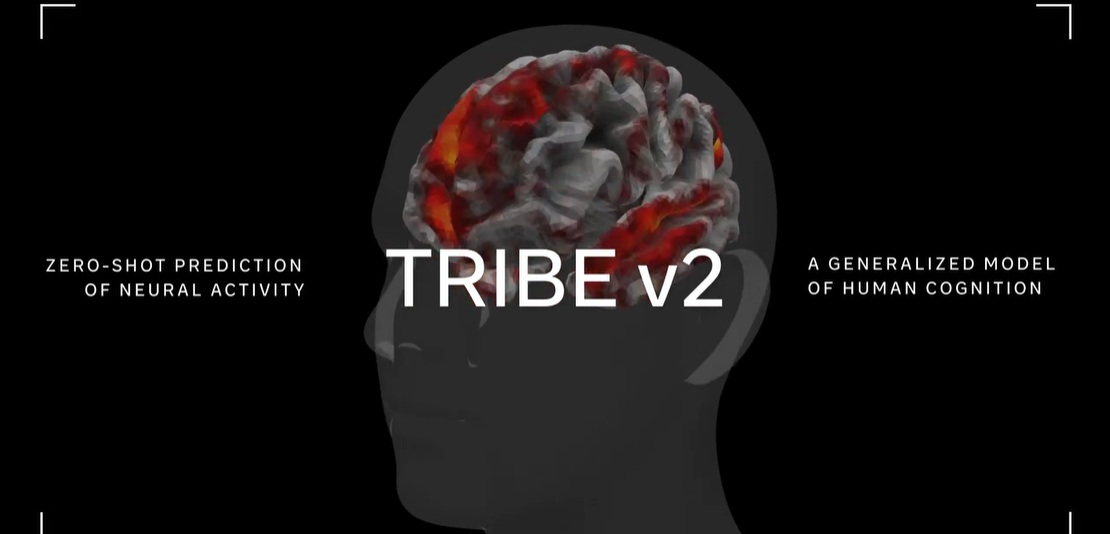
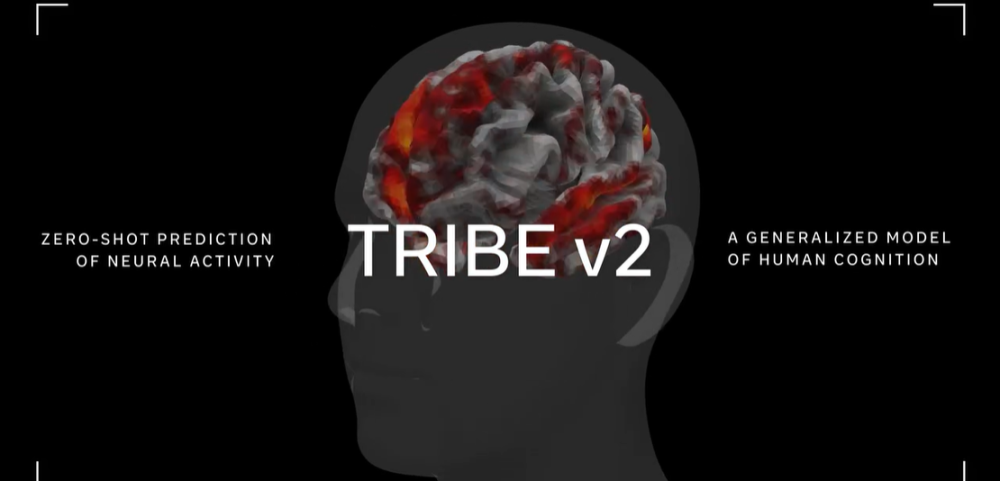
The Trimodal Brain Encoder (TRIBE v2) allows users to create a digital twin for neural activity. To build it, 700 volunteers were exposed to a wide range of media, including podcasts, films, images, and written text, while their brain activity was recorded using functional magnetic resonance imaging (fMRI). Per Meta, the model delivers a 70-fold increase in resolution over comparable systems, besides significant gains in speed and accuracy. View the full article
-
South Korea Financial Services Commission approved a 250 billion won investment in Rebellions, an AI chip startup. This funding supports Rebellions' chip production and development. The initiative aims to create a globally competitive AI chip company. South Korea seeks to strengthen its AI supply chain and reduce foreign technology reliance. View the full article

-
The move comes months after Musk open-sourced parts of X’s recommendation system, with the aim of improving transparency. Musk had pledged to open-source the platform’s algorithms in 2022 and then reiterated this commitment in 2023 to help build public trust and withstand external scrutiny. The current overhaul comes amid increasing regulatory pressure on X globally and criticism by industry peers. View the full article
-
OpenAI has delayed plans to launch an erotic chatbot indefinitely, choosing to prioritise its core products. Concerns from employees and investors about sexualised AI impacts were noted. The company has also cancelled Sora, its text-to-video model, and is shifting focus toward other research and integrating features into a single super-app. View the full article
-
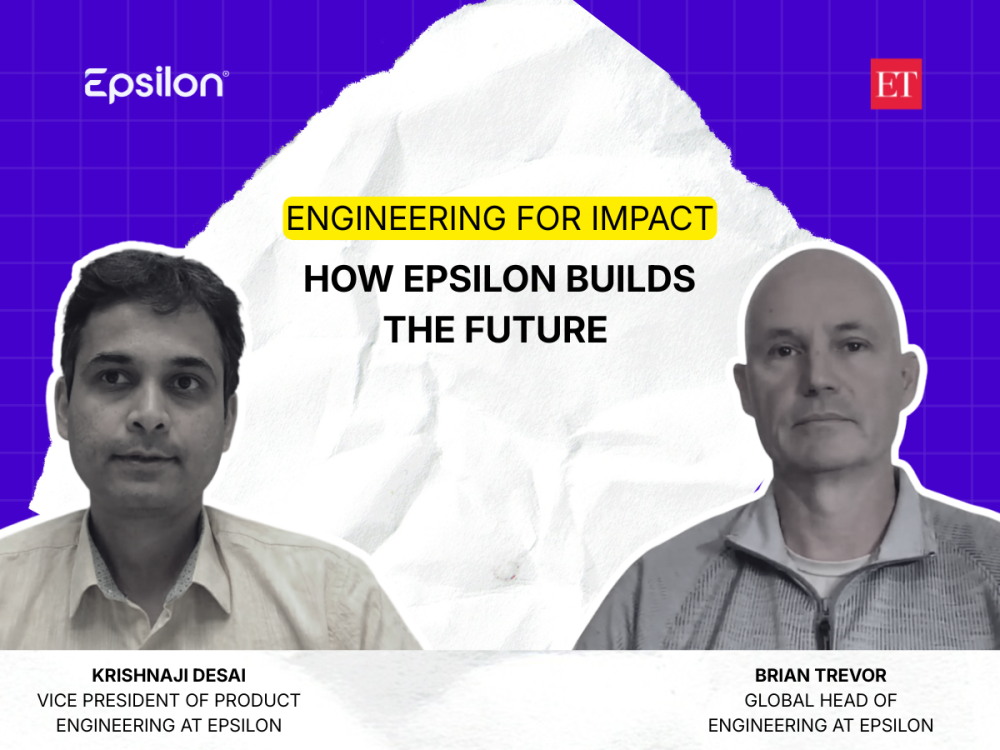
As AI reshapes how software is built, Epsilon’s engineering leaders share how product thinking, ownership, and global collaboration are redefining the role of engineers, from writing code to shaping business outcomes. View the full article
-
View the full article
-
Claude down: At around 7:14 PM, a total of 448 users reported issues. More than 57% of users experienced problems loading the website, while 24% could not access Claude Code. Another 19% reported issues with the app. View the full article

-
OpenAI is shutting down its Sora video generation platform, including its app, API, and ChatGPT integrations, just over a year after its December 2024 launch. This decision follows internal debates about computational costs and a strategic shift towards more revenue-generating areas like coding and robotics, potentially in preparation for an IPO. View the full article
-
China's chip industry is booming due to surging AI demand. Chipmakers are investing heavily and expanding production. China's manufacturing capacity for essential chips is set to grow significantly. AI is also driving demand for more complex chips and advanced testing. Foreign suppliers remain crucial in specialised areas. This expansion positions China well to meet global needs. View the full article
-
President Donald Trump is set to appoint top tech executives to a new council. Meta CEO Mark Zuckerberg, Oracle Chairman Larry Ellison, and Nvidia CEO Jensen Huang are among those named. The council will advise on artificial intelligence policy. This move comes as global AI competition intensifies, particularly with China. Other industry leaders are also part of the initial group. View the full article

-
Oilfield services company SLB is deepening its collaboration with Nvidia. They will create artificial intelligence infrastructure and models for the energy sector. This move aims to help energy companies process vast amounts of data faster. The partnership will also focus on building modular AI data centres. This initiative seeks to drive efficiency and sustainability in energy operations. View the full article
-
Indian FinTech in 2026 has advanced beyond basic chatbots to agentic AI, proactively resolving complex customer issues and executing actions autonomously. Finnable is at the forefront, launching Fiya for 'Fintelligence' support and developing 'FinRadar' for predictive risk management. View the full article

-
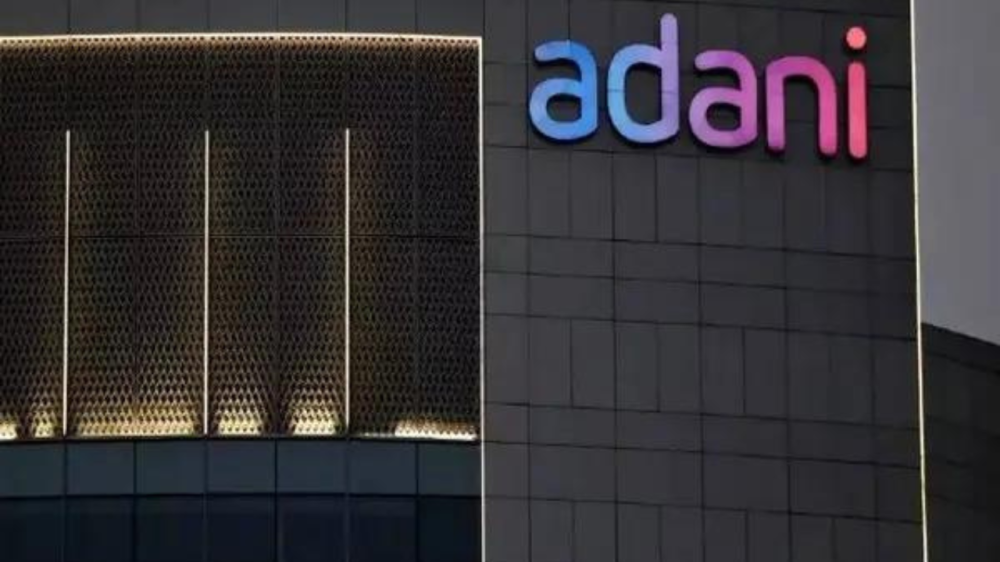
Indian billionaire Gautam Adani is in talks with American technology giants including Meta Platforms Inc. and Google for partnerships in his fast-expanding data centre business, according to people familiar with the matter. View the full article
-
China has restricted two cofounders of artificial intelligence startup Manus from leaving the country as regulators review whether Meta's $2 billion acquisition of company violates the country's investment rules, the Financial Times reported on Wednesday. View the full article
-
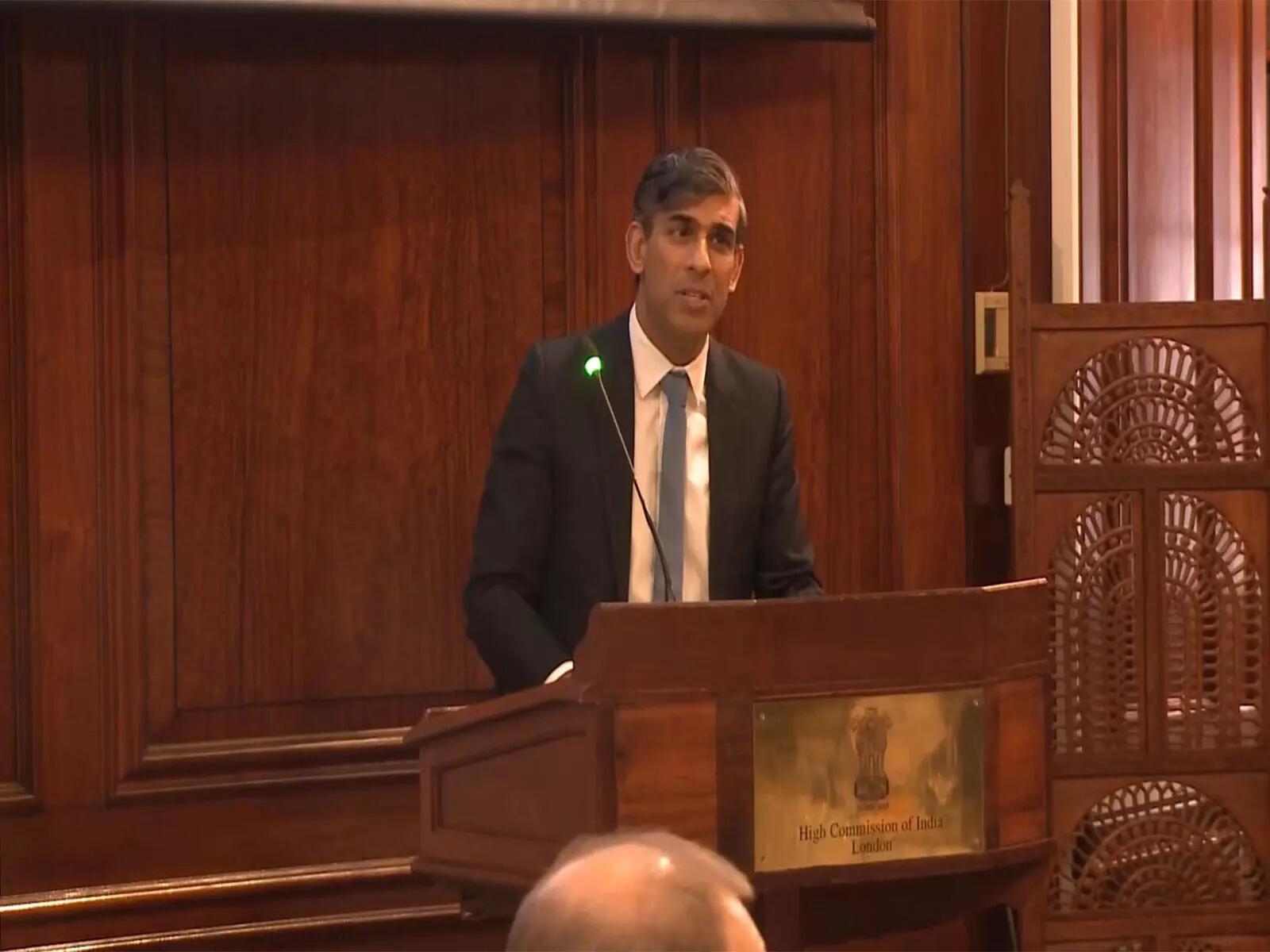
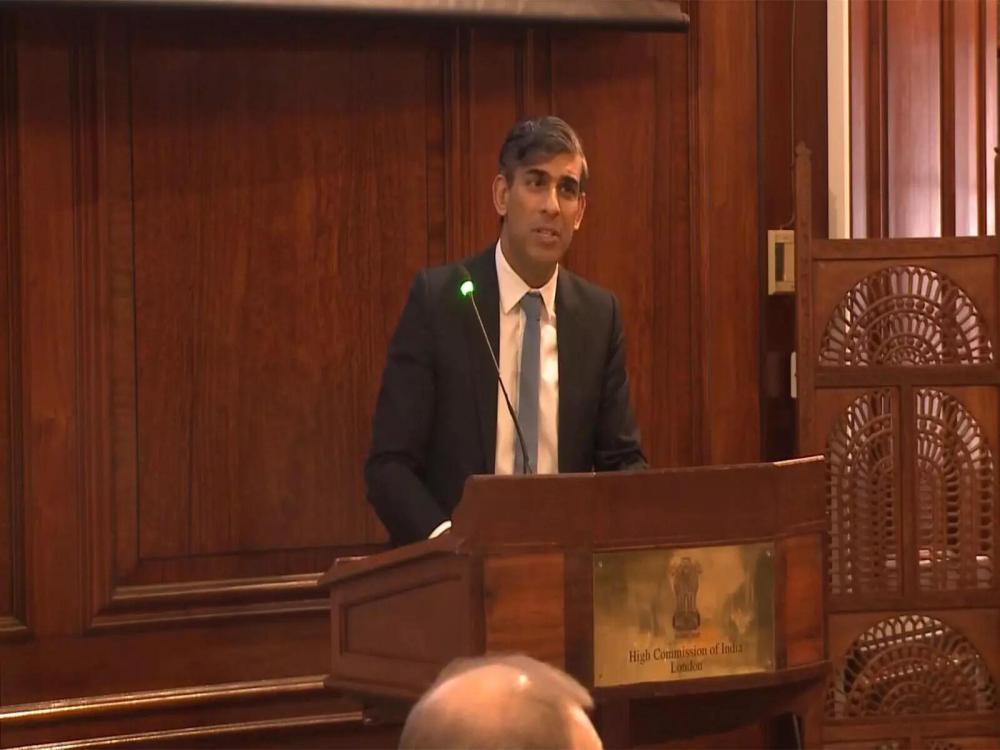
Speaking about the global AI landscape, at an AI-focused event hosted by the High Commission of India in London, Sunak cited the widely referenced Stanford AI Index, noting that the two countries rank among the world's leading AI powers. View the full article
-
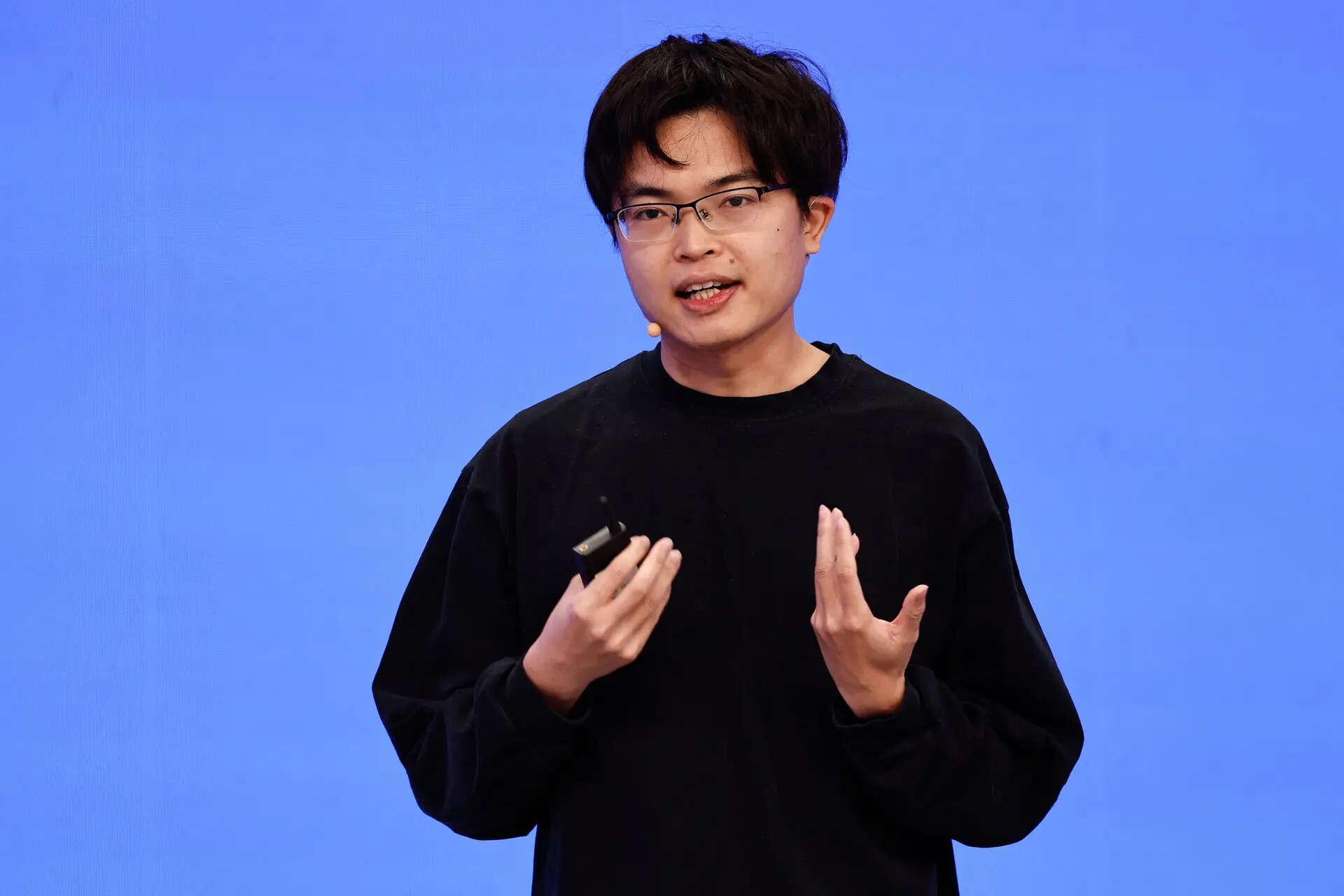
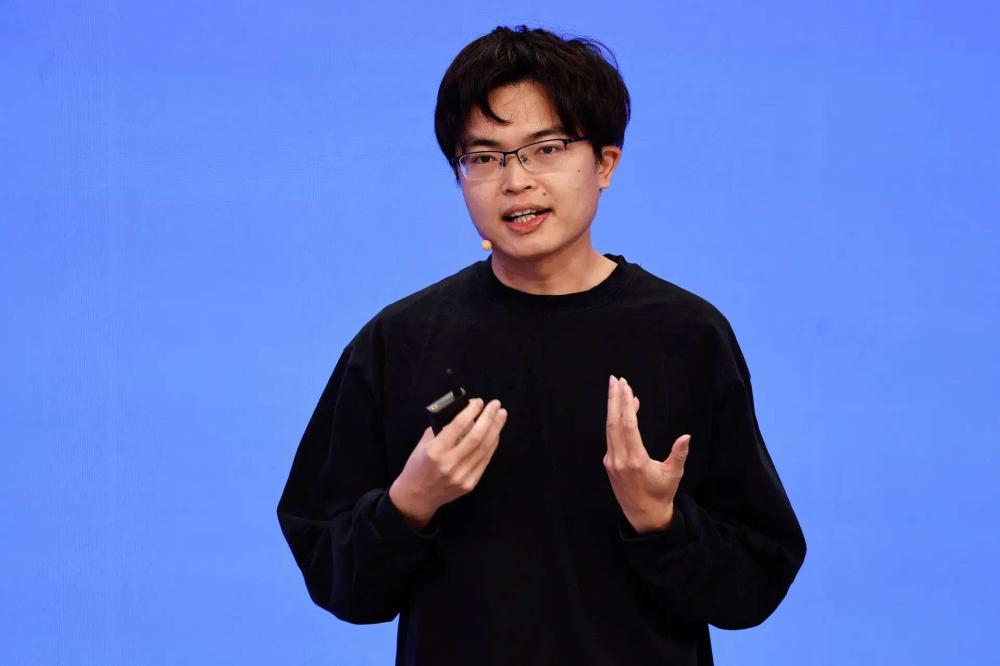
The founder of China's Moonshot AI Yang Zhilin said on Wednesday the direction of artificial intelligence research would undergo "huge changes" and be directed by AI, with the company focused on enhancing token efficiency in their upcoming models. View the full article
-
The Sora decision means the end of a blockbuster $1 billion deal between Disney and the ChatGPT maker that was announced a little more than three months ago. As part of the three-year deal, Disney said it would invest $1 billion in OpenAI and lend more than 200 of its iconic characters to be used in short, AI-generated videos. View the full article
-
Indian artificial intelligence startups are facing operational and cost challenges as well as uncertainty over plans to expand into West Asia amid the war in the region, multiple founders told ET. Some are seeing additional impact on margins from the rupee’s steep fall, they told ET. View the full article

-
OpenAI has committed at least $1 billion over the next year as part of recapitalisation efforts for its Foundation. The investment is aimed at using artificial intelligence (AI) to solve “humanity’s hardest problems.” View the full article

-
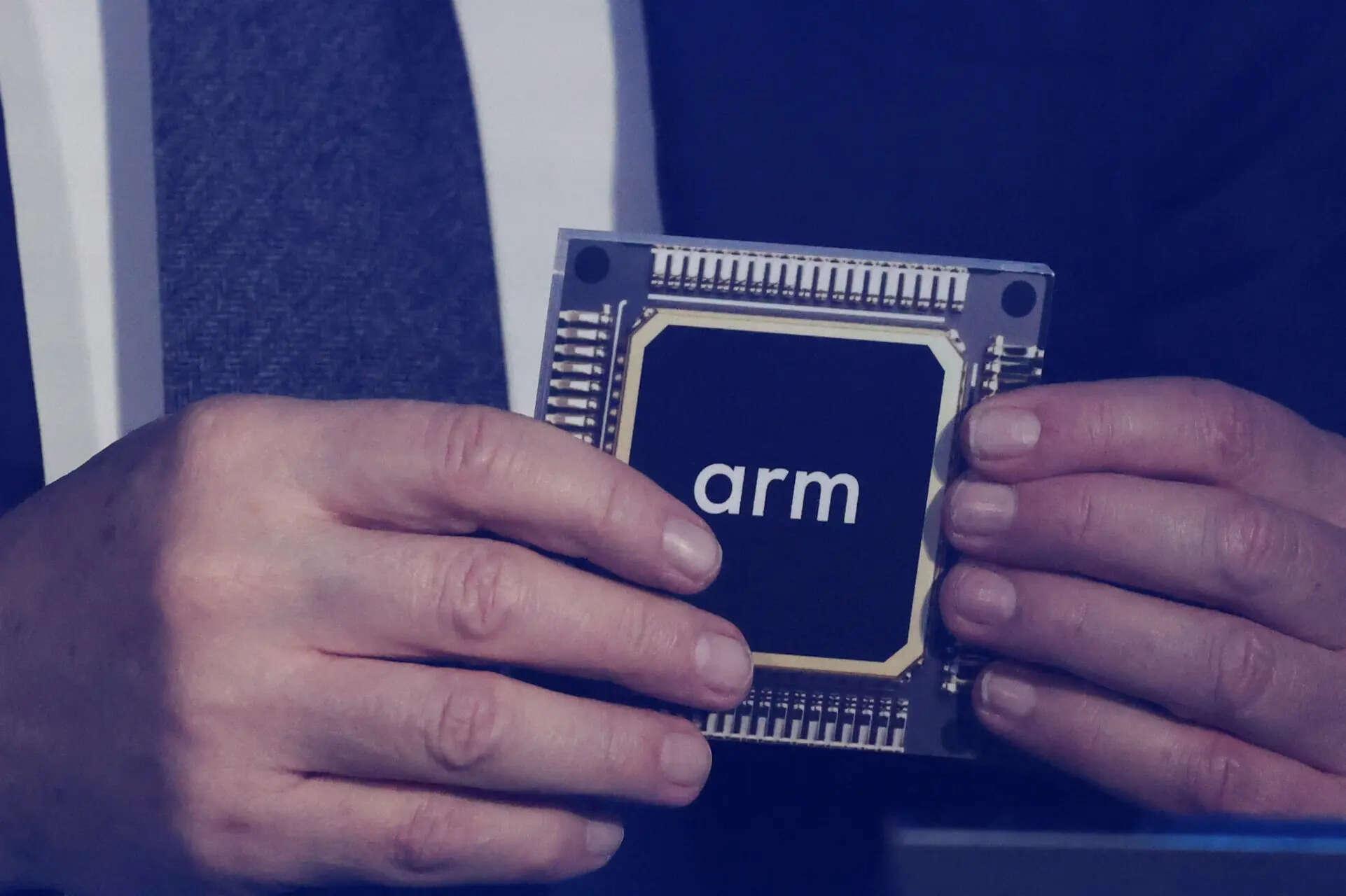
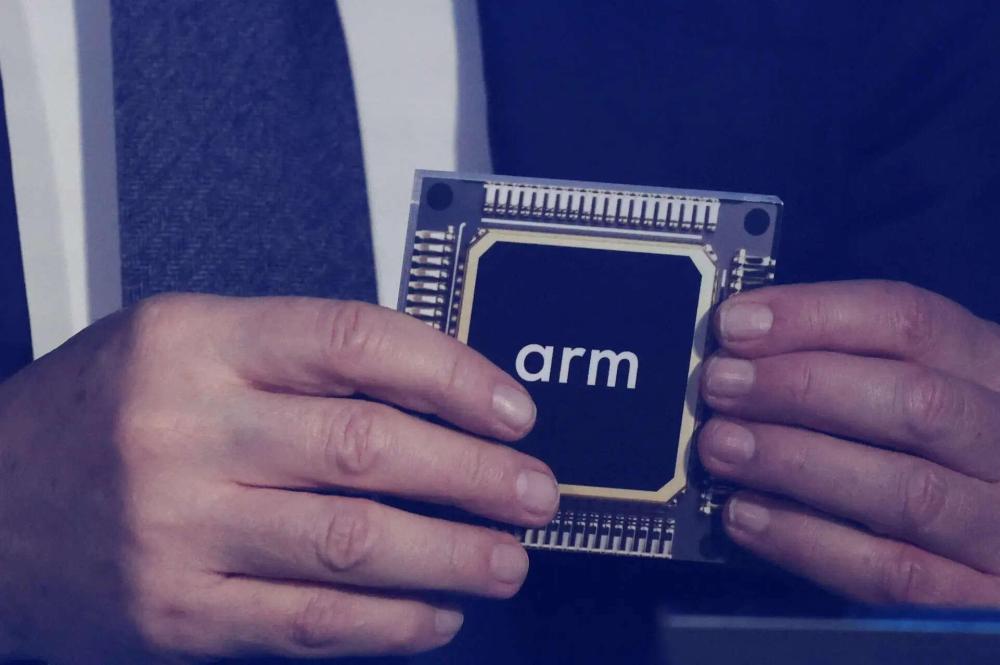
Arm Holdings announced a new artificial intelligence data center chip on Tuesday which it said will add billions of dollars of revenue and represent a significant shift in the company's strategy. View the full article
-
Music publishers Universal Music Group, Concord and ABKCO have asked a judge in California to rule that US copyright law does not insulate artificial intelligence startup Anthropic from liability for copying their song lyrics to train its AI-powered chatbot Claude. View the full article
-
CAISA Forum Question 857 When AI can detect employee burnout early, should the organisation act before the employee asks for help? An AI system used in a large service organization begins identifying employees who may be at high risk of burnout based on patterns such as declining response quality, late logins, absenteeism trends, unusual work hours, and sentiment in internal communication. The system is reasonably accurate, and early intervention could prevent attrition, health issues, and team disruption. But acting on such signals also creates discomfort: employees may feel monitored or judged, managers may intervene based on probabilities rather than open conversation, and false positives could damage trust. This creates a real dilemma: View A — Act early based on AI signals. If the AI can identify burnout risk early, the organization should intervene before the problem becomes severe. Waiting for employees to speak up is often too late, and early support is part of responsible leadership. View B — Do not act until the employee raises it or there is direct human evidence. Acting on AI-generated burnout signals risks invading privacy, misreading behavior, and creating a culture of surveillance. Support should be built through trust and conversation, not hidden monitoring. Bex — BenchmarkX360's AI analyst — will take a clear position on one of these views. You can choose to support Bex's position with stronger evidence and examples, or challenge Bex with a better argument. Either approach can win. Which view do you support — and why? Provide a specific process, role, or industry example to support your position. ⚠️ Answers that do not take a clear position will not be approved. ⚠️ "It depends" answers will not be approved. 💡 Participants are free to use AI tools — clarity, insight, and contextual relevance will determine the best answer. 🏆 The best answer will be selected on the basis of: · Clarity of position taken · Quality of reasoning and argument · Relevance of process, role, or industry example · Ability to go beyond or against Bex's analysis
-
Vishwadeep Khatri replied to Vishwadeep Khatri's topic in We ask and you answer! The best answer wins!Brindha_Jayaraman_RAla — 🏆 Winner — Delivers the strongest response overall: a clearly argued View B position backed by the real Microsoft Productivity Score case study, an enterprise-specific lens (surveillance vs. service), and the novel "Pigeonhole effect" argument that goes meaningfully beyond Bex's analysis. Dibyojoti Choudhury — Takes a clear View B position and references India's DPDP Act as a regulatory anchor, but the argument is too brief and underdeveloped to stand out competitively. Romalin_Rebello_mw32 — Correctly supports View B with a mention of the banking sector, but the response lacks depth, specificity, and a concrete process example to make a compelling case. Geet Rajamanickam — ❌ Rejected — Does not take a clear position; the response is a compliance-related question rather than an argued stance, which violates the stated rules of the challenge. Dipali Yadav — Offers a genuinely fresh reframing of the debate (challenging the "privacy vs. personalization trade-off" narrative) and a memorable personal boundary test, but falls short due to the absence of a formal process or industry example. Varad — Presents a well-structured, three-pillar argument (Trust, Aggressive Personalization, Fraud Risk) with relatable examples, but relies on personal anecdotes rather than a documented organizational or industry case.
-
The feature, now in research preview, lets Claude open apps, browse the web, and complete tasks across the desktop. It can click, type, and move through apps on the desktop just like a human user. However, Claude is designed to seek permission before taking any action, and users must approve each request. Certain sensitive categories, including financial and trading platforms, are blocked by default. Users can view, edit, or delete what Claude remembers at any time. View the full article
-
Claude’s performance in an experiment by a Harvard professor shows that AI models are beginning to reshape scientific workflows, dramatically cutting down research time. However, its limitations in reasoning and reliability render it, at best, a powerful assistant rather than a fully autonomous researcher. View the full article