Vishwadeep Khatri
Administrators
-
Joined
-
Last visited
Everything posted by Vishwadeep Khatri
-
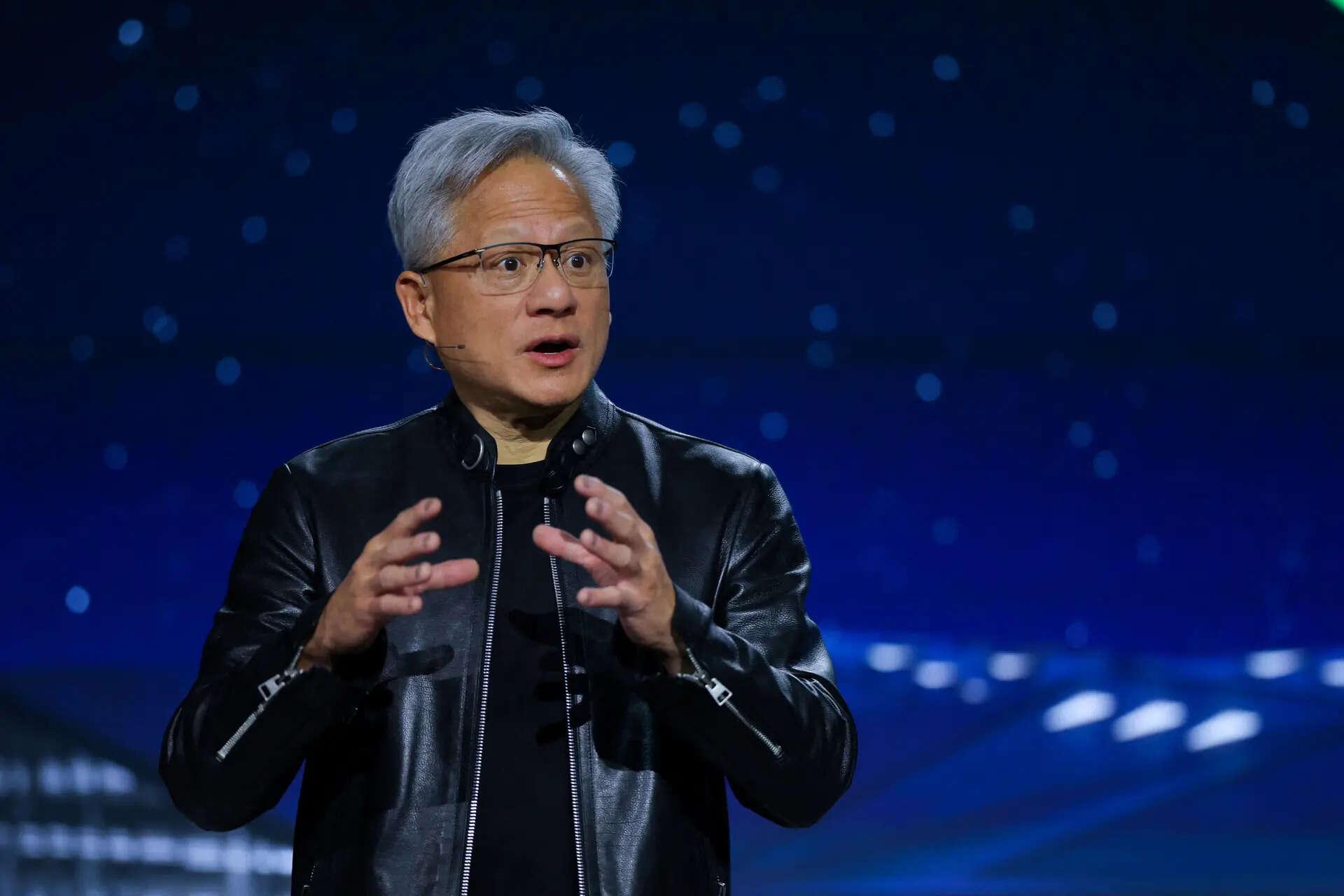
Nvidia has invested $2 billion in Marvell Technology and Marvell will join the Nividia AI ecosystem, the companies said on Tuesday. View the full article
-
Prime minister Narendra Modi has described the current decade as India's "techade," during which the country aims to lead in shaping the global technology landscape. View the full article

-
Forum Question 859When AI detects that a product feature is causing issues for a small group of users, should it be rolled back immediately? A digital product team uses AI to monitor user behavior and system performance in real time. The system flags that a recently launched feature is causing errors or friction for about 8–10% of users, particularly those on older devices or specific usage patterns. For the majority (90%+), the feature is working well and improving engagement. Rolling it back would restore stability for the affected group but would also reduce overall performance gains and delay product progress. Keeping it live risks continued issues for a minority, potentially affecting trust and experience for that segment. This creates a real dilemma: View A — Roll back immediately. A product should work reliably for all users. Even if the issue affects a minority, continuing with a flawed experience risks trust, reputation, and long-term adoption. View B — Keep the feature and fix selectively. If the majority benefits, the feature should stay. Efforts should focus on targeted fixes for affected users without sacrificing overall progress and value. Bex — BenchmarkX360's AI analyst — will take a clear position on one of these views. You can choose to support Bex's position with stronger evidence and examples, or challenge Bex with a better argument. Either approach can win. Which view do you support — and why? Provide a specific product or operational example to support your position. ⚠️ Answers that do not take a clear position will not be approved. ⚠️ "It depends" answers will not be approved. 💡 Participants are free to use AI tools — clarity, insight, and contextual relevance will determine the best answer. 🏆 The best answer will be selected on the basis of: · Clarity of position taken · Quality of reasoning and argument · Relevance of product or operational example · Ability to go beyond or against Bex's analysis
-
Vishwadeep Khatri replied to Vishwadeep Khatri's topic in We ask and you answer! The best answer wins!🏆 WINNING ANSWERWinner: Ankit Kulkarni (View B — Risk-Tiered Response, Power Plant/CCGT context) Ankit Kulkarni's answer stands above all other approved answers across every evaluation criterion. His position is unambiguously View B, but what separates it is the source of his example: a real-world operational context involving 54 GW of gas turbine (CCGT) power generation — an industry where the tension between availability and reliability is existential, not theoretical. No other answer brings original field experience of this kind to the debate. Other Answers - 1. Vinay Parsatwar — View A (Stop Immediately) ✅ Approved Takes an unambiguous View A position and grounds it in pharmaceutical manufacturing (sterile injectable drug production), invoking the industry principle "No batch is better than a bad batch." The reasoning is structured and logically sound — distinguishing internal inefficiencies (false positives) from external, compounding costs (defect escape) — and correctly frames the question as a risk asymmetry problem rather than a throughput trade-off. Specific example is concrete, contextually appropriate, and well-integrated into the argument. 2. Roma_Raigagla_9k3I — View A (Stop Immediately) ❌ Not Approved Takes a clear View A position, but provides no specific industry context, process example, job role, or realistic scenario to back it up. The answer consists of generic assertions about culture, reputation, and competitive edge, which are unsubstantiated and lack any concrete grounding. This answer fails the specific example requirement entirely. 3. Preethi_Nair_iOA9 — View B (Don't Auto-Stop) ✅ Approved Clearly supports View B and argues persuasively that automatic stoppages create a "cry wolf" effect and erode AI credibility. Provides a well-structured semiconductor industry example (Intel/TSMC fabs), detailing the use of Statistical Process Control + AI overlays, dynamic thresholds, and lot-level isolation instead of line stoppages. The tiered response framework (High/Medium/Low confidence → different actions) is concrete and practically useful, and the answer correctly identifies the core problem as a systems design issue, not merely a quality issue. 4. Sarvajit_Kadam_vhpT — View B (Tiered Response) ✅ Approved Clearly supports View B with a tiered protocol (Tier 1/2/3) and uses the automotive assembly line as an industry example, specifically referencing Toyota's Jidoka principle. The example is relevant — AI flagging torque inconsistencies in engine mounting — and the argument that AI should be an "advisor, not an infallible oracle" is reasoned. The answer is somewhat brief in its industry illustration and the Jidoka reference is slightly misapplied (Jidoka supports stopping for confirmed defects, which is closer to View A), which slightly weakens the argumentation. 5. Shivangi_Gilotra_0r4l — View B (Risk-Tiered Response) ✅ Approved Clearly supports View B with a distinctive hospitality industry example (Airbnb/online travel platforms), mapping the AI risk model directly to the given scenario's statistics. Provides a highly detailed three-tier response framework with concrete signal examples (e.g., one-night local booking on New Year's Eve by a new account = Tier 1 auto-block; young local guest with some positive history = Tier 2 verification). Also extends to hotel chains (Marriott, Hilton) and their PMS-based flagging for fraud/chargeback risk. The hospitality angle is creative, industry-grounded, and the answer is the most thorough of any View B submission. 6. Dibyojoti Choudhury — View A (Stop Immediately) ✅ Approved Takes a clear View A position with strong structural reasoning across six numbered points. Uses an automotive manufacturing example (engine/braking systems, torque signatures, bolt tightening) referencing Toyota's line-stop authority, and applies frameworks like loss minimization under uncertainty, "quality at source," and SMED-like rapid reset approaches. The answer correctly reframes false positives not as a reason to avoid stopping, but as a model improvement problem. Well-organized and thorough, though the automotive example is shared with other answers. 7. vijay_wadhekar_WYf9 — View A ❌ Not Approved While the stated position is View A (process should be stopped on credible AI signals), the answer is a single brief paragraph with no developed reasoning, no industry context, no process steps, and no specific example. This is far too thin to meet the approval criteria. 8. Chinmay_Phanashikar_fbVD — View A ❌ Not Approved States View A position clearly but provides no specific industry example, process step, or job role. The reasoning restates the question's own statistics without adding analytical depth, and the suggestion to mitigate concerns through "better alert prioritization" and "operator training" is generic. This answer fails the specific example requirement. 9. Pratik Dilip Gawande — View B ✅ Approved Takes a clear View B position using a genuinely distinctive example: US payroll operations. The argument is that payroll errors are financially reversible (corrections via off-cycle runs, $10K–$30K cost), while missing a bank submission window is non-reversible ($200K+ per incident). Includes a three-scenario cost comparison table. This is one of the most analytically original examples in the thread, applying the AI risk logic to a service-sector financial process rather than manufacturing, which demonstrates broader applicability of View B thinking. 10. Dinesh_Tiwari_WBim — View A ❌ Not Approved States View A but provides only a fragment of a semiconductor wafer contamination scenario — the answer appears cut off and contains no developed reasoning, no quantification, and no complete example. There is insufficient content to evaluate this answer meaningfully. 11. Geet Rajamanickam — View A ✅ Approved Supports View A and uses Boeing's 2024 737 MAX 9 door-plug incident as a real-world quality escape case study, citing $20 billion in immediate costs and $60+ billion in indirect losses, and Boeing's subsequent 40% shift toward AI-driven predictive inspection. Also references Toyota's stop-and-inspect protocol. The Boeing case is an especially powerful illustration because it shows what happens when defect signals are not acted on in a safety-critical manufacturing environment. 12. vikramb — View B ✅ Approved Supports View B with a structured three-level trigger framework (low confidence → monitor; high confidence or serious risk → investigate at next natural break; high confidence + high severity + second signal confirmation → immediate stop). Uses TSMC as a semiconductor example and draws a historical parallel to Three Mile Island (1979), where operator alarm fatigue led to ignored warning signals — a compelling analogy for the "cry wolf" danger of over-alerting. Position is clear, reasoning is layered, and the examples are specific. 13. Harjeet — View A ✅ Approved Clearly supports View A and provides four separate case studies: BMW (body-in-white welding with AI vision/sensor fusion), Pfizer (pharmaceutical batch control), TSMC (semiconductor fabrication), and Siemens (wind turbine composite blade layup). The answer introduces the "Rule of Ten" cost multiplier framework and a cost table showing defect cost escalation by stage (2–5× at process stop; 10× at QC; 100×+ at customer). It also directly addresses and rebuts the false positive concern (confidence thresholds, continuous retraining, human-in-loop escalation), which shows analytical completeness.
-
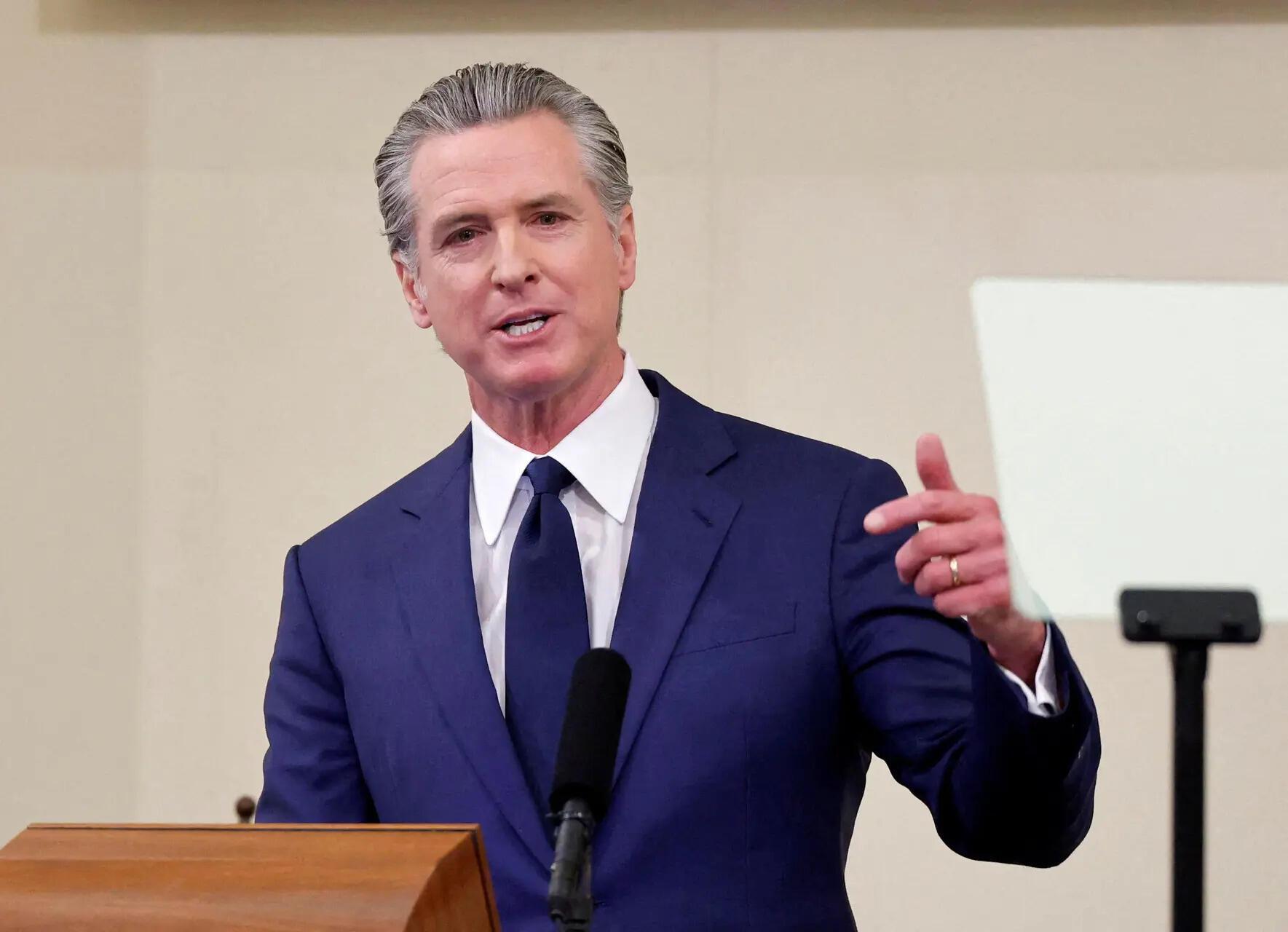
California Governor Gavin Newsom signed an executive order on Monday that requires firms seeking contracts with the state to provide safeguards against AI misuse, including the generation of illegal content, harmful bias and violations of civil rights. View the full article

-
Unlike traditional ultrasound machines that rely on expensive piezoelectric crystals, Butterfly's device uses a single silicon chip for whole-body imaging. The AI tool delivers an estimate in under two minutes without requiring users to capture or interpret images or perform fetal biometric measurements, the company said. View the full article

-
Developers are experiencing burnout from intense AI coding sessions. Tools like Claude Code and OpenAI's Codex are generating vast amounts of code, overwhelming even top engineers. This 'brain fry' leads to mental fatigue and slower decision-making. Some researchers have quit leading AI firms citing exhaustion. Organizations are exploring strategies to mitigate this growing issue. View the full article

-
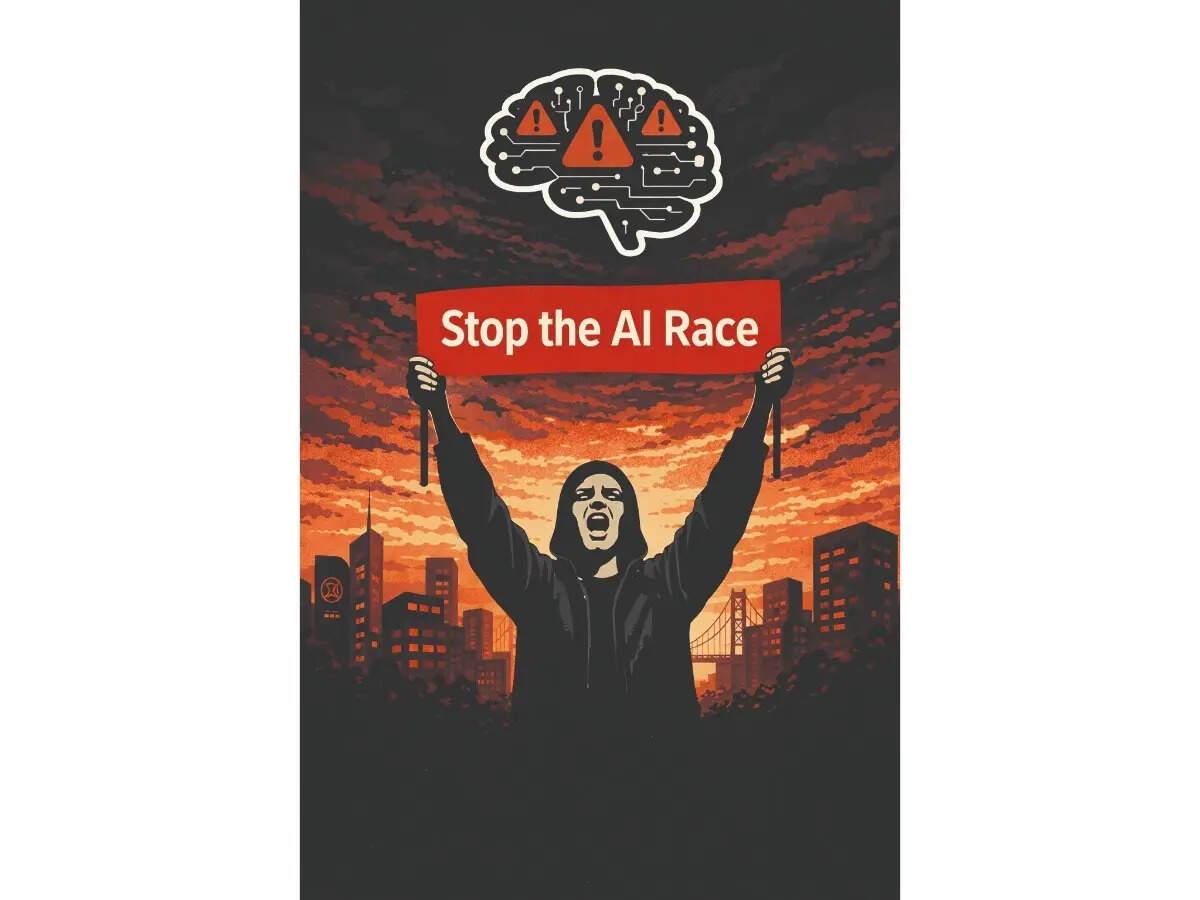
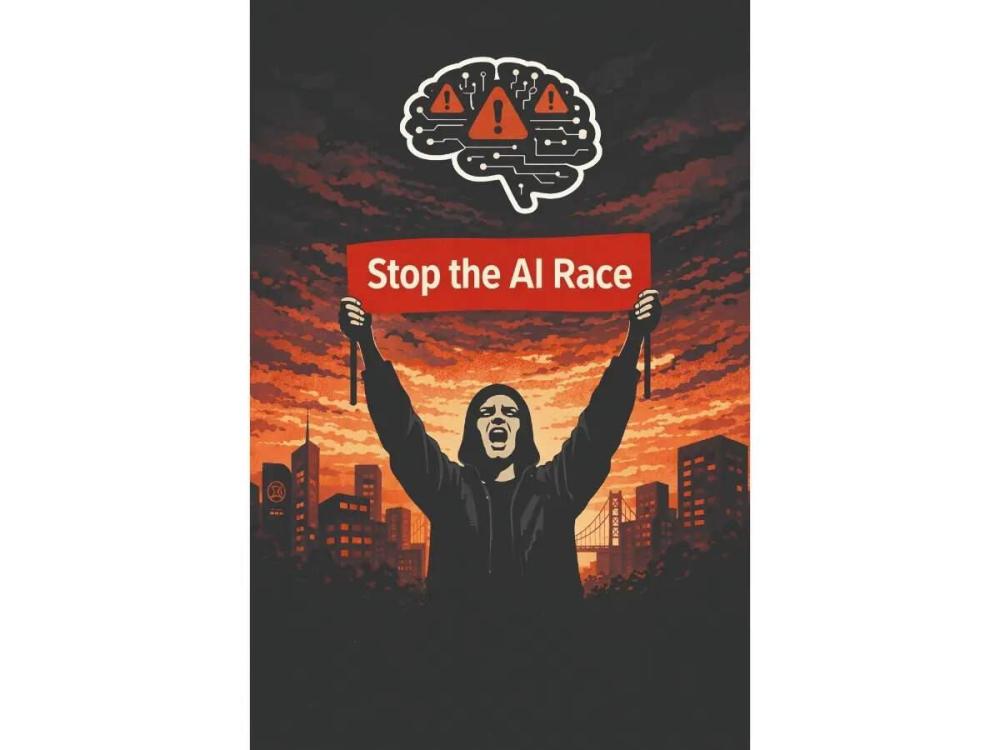
The call is to pause the development of AI systems since they pose significant risks, including existential threat. But Swathi Moorthy finds experts have a different take View the full article
-
Instead of relying only on instinct, I now combine that data with AI tools like ChatGPT to plan my bowling, writes Sumit Mitra View the full article

-
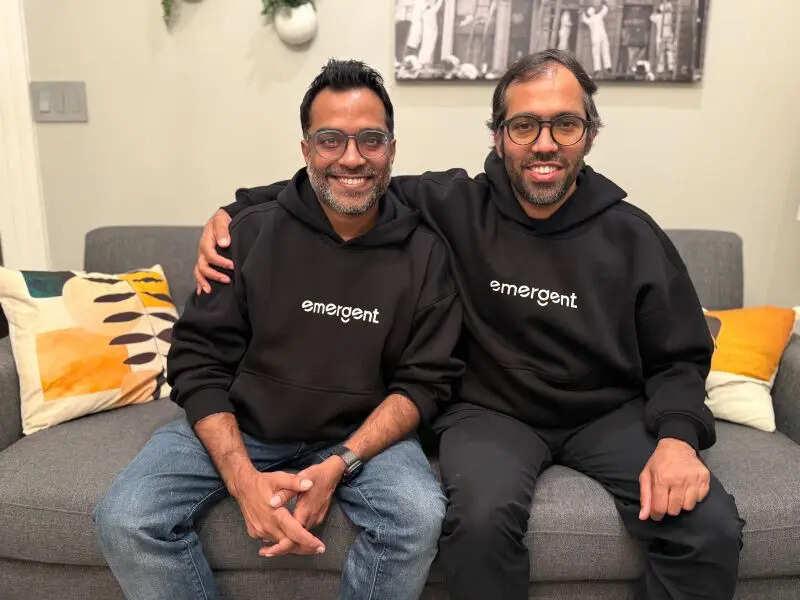
A debate over how vibe-coding startup Emergent — backed by the likes of SoftBank, Lightspeed, and Khosla Ventures — has reported its numbers has put the spotlight on the ARR metric of AI startups. In February, Emergent said it had hit $100 million in ARR within just eight months of launch, but a closer look at what ARR actually means reveals a more complicated picture. View the full article
-
Several trade pundits have called it the unravelling of a crisis larger than the $1.3 trillion 2008 financial crisis. And this time, the reason could be AI. The software companies affected by the AI disruption, make up 30% of these private credit portfolios. Himanshi Lohchab explains how is AI shaking up the US View the full article

-
A US House committee has advanced a bipartisan bill to stop advanced American chips from reaching foreign adversaries. This move follows concerns about China using restricted technology for AI development. The proposed Chip Security Act aims to strengthen US industry and limit rivals' access to critical computing power. View the full article
-
The Indian government has received no complaints about data centres using too much water. The Ministry of Electronics and Information Technology has not reported any issues. The data centre industry is using advanced cooling systems to save water and energy. New technologies are improving water efficiency. The government is supporting data centre growth to boost digital infrastructure. View the full article

-
Electronics and IT Minister Ashwini Vaishnaw has given the electronics component industry a 15-day deadline. They must present concrete plans for design capabilities, Six Sigma quality, and workforce skilling. Failure to comply will halt future disbursements and approvals under the Electronics Components Manufacturing Scheme. The minister stressed the nation's need for advancement in electronics design and component manufacturing. View the full article

-
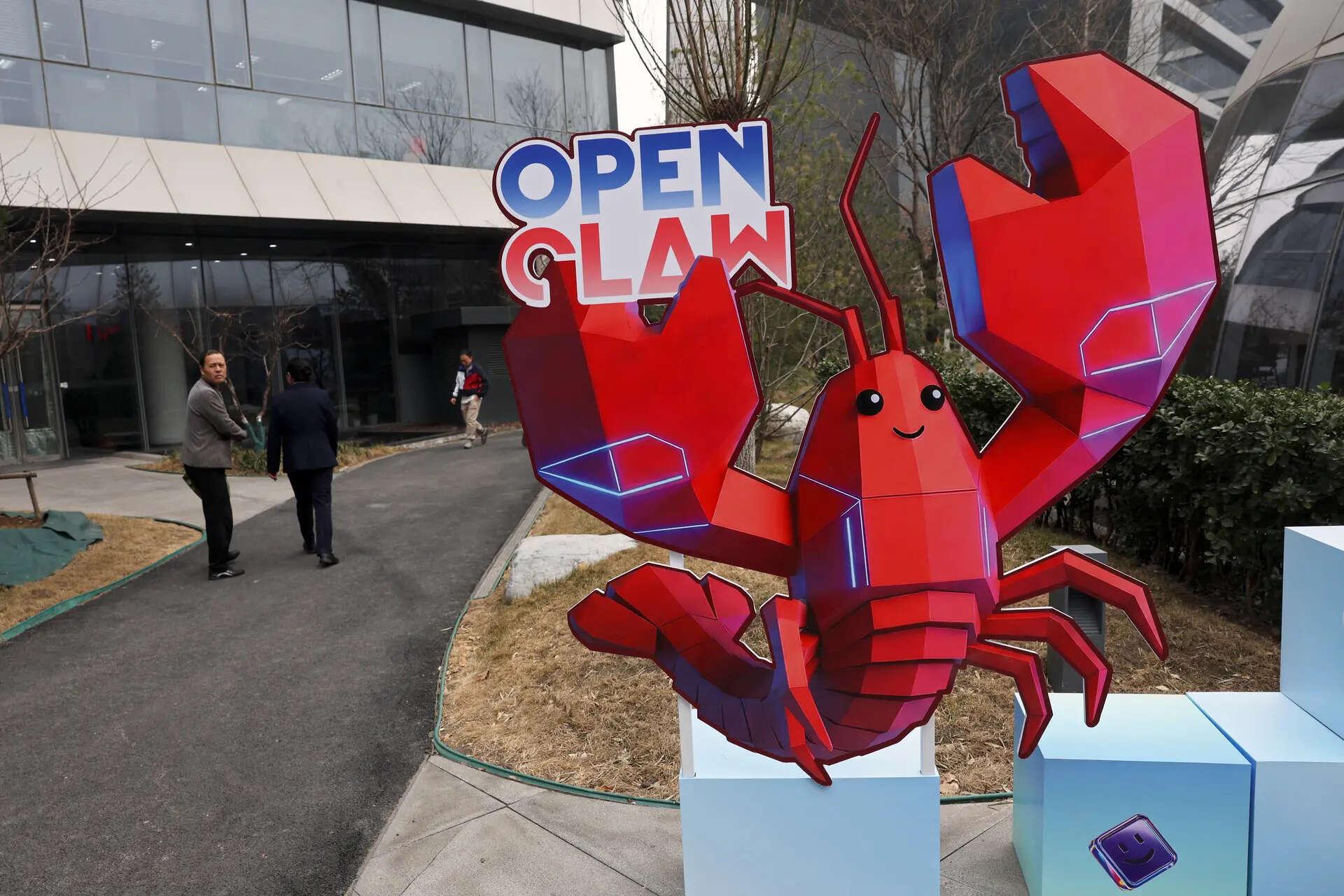
OpenClaw, an AI agent tool by Peter Steinberger, is making waves. It performs real-life tasks, heralding the 'year of agents'. While exciting, cybersecurity risks are a concern. Steinberger aims to make AI accessible and fun. This innovation could redefine personal assistance for everyone. The future of AI agents is unfolding now. View the full article

-
Microsoft has launched new features for its Copilot research assistant. Users can now employ multiple AI models together for improved accuracy and speed. This multi-model approach aims to reduce AI errors and boost productivity. Microsoft is also making its Copilot Cowork agentic AI tool more widely available. These upgrades come amid strong competition in the AI market. View the full article

-
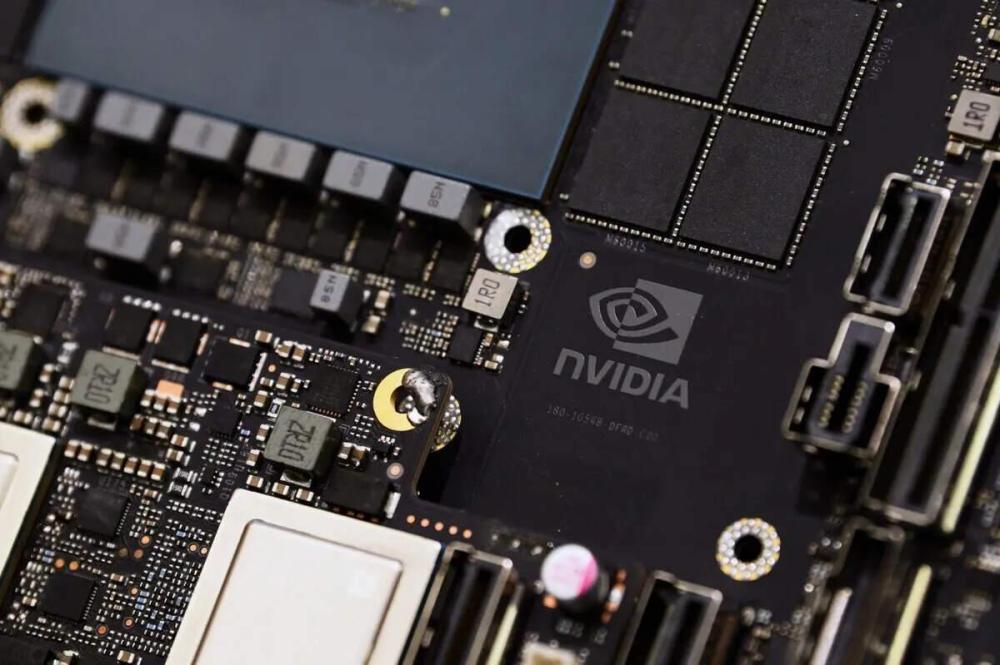
Chinese GPU maker Iluvatar CoreX saw a 92% revenue surge in 2025. This growth stems from increased customers seeking local AI chips. The company's general-purpose GPU business performed strongly. This highlights China's push for domestic AI hardware alternatives. Iluvatar CoreX now serves over 340 clients across various sectors. View the full article
-
Heavy users of artificial intelligence report being overwhelmed by trying to keep up with and on top of the technology designed to make their lives easier. Consultants at Boston Consulting Group (BCG) have dubbed the phenomenon "AI brain fry," a state of mental exhaustion stemming "from the excessive use or supervision of artificial intelligence tools, pushed beyond our cognitive limits." View the full article

-
The deal, set to be announced on Monday, marks Mistral's first debt raising and underscores growing investor confidence in European AI firms as they seek to challenge the dominance of US tech giants like Microsoft, Google and Amazon in cloud computing and AI services. View the full article

-
Bluesky has introduced Attie, a new AI assistant that lets users easily create personalised feeds and algorithms just by chatting. Built on the decentralised atproto network, it gives users more control over what they see. The app is currently in beta and aims to simplify building social experiences. View the full article

-
While even reliable AI detectors can produce false results, researchers say a crop of fraudulent tools has emerged online, easily weaponised to discredit authentic content and tarnish reputations. For instance, JustDone and Refinely appeared to operate even without an internet connection, suggesting their results may be scripted rather than genuine technical analysis. View the full article

-
The new deal builds on existing collaborations between the two companies, which struck a software licensing agreement in 2023, according to Insilico. The pair will use Insilico's "AI engine to accelerate the discovery and development of novel therapeutics across multiple therapeutic areas", said the filing, made by Insilico's parent company on Sunday. View the full article

-
Lilly will acquire exclusive rights to sell a GLP-1 drug for diabetes from Insilico Medicine, the FT report said, citing sources familiar with the matter. View the full article

-
AMD's new Helios GPU platform will start rolling out globally, including India, in the second half of 2026. This move aims to meet the growing demand for Artificial Intelligence and support the expansion of data centers. AMD is partnering with TCS to build AI-ready infrastructure. View the full article

-
The research has found that leading AI models like ChatGPT, Claude, Gemini, and DeepSeek often agree with users, even when they are wrong or endorsing harmful actions. Though this behaviour boosts trust and engagement from the users, it could erode accountability and weaken users’ willingness to reconsider their actions. View the full article