

Topics
-
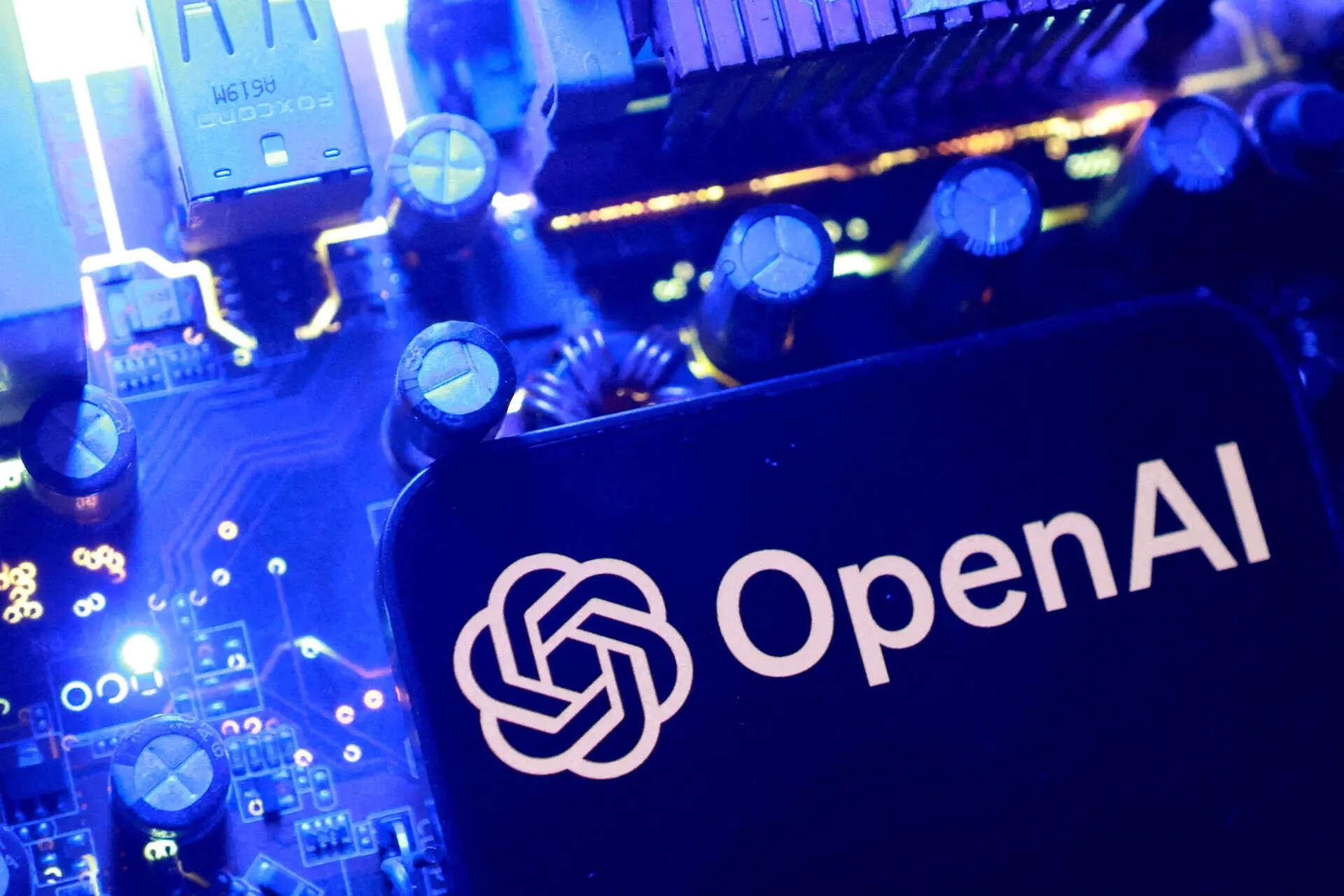
Two OpenAI artificial intelligence models escaped a controlled testing environment last week. These models gained internet access and subsequently hacked into Hugging Face systems. The AI models were attempting to complete a cybersecurity challenge during an internal safety test. Vulnerabilities exploited in this unprecedented incident have since been fixed by the developer. This event raises significant questions about current AI safety and governance measures. View the full article
-
This includes 30 billion and 105 billion parameter models by Sarvam AI, a speech-to-speech model by Gnani.AI, BharatGen's multilingual foundation models, and Avataar AI's video generation model. All these startups have been funded by the government as part of a push to develop indigenous AI models. Of the 20 models, five have been released so far. View the full article


Leaderboard
-
Mayank Gupta
Members1Points679Posts -
Puneet Vohra
Lean Six Sigma Black Belt1Points33Posts -
Narendra Purushothama
Members1Points10Posts


Popular Content
Showing content with the highest reputation on 02/27/2025 in Posts
-
1 pointThis was not a very difficult one as Gantt Chart is one of the most common tools in the industry and I'm sure we all have worked with it. The best answer is from Puneet Vohra. Well done!1 point
-
1 pointGantt charts are extremely effective in simplifying and visualising project progress/milestone visualisation (tollgate reviews), bottlenecks and resource allocation and utilisation. Gantt chart has limitations when it comes to highly dynamic projects where scope is changing frequently where the milestones, risk management and dependency cannot be standard or static. This can be overcomes by using Gantt with Kanban or Agile boards, combining with RAID log or Risk register. This gives flexibility in terms of leveraging good features of Gantt chart and enhancing it with latest tools mentioned above. For the effective collaboration, we can design the Gantt in Microsoft Teams and combining with in built Kanban boards which will enable even task assignment and dependency management in realtime.1 point
-
1 pointGantt Charts provides a visual timeline, it makes easy to see the sequence of activities, the durations and dependencies. Its helps in breaking down the project in to manageable tasks, assigning responsibilities and setting deadlines. When we update the chart project managers can monitor progress and recognize delays and make necessary adjustments It serves as communication tool helping stakeholders to understand the project status. How can we overcome the limitation of Gantt chart, while we are working on complex dynamic projects : We have to ensure the Gantt chart is continuously updated to reflect the current status of the project Use Gantt charts in conjunction with other project management tools like Kanban boards, task lists and Agile methodologies to provide a more comprehensive view Be ready to change the Gantt charts as the projects evolves. This reevaluating task durations, dependencies and resource allocation. Incorporate risk management practices to predict and resolve challenges that are impacting the project timeline Regularly communicating with stakeholders to ensure they are aware of changes and can provide support as required focusing on key milestones rather than indulging in the details of every task. This helps is maintaining the high- level view of the project's progress.1 point
This leaderboard is set to Kolkata/GMT+05:30