

Topics
-
View the full article
-
Marc Andreessen, a cofounder of Andreessen Horowitz, has voiced strong opinions on artificial intelligence regulation. His comments follow the US government's order to suspend access to Anthropic's advanced AI models, citing national security. Andreessen views strict rules as "red-tape monsters" that hinder innovation and burden startups. View the full article


Leaderboard
-
Mohamed Asif Abdul Hameed
Fraternity Members2Points78Posts

Popular Content
Showing content with the highest reputation on 07/29/2022 in Posts
-
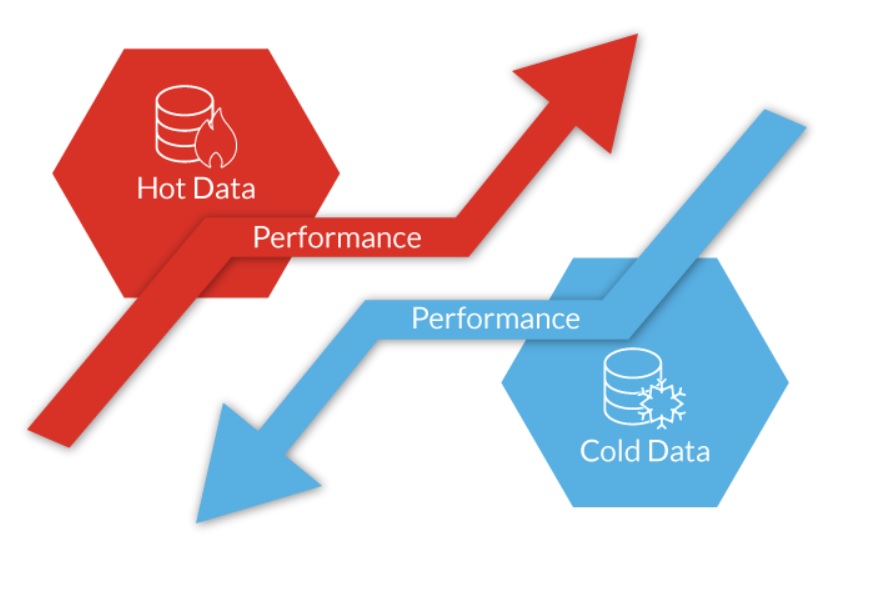
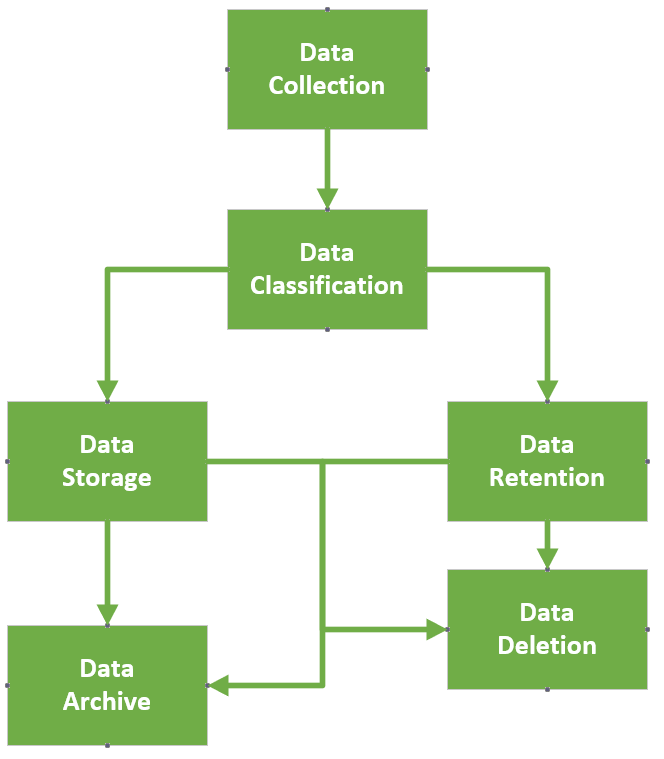
2 points“Data is more valuable than Oil”, nevertheless are we leveraging it to the extreme capacity? The answer is simple, it is "No” and it simply becomes dark data! Gartner, coined this term ‘Dark data’ and defines it as “The information assets organizations collect, process, and store during regular business activities, but generally fail to use for their analytics, business relationships and direct monetizing” Dark data can be generated by organization’s systems, devices, and interactions and typically most of the time it is the CRM, ERP, SCADA, HTTP, IoT and even WIFI systems which collects the data. It can be stored physically or on the storage peripherals or in cloud. While most of the data is unstructured, some of the examples of Dark data includes that of below, but not limited to the list, Application logs Customer records Geolocation Survey data Financial statements Customer Address Contact details CCTV footage Emails Chat messages Medical records Zip files Archived web content Code snippets Biggest challenges with regards to dark data is with regards to: Security dangers (hacks) Compliance issues Data authenticity and High Storage cost Brand Reputation Opportunity Cost Risk associated with the dark data can be easily mitigated by adhering to audit and retention policies defined by the organization. However, some best practices can have high impact to manage the risk associated with the dark data. The below model typically shows how the data is collected, stored, retained and deleted, more from an analyze, categorize and classify approach. Model Explained: Starting from Data classification (Public, Internal, Restricted) While we classify, it is vital to bucketize based on few critical factors, viz., Critical data? Permanent document? Proprietary Intellectual Property? Document/data serves the current needs of the operations? Legal and regulatory requirement? (For instance, w.r.t HIPAA, 6 years minimum retention. In contrary, GDPR allow data storage for an extended period, however, solely should be used for the purpose of public interest, statistical analysis and for historical research only) Hot Data or Cold data? (hot data is accessed frequently and used for quick decision whereas cold data is old data and are not frequently used) Based on the classification, then deciding whether to store or delete. If we wanted to store what is the retention period and how it will be useful. When we follow this approach, along with Regular data Audit and internal Data Life Cycle Management (DLCM), we can make the maximum utilization of the data from the data pool. Ways to leverage Dark data: Text Mining / Word mining Data mining methods Voice to Text analytics Data analytics Prescriptive analytics Behavior analysis, which can be used to train AI models for prediction Big data analytics and visualization (SAP HANA) Data Forecasting Trend Analysis Investigate past complaints Google’s approach to data management: “Some data you can delete whenever you like, some data is deleted automatically, and some data we retain for longer periods of time when necessary. When you delete data, we follow a deletion policy to make sure that your data is safely and completely removed from our servers or retained only in anonymized form.” Apple’s approach to data storage: Apple uses personal data to power our services, to process your transactions, to communicate with you, for security and fraud prevention, and to comply with law. We may also use personal data for other purposes with your consent. Final say: Data violations have earned a lot of notice in recent years as businesses become more dependent on digital data, cloud computing, and remote working. As a result, compliance and regulations have emerged as a requirement for ensuring information security. Using data analytic application suites can manage unified unstructured data effectively and can provide intelligent identification of data sets in the organization which can be in line with the industry legal and regulatory requirements.


 2 points
This leaderboard is set to Kolkata/GMT+05:30