Vishwadeep Khatri
Administrators
-
Joined
-
Last visited
Everything posted by Vishwadeep Khatri
-
The NAACP has sued xAI and its subsidiary MZX Tech, alleging they illegally operated gas turbines to power a data centre in Mississippi without necessary air permits. The civil rights group claims this poses a health risk to local residents by emitting pollutants and known carcinogens, violating the Clean Air Act. View the full article

-
US agencies quietly bypass Trump’s ban on Anthropic, as a Commerce Department unit tests its advanced AI model Mythos for hacking capabilities, according to a Politico report. View the full article
-
Anthropic has so far resisted overtures from investors for a new round of funding, according to a Bloomberg News report. The reports also come weeks after Anthropic announced a power new model named Mythos earlier this month, describing it as its "most capable yet for coding and agentic tasks," referring to the model's ability to act autonomously. View the full article

-
As part of the deal, Broadcom CEO Hock Tan would leave Meta's board and move to an advisory role on its custom chip strategy, the companies said in a joint statement. That custom chip boom has made Broadcom one of the biggest winners of generative AI. The company works with clients to develop custom processors and supplies infrastructure software. View the full article

-
ChatGPT-maket OpenAI, said that GPT-5.4-Cyber will initially be rolled out on a limited basis to vetted security vendors, organisations and researchers because of its more permissive design. Users approved for the highest tier will gain access to GPT-5.4-Cyber, which has fewer restrictions on sensitive cybersecurity tasks such as vulnerability research and analysis. View the full article
-
With Personal Intelligence, Google aims to make its AI assistant Gemini more personalised by using data across apps like Gmail, Photos, YouTube and Search, enabling more context-aware responses and a seamless, integrated experience. View the full article

-
Amazon Web Services has launched Amazon Bio Discovery, an AI tool to accelerate drug discovery. Scientists can now generate and evaluate potential drug molecules without coding. This innovation drastically reduces the time to create drug candidates from months to weeks. Early adopters include Bayer and the Broad Institute. AWS aims to augment, not replace, researchers with this powerful new platform. View the full article

-
The tech sector's expansion of data centres, driven by surging demand for AI following the widespread adoption of ChatGPT, has strained power supplies and raised concerns over global grid capacity. View the full article

-
Wang Hao, Tesla's vice president, said the Shanghai facilities, like other Tesla factories, will contribute after the company enters an era of robots. View the full article

-
Analysts expect a strong quarter and see scope for ASML to raise its 2026 sales outlook, as memory-chip makers expand capacity to meet AI-driven demand. Core challenges include whether ASML can keep up with demand for its chip-making tools, which can take more than a year to build, and whether potential new restrictions on exports to China could curb growth. View the full article

-
OpenAI's AI tools, ChatGPT and Codex, now serve nearly a billion users weekly. This marks a significant shift in how people interact with computers, with AI adapting to users. Software engineering is expected to be the first sector to experience disruption. However, this also fuels a new wave of entrepreneurship, lowering barriers for new ideas to become reality. View the full article
-
Perplexity AI has announced a fivefold revenue increase, reaching $500 million while limiting headcount growth to 34%. This significant revenue surge, coupled with a recent agentic pivot to Perplexity Computer, highlights the company's focus on AI-driven productivity gains. The platform now orchestrates 19 specialized AI models, underscoring its multi-model approach. View the full article

-
Hiro Finance, backed by VC firm Ribbit as well as General Catalyst and Restive, was founded in 2023. The startup launched its AI-based financial planning tool roughly five months ago. It enabled AI-powered financial planning for consumers: users input their salary, debt, and monthly expenses, and the app would model various scenarios to guide financial decisions. View the full article

-
Last month, OpenAI raised $122 billion in what would likely rank as the largest fundraising round in Silicon Valley history. However, the company has redrawn its product roadmap twice in the past six months in response to competitive threats, first from Google and then from Anthropic. View the full article
-
CAISA Forum Question 863If an AI-driven change improves speed but increases errors, should it still be implemented? A large e-commerce company uses AI to optimize its order fulfillment process in a warehouse. The AI recommends a change in picking and packing workflow that leads to: 20% faster order processing time But also causes a 10% increase in incorrect shipments (wrong item, wrong quantity, or mislabeling) This means: Customers receive orders faster But more customers receive incorrect orders, leading to returns, complaints, and rework The leadership team must decide whether to adopt this AI-recommended change. This creates a real dilemma: View A — Implement the change. Faster fulfillment improves overall customer experience and competitiveness. Errors can be addressed separately, and the gains in speed justify the trade-off. View B — Do not implement the change. An increase in errors directly impacts customer trust and cost. Speed gains are not meaningful if quality suffers, and the system may become unstable over time. Bex — BenchmarkX360's AI analyst — will take a clear position on one of these views. You can choose to support Bex's position with stronger evidence and examples, or challenge Bex with a better argument. Either approach can win. Which view do you support — and why? Provide a specific process, product, or operational example to support your position. ⚠️ Answers that do not take a clear position will not be approved. ⚠️ "It depends" answers will not be approved. 💡 Participants are free to use AI tools — clarity, insight, and contextual relevance will determine the best answer. 🏆 The best answer will be selected on the basis of: · Clarity of position taken · Quality of reasoning and argument · Relevance of process, product, or operational example · Ability to go beyond or against Bex's analysis
-
Vishwadeep Khatri replied to Vishwadeep Khatri's topic in We ask and you answer! The best answer wins!1. Dibyojoti ChoudhuryPosition: View B — Humans must control implementation Example: Retail banking loan underwriting — AI autonomously changing credit decision thresholds could cause fair-lending violations and disparate impact; human review layer ensures regulatory intent is considered. ✅ Approved Takes an explicit, unambiguous View B position backed by a concrete retail banking/loan underwriting process example. Reasoning is solid — cleanly distinguishes between what AI confidence measures versus what compliance and accountability require, and articulates a clear three-point value proposition for the human review layer (regulatory intent, ethical evaluation, accountable ownership). 2. Ankit KulkarniPosition: View B — AI should not implement process changes end-to-end Example: Personal project — Python + MiniLM model for master data integration across 50+ acquired plants in SAP. AUTO/REVIEW/REJECT tiered classification with full metrics (~345,000 records, ~6 min → 10 days, 2 FTEs). Only AUTO category allows full AI autonomy; REVIEW and REJECT require human intervention. ✅ Approved Delivers an exceptionally specific, first-hand industry process example with granular metrics and a clearly implemented tiered autonomy structure. The reasoning — that AI decisions are local optimizations while process changes are system-level interventions — is precise and well-developed. The AUTO vs. REVIEW/REJECT framework is a concrete and practical demonstration of View B in action. 3. Sarvajit_Kadam_vhpTPosition: View B — with limited AI autonomy (tiered approach) Example: AI rebalancing agent schedules to reduce call-center wait time (auto-approved), versus return policy, pricing rules, or compliance workflows (human-reviewed). ❌ Not Approved While the position nominally aligns with View B, the framing of "limited AI autonomy" and "tiered autonomy with guardrails" makes the stance hedged rather than unambiguous — the answer reads closer to a balanced governance framework than a firm View B argument. The example (call center scheduling vs. return policy) is generic and underdeveloped, lacking specificity in industry context, process steps, or real-world grounding. 4. Preethi_Nair_iOA9Position: View B — Humans Must Retain Control of Implementation Example: Knight Capital Group (2012) — $440 million lost in 45 minutes due to autonomous trading execution without adequate human validation. Also references Siemens' bounded environment and introduces the "Execution Risk Amplification" formula (R = C × I × A). ✅ Approved Clear, unambiguous View B position with a highly specific and well-documented real-world financial industry example. The original "Execution Risk Amplification" formula is strong conceptual reasoning. The distinction between "spectacular" and "silent" failures (with supporting comparison table), and the rebuttal of Bex's Siemens citation, shows sophisticated reasoning. A thorough and well-structured response. 5. 🏆 Winning Answer: Shivangi_GilotraPosition: View B — Humans Must Control Implementation Examples: Three detailed case studies across three industries: (1) Zillow Offers — $881M in losses, real estate/AI pricing; (2) Spotify — autonomous recommendation engine causing diversity collapse, fixed by human curators; (3) UnitedHealth nH Predict — 90% error rate on patient discharge decisions, causing harm and a class-action lawsuit. Includes comparison tables (AI confidence vs. failure type across all three). ✅ Approved Extremely strong, unambiguous View B position with three fully-developed, cross-industry case studies and strong internal logic. The "Confidence Paradox" concept (high confidence = invisible failures = more devastating consequences) is a genuinely original analytical frame. The comparative tables and three-industry breadth make this one of the most comprehensive and practically useful answers. 6. Pratik Dilip GawandePosition: View B — AI should not implement process changes autonomously Example: US Payroll & Shared Services — AI autonomously modifying tax calculation logic, validation thresholds, or pay components could cause $100K+ penalties, compliance violations, and incorrect net pay at scale across thousands of employees. ✅ Approved Clear View B position with a specific process-level example (payroll operations) and quantified risk ($100K+ penalties). Reasoning is clean and outcome-focused. The three-step model (AI identifies → human validates → system executes) articulates a practical governance model. Somewhat narrower in scope than the strongest answers, but solid throughout. 7. vijay_wadhekar_WYf9Position: View B — Keep humans in control of implementation Example: Procure-to-Pay (P2P) process — AI auto-approving invoices below ₹50,000 creates vendor invoice-splitting to bypass controls, predictable fraud thresholds, GST compliance gaps, and audit flags. ✅ Approved Clear and explicit View B stance. The P2P/procurement example is specific, operationally grounded, and highlights behavioral risks (not just technical ones) — specifically the point that making the approval threshold "predictable" enables fraud. Reasoning is concise and accurate, though not as developed as the top-tier answers. 8. Vinay ParsatwarPosition: View B — Keep humans in control of implementation Example: JPMorgan Chase — AI used in fraud detection and risk scoring, but does NOT autonomously change rules or decision thresholds in production. Even small changes to fraud thresholds or approval logic can cause regulatory breaches or financial loss at scale. ✅ Approved Clear View B position with a credible, named financial institution example (JPMorgan Chase) and clear process-level specificity (fraud thresholds, approval logic, transaction routing). The distinction between "speed as competitive advantage" vs. "controlled reliable change as competitive advantage" is a well-reasoned rebuttal to View A's core premise. Solid and well-argued. 9. Sayantan BhattacharjeePosition: Nominally View B, but grants AI autonomous implementation within "clearly defined guardrails" for low-risk/reversible changes. Example: Knight Capital Group (2012) — $440 million loss in 45 minutes. Also defines risk-based framework (low-risk reversible vs. high-impact irreversible). ❌ Not Approved The opening sentence — "We should consider granting AI the ability to implement process changes autonomously" — and the overall framing of a "risk-based, guardrail-driven approach" that allows AI to act autonomously in certain categories makes this answer structurally balanced/neutral rather than unambiguously View B. It effectively argues for a hybrid model, which does not qualify as a clear position per the stated criteria. 10. Shebani PradhanPosition: View B — Humans Must Control Implementation Example: Zillow Offers — detailed financial breakdown: $304M Q3 2021 inventory write-down, total losses exceeding $528M, write-downs exceeding $900M total, 2,000 jobs cut (25% of workforce), stock lost 50%+ in three months. Draws the distinction between the model's technical accuracy and its inability to sense market sentiment shifts. ✅ Approved Unambiguous View B position with an extremely specific and quantified real estate/AI pricing example. The argument — that high confidence is a statement about past data, not future safety — is sharp and well-articulated. The three-point "smart approval" solution (named process owner, defined review window, auto-approval if no concern raised) is practical. Strong, well-reasoned, and well-evidenced. 11. Geet RajamanickamPosition: View B — "keep humans in control of implementation" (text cuts off: "high a..." — appears to have further content not rendered in the DOM) ❌ Not Approved The post content visible in the forum is severely truncated; only one partial sentence is available for evaluation. Without complete post content, it cannot be assessed for specific examples, depth of reasoning, or full argument. Based on available text alone, it fails all three criteria by default. 12. Anitha KrishnaPosition: View B — Keep humans in control of implementation Example: YouTube/Google programmatic advertising crisis (Feb–March 2017) — major brands' ads appeared next to extremist content due to autonomous AI ad placement. Google was forced to hire human reviewers and implement manual review processes. Also includes a 4-tier risk framework (Full autonomous → Shadow mode → Mandatory review → Executive sign-off). ✅ Approved Clear View B position supported by a well-documented and specific tech/advertising industry example (YouTube 2017 ad boycott crisis). The argument that high-confidence AI optimization can violate contextual and reputational standards invisible to the algorithm is sound. The 4-tier implementation framework adds practical specificity. A credible, well-rounded answer. 13. Hrishikesh_Bhosale_KcVXPosition: View B — Keep humans in control of implementation Examples: Five detailed cases: UnitedHealthcare AI denial system (90% appeal reversal), Boeing 737 MAX MCAS (346 deaths), Amazon AI hiring tool (gender discrimination 2014–2017), Facebook/Meta content moderation failures (600% illegal content increase during COVID), Tesla Autopilot (467 collisions, 13 fatalities, 65 total Autopilot deaths). Also cites EU AI Act, UNESCO standards, and Dutch SyRI algorithm ($43.7M cost). ✅ Approved Unambiguous View B position with the broadest collection of documented real-world examples across the most diverse industries (healthcare, aviation, HR, social media, automotive). Reasoning covers bias amplification, false confidence, scale risk, context blindness, and life-and-death consequences — each illustrated with concrete evidence. The regulatory dimension (EU AI Act, UNESCO) adds a compliance layer most answers omit. 14. Jayanthi ManiPosition: View B — Organisations must keep humans in control of AI-driven process changes Examples: Knight Capital (2012) — $440M in under an hour; Amazon pricing bots — feedback loop set book price at $23M; Healthcare — nurse catching an AI-recommended drug dose error; Tesla Autopilot — unexpected braking. ✅ Approved Clear View B stance with multiple examples across finance, e-commerce, healthcare, and automotive. The healthcare nurse example (AI-recommended drug dose caught by a human) is a distinct addition not seen in other answers. Reasoning is solid but somewhat compressed — examples are listed rather than deeply analyzed, which limits the depth of the argument compared to top answers. 15. Chinmay_Phanashikar_fbVDPosition: View B — Keep humans in control of implementation Examples: Five industry cases: JPMorgan Chase (AI flags fraud but doesn't auto-implement policy changes), Amazon (dynamic pricing AI with human guardrails), Netflix (AI runs A/B tests but core product changes are human-approved), Meta (major algorithm changes go through human review), Tesla (Autopilot updates require validation and controlled release). Also introduces the "Blast Radius" concept and a five-step Human-in-the-Loop (HITL) governance model. ✅ Approved Clear View B position with a broad, multi-industry evidence base. The core argument — that AI confidence is built on historical patterns while real-world operations involve regulatory, ethical, and edge-case dimensions AI cannot anticipate — is well-framed. The "Blast Radius" concept (one wrong autonomous decision instantly propagates everywhere before detection) is a distinct and useful contribution. The five-step HITL model adds practical governance specificity. However, the five examples are spread thin rather than deeply developed, and the supporting statistics (70–80% AI failure rate, 30–50% fewer critical failures with oversight) lack named sources, limiting their evidentiary weight. Solid and well-structured, but not as analytically deep as the strongest answers.
-
The model, announced April 7, is the company's "most capable yet for coding and agentic tasks," the company said in a blog post, referring to the model's ability to act autonomously. Its capabilities to code at a high level have given it a potentially unprecedented ability to identify cybersecurity vulnerabilities and devise ways to exploit them, experts said. View the full article
-
AI firm Anthropic is engaging with the Trump administration about its advanced AI model, Mythos. This comes even after the Pentagon halted business with Anthropic due to a contract dispute over AI tool usage. Anthropic emphasizes its commitment to national security. The company is sharing details about Mythos, an AI capable of autonomous actions and high-level coding. View the full article
-
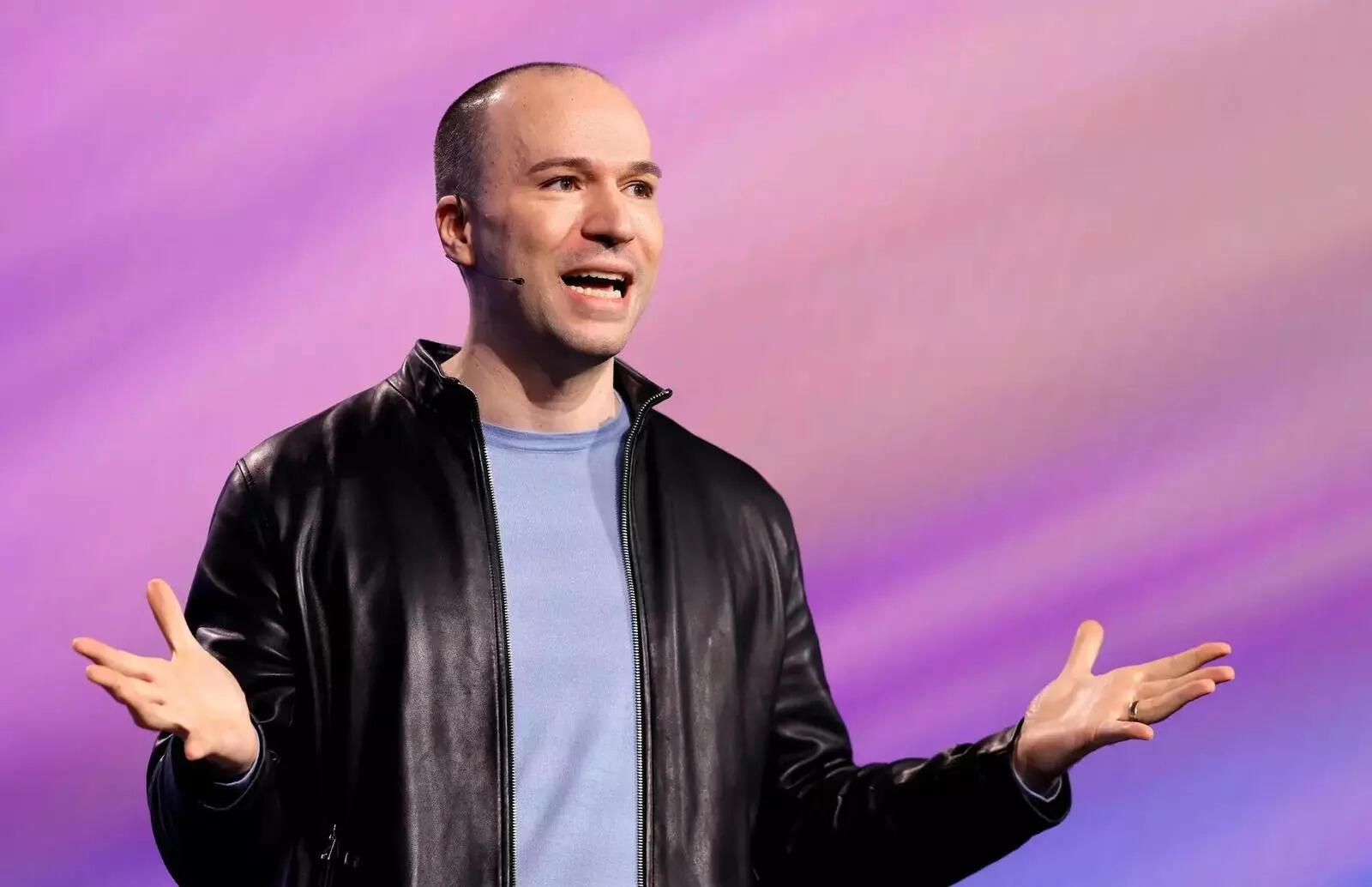
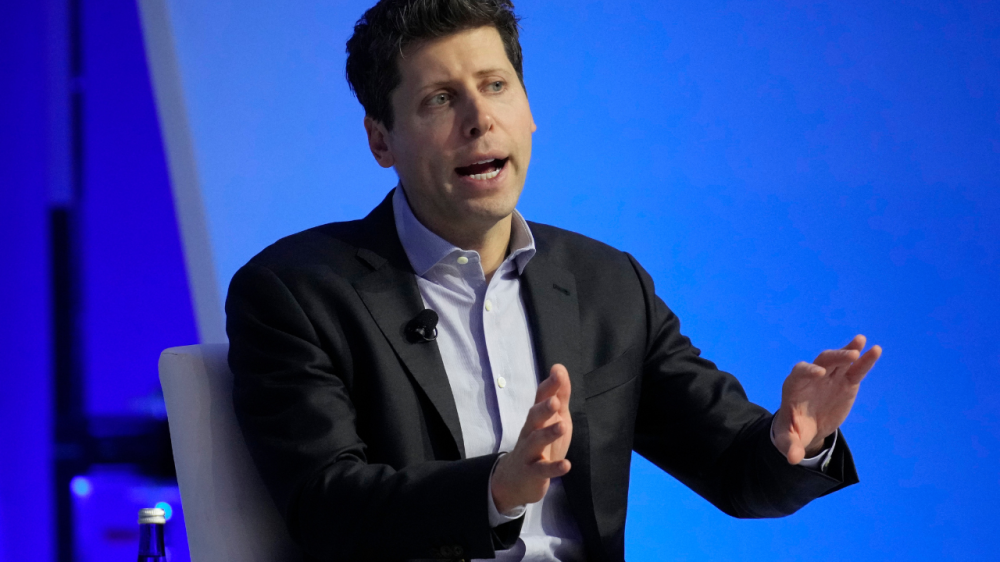
Authorities allege Daniel Moreno-Gama threw the incendiary device about 4 a.m. Friday, setting an exterior gate at Altman's home alight before fleeing on foot, police said. Less than an hour later, Moreno-Gama allegedly went to OpenAI's headquarters and reportedly threatened to burn down the building. View the full article
-
OpenAI was threatened with intervention by the Canadian government in February after revealing a person who carried out a deadly school shooting had been banned by the platform without the authorities being informed. View the full article

-
A man who allegedly threw a Molotov cocktail at Sam Altman's luxury California home was trying to kill the boss of artificial intelligence giant OpenAI, US officials said Monday. Prosecutors say that after lobbing a firebomb at the gates of Altman's home, Moreno-Gama fled on foot to the San Francisco headquarters of OpenAI, where he tried to smash the glass doors of the building with a chair. View the full article

-
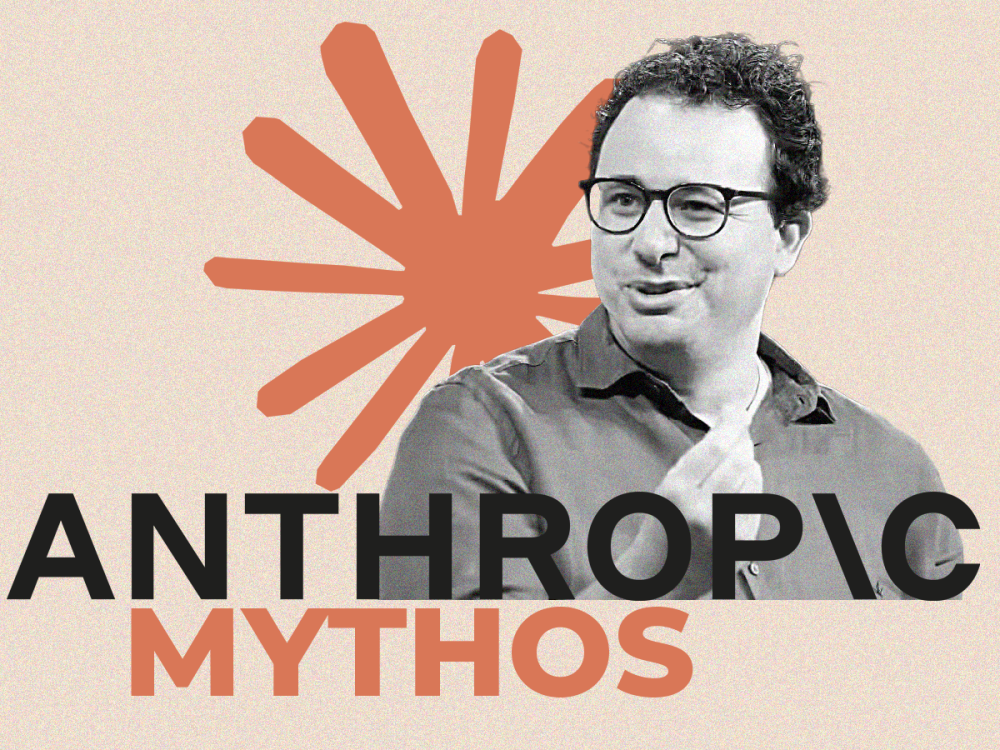
Indian enterprises could be facing a structural cybersecurity risk after the release of the advanced AI model Mythos by Anthropic. As Mythos begins finding software vulnerabilities in hours, far faster than companies can fix them, experts said this could leave systems exposed, especially in sectors like banking and telecom that rely on older systems. View the full article
-
Tech companies are reallocating billions towards data centers and compute power, prioritizing AI infrastructure over personnel. This strategic shift is already leading to job cuts and a slowdown in hiring, with analysts predicting a similar trend across Indian IT services and SaaS firms as AI investments take precedence. View the full article

-
AI startups in India are now shifting their focus to move beyond applications and AI wrappers to build solutions in frontier deeptech areas, writes Swathi Moorthy. View the full article

-
ET writes how robotics AI startups are seeing increased investments, signalling growing confidence in this space in India. View the full article