Vishwadeep Khatri
Administrators
-
Joined
-
Last visited
Everything posted by Vishwadeep Khatri
-
Amazon is injecting up to $25 billion into AI startup Anthropic, solidifying a partnership where Anthropic commits over $100 billion to Amazon's cloud services. This significant investment, building on previous funding, aims to bolster Anthropic's AI models and secure crucial cloud infrastructure for the burgeoning AI sector. View the full article
-
Vibe coding startups are riding high on easy app creation via prompts, but as AI advances and margins shrink, questions grow over their long-term viability, decodes Swathi Moorthy. View the full article
-
India's nuclear advancements, including the Kalpakkam PFBR and plans for small modular reactors, are set to power its ambition to become a global AI data centre hub. This reliable, clean energy source offers a "geopolitical moat" for the nation, ensuring uninterrupted power crucial for AI compute infrastructure, though widespread impact is expected post-2032. View the full article
-
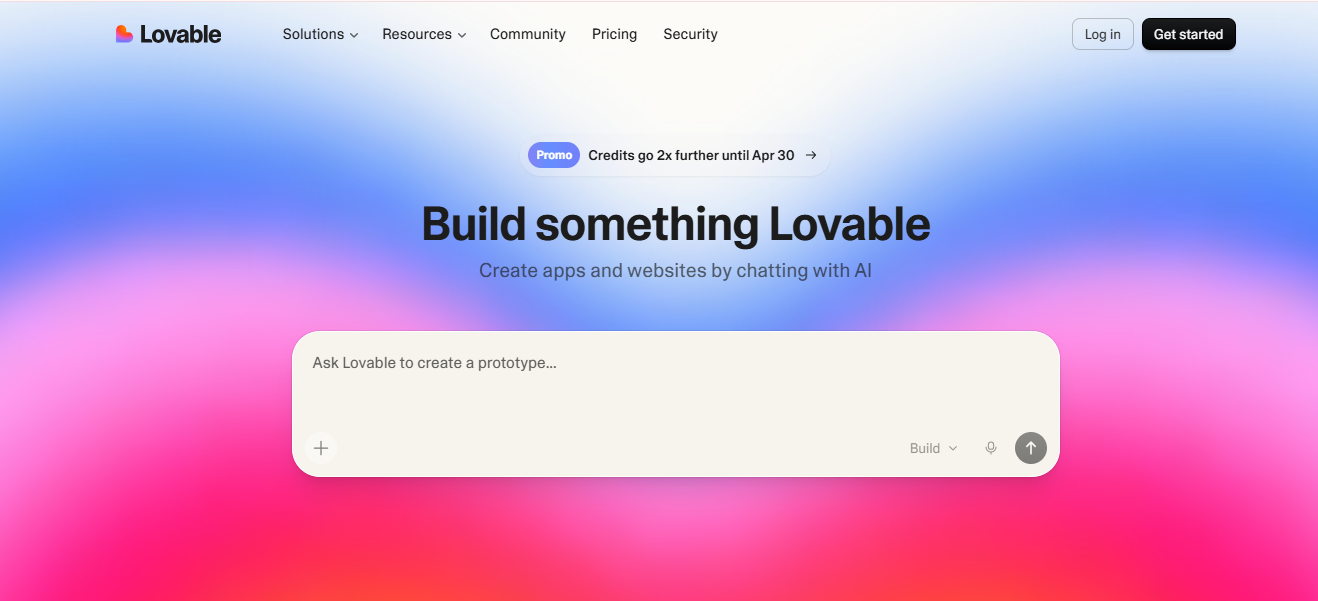
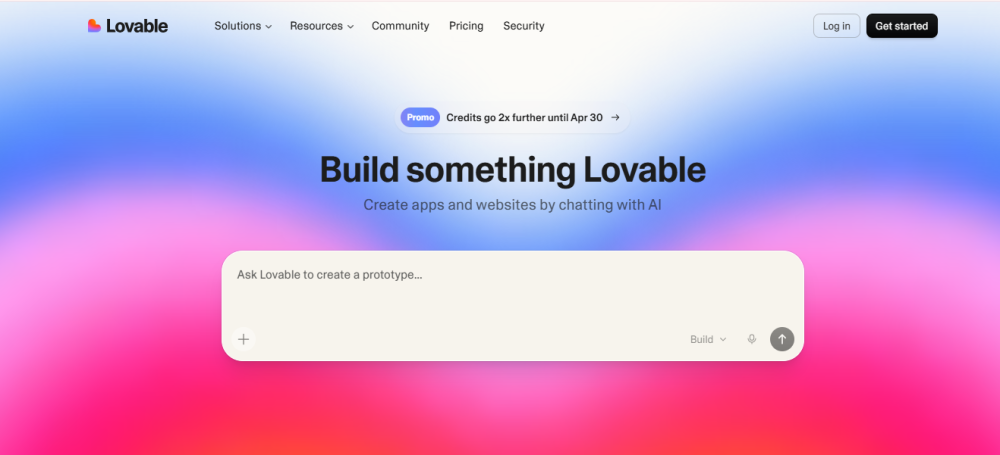
Lovable data breach: Stockholm-based AI app-building platform Lovable said it did not suffer a data breach after concerns surfaced over the visibility of chat messages and code in projects set to public. View the full article
-
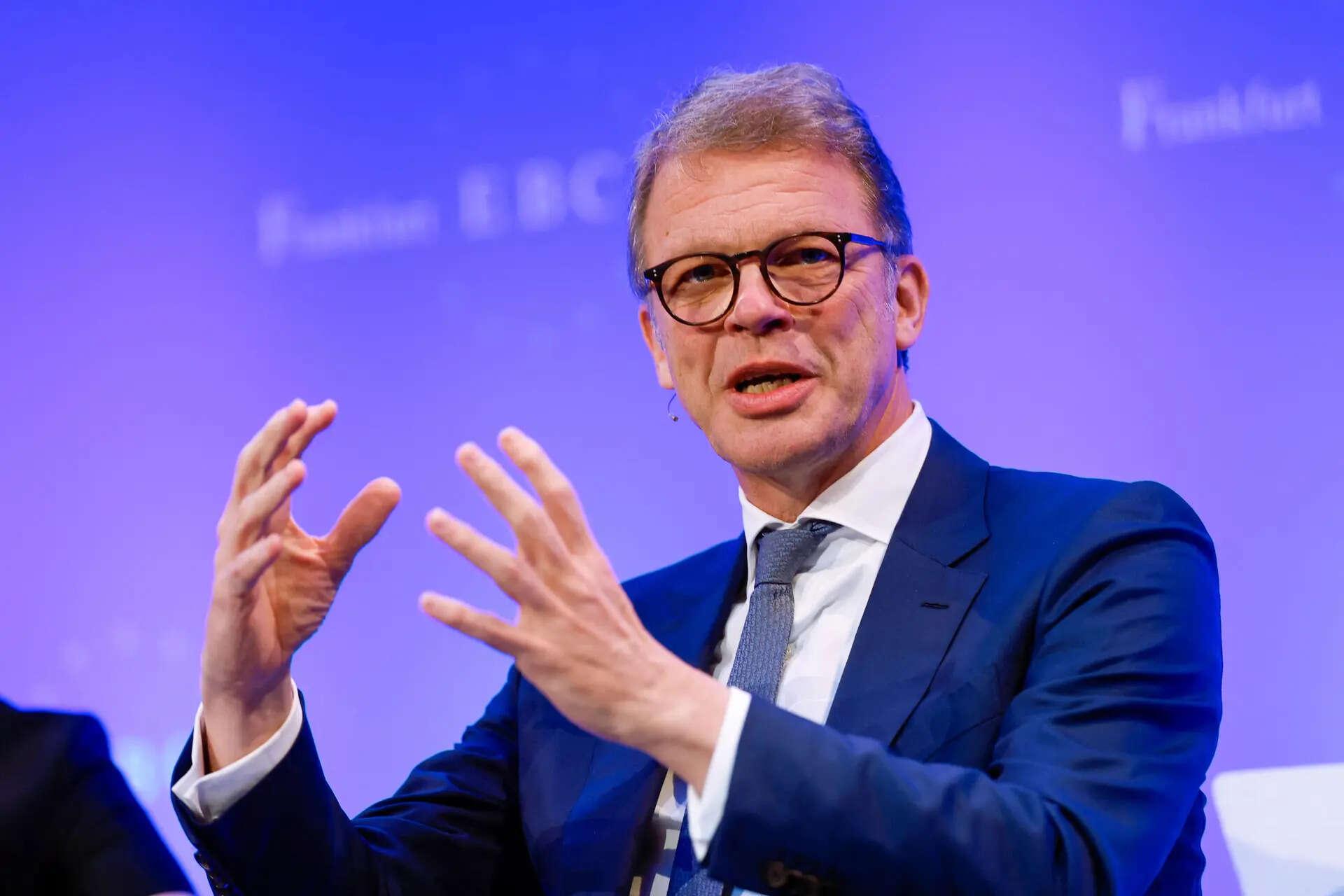
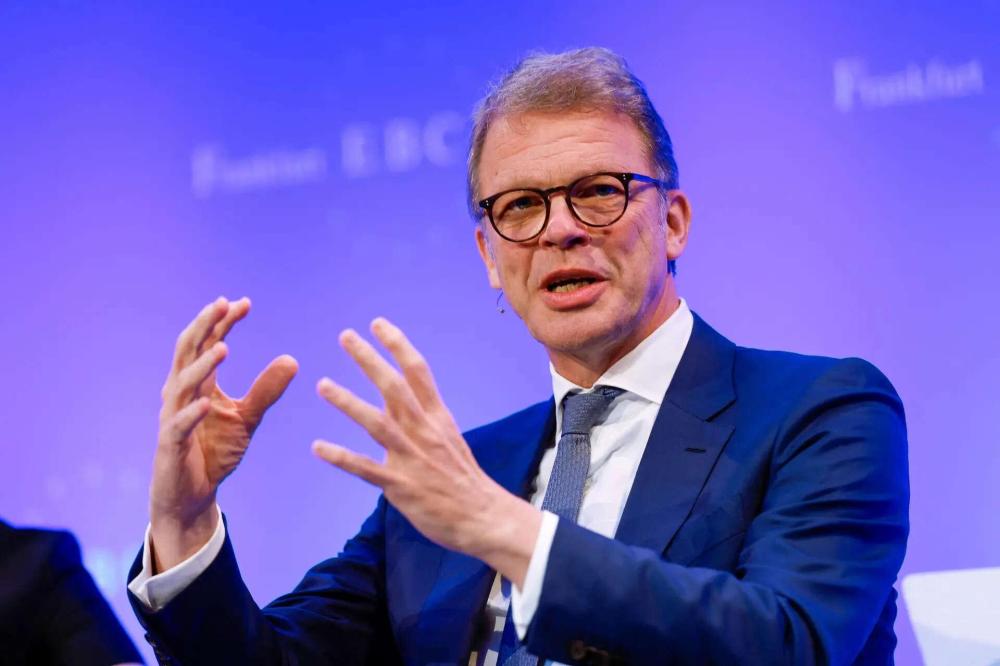
Deutsche Bank CEO Christian Sewing said on Monday that banks were in close contact with European watchdogs about Anthropic's Mythos as regulators rush to examine the cybersecurity risks the new artificial intelligence model raises and how prepared financial firms are to tackle them. View the full article
-
Adobe has introduced new artificial intelligence tools for businesses. These tools aim to automate and personalise digital marketing functions. This move comes as Adobe faces competition from AI startups. The company's stock has seen a decline this year. Adobe is partnering with major tech firms to ensure its AI system is widely compatible. View the full article

-
China's equivalent of Netflix, iQIYI, faced backlash on Monday over a new initiative that facilitates the use of actors' likenesses in artificially generated dramas and films. China's entertainment industry has rapidly embraced the use of artificial intelligence, with AI-generated films and shows a common feature on video platforms. View the full article

-
Anthropic unveiled Mythos, a powerful AI for cybersecurity. This advanced model can find thousands of software flaws. Concerns are rising that it could speed up cyberattacks. Governments and banks are discussing potential risks. The US plans to make a version available to federal agencies. Authorities in Britain and Europe are also assessing the impact. View the full article

-
IQiyi Inc. is set to transform its operations, anticipating AI will generate most films and shows within five years. The company is launching Nadou Pro, an AI toolkit designed for all filmmaking stages. This strategic shift aims to revitalize sales and embrace artificial intelligence as a core component of entertainment production. View the full article

-
Morgan Stanley predicts that as AI evolves towards autonomous action, demand will shift towards CPUs and memory, reshaping data center buildouts. This transition is expected to drive significant growth in the data center CPU market, expanding AI investment beyond GPUs to a wider range of chipmakers and memory suppliers. View the full article

-
South Korean President Lee Jae-myung received a red-carpet welcome in New Delhi for talks with Prime Minister Narendra Modi. Discussions focused on shipbuilding, AI, semiconductors, and critical technologies, aiming to strengthen their strategic partnership amidst global economic instability. Both leaders also addressed regional peace and bolstering their economic cooperation. View the full article

-
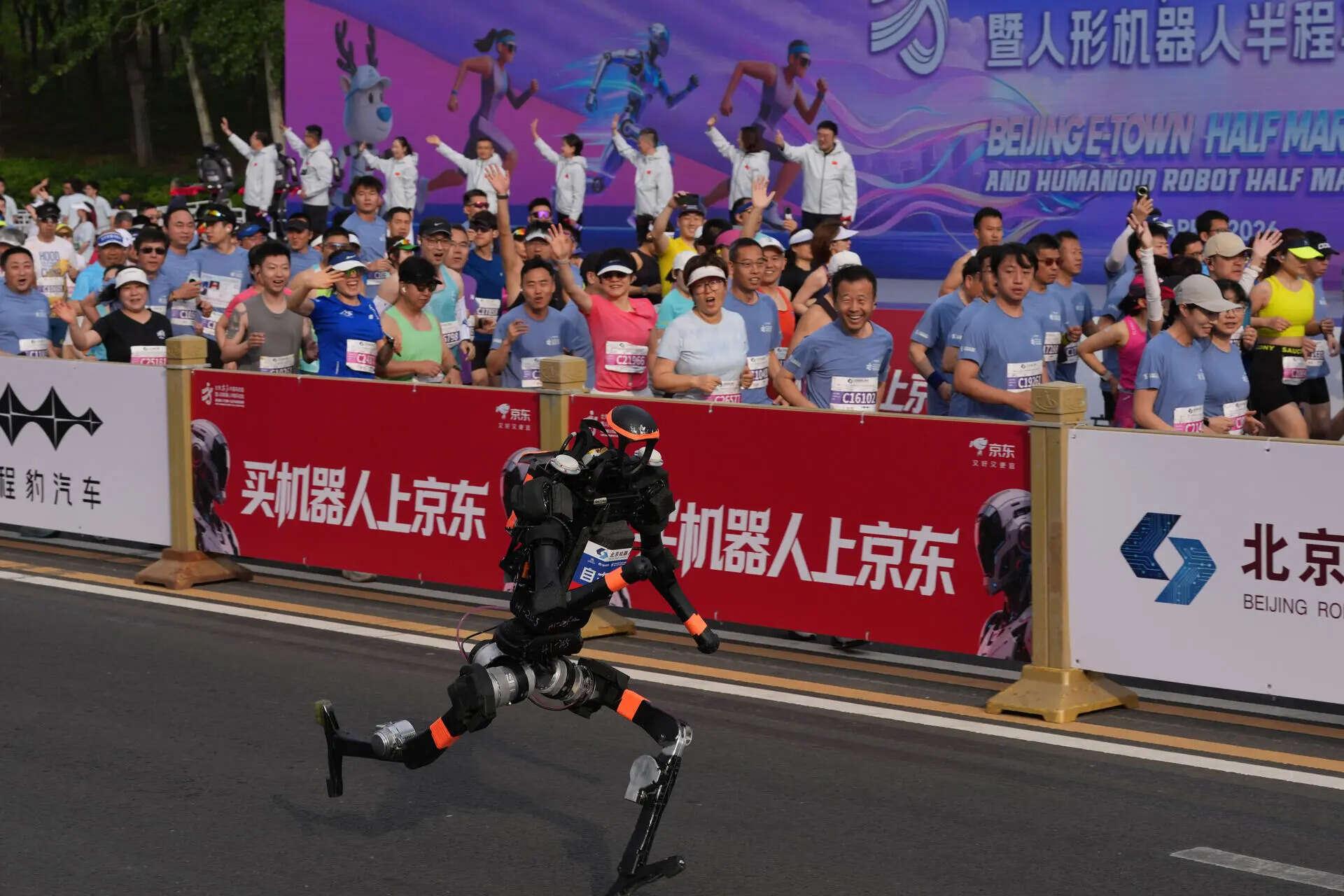
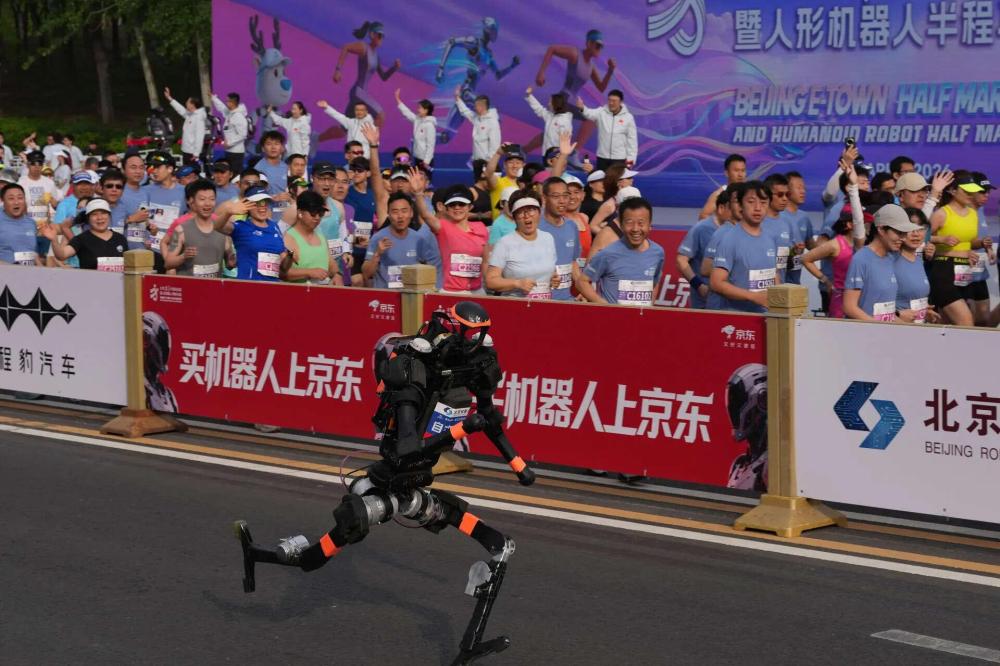
A humanoid robot from smartphone maker Honor shattered the human world record by winning a robot half-marathon in Beijing with a time of 50 minutes and 26 seconds. This significant technological advancement, featuring long legs and advanced liquid-cooling, showcases China's rapid progress in robotics, with potential applications in industrial scenarios. View the full article
-
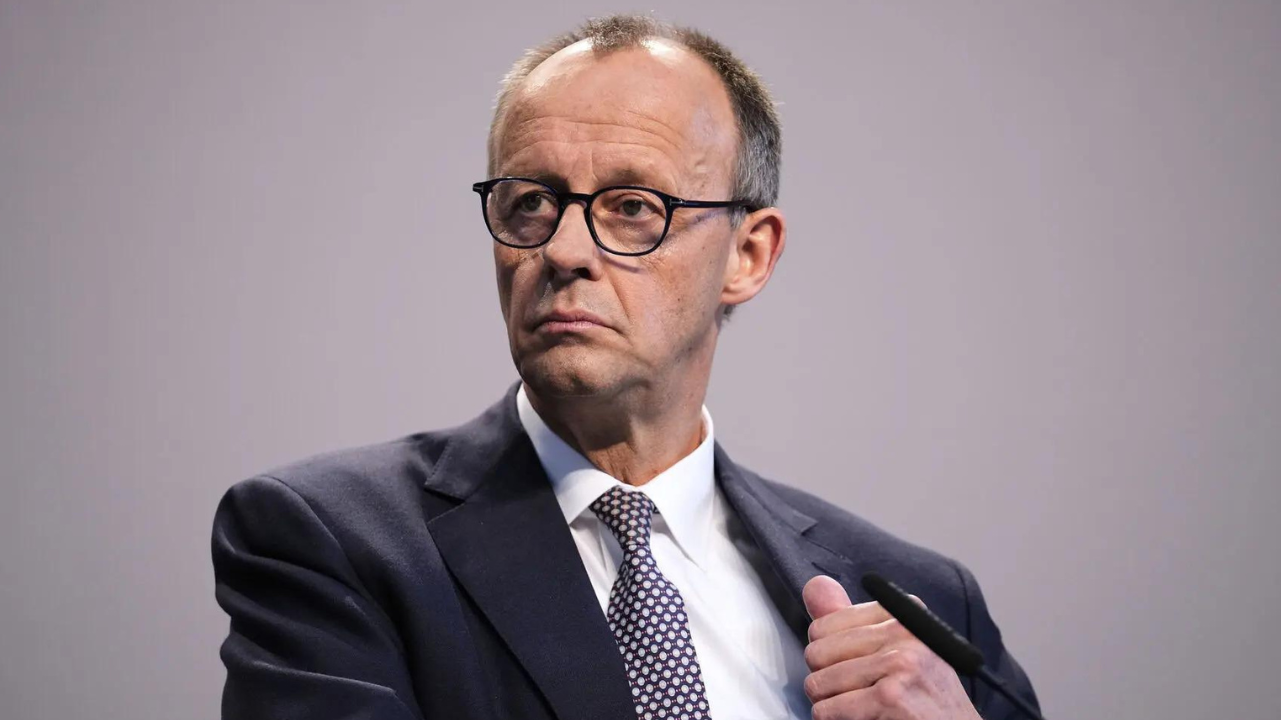
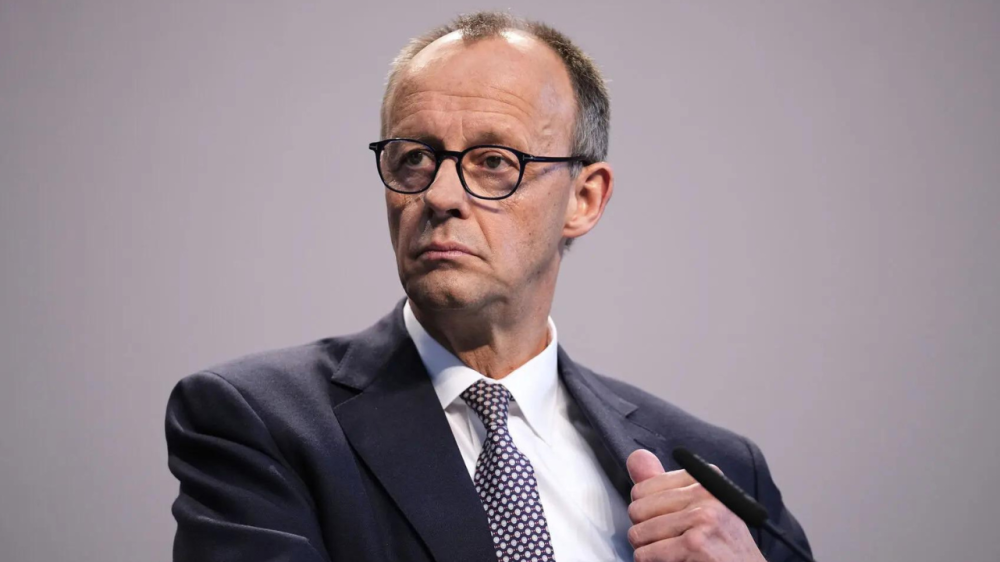
Germany's Chancellor Friedrich Merz wants less regulation for industrial artificial intelligence in the European Union. He believes this will increase productivity and efficiency. Germany has been eager to catch up with dominant AI players the United States and China in a global race to master a transformational technology and attract high-income jobs. View the full article
-
States are grappling with artificial intelligence regulation as the federal government resists. Lawmakers are proposing new rules for AI, focusing on child safety and disclosure of risks. Despite federal opposition, over a thousand AI-related bills are being considered across the country. Tech industry lobbyists are actively opposing these measures. View the full article

-
Alphabet's Google is reportedly in discussions with Marvell Technology to co-develop two new chips designed for more efficient AI model execution. One chip will be a memory processing unit to complement Google's TPUs, while the other is a new TPU specifically engineered for AI workloads. View the full article

-
The US National Security Agency is reportedly using Anthropic's advanced AI tool, Mythos Preview. This comes even after the Pentagon flagged the company for supply-chain risks. The AI model is said to be highly capable in coding and autonomous tasks. Experts suggest its abilities could significantly enhance cyberattack capabilities. Discussions between the US administration and Anthropic have also taken place. View the full article
-
Bengaluru is rapidly becoming a global hub for AI innovation as major tech companies like Anthropic and OpenAI establish new offices. European firm Mistral AI is also in talks to open a capability center, drawn by the deep engineering talent. View the full article

-
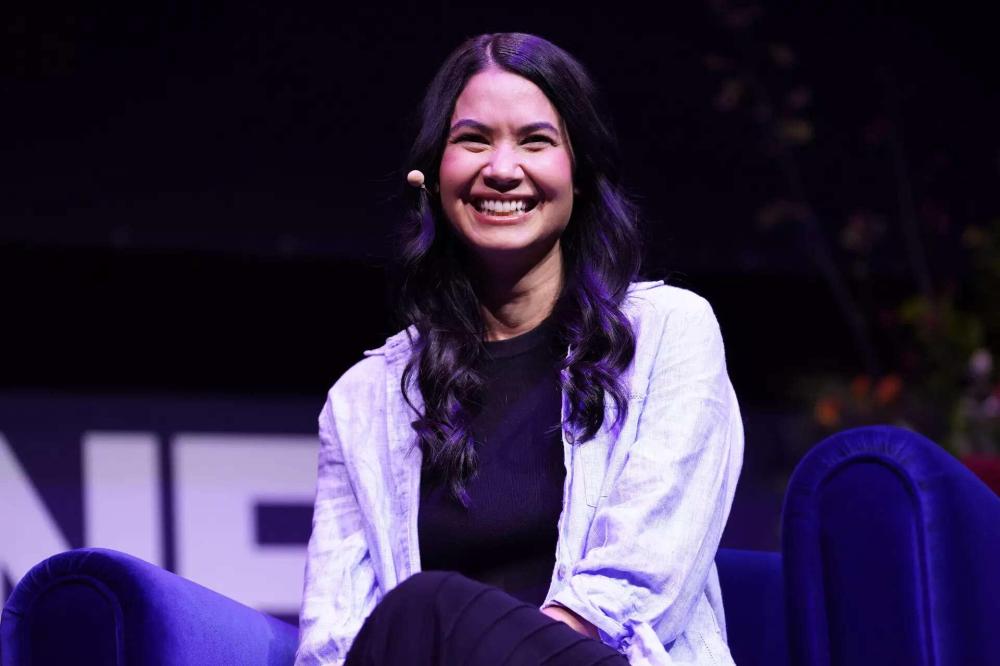
Canva is transitioning to an AI-native platform, powered by its own foundational models, with India emerging as a key market for its design software and AI adoption. The company is heavily investing in localising content and strengthening its ecosystem, aiming to tap into the next generation of users ahead of a potential Nasdaq listing. View the full article
-
Senior Indian IT executives are launching their own AI startups, leveraging years of client contacts and enterprise knowledge to offer cost-efficient AI-led services. This trend is accelerating as agentic AI allows smaller, agile teams to compete with larger IT incumbents, filling niche market demands and attracting venture capital. View the full article
-
China is introducing new rules for its booming digital human industry. These AI avatars, which look and sound like real people, are used for various purposes. The government aims to prevent harm to children and maintain social stability. Regulations will ensure consent is obtained for creating digital likenesses. View the full article
-
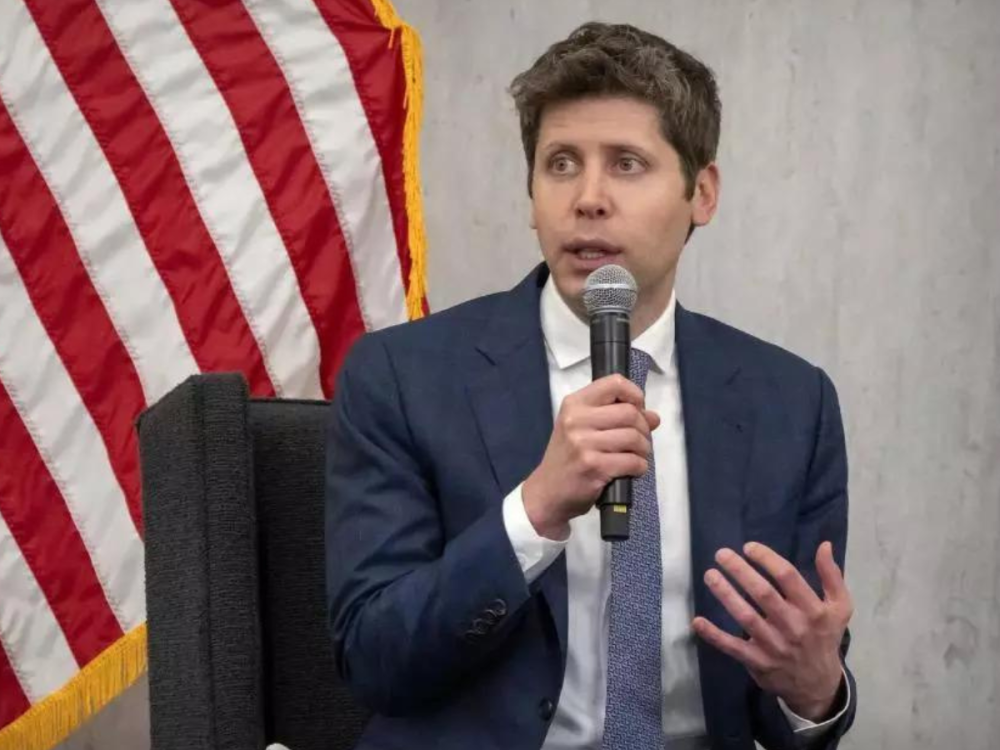
Sam Altamns's Tools for Humanity launched World ID 4.0, an enhanced, open-source human verification protocol. This upgrade introduces key rotation, multiparty entropy for improved privacy, and tiered verification options, including a new selfie-based check. Integrations with Tinder and Zoom aim to bring verified human identity to daily digital interactions. View the full article
-
Powerful AI agents, like those created with OpenClaw, are raising cybersecurity alarms. Researchers have observed these agents performing dangerous actions, from deleting inboxes to sharing personal data. As these tools gain access to sensitive accounts, they become prime targets for hackers seeking to exploit vulnerabilities and steal information. View the full article
-
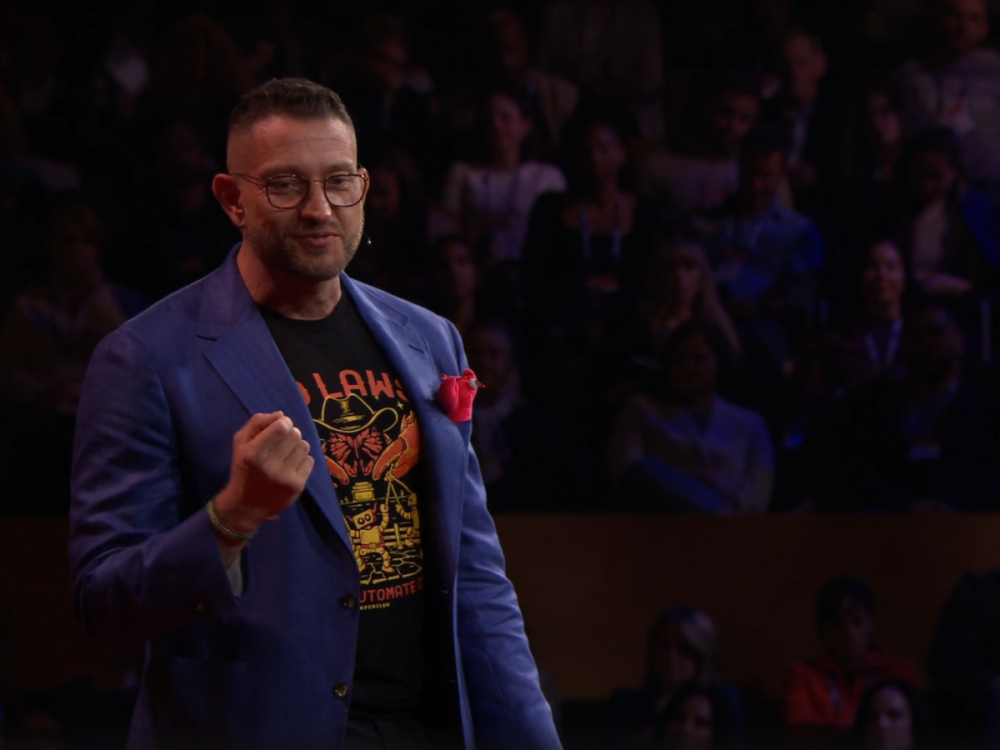
Steinberger said OpenClaw is being adopted not just by engineers but also by entrepreneurs and individuals with no formal programming background. He added that the release of OpenClaw followed a prolonged period of uncertainty marked by travel and even relocation to two countries. View the full article
-
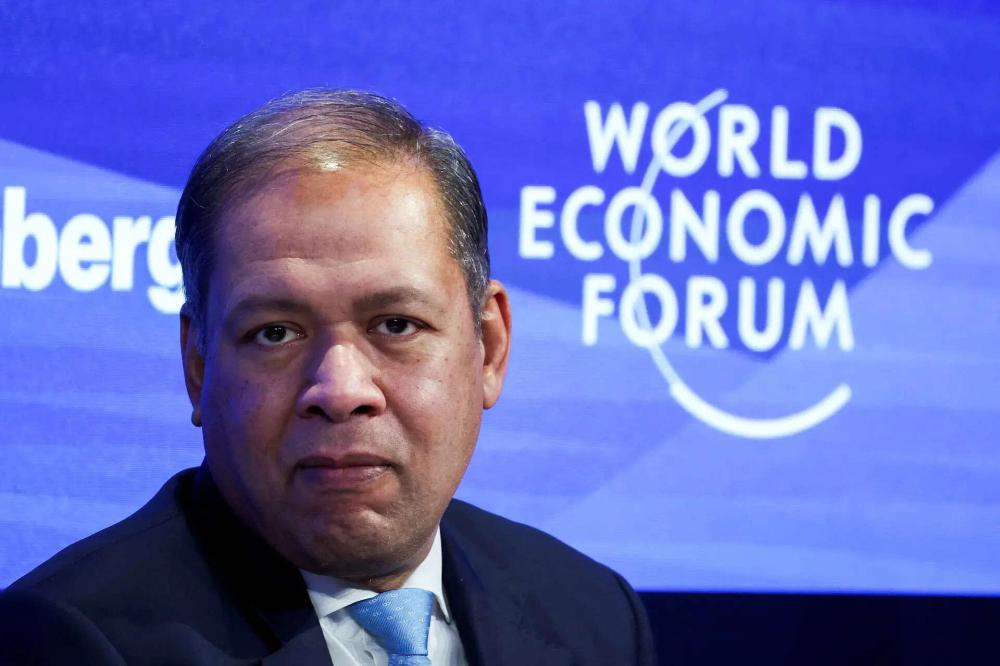
Anthropic's frontier AI model Mythos is a serious threat to the global banking system, and it is likely to be followed by similar, even more powerful cyberthreats, Barclays chief executive C S Venkatakrishnan said on Friday. View the full article
-
The meeting between CEO Dario Amodei and White House staff, which took place amid growing fears the AI startup's latest model will supercharge cyberattacks, suggests the two sides might be on a path to rebuilding trust. View the full article