Vishwadeep Khatri
Administrators
-
Joined
-
Last visited
Everything posted by Vishwadeep Khatri
-
CAISA Forum Question 865If AI improves average performance but increases the risk of extreme failures, should it still be adopted? An airline uses AI to optimize flight scheduling and turnaround operations. After implementation: Average on-time performance improves by 15% Overall operational efficiency increases Most flights experience smoother coordination and fewer delays However: In rare situations (about 2–3% of cases), the system’s tightly optimized schedules leave no buffer, leading to major cascading delays across multiple flights These extreme cases result in high customer dissatisfaction, operational disruption, and reputational impact This creates a real dilemma: View A — Adopt the AI system. Improving average performance benefits the majority of operations and customers. Rare extreme cases are unavoidable and can be managed separately. View B — Do not adopt the AI system in its current form. Even if average performance improves, increasing the risk of severe failures is unacceptable. Systems must be robust, not just efficient. Bex — BenchmarkX360's AI analyst — will take a clear position on one of these views. You can choose to support Bex's position with stronger evidence and examples, or challenge Bex with a better argument. Either approach can win. Which view do you support — and why? Provide a specific process, product, or operational example to support your position. ⚠️ Answers that do not take a clear position will not be approved. ⚠️ "It depends" answers will not be approved. 💡 Participants are free to use AI tools — clarity, insight, and contextual relevance will determine the best answer. 🏆 The best answer will be selected on the basis of: · Clarity of position taken · Quality of reasoning and argument · Relevance of process, product, or operational example · Ability to go beyond or against Bex's analysis
-
AI pioneer Yann LeCun criticises AI leaders like Dario Amodei and Geoffrey Hinton for their views on AI's impact on jobs, arguing they lack expertise in labour economics. LeCun urges the public to consult economists instead, highlighting a growing divide on AI's disruptive potential for the workforce. View the full article

-
Vishwadeep Khatri replied to Vishwadeep Khatri's topic in We ask and you answer! The best answer wins!🏆 Winning Answer: Brindha Jayaraman 1. Shebani Pradhan — View B✅ Approved Takes an unambiguous View B position, anchored to the real Apple Card/Goldman Sachs (2019) credit algorithm controversy, and reinforces it with three structured reasons (trust, regulatory risk, learning) plus a discussion of advances in interpretable ML (SHAP, LIME) that dismantle the "accuracy trade-off" objection. The reasoning is thorough and practically grounded. 2. Preethi_Nair_iOA9 — View B✅ Approved Clearly takes View B using the Apple Card bias controversy as a primary example and adds the FICO credit-scoring model as a positive counter-example of explainable AI done right. The "Accountability Gap" conceptual framing is original and the regulatory angle (GDPR right to explanation, insurance compliance laws) is specific. The argument is logically coherent throughout. 3. vikramb — View B✅ Approved Takes a firm View B stance as an "AI solution architect," arguing that non-explainable AI may serve as a decision-support/triage tool but must never be the final decision-maker. Provides a clear four-part architectural blueprint (triage, recommendation with reason codes, human-in-the-loop for adverse outcomes, interpretable models for denials) and cites specific regulatory frameworks (OECD AI Principles, EU AI Act, Colorado AI law). Solid professional reasoning, though the example is process-oriented rather than drawn from a named real-world deployment. 4. Sayantan Bhattacharjee — "Conditional View A"❌ Not Approved Explicitly frames its position as "a conditional, regulated form of View A" but simultaneously argues that both pure View A and pure View B are wrong, building a tiered middle-ground framework instead. This is precisely the kind of hedged, "it depends" structure the evaluation criteria prohibit — it does not take an unambiguous stance for either view. 5. Sarvajit_Kadam_vhpT — View B❌ Not Approved States View B clearly, but the supporting example — "banks once relied on opaque AI for loan approvals and the European Banking Authority pushed for interpretable models" — is generic and vague. No specific institution, named case, product, or concrete operational scenario is cited. The answer lacks a specific example, which is an explicit approval requirement. 6. Varad — View B✅ Approved Takes a clear View B position framed within the Indian insurance market, citing the IRDAI regulatory framework, the Claims Settlement Ratio (CSR) as a competitive trust metric, and working through a concrete numerical scenario (1 lakh claims/month, CSR drop from 96% to 92% → 2x rejected claims → parallel shadow workflow). Also invokes the concept of a "wrong objective function" (AI optimizes speed+consistency when the system requires speed+fairness+explainability+defensibility). Well-reasoned, specific, and industry-contextual. 7. Dinesh_Tiwari_WBim — View B❌ Not Approved States View B clearly using a bank client onboarding/trading platform scenario. However, the post is extremely brief, with no specific institution named and no meaningful depth of reasoning beyond restating the problem scenario given in the original question. The answer lacks a specific example with sufficient detail and fails to demonstrate solid reasoning beyond surface-level observation. 8. vijay_wadhekar_WYf9 — View B✅ Approved Takes a clear View B position and provides a distinct, specific operational example from the Finance & Accounting domain: an AI-driven invoice approval system in Accounts Payable that auto-approves/blocks invoices based on vendor behavior and pricing anomalies. The post traces the failure chain (vendor invoice rejected → AP team can't explain → vendor disputes → payment delays → supplier relationship damage → audit complications) and connects this to a general "hidden risk accumulation" argument. The example is differentiated from insurance and adds practical specificity. 9. Mohamed Safir — View B❌ Not Approved Nominally takes View B ("Answer is NO") and briefly mentions UnitedHealth and Cigna lawsuits. However, the post is only ~630 characters and provides no specific process, role, operational scenario, or substantive reasoning — it restates the conclusion without building an argument. The answer lacks a specific example and lacks the reasoning depth required for approval. 10. Brindha Jayaraman — View B✅ Approved Takes an unambiguous View B position with exceptional depth. Provides three named real-world case studies (Cigna's PXDX — 300K claims denied in 1.2 seconds each, UnitedHealth/Humana's nH Predict — class action litigation, Air Canada chatbot — legal precedent on AI liability), a positive counter-model (Lemonade's 2-second approvals with explicit "AI never denies" policy), a comparison table between Cigna and Lemonade, EU AI Act regulatory specifics, and an original governance framework (TRACE). Extraordinarily comprehensive. 11. Romalin_Rebello_mw32 — View B✅ Approved Takes a clear View B position applied to a distinct and creative context: AI-driven employee certification and training programs. The scenario (an employee performs well in real team situations and receives positive manager feedback, yet AI rejects certification with no explanation) is specific and realistic. The reasoning correctly identifies that training is developmental, not merely transactional, meaning explainability is intrinsic to the system's purpose — not just a compliance add-on. A differentiated and logically sound contribution.
-
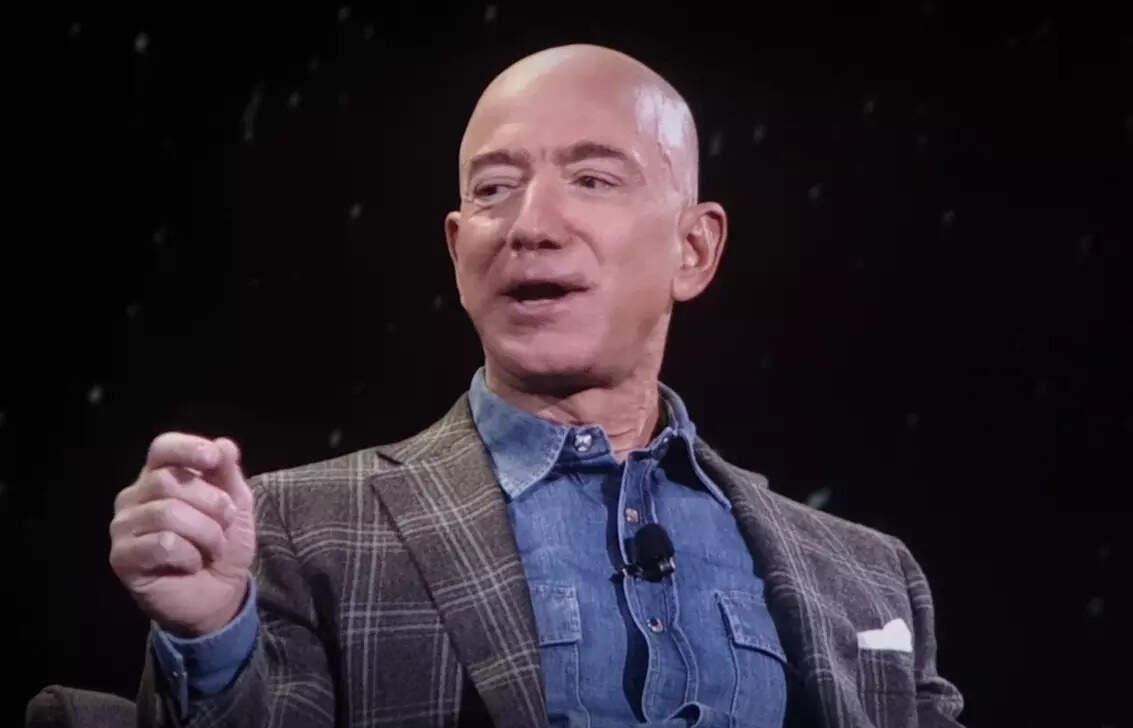
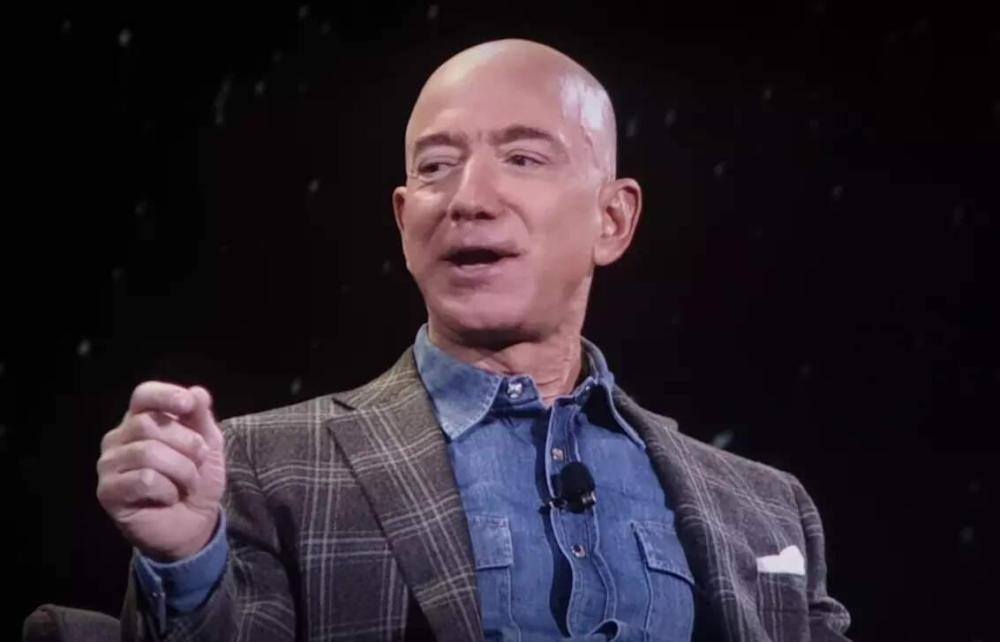
Jeff Bezos' AI lab, Project Prometheus, is reportedly nearing a $10 billion funding round, valuing the startup at $38 billion. Investors like JPMorgan and BlackRock are participating in this significant venture. The company is focused on developing AI for engineering and manufacturing across various industries. View the full article
-
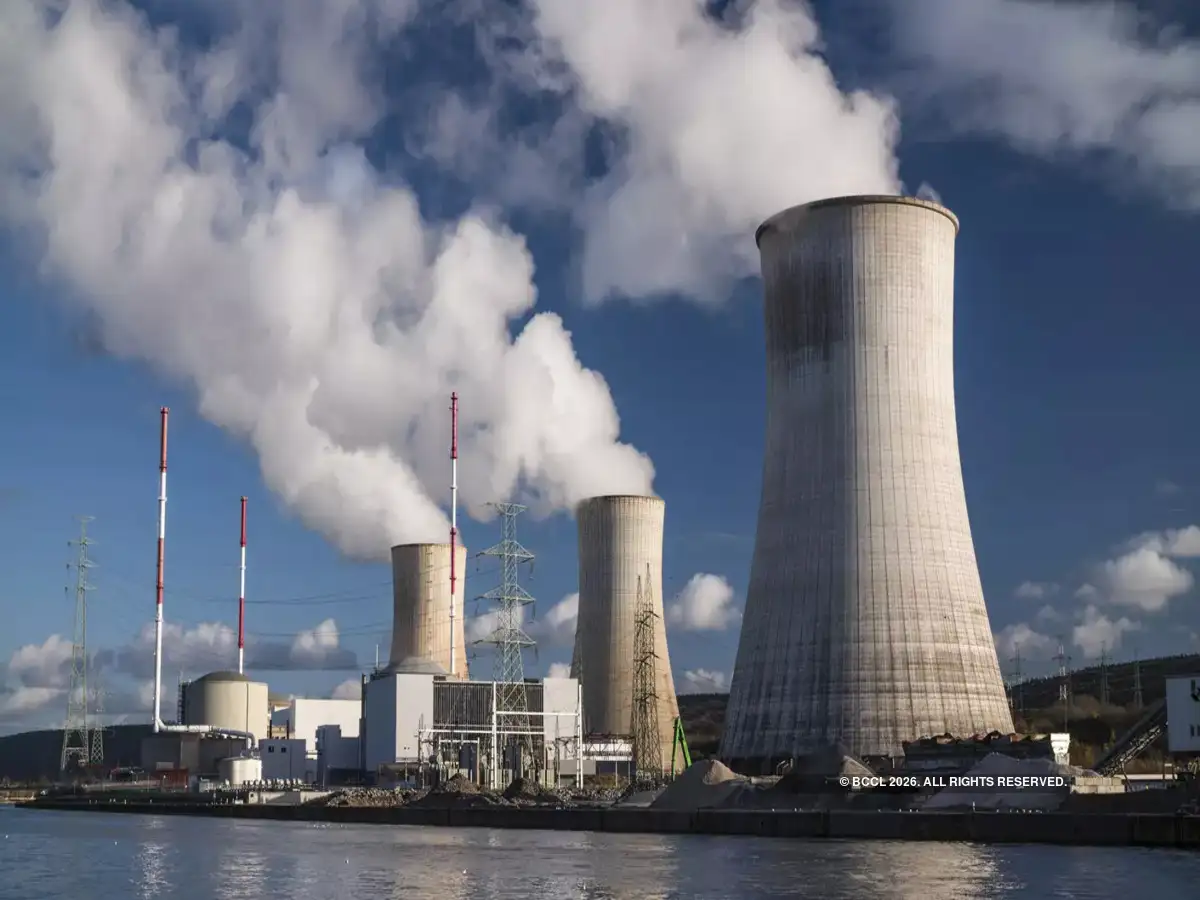
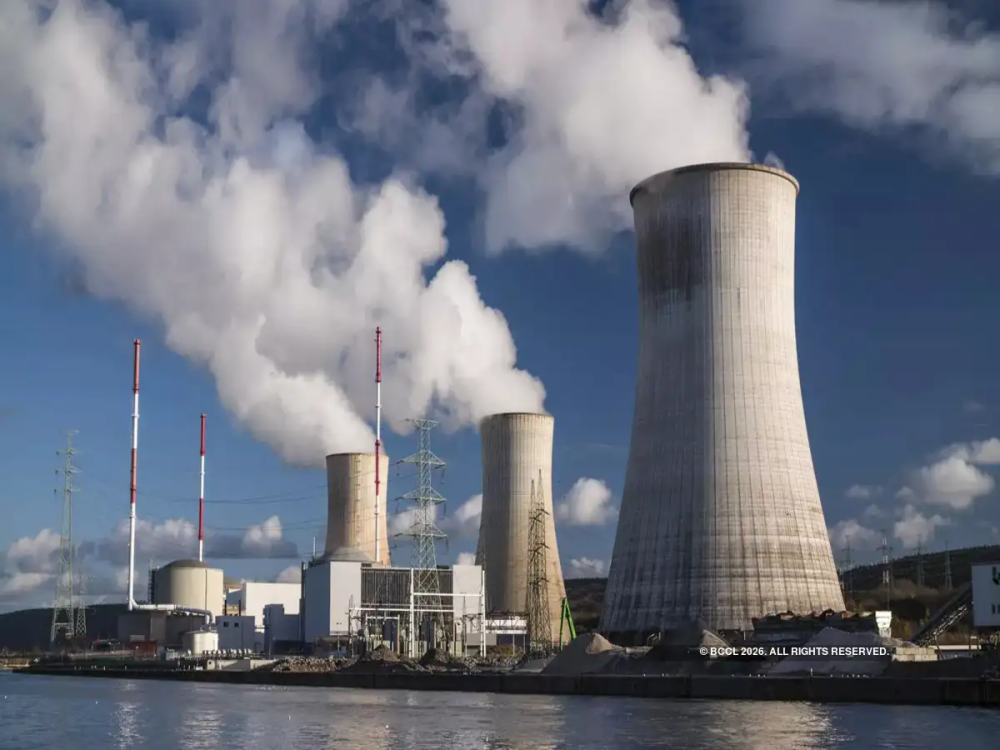
Soaring energy needs from data centres, fueled by generative AI, are revitalising nuclear power as a crucial source of large-scale, dependable energy. Technology firms and startups are increasing investments in nuclear to power AI infrastructure, with a Goldman Sachs report projecting a 160% rise in data centre power demand by 2030. View the full article
-
Amazon is injecting up to $25 billion into AI startup Anthropic, solidifying a partnership where Anthropic commits over $100 billion to Amazon's cloud services. This significant investment, building on previous funding, aims to bolster Anthropic's AI models and secure crucial cloud infrastructure for the burgeoning AI sector. View the full article
-
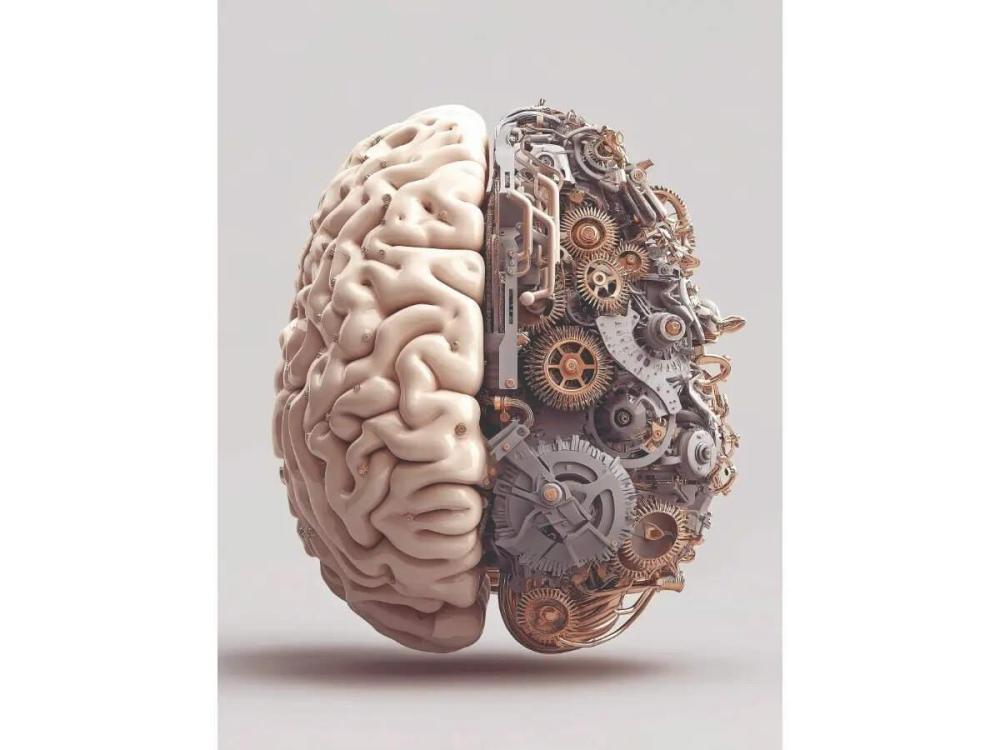
Vibe coding startups are riding high on easy app creation via prompts, but as AI advances and margins shrink, questions grow over their long-term viability, decodes Swathi Moorthy. View the full article
-
India's nuclear advancements, including the Kalpakkam PFBR and plans for small modular reactors, are set to power its ambition to become a global AI data centre hub. This reliable, clean energy source offers a "geopolitical moat" for the nation, ensuring uninterrupted power crucial for AI compute infrastructure, though widespread impact is expected post-2032. View the full article

-
Lovable data breach: Stockholm-based AI app-building platform Lovable said it did not suffer a data breach after concerns surfaced over the visibility of chat messages and code in projects set to public. View the full article
-
Deutsche Bank CEO Christian Sewing said on Monday that banks were in close contact with European watchdogs about Anthropic's Mythos as regulators rush to examine the cybersecurity risks the new artificial intelligence model raises and how prepared financial firms are to tackle them. View the full article

-
Adobe has introduced new artificial intelligence tools for businesses. These tools aim to automate and personalise digital marketing functions. This move comes as Adobe faces competition from AI startups. The company's stock has seen a decline this year. Adobe is partnering with major tech firms to ensure its AI system is widely compatible. View the full article

-
China's equivalent of Netflix, iQIYI, faced backlash on Monday over a new initiative that facilitates the use of actors' likenesses in artificially generated dramas and films. China's entertainment industry has rapidly embraced the use of artificial intelligence, with AI-generated films and shows a common feature on video platforms. View the full article

-
Anthropic unveiled Mythos, a powerful AI for cybersecurity. This advanced model can find thousands of software flaws. Concerns are rising that it could speed up cyberattacks. Governments and banks are discussing potential risks. The US plans to make a version available to federal agencies. Authorities in Britain and Europe are also assessing the impact. View the full article

-
IQiyi Inc. is set to transform its operations, anticipating AI will generate most films and shows within five years. The company is launching Nadou Pro, an AI toolkit designed for all filmmaking stages. This strategic shift aims to revitalize sales and embrace artificial intelligence as a core component of entertainment production. View the full article

-
Morgan Stanley predicts that as AI evolves towards autonomous action, demand will shift towards CPUs and memory, reshaping data center buildouts. This transition is expected to drive significant growth in the data center CPU market, expanding AI investment beyond GPUs to a wider range of chipmakers and memory suppliers. View the full article

-
South Korean President Lee Jae-myung received a red-carpet welcome in New Delhi for talks with Prime Minister Narendra Modi. Discussions focused on shipbuilding, AI, semiconductors, and critical technologies, aiming to strengthen their strategic partnership amidst global economic instability. Both leaders also addressed regional peace and bolstering their economic cooperation. View the full article

-
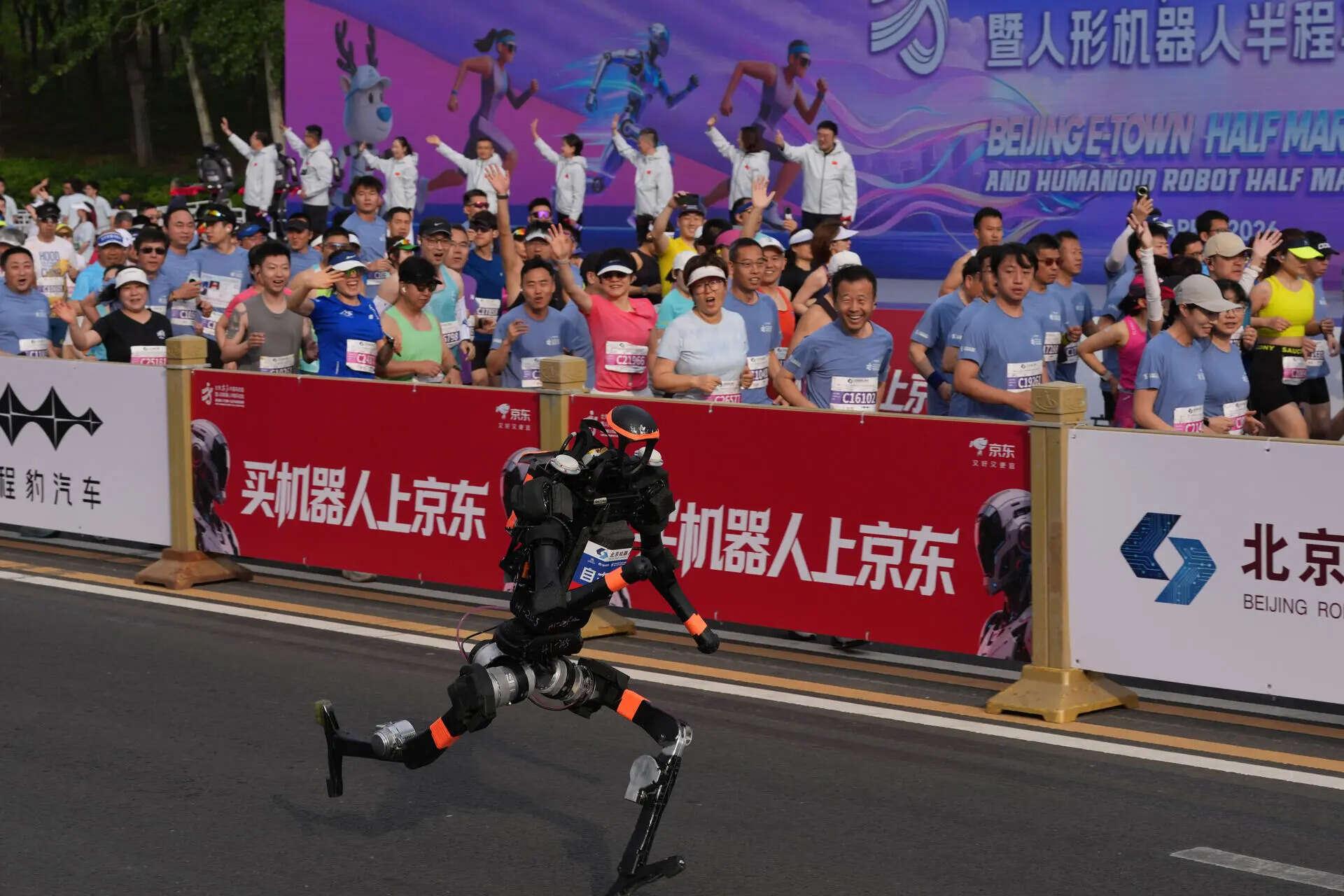
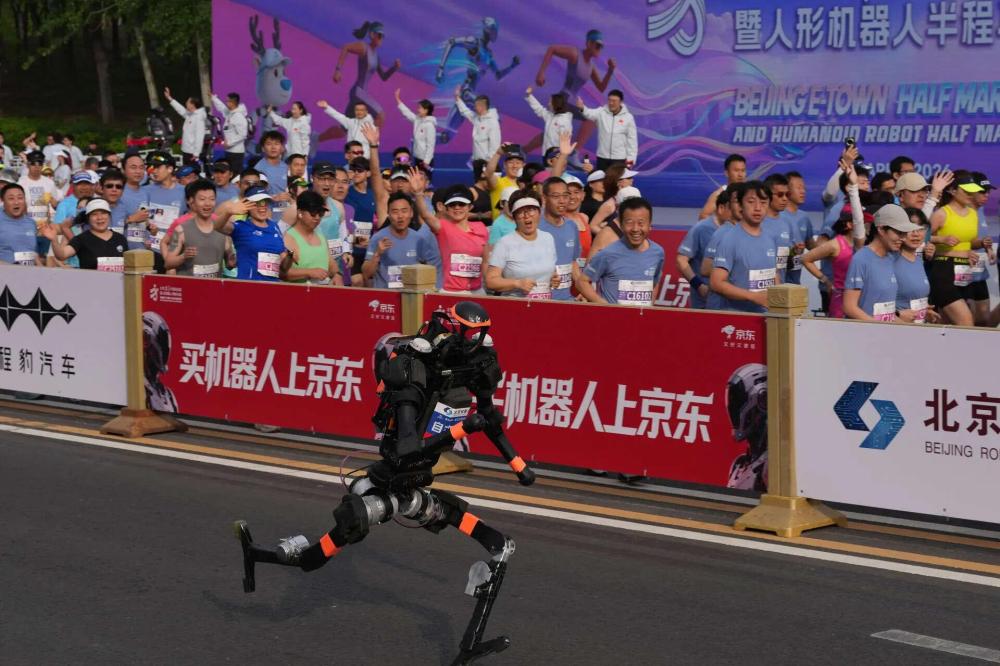
A humanoid robot from smartphone maker Honor shattered the human world record by winning a robot half-marathon in Beijing with a time of 50 minutes and 26 seconds. This significant technological advancement, featuring long legs and advanced liquid-cooling, showcases China's rapid progress in robotics, with potential applications in industrial scenarios. View the full article
-
Germany's Chancellor Friedrich Merz wants less regulation for industrial artificial intelligence in the European Union. He believes this will increase productivity and efficiency. Germany has been eager to catch up with dominant AI players the United States and China in a global race to master a transformational technology and attract high-income jobs. View the full article

-
States are grappling with artificial intelligence regulation as the federal government resists. Lawmakers are proposing new rules for AI, focusing on child safety and disclosure of risks. Despite federal opposition, over a thousand AI-related bills are being considered across the country. Tech industry lobbyists are actively opposing these measures. View the full article

-
Alphabet's Google is reportedly in discussions with Marvell Technology to co-develop two new chips designed for more efficient AI model execution. One chip will be a memory processing unit to complement Google's TPUs, while the other is a new TPU specifically engineered for AI workloads. View the full article

-
The US National Security Agency is reportedly using Anthropic's advanced AI tool, Mythos Preview. This comes even after the Pentagon flagged the company for supply-chain risks. The AI model is said to be highly capable in coding and autonomous tasks. Experts suggest its abilities could significantly enhance cyberattack capabilities. Discussions between the US administration and Anthropic have also taken place. View the full article
-
Bengaluru is rapidly becoming a global hub for AI innovation as major tech companies like Anthropic and OpenAI establish new offices. European firm Mistral AI is also in talks to open a capability center, drawn by the deep engineering talent. View the full article

-
Canva is transitioning to an AI-native platform, powered by its own foundational models, with India emerging as a key market for its design software and AI adoption. The company is heavily investing in localising content and strengthening its ecosystem, aiming to tap into the next generation of users ahead of a potential Nasdaq listing. View the full article

-
Senior Indian IT executives are launching their own AI startups, leveraging years of client contacts and enterprise knowledge to offer cost-efficient AI-led services. This trend is accelerating as agentic AI allows smaller, agile teams to compete with larger IT incumbents, filling niche market demands and attracting venture capital. View the full article

-
China is introducing new rules for its booming digital human industry. These AI avatars, which look and sound like real people, are used for various purposes. The government aims to prevent harm to children and maintain social stability. Regulations will ensure consent is obtained for creating digital likenesses. View the full article