Abhishek Adhikary
Members
-
Joined
-
Last visited
Everything posted by Abhishek Adhikary
-
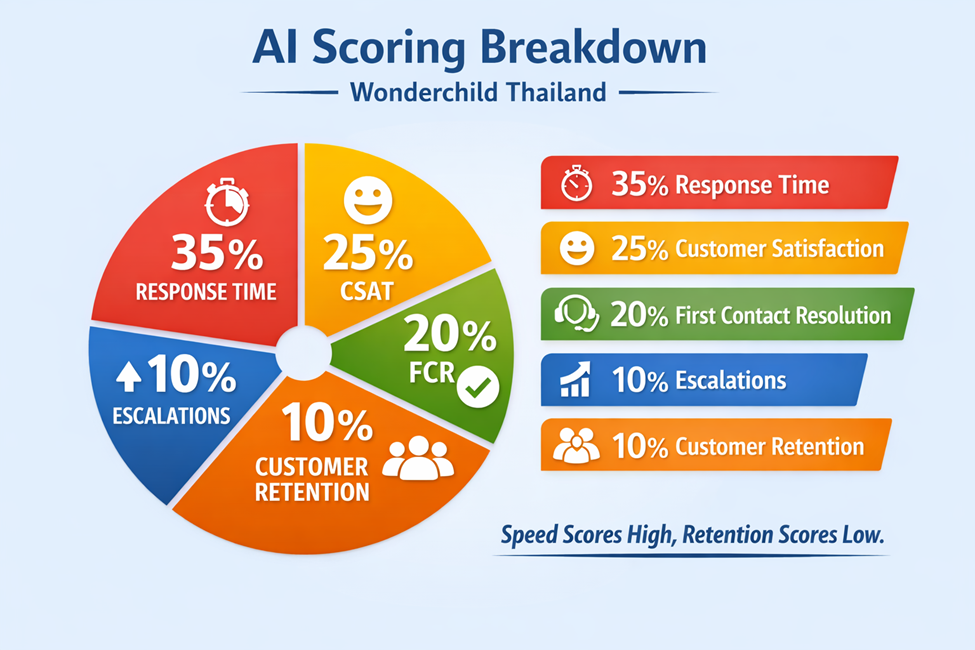
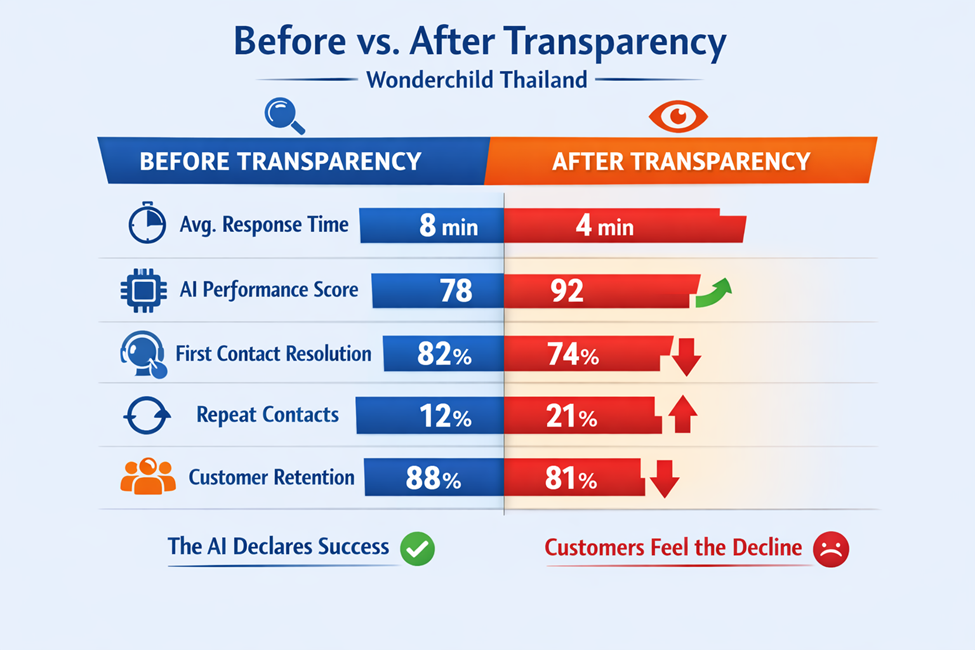
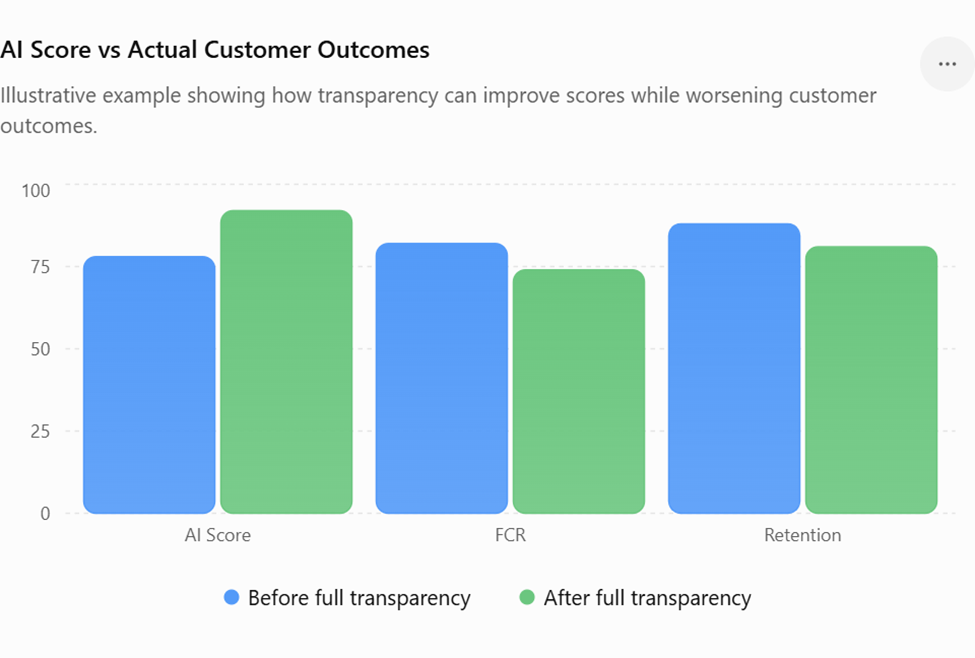
Abhishek Adhikary replied to Vishwadeep Khatri's topic in We ask and you answer! The best answer wins!View B — Keep Parts of the AI Evaluation Logic Confidential I don’t agree with Bex on this. Sure, transparency helps build trust, but that’s not really the main point of a performance evaluation system. Its real job is to measure performance accurately. If everyone knows the exact scoring formula, people will start gaming the system to get better scores instead of focusing on delivering real value to customers. The big flaw in Bex’s argument is mixing up transparency with fairness. They’re not the same thing. Fairness means the rules are applied consistently, not that every single detail has to be shared. A system can still be fair without revealing every weight, rule, or trigger. In fact, if you make everything completely transparent, the measurements often stop being reliable. It’s not about whether employees are good or bad people. It’s just human nature — people adjust their behavior to whatever is being measured. And when a metric turns into a target, it stops being a good metric. The Customer Service Example – Wonderchild Thailand A support centre in Thailand handles about 1,000 customer interactions each month. The AI evaluates agents on: Customer Satisfaction (CSAT) First Contact Resolution (FCR) Response Time Escalation Rate Repeat Contacts Long-Term Retention AI Scoring Breakdown – Wonderchild Thailand Agents immediately discover that Response Time carries the highest weight. The predictable result Easy cases get answered immediately. Difficult cases are transferred. Complex complaints are delayed. Agents focus on speed rather than resolution. The score improves. The customer experience does not. What the Dashboard Sees vs What the Customer Sees Lesson: Complete transparency can backfire. When agents know the formula, they optimize for the score instead of the customer. When a metric becomes a target, it stops being a good measure of performance. Illustration of the Problem The chart highlights the real danger: The AI score rises while the underlying business outcomes decline. A Better Example Than Google's Bex points to Google and says transparency boosts engagement. That might be true — but engagement isn’t the same as keeping performance measurement valid. Think about banks. They tell customers: “We monitor suspicious transactions. Certain behaviors trigger reviews. You can appeal if flagged.” But they never reveal the exact fraud thresholds, weightings, or algorithmic triggers. Why? Because if they did, fraudsters would know exactly how to game the system. Performance scoring works the same way. It’s basically a detection system — its job is to spot genuine performance, not teach people how to rack up points. Here’s the hidden cost Bex misses: trust can be rebuilt if employees feel uneasy. But once metrics are corrupted, it’s almost impossible to spot. The real danger isn’t unhappy employees — it’s leaders believing performance improved when only the score improved. That illusion leads to: · False productivity gains · Poor staffing decisions · Incorrect promotions · Misleading reports · Declining customer experience hidden behind strong dashboards In short: transparency might build trust, but overexposure destroys measurement integrity. And that’s a classic measurement failure. What Employees Actually Need At Wonderchild Thailand, the debate wasn’t about whether employees deserve transparency — of course they do. The real question was what kind of transparency helps, and what kind hurts. Employees should absolutely know what behaviors matter, what data is collected, how reviews are done, how appeals work, and what outcomes are expected. That’s accountability. But they shouldn’t know the exact scoring formula, the precise algorithm weights, the thresholds that trigger bonuses, or the optimization logic. That’s basically handing them a cheat sheet. Here’s the simple test: imagine every employee saw the full formula tomorrow. Would the AI get better at spotting great performers, or worse? If the answer is “worse,” then full transparency damages the system. The truth is, most performance systems wouldn’t survive disclosure. And that tells us something important: when transparency turns into a roadmap for gaming the score, measurement integrity collapses. Final Position I support View B. The purpose of an AI evaluation system isn’t to maximize trust in the algorithm — it’s to accurately identify and improve performance. Bex assumes transparency produces better outcomes. In reality, it often just produces better scores. And those are not the same thing. A customer service organization should be transparent about principles, expectations, and fairness mechanisms. But parts of the scoring logic must remain confidential. Otherwise, you end up with a workforce that’s great at optimizing metrics but worse at serving customers. The real danger in performance management isn’t a hidden algorithm. It’s a visible one that teaches everyone how to game it. Bottom line: trust can be rebuilt, but corrupted metrics are hard to detect. When leaders believe performance improved — when really only the score improved — that’s a classic measurement failure.