Shubham Chamoli
Members
-
Joined
-
Last visited
Everything posted by Shubham Chamoli
-
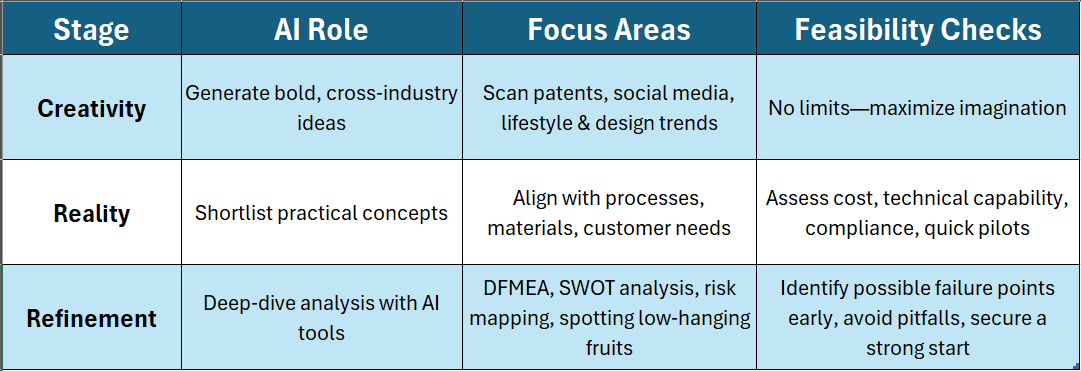
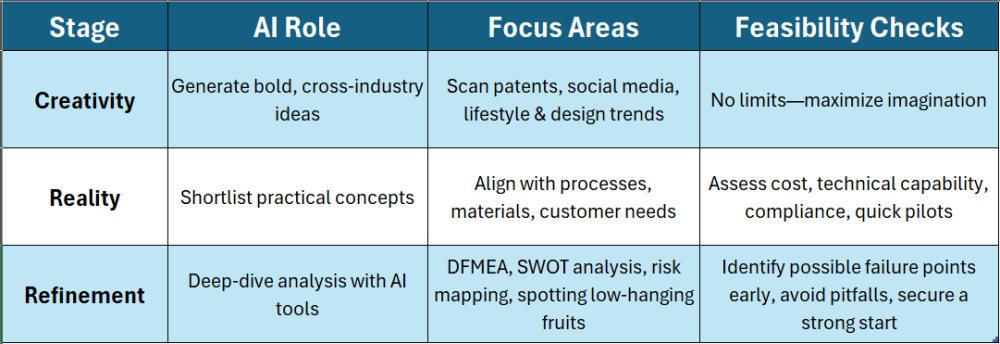
Shubham Chamoli replied to Vishwadeep Khatri's topic in We ask and you answer! The best answer wins!As I am working in an electronic manufacturing industry, I would reply in its context. In lamp manufacturing, most business excellence efforts are about improving our process. Some of the common indicators can be stated as below: · Better Productivity. · Lower Downtime. · Lower Defects. · Energy-efficient process. But true breakthroughs come when we step outside this conventional mindset. When we talk about stepping out of the box or out of conventional way of thinking, AI unlocks many dimensions and ideas. AI could not only help to streamline operations but can also spark fresh product ideas. For example, by scanning past enormous market data, all the design patents, futuristic design trends and even changing lifestyle patterns from different sources available or even from social media, we may identify and build on rising interest in lighting industry that adapts to human moods. Instead of just smart lamps that saves on electricity or can be controlled thru remote control, we may design lamps that automatically switches brightness or colour temp depending on the mood or the stress level or even adapt to the astronomical effects. That’s a idea that can totally bring a revolution in industry, a new product direction, not only limited to efficiency optimization. To ensure that such ideas are brought into consideration and ensuring that creativity is not limited and taking in account that practicality is also maintained, of the creativity suggested, we may drive it thru a three way, or we can say, in a three-step method or approach: Creativity first: We may let AI freely explore ideas and thoughts, even from other industry like wellness, gaming, and architecture and integrate the same with our products to develop new product ideas, which were never thought on before and might look unconventional or infeasible at first but may bring revolution. Feasibility check: Once all the ideas are outlined, then we may go with a brainstorming session or study these ideas through a practical filter perspective like review its technical capability or feasibility, study the commercials and cost effectiveness, its compliance to present regulations or standards, customer acceptability or even try a pilot market trial for quick feedback. Refinement: Once feasibility is a free flag for an idea, we may again use AI to refine the idea further for more practical approach, even to run scenarios or analyse DFMEA, SWOT analysis. By this way AI can help us to start strong and avoid mistakes or shortcomings that can be an issue in bringing the idea into reality. By following these 3 step methods of creativity, feasibility and refinement, we may give way to never thought technology or never thought products increasing comfort, efficiency and throughput of consumers.
-
Shubham Chamoli replied to Vishwadeep Khatri's topic in We ask and you answer! The best answer wins!If AI handled workforce scheduling in a BPO/service setup Most companies already use rules, past data, and a lot of manual tweaking to build rosters. But if AI were to step in, I’d want it to think about much more than just “who’s available for which shift.” What it should consider (beyond the basics) People’s well-being Don’t just count hours, think about how back-to-back late-night shifts or split shifts can drain people. Respect “life moments” too. If someone has flagged a birthday or exam, the system should try to accommodate. Growth and motivation Make sure juniors don’t always end up shadowing other juniors; mix skills so people learn. Give everyone chances to handle different types of work, not just the same easy or tough calls every day. Schedule mandatory trainings keeping in view their availability and high traffic time. Fairness Spread out the unpopular shifts (nights, weekends, holidays) instead of loading them on the same few people. Balance high performers’ loads, they shouldn’t always get the toughest queues. Be transparent: employees should be able to see why they got a certain schedule. Rules and compliance Respect labor laws, union agreements, and weekly rest periods. Keep diversity in mind, don’t let unconscious bias creep into shift allocation. Real-time adaptability If there is sudden overload or high traffic, it can adjust rosters ASAP. Build teams with complementary skills like language coverage or product expertise instead of a random team. How to keep it efficient and fair Always keep a human manager to review/ approve or adjust suggestions by AI. Give employees a window into the logic — a simple dashboard showing, “Here’s why you got this shift.” Let people express their preferences (e.g., preferred days off, preferred shifts), and balance these against business needs. Regularly check for bias — are the same folks stuck with late nights too often? Allow feedback: if people feel a schedule is unfair, the system should learn from that. AI as more than a scheduler Imagine AI acting almost like a workforce assistant: It can spot demand spikes early (maybe due to weather, campaigns, or a trending issue) and adjust rosters. It can suggest shift swaps before conflicts even arise. It can “advise” employees too — like saying, “If you take this Friday night shift, you’ll have priority for next weekend off.” It can even gamify fairness, so employees see how shifts are being shared out across the team. To Summarize: For the company - Panic may be avoided and rescheduling can be done easy even in peak time. For employees - A sense of fair distribution of load and transparency in preferences and reasoning. For managers - Instead of getting involved in firefighting every time, they can now focus on their real job i.e. coaching and training their team for best efficiency.
-
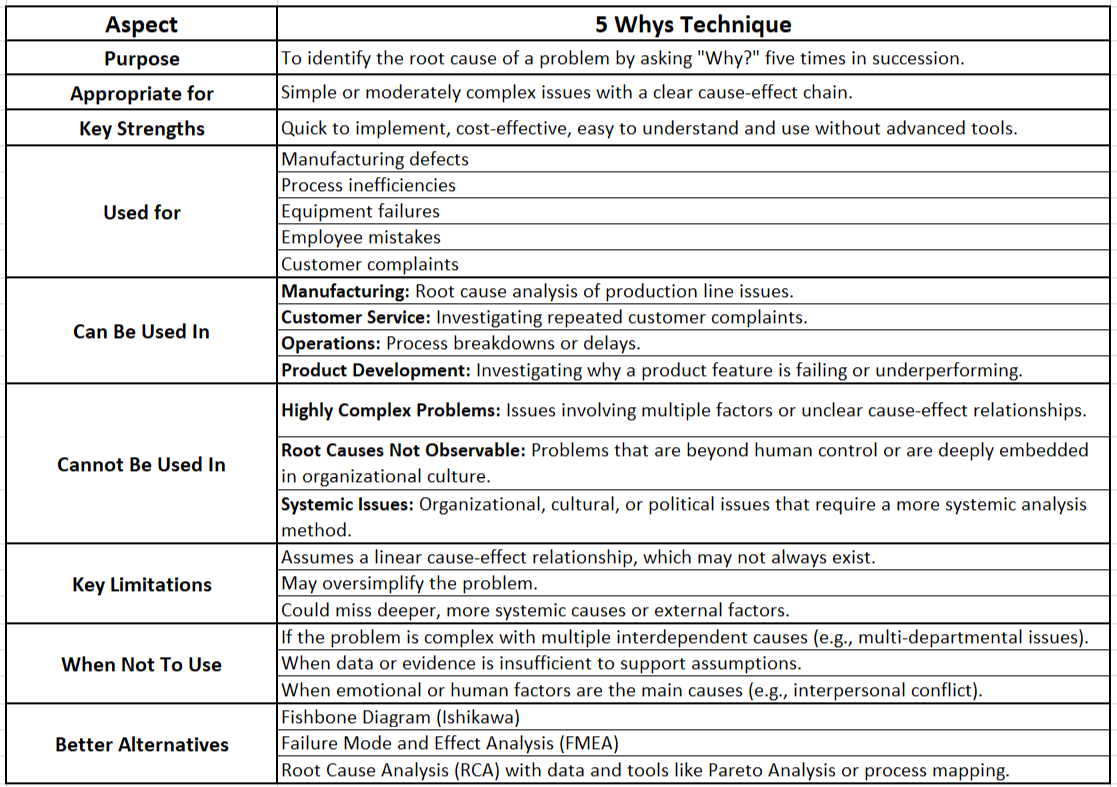
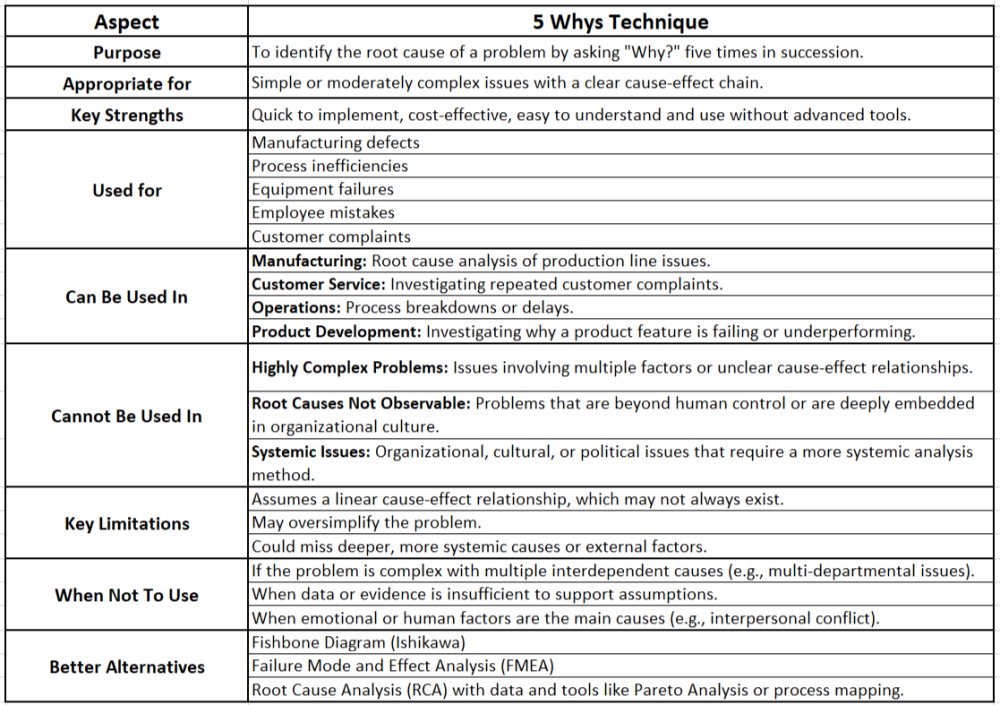
Shubham Chamoli replied to Vishwadeep Khatri's topic in We ask and you answer! The best answer wins!5 WHY TECHNIQUE 5 Why methodology was originated in Toyota by Taiichi Ohno and Toyoda Sakichi. The concept behind this method was to find a permanent solution to the problems that were being faced on production floors. For elimination of the issue/problem permanently, it is necessary to reach to the main cause or root cause of the problem. Japanese always believed in the concept of "Go and See yourself", i.e. to understand the problem, one must go on the floor and witness the problem. So, it is important that we ask these questions from person who are involved in the process. As per the technique 5 Why, it is believed that if we ask 5 whys to the problem, we will reach to the root cause of the problem. It clearly means that the problem that we are facing may seem easy to solve but in spite of implementing the solution, the problem may resurface, reason being that the actions were taken but not on the root cause of the problem. It is important to reach to the root cause to eliminate the issue permanently. By 5 Why, we intend to dig deeper and go deep inside the problem to find out the root cause. The same can be achieved mostly by asking 5 Why's but we may get to the solution even before the fifth why or even after it. 5 Why method is very easy and can be used by everyone. It encourages team member of all levels to participate in problem solving activities. Though it can be used only to solve problem that are less complicated, or we can say that it can be used easily when we have single root cause to a problem. But if we have multiple root causes, we may have to use other advanced techniques like Fish Bone Diagram, Pareto analysis, etc. 5 Why can be used for: 1. Manufacturing defects analysis. 2. Identification of Process inefficiencies. 3. If there are any equipment failures. 4. Employee mistakes identification and correction. 5. Solution of customer complaints As 5 Why assumes a linear relationship between causes and its effect, it cannot be used in: 1. Complex problem with multiple interdependent reasons. 2. Process with insufficient data or evidence to support evidence. 3. Problem arising due to interpersonal conflicts. 4. Problems due to organizational issues/policies. To Summarize: Effective for: Simple, linear, and direct causes. Ineffective for: Complex, multifactorial, or deeply systemic issues that require a more comprehensive and data-driven analysis.
-
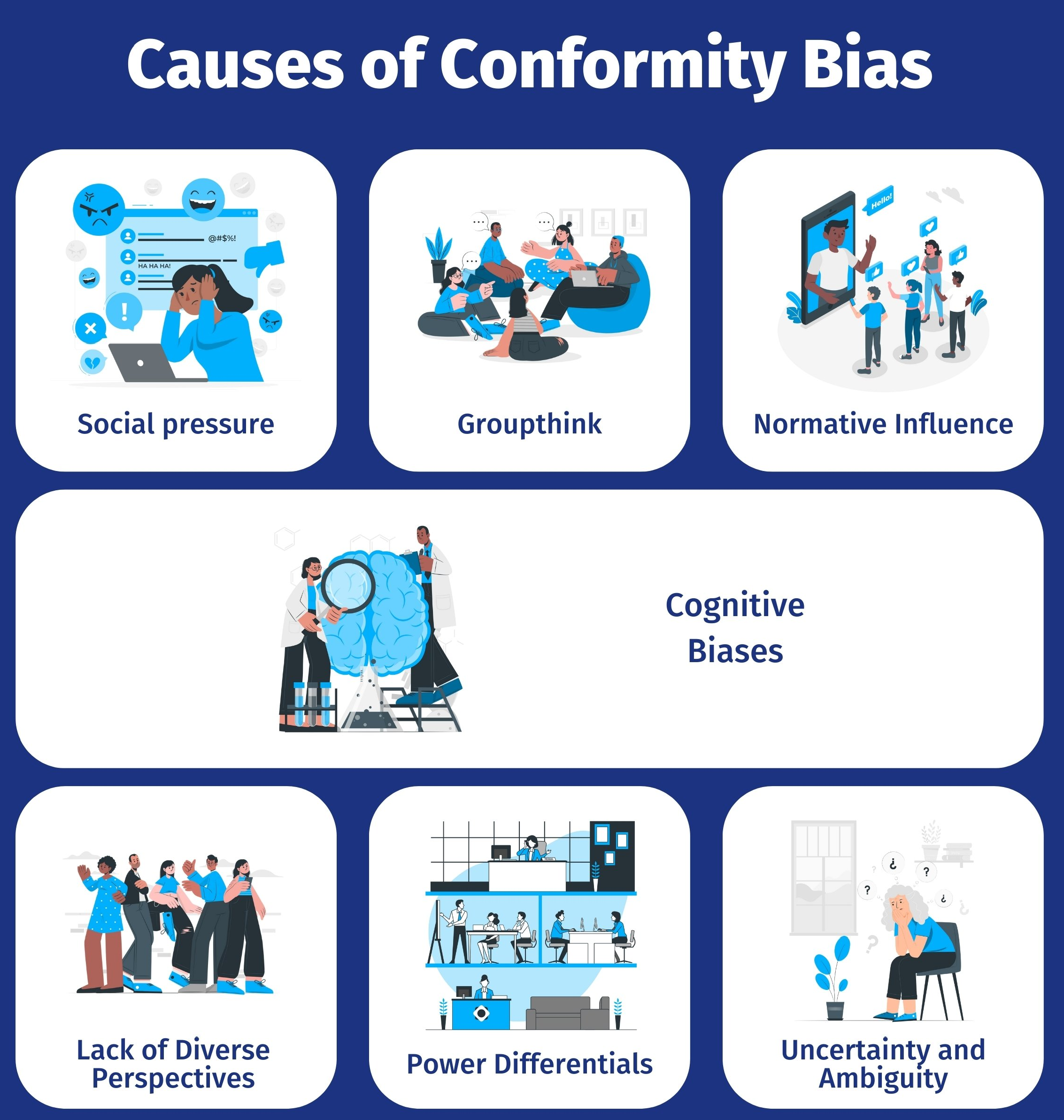
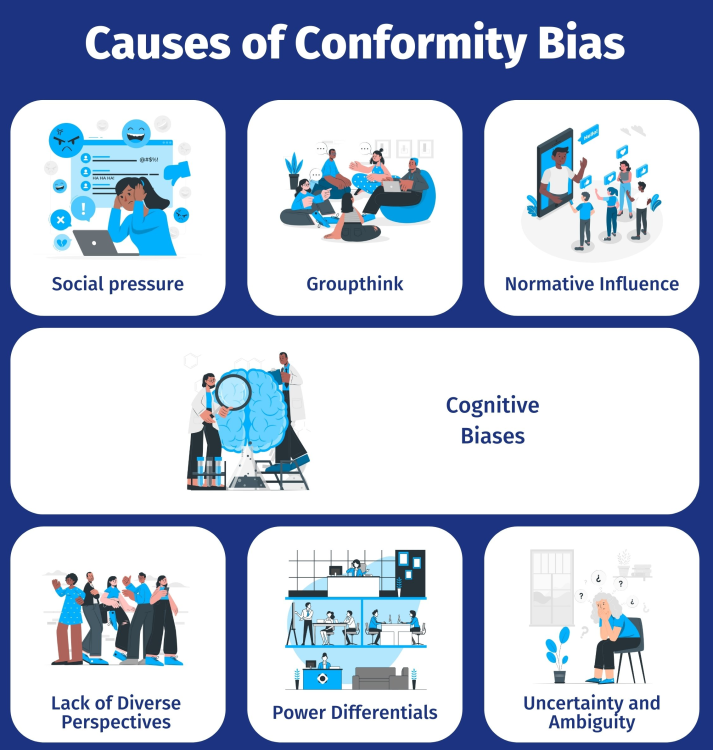
Shubham Chamoli replied to Vishwadeep Khatri's topic in We ask and you answer! The best answer wins!CONFORMITY BIAS Conformity bias is the tendency, property or behavior of people to act or think like those around them. Sometimes it goes without realizing that how we are affected by it. It is when we follow the crowd and agree with the majority without even evaluation of all the choices and options available and end up selecting options that are not even the best choice. This can affect decisions related to projects and also limit ability to think independently or come up with new ideas. Basically, conformity bias causes one to adopt the opinions, beliefs or behaviors of those around them which can influence the decision making and lead to wrong decision making. Though it can also contribute to social harmony and unity by maintaining cultural norms and traditions but in project management, if one is influenced by conformity bias one may: 1. Overlook critical information. 2. Make decisions based on group consensus. 3. Do not evaluate the situation objectively. 4. Restrict Innovation. Common Causes of Conformity Bias 1. Social pressure: By comprising majority, it can lead to social pressure and individual feels comfortable if he is accepted by the group. It can also force them to act against their values and beliefs to avoid judgment. 2. Fear of rejection: People having poor self-esteem are susceptible to conformity bias. So, they try to please others to avoid rejection. If one has been rejected in the past, one will often conform more easily and accept the group's norms. 3. Groupthink: Groupthink is a phenomenon where people make irrational or wrong decisions based on the urge to conform to certain beliefs. 4. Cognitive biases: Cognitive bias is the tendency for human beings to simplify information processing. They try to find mental shortcuts in day-to-day activities so that they are not forced out of their comfort zone. Ways to Mitigate Conformity Bias It is almost unlikely to completely eliminate conformity bias, as it is rooted in human psychology, but actions can be taken to minimize its effect on project team members like: 1. Promoting diversity. 2. Fostering open communication. 3. Encouraging constructive disagreement. 4. Develop self-awareness. 5. Develop critical thinking skills. 6. Training and awareness program. Project team, now a days, uses an activity named as “devil’s advocate” to question assumptions, encourage anonymous feedback, and create an environment that supports dissenting opinions.
-
Shubham Chamoli replied to Vishwadeep Khatri's topic in We ask and you answer! The best answer wins!Invention and Innovation Invention: Invention is something that refers to the creation of anything that is new, that may be a new product or a new process or a new idea or even a new solution, etc. Creation of anything that is unique can also be considered as invention. Innovation: Innovation can be a value addition to an invention. It can be successful commercialization of an innovation or may be the implementation of invention. It can be conversion of invention from an idea to practical, usable and marketable propositions. It can also be altering an invention for a greater and much better realization. To understand the difference between Invention and Innovation, let us consider very common and famous examples: 1. Bicycle: The first bicycle was not so much user friendly, in terms of balance, weight, ease, breaks and durability, etc. But with continuous innovation in the industry, bicycles are now available with Carbon fibre body, tubeless wheels, gear system, better balance and aerodynamics, etc. Hence are delivering better value to the end user and user is paying greater price for it. 2. E Payment system: Initially we required credit/Debit cards physically to do payments. Now we can do it thru UPI or mobile banking, etc. 3. Led Bulb: Initially LED bulb was heavy, bulky and less energy efficient. Now the lamps are smaller in size, better aesthetics and far more energy efficient (5 Star). There are numerous examples like: First Mouse, First Computer, First antibiotic, First lamp or First electric car. Six Sigma principles can be applied to Innovation definitely. Or we may rephrase that all Innovation is done through process improvement, Six Sigma being one. DOE and improvement projects based on DMAIC are all examples of innovation. For invention, use of Six sigma may have limited scope but definitely it may push towards invention. Whenever inventions have been made, inventors have always worked on theories and evaluated results based on trial and their outcome. Once we have data, we may definitely apply six sigma for refinement of result getting one closer towards invention.
-
Shubham Chamoli replied to Vishwadeep Khatri's topic in We ask and you answer! The best answer wins!Value Engineering is the process by which we try to alter thevalue being added to a product/service/process. Altering the value being added can be achieved by: Using alternative method or use of alternative material. By using these alternatives, we reduce the value being added but tha main part is to ensure to keep the quality or performance intact. Initially, value engineering was done to enhance the process and quality of products being delivered but in present day, to compete in the market, it has become a practice to cut down the cost of material and method to a level where the basic deliverables are not achieved, resulting in inferor quality product reaching to the end customer. As of now, if we discuss a value engineering project to be taken up, first impression on the management is that we will be tempering with the quality of the product. But if we follow the process of Value engineering in a structured manner, we may end up with a better process, less processing time giving a value delivering product at a competitive price. that is all a customer demands. Value engineering is a systematic approach that improves the value of a project at the most economical cost. Value engineering is a well structured approch having stages which are pretty clear that the objective is to improve the process and its capability, analysing the value-adding and nonvalue-adding steps, eliminating any sort of wastages, using creativity for solution finding, evaluating and implementing. The stages are mentioned below: 1. Measure / Gather Information : In this stage we gather information and study them to define and refine the goals and areas to be prioritized that needs improvement. 2. Function Analysis : In this phase we analyse existing functions of the process for any improvement and also the functions that needs to be added. These functions need to be as non specific as possible so that we may have multiple options for executing a function. Each function is assigned a value to it. 3. Creative : In this stage, creativity is used for performing various function define in above stage. This helps team to inculcate idea through brainstorming and find alternative to present existing system. Listing of all the creative solutions is done. 4. Evaluation : In this phase evaluation of all the solution from creative phase is done for the advantages and disadvantages to the system from the solution. The team performs a weighted matrix analysis to group and rank all the solutions and the best solutions are selected for execution/implementation. 5. Development : This phase involves conducting deep analysis of the solutions selected to determine how it can be implemented and what is the cost involved. Technical analyses is also done in this phase. Team then defines the implementation plan. 6. Presentation : Team meets the management for presenting the plan and solution finalized along with the value being delivered. Any correction suggested by the management is made in the plan accordingly. 7. Implementation : Once the management and the stake holders approve the team recommendations, implementation begins. If this structured approch is followed, value engineering will definitely regain its true purpose of enhancing the value delivered (Quality required) with minimum cost.
-
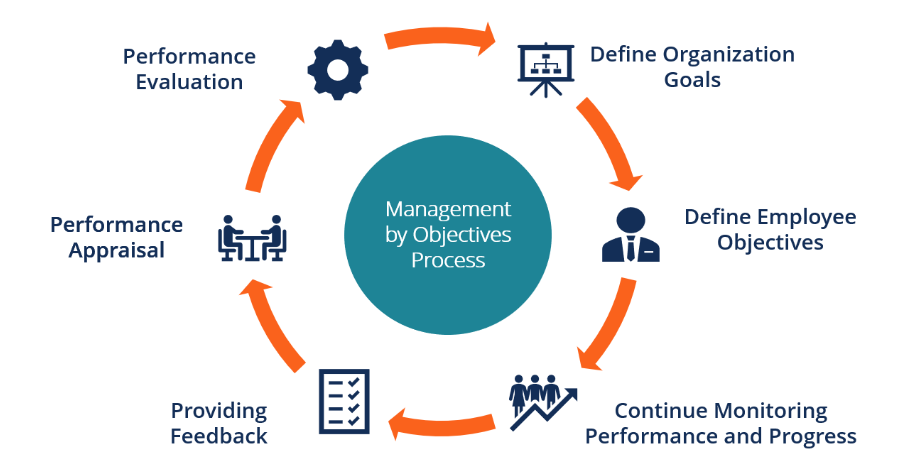
Shubham Chamoli replied to Vishwadeep Khatri's topic in We ask and you answer! The best answer wins!Management By Objectives (MBO) Management By Objectives is a strategic management model or tool which aims at improving the performance of an organizations by clearly defining the objectives which are totally agreed upon by the management and the employees. In this way, employees also get freedom to put in their say and input in these goals, hence encouraging the participation and commitment resulting in alignment of objectives all across the organization. It is totally dependent on the goals being set or planning being done between the management and the employees, for the same reason MBO is also sometime called as Management by Goals or Management by Planning. The MBO process has following steps, mentioned below: Goal Setting: As explained above, MDO ia all about setting Goals/Objectives that are very clear and measurable and set in collaboration of management and employees ensuring alignment at various level of organization. Planning: Objectives set, needs to be acheived and for that we need action plans that are in alignment with the objectives. This may require breaking down big goals into smaller goals and tasks, allocation of resources and finally setting timelines. Monitoring: As the actions and timelines are freezed, regular tracking of the progress is done by team to ensure that the objects are met. Evaluation: Progress made by the team is assessed against each objective. By this, identification is made of the areas where we need improvement and actions that have been succesfully executed. Feedback: Feedback of the progress is given to employees about the performance. Achievements are recognized and guidance is provided in areas that need improvement. Review and Adjustment: Periodic reviews of objectives are conducted to assess the performance. Accordingly adjustments are made due to change in circumstances or to adress issues being faced. MBO in Lean Six Sigma MBO and Lean Six Sigma have a very similar approch when it comes to achieving objectives. Below are the points that make them part of each other: Team Effort : Both need team to work upon the objectives/targets taken. Goal Setting : Both of them requires goal setting and that too after discussion with team and alignment with management. Stages/Steps : Six Sigma follows DMAIC approch which completely aligns with the steps of MBO i.e. Define is Goal Setting, Measure is Planning and Monitoring, Analyse is Evaluation, Improve is Feedback , Control is Review and Adjustment. Alignment : Both are aligned with Management's Objectives. Recognition : Both give value to recognition for efforts and success. Timeline : Both require timelines that needs to be followed. There are many more points that makes Six Sigma Projects integrate into MBO. Eg : In a Call Centre, we can target to reduce call time by 30 seconds or increase customer satisfaction by 10%. Above problem can be solved with MBO as well as Six Sigma. In MBO, we will set goals and then decide what actions need to be taken among the teams to acheive these objectives. Those will then be divided into sub actions assigned to indivisuals and then further monitoring will be done along with evaluation, feedback and adjustment as per the scenerio. In Six Sigma, we will define goal staement and prepare project charter, measure as is processes and then apply statistical tools for reaching the root cause, and taking action for elemination of the same, improve and then control as per the senerio.
-
Shubham Chamoli replied to Vishwadeep Khatri's topic in We ask and you answer! The best answer wins!Predictive modeling is a commonly used mathematical or statistical tool or technique used to predict future behavior. Predictive modeling uses historical data and analytic techniques along with machine learning to generate a model which helps in predicting the future outcomes. In predictive modeling, data is collected, a statistical model is formulated, predictions are made, and the model is validated (or revised) as additional data becomes available. With the help of predictive analytic tools and model formulated, any organisation can predict the outcome, by using past and current data, in days, month or even years in future. Also, it helps in identifying patterns hidden in data and simplyfy the same into risks and oppurtunities lying ahead in future. Examples of Predictive Modelling: Aerospace: Predictive modelling helps in analysis of effect of maintenance activity on operations, fuel consumption pattern, etc. Automotive: Predictive modelling helps in analysis of records of component robustness, failure cases, malfunctioning in parts and incorporate those learning in upcoming manufacturing designs and plans. It also helps in studing driver behavior to create better diver assist system or smart vehicles. Energy: It helps in forcasting the consumption pattern of different energies, demand and supply pattern, etc. Financial services: It helps in predicting market trends, development of credit risk model, determining the spend pattern of demography, etc. Manufacturing: It helps in predicting the maintenance schedule, helps in strengthening the supply chains by prediction of demand supply graph, etc.

-
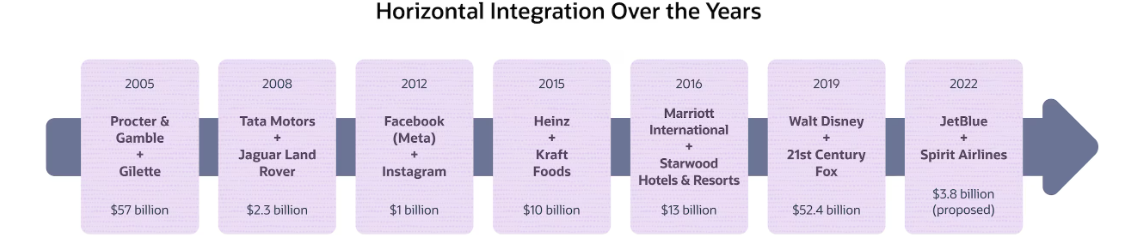
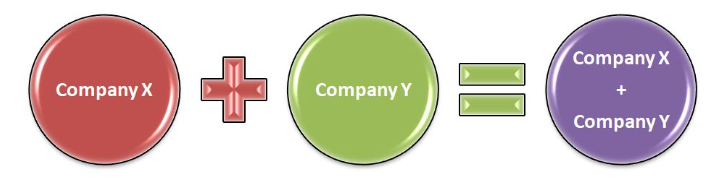
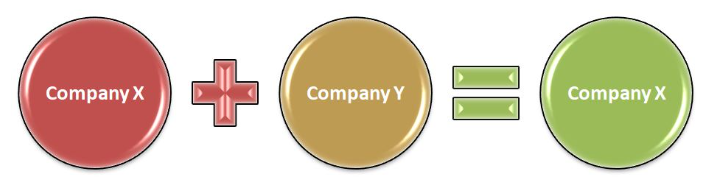
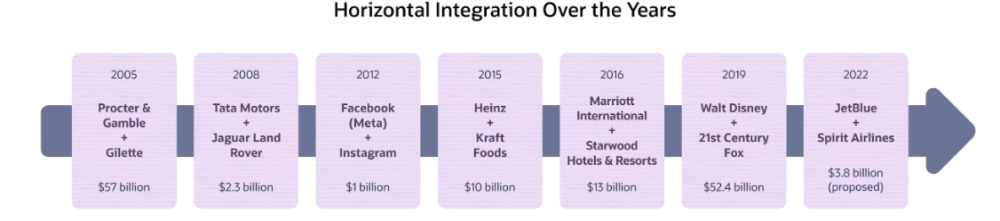
Shubham Chamoli replied to Vishwadeep Khatri's topic in We ask and you answer! The best answer wins!HORIZONTAL INTEGRATION Horizontal intergartion is basically acquisition of business operations in same domain or in same industry or at the same level of the value chain within a industry. This helps company to grow its operations in size and revenue, expand its market reach, diversify its product range and reduce competition. Horizontal Integration can be done ca be achieved by either of the following: Merger. Acquisition. Internal Expansion. EXAMPLES OF HORIZONTAL INTEGRATION Microsoft acquired Activision Blizzard. Procter & Gamble’s acquisition of Gillette. Facebook acquisition of Instagram and Whatsapp. Disney's acquisition of Pixar Mittal Steel’s acquisition of Arcelor (steel) The merger of Vodafone and Idea. BENEFITS OF HORIZONTAL INTEGRATION FOR BUSINESS EXCELLENCE Create economies of scale. Increase in Market Power. Improves Product differentiation. Business expension into new market. Reduced competition. More cost effective solution thru synergy. Shared research and development. Best of Best practices.
-
Shubham Chamoli replied to Vishwadeep Khatri's topic in We ask and you answer! The best answer wins!TEXT ANALYTICS OR TEXT MINING TEST ANALYTICS is the process of analysing and processing large volume of unorganized and unstructured text data thru a software for indentification of any sort of pattern, logic, concept, keywords or other attributes of data. CHALLENGES ADDRESSED BY TEXT ANALYTICS Used for Opinion mining or sentiment analysis by reviewing social networks, emails, reviews for positive and negative reviews or feelings of customer. This is used to fix issues in products or service before it impacts the sales, revenue or profits. Data mining is also used for screening job candidates based on the keyword present in their resumes vis-a-vis requirement for the post. Used for blocking spam emails as per the actions and words available in past data. Also used for classifying contents of websites. Used for identification of fraudulant claims of insurance by analysing data. Diagnosis can be done by identification of description of medical situation or symptoms. CHALLENGES BEING WORKED UPON Data available for processing is often uncertain, unclear, indefinite and contradictory. Very difficult to process. Ambiguity in the syntex of the data need to be processed along with presence of slang or sarcasm or techinal language to get proper result. Large amount of training data is required along with processing power which make the execution expensive. If data is biased result of analytics can be imperfect.

-
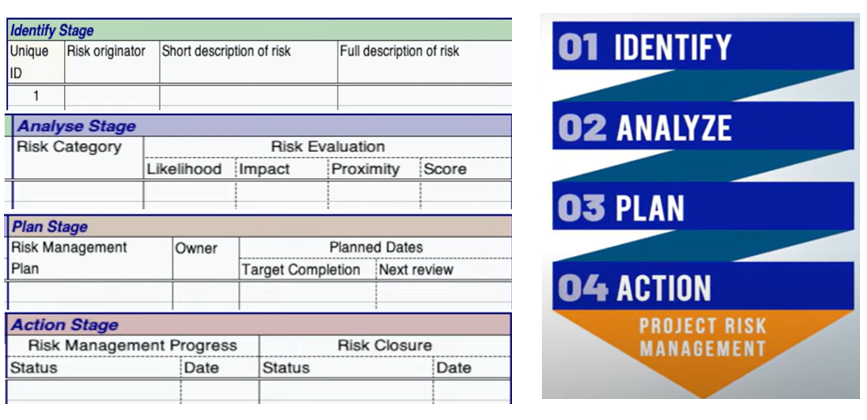
Shubham Chamoli replied to Vishwadeep Khatri's topic in We ask and you answer! The best answer wins!Both Risk Register and FMEA are Risk Management Tool that are used by many organisations worldwide to mitigate the risk, but surely they have got their own different purpose, advantages and disadvantages. Risk Register In this methodology, we try to identify and capture the potential risks involved in a project or in an organisation. These potential risk are updated in Risk register and are followed and tracked to keep a basic overview of the condition or status. Basically Risk Register has got 4 parts: Identify, Analyse, Plan and Action. Also Components of each stage can be understood from the pic attached below. Identity: This involves Risk Identification and its description along with potential causes. Analyse: Analysis of Risk in terms of Likelihood, Impact and Proximity. Plan: Defining risk management plan along with fixed ownership. Action: In this we monitor and update the status of Risk over time. Failure Mode Effect Analysis FMEA is a tool used by organizations for evaluation of failure modes in a product, process, system using a very systematic approach of focusing and prioritising on the identified failure modes by identifying the severity, likelihood/occurrence and detection of the mode. By analysing above we calculate Risk Priority Number(RPN) and define action plan for elimination of failure mode. Higher the RPN number higher is the priority for elimination of failure mode. FMEA has got 7 parts: Failure mode identification, Failure mode effect, Severity, Occurrence, Detection, RPN Calculation and Action. These can be understood properly by the pics below: Advantages / Disadvantages /Use Cases 1. Risk Register has a Broader Scope and deals with the risk involved in a project or organization. FMEA is more Specific and Systematic in analysis of Failure Modes in a product, process, design, etc. 2. Risk Register is all about identifying and managing risk and its impact on project objectives. FMEA focuses on identification of failure modes and its impact of the performance and deliverables of a system. 3. Risk Register is used in Project Management centrally controlled and helps in taking predefined decisions. FMEA on the other hand is mostly deployed in engineering, designing, manufacturing in detailed failure mode analysis. 4. Risk Register is for risk which may occur in future and has got action plan to be taken in future to mitigate the risk. While FMEA is identification of failure mode which may occur in future and taking action in present to eliminate such cases in future. Use Case Example: Risk Register: We will use risk register when we are planning to setup a new plant. We will identify potential risk involved like Land Allocation, Certification, Pollution NOC, Local Demography, chances of flooding in rains, Seismic zone, local politicians, etc. We will make a well-defined action plan along with concerned owner for mitigation of the risk. FMEA: We will use FMEA whenever we are designing a new product or defining a new process. In this we will define the failure modes like lower specs, non-functional part, Early Failure, not meeting customer requirements, imbalanced process, breakdown of machine, etc. Actions will be taken immediately to eliminate these cases and chances of occurrence in future. Conclusion: Risk Register and FMEA are both great tools for Risk Management but both have different applicability, advantages and disadvantages. Risk Register being more broader and general towards complete organization while FMEA focusses on analysis and elimination of failure modes in a particular product or process.


-
Shubham Chamoli replied to Vishwadeep Khatri's topic in We ask and you answer! The best answer wins!PROCESS BENCHMARKING FOR BUSINESS EXCELLENCE Process Benchmarking is a methodology in which we compare two processes over performance, just to identify, the scope of improvement in each process resulting in implementing best of best practices among the process resulting in better output or performance. This has always been the best methodology adopted, to improve, by companies within same industry, having more or less, same type of process. One process can be executed by different companies in different way, hence resulting in different results. So, to reduce time and effort in identification where we are lagging behind, industries started process benchmarking with the competitors available in the market. By this way, they were able to identify the shortcomings in their process and improve the same by benchmarking it with the best solution available and implemented by competition. For Example, a company "XYZ" takes 1 hour to complete a process. By comparing it to a similar company "ZYX" of the same industry, it was found that it completes the same process in 45 minutes only. This means it takes 15 minutes more by XYZ to complete that process when comapred to ZYX. With this benchmark in place, XYZ can make improvements similar to company ZYX to reduce the time to 45minutes. Benefits Of Process Benchmarking Helps understand your current position. Enables making improvements that matter. Encourages planning and aligns goals. Helps outlining roles clearly. Stages in Process Benchmarking Define Focus : Define a tightly focused subject and choose an issue which is critical to the organization’s success. Select Benchmarking Partners : Identification and selection of organizations that excel in the process. Gather Data and Information : Collect data of organization selected available in form of products/schemes/resourses in market. Analyse and Compare : Compare your data with above collected data and identify the gaps in practices. Set Performance Target : Set goals as per above gap, to come at par or surpas them. Develop Action Plan : Develop action plans which will meet above goal setting. Implement and Monitor : Implement the actions and monitor result to meet the expectations. Learn and Iterate : Learn form above activities and repeat for continous improvement. Project Identification Made Easy Process Benchmarking helps in project identification in a very easy way, as by comparing your data with others in the market, we get a very clear picture of our shortcomings. These are the areas where we have to improve and take projects. This methodology helps us in reducing time and area of improvement in measure phase, as we specifically identify the areas where we are lagging behind. Also, this helps us in getting solutions quickly as better performer has already implemented these solutions. To conclude, it is very clear that Process Benchmarking is a very efficient tool for analysing your performance against that of industry and it very clearly reflects the areas that needs improvement. Thereafter helping in identification of areas to take improvement projects with focus.

-
What I think to bring transformation in business we need to be clear on our approach which will act as a foundation from the very beginning and stick to it to avoid any ambiguity in the minds. But depending upon the business type we should do benchmarking and definitely adapt other methodology to get low hanging fruits and keep the workforce motivated. But then again we need to be sure that how these other methodologies are contributing to the parent methodology.