Sharma Narender
Members
-
Joined
-
Last visited
Everything posted by Sharma Narender
-
Sharma Narender replied to Vishwadeep Khatri's topic in We ask and you answer! The best answer wins!Proof of Concept demonstrates the feasibility of a proposed product, method, or idea. It is the small-scale demonstration or experiment designed to test the feasibility of an idea, theory or method in real world scenario. POC validate the practicality of a concept before deploying the resources in full scale development. For example: A bank wants to design Proof of Concept for an AI chat-bot to improve its customer service using WhatsApp then it will proceed as mentioned below: 1. Business Objectives Automate customer inquires Decrease the response time Increase customer satisfaction 2. Performance Metrics (KPIs): Response accuracy: 85% response accuracy for customer inquiries 3. Scope and Use Cases Account Services Quick FD Credit Card Services Apply for loans Test for 500 customers 4. Technology WhatsApp Cloud API 5. Test the PoC Test with 500 selected customers Trial run for 30 days 6. Performance Measure Check the response accuracy Customer feedback Example Conversation Flow for the Chatbot 🤨Customer: Hi 👻Chatbot: Select the options below Account Services Credit Card Services Apply for loans 🤨Customer: Selected "Account Services" 👻Chatbot: Please select from the options give below Balance Enquiry Recent 5 Days Txns Account Statement 🤨Customer: Selected "Balance Enquiry" 👻Chatbot: Here are the details of your active accounts 1) For account xxxxxxxxx2452 Available balance is INR 8000.23. Unclear Balance is INR 0.00 Risks and Mitigation Customer financial data theft: Using End to End Encryption on WhatsApp Phishing attacks: Hide account numbers and other sensitive information and implement AI powered fraud monitoring systems
-
Sharma Narender replied to Vishwadeep Khatri's topic in We ask and you answer! The best answer wins!For the survival of a business, it is necessary that the businesses generate the profit as early as possible, whether it is a manufacturing or service industry. This implies that what should be the minimum sales volume to cover the costs and start generating profits. Break-Even Analysis helps to understand the minimum sales-volume needed to cover the costs and give the idea when a business will start generating profits. So here, first we will understand the Break-Even Analysis concept and then we understand how it can be used in Lean Six Sigma Projects. Break Even Analysis has five components: Fixed Cost: This cost is not varied with the production. For example, Rent, Taxes and Wages Variable Cost: This cost varies with the production such as raw materials, production supplies, utilities, packaging etc. Sales: Sell of the product generate the revenue for the business. Contribution Margin: It is the difference between the selling price per unit and the variable cost per unit. Mathematically: (Selling Price per unit - Variable Cost per Unit) Break-Even Point: It is the point, where the sales revenue equal to the total costs or we can say that the company will start generating profits after this point. Mathematically: Break-Even Point is the ratio of Fixed Cost to the Contribution Margin. BEP = Fixed Cost / (Selling Price per Unit - Variable Cost per Unit) Let's take an example to better understand the concept of Break-Even Analysis. Rajan starts a business of manufacturing Helmet. He invests Rs.10,00,000/- as fixed cost. He calculates that cost of producing a Helmet is Rs.300/-. He then sets the selling price of the Helmet Rs.500/- that includes the profit of Rs.200/- per Helmet. Now the number of units needed to sell to cover the total costs can be calculated as Break Even Quantity = 10,00,000/ (500-300) = 5000 It implies that Rajan has to sell 5000 Helmets to cover the total costs and after that he starts generating profits. Now Lean Six Sigma focuses on the waste reduction and variation in the process to improve the process continuously and so reduce the cost of production or deliver the service. Rajan initiates the Lean Six Sigma Project, and he successfully reduces the per unit cost of production of the Helmet from Rs.300/- to Rs.250/- then let see what the impact will be on the Break-Even Quantity. Break-Even Quantity = 10,00,000/ (500-250) = 4000 We can clearly see the difference that now Rajan has to produce only 4000 Helmets after reducing per unit cost of Helmet using Lean Six Sigma project to cover the total cost and now, he earns the profit by selling next 1000 Helmets. Conclusion: Break-Even Analysis helps in understanding how much unit of volume a business has to produce to cover the total costs and gives and opportunity for a businessman to make informed decisions. It identifies the areas where cost can be reduced and increase profitability. And, Finally, Break-Even Analysis serves as a financial metric helps to understand the businessman where his business stands in achieving the business goals.
-
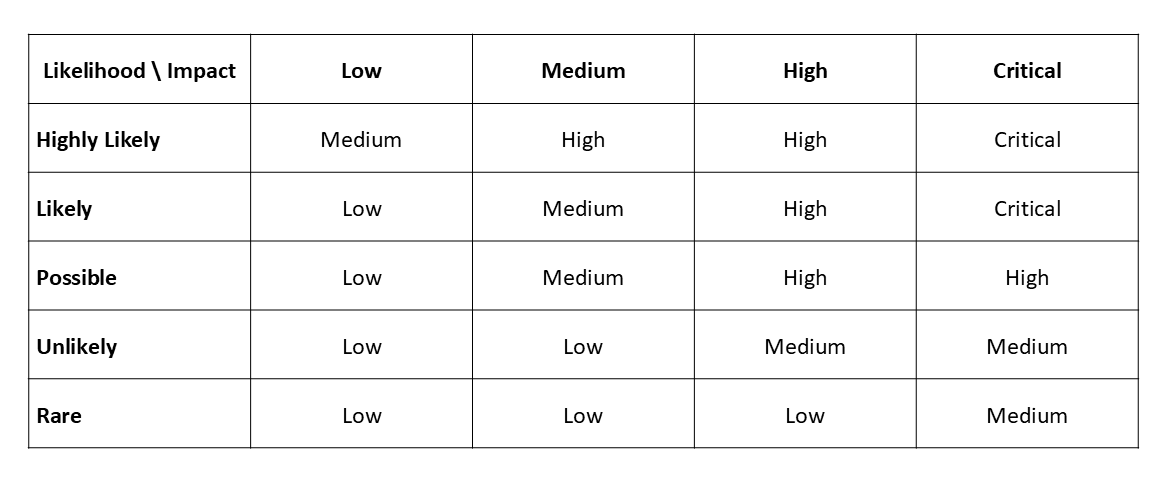
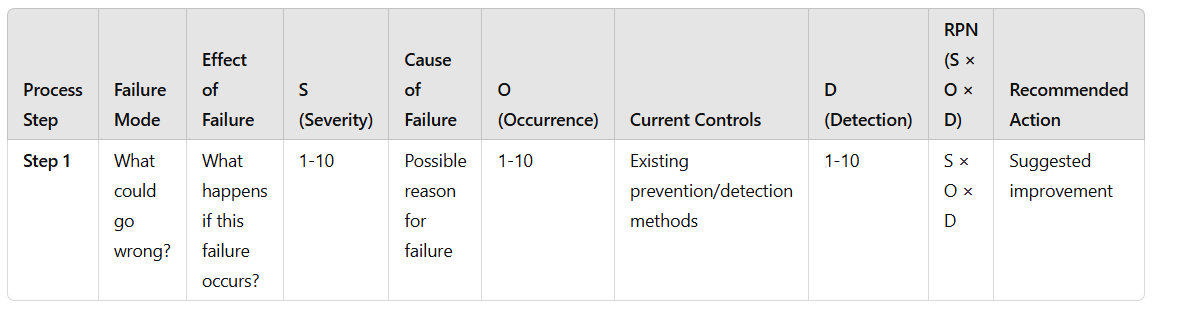
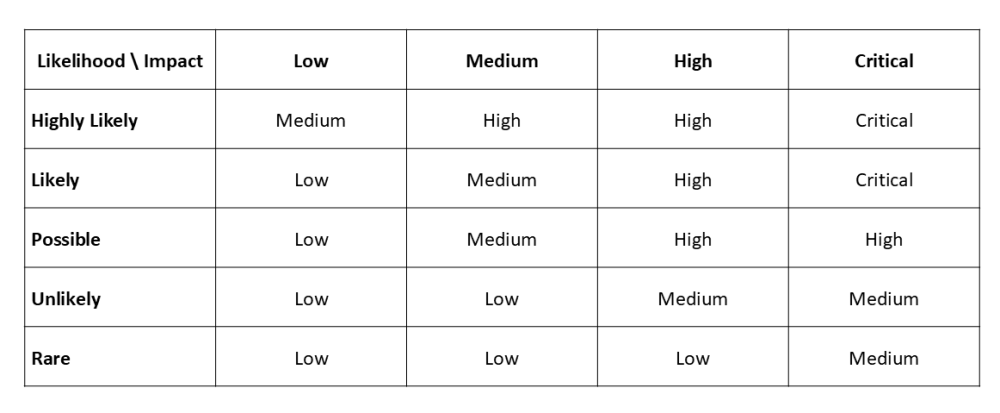
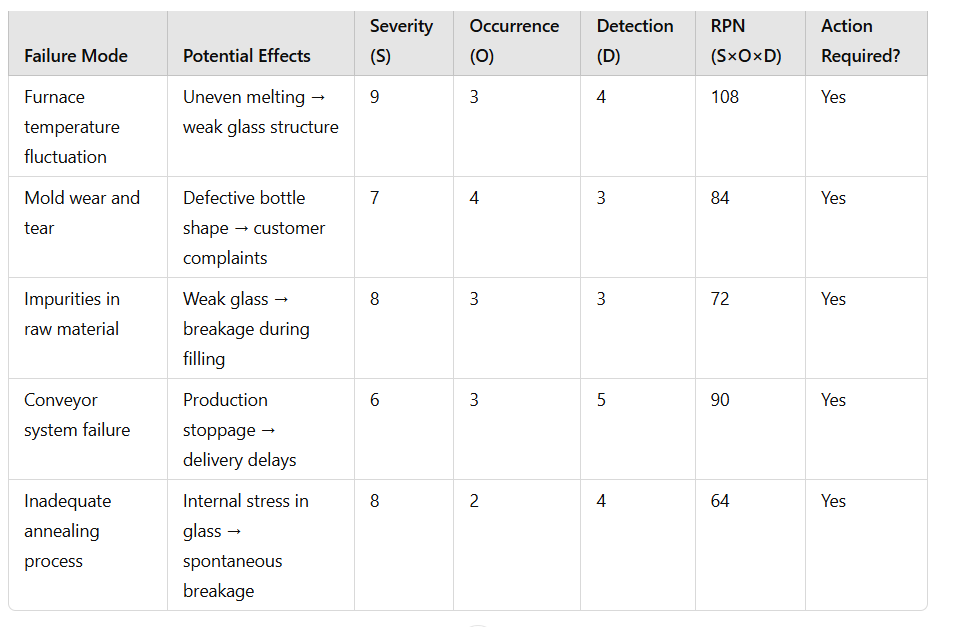
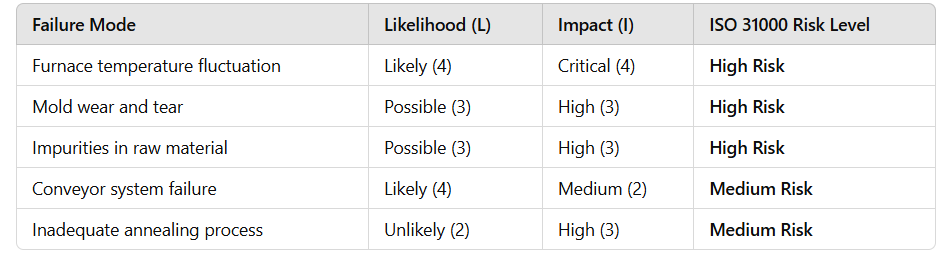
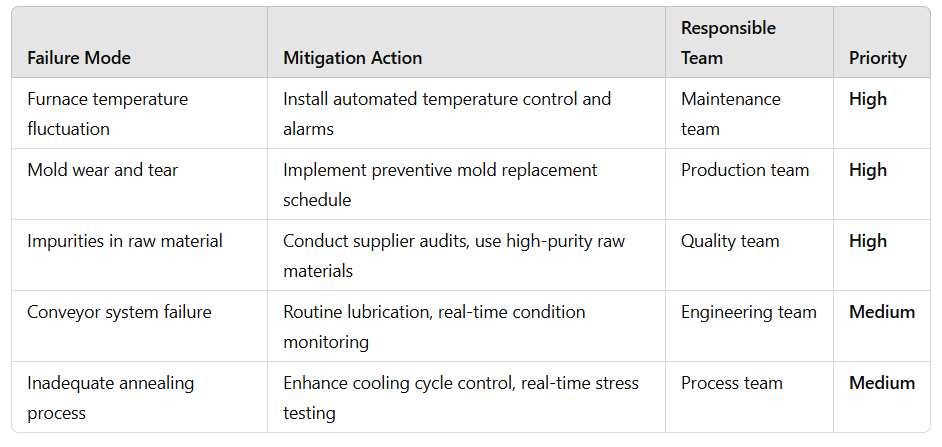
Sharma Narender replied to Vishwadeep Khatri's topic in We ask and you answer! The best answer wins!ISO 31000 ISO 31000 provides a high-level framework for managing risk across organizations. It emphasized a structured approach to risk management, including: Risk Identification: Recognizing potential risks. Risk Assessment: Evaluating the likelihood and impact of risks. Risk Treatment: Implementing measures to mitigate risks. Monitoring and Review: Continuously assessing the effectiveness of risk management efforts. ISO 31000 Risk Matrix Failure Mode and Effect Analysis (FMEA) FMEA is a detailed, systematic method for identifying and addressing potential failures in a product or process. It involves: Failure Modes: Identifying ways in which a process or product might fail. Effects Analysis: Assessing the impact of these failures on operations. Risk Prioritization: Ranking failures based on their severity, occurrences, and detectability. Mitigation Strategies: Developing actions to reduce the likelihood or impact of failures. Simple FMEA Matrix Template Integration of ISO 31000 & FMEA Risk Assessment in Glass Bottle Manufacturing Process: Production of glass bottles using automated molding and annealing Objective: Identify risks related to equipment failure, material defects, process variability, and external factors while integrating ISO 31000 risk levels matrix with FMEA methodology. FMEA Analysis RPN threshold: Risks with RPN>75 need immediate mitigation ISO 31000 Risk Analysis Risk Levels Explanation: High Risk (Red Zone): Requires immediate corrective actions (e.g. real-time monitoring, material quality control). Medium Risk (Yellow Zone): Needs process monitoring and preventive measures. Low Risk (Green Zone): Acceptable risk but should be reviewed periodically. Mitigation Actions Based on Integrated Risk Approach Outcomes from Integration of ISO 31000 and FMEA FMEA identifies operational failure modes, while ISO 31000 extends risk management to external factors (e.g., supply chain risks, regulatory compliance) Combining RPN with ISO 31000's Risk Matrix provides a more accurate risk prioritization, preventing over/under estimation of risk. ISO 31000 ensures strategic mitigation, preventing costly failures beyond the factory floor (e.g., supplier quality risks affecting production). Resource Allocation Efficiency: Instead of treating all RPN>75 equally, ISO 31000 ensures that high-impact risks (e.g., furnace failure) receive top priority over less critical failures. Synergies Between ISO 31000 and FMEA Structured Risk Management Framework (ISO 31000) with a Detailed Risk Assessment Tool (FMEA): ISO 31000 provides a high-level, principle-based approach to risk management applicable to any organization. FMEA is a structured, bottom-up tool for identifying and mitigating risks at a granular level (Process, Design, or System level) Combining the two ensures that FMEA fits into an organization-wide risk management strategy. Broader Risk Perspective (ISO 31000) vs. Failure Based Risk Focus (FMEA) ISO 31000 considers various risk sources, including operational, financial, strategic, and compliance risks. FMEA primarily identifies potential failures in processes, products, or systems. Integrating both ensures that risk assessment is not limited to failure modes but also includes external risks, such as supply chain disruptions or regulatory changes. Enhanced Risk Prioritization and Decision-Making: FMEA uses Risk Priority Number (RPN) = Severity *Occurrence*Detection to rank risks. ISO 31000 emphasizes risk appetite, likelihood, and consequences analysis, helping refine prioritization beyond just numerical scoring. Example: A manufacturing company using FMEA may rank a failure mode with an RPN of 100 as critical. However, ISO 31000 might suggest that this failure mode has low business impact compared to strategic risks, leading to better resource allocation. Proactive vs. Reactive Risk Handling: ISO 31000 promotes a proactive risk culture, ensuring continuous monitoring and review. FMEA is often used in a more reactive manner - typically during design, process changes, or after failures occur. Integration ensures that FMEA is not just a one-time exercise but part of a continuous risk management strategy. Conclusion Integrating ISO 31000 and FMEA improves risk assessment by combining structured risk governance with detailed failure analysis. This synergy leads to better prioritization, proactive risk management, and comprehensive mitigation strategies beyond just failure modes.

-
Sharma Narender replied to Vishwadeep Khatri's topic in We ask and you answer! The best answer wins!To address the collaboration challenges faced by the cross-functional team, a Key Performance Indicator called "Collaboration Efficiency Index (CEI)" can be designed. This measures the effectiveness of teamwork by evaluating how well the team aligns on priorities, communicates, and delivers feedback in a timely manner. Here's how it can be structed and how it aligns with organizational goals explained with example. KPI: Collaboration Efficiency Index (CEI) Formula: CEI = (Number of On-Time Milestones Met/Total Number of Milestones) * (1-Average Feedback Delay Rate) * (Alignment Score on Priorities) On-Time Milestones Met: Tracks the percentage of milestones completed by their deadlines. Average Feedback Delay Rate: Measures the average time delay in providing feedback on deliverables. Alignment Score on Priorities: A qualitative score (e.g., 1-10) assessed through team surveys or manger evaluations, reflecting how well the team agrees on and adheres to priorities. Alignment of CEI with Organization Goals of Timely Delivery and Reduced Inefficiencies Timely Delivery: The CEI directly ties to meeting deadlines by tracking on-time milestones completion. This ensures the team stays on track to deliver the project within the 3-months timeframe. Reduced Inefficiencies: By measuring feedback delays and alignment on priorities, the CEI highlights bottlenecks in communication and coordination, enabling the team to address inefficiencies proactively. Actionable Insights from Tracking CEI Identify Communication Gaps: A low CEI due to high feedback delays indicates poor communication channels. The team can implement structured feedback loops or use collaboration tools to streamline communication. Improve Priority Alignment: If the alignment score on priorities is low, it suggests confusion about goals. Regular alignment meetings or clear documentation of priorities can resolve this. Enhance Accountability: Tracking on-time milestones reveals which team members or functions are falling behind, allowing for targeted support or resource reallocation. Proactive Problem-Solving: A declining CEI over time serves as an early warning sign, prompting the team to address issues before they escalate and impact the project deadline. For Example: An XYZ container glass manufacturing company is launching a new line of eco-friendly glass bottles. Project: Launch of Eco-Friendly Glass Bottles Objective: Develop and produce a new line of 100% recyclable glass bottles within 3 months. Cross-Functional Team: R&D, Production, Marketing, and Supply Chain Milestones and Tasks Milestone 1: Finalize product design (Month 1) R&D team develops eco-friendly material composition Design team creates bottle prototypes Cross-functional review and approval of design Milestone 2: Set Up Production Line (Month 2) Production team modifies machinery for new material Supply chain team sources raw materials. Quality assurance team sets testing protocols. Milestone 3: Produce First Batch (Month 3) Production team manufactures the first 10,000 bottles. Quality assurance team tests and approves the batch. Marketing team prepares product launch materials. Milestone 4: Deliver to Client (End of Month 3) Supply chain team coordinates logistics for delivery. Marketing team communicates with the client. Project team conducts a post-delivery review. Collaboration Efficiency Index (CEI) for the Project Baseline CEI Calculation (Start of Project) On-Time Milestones Met: 0 (project just started) Average Feedback Delay Rate: 20% (based on past projects) Alignment Score on Priorities: 7/10 (some confusion about R&D and production timelines) CEI = (0/4) * (1-0.20) * 7= 0 (Initial baseline) Tracking CEI During the Project along with Actionable Insights After Month 1: Milestone 1 (Design Finalization) is completed on time. Feedback delays reduced to 10% due to daily stand-ups. Alignment score improves to 8/10 after clarifying R&D and production handoffs. CEI = (1/4) * (1-0.10) * 8 = 1.8 Actionable Insights The team improved alignment and reduced feedback delays, leading to a higher CEI. Action: Continue daily stand-ups and maintain clear communication channels. After Month 2: Milestone 2 (Production Setup) is delayed by 5 days due to machinery issues. Feedback delays remain at 10%. Alignment score drops to 7/10 to miscommunication between production and supply chain. CEI = (1/4) * (1-0.10) * 7 = 1.575 Actionable Insights The CEI dropped due to delayed milestone and miscommunication. Action: Address machinery issues (unusual noises, reduced output, frequency breakdowns, or quality defects in product) promptly using root cause analysis and hold alignment workshops for production and supply chain teams. After Month 3: Milestone 3 (First Batch Production) is completed on time. Milestone 4 (Client Delivery) is completed on time. Feedback delays reduced to 5% with improved communication tools. Alignment score improves to 9/10 after resolving earlier issues. CEI = (3/4) * (1-0.05) * 9 = 6.4125 Actionable Insights The CEI improved significantly as the team resolved earlier issues and delivered on time. Action: Document lessons learned and replicate best practices for future projects such as Use a shared dashboard to track task progress, feedback status, and milestone completion on time. This ensures everyone is on the same page and reduces miscommunication. For a new product launch, clearly define R&D's role in material development, production's role in setup, and marketing's role in promotion. This avoids confusion and ensures accountability. Outcome: By tracking the CEI, the team identified and addressed collaboration challenges early, ensuring the project was delivered on time. The CEI also highlighted areas for improvement, such as machinery maintenance and cross-functional alignment, which can be applied to future projects to reduce inefficiencies and improve teamwork.
-
Sharma Narender replied to Vishwadeep Khatri's topic in We ask and you answer! The best answer wins!Lean principles emphasis on cost reduction, focus on waste elimination, and customer demands drive processes. It provides a data-driven approach to decision-making and tracking root causes and hence can be applied to any domain. Lean often surfaces hidden issues and emphasizes on continuous improvement. In the recent years, advancement in robotics, materials, and artificial intelligence are all building the future of manufacturing. Industry 4.0 and physical technologies define speed, waste reduction, and customer demands processes with digital nomenclature. Hence, digital technologies and lean principles are intersecting in what is commonly termed "Digital Lean" which can be a powerful combination of timeless lean principles and constantly evolving digital technologies to decrease waste and variability in processes. Digital Lean, also known as Lean 2.0 can be defined as the augmentation of traditional lean activities with technologies such as IoT, AI, digital twins, and more to increase factory visibility, productivity and agility. For example. In traditional lean, manufacturers adopt preventive maintenance as part of TPM initiatives, where maintenance teams schedule maintenance activities before equipment failure occurs. Hence the effectiveness often dependent on the experience of the maintenance team. In digital lean, predictive maintenance replaces preventive maintenance. Machine Learning (ML) algorithms predict downtime of machines before they occur and automatically schedule maintenance work orders. This data driven approach helps factories reduce both maintenance costs and unplanned/planned downtimes (Deloitte). Let's understand how digital lean can improve traditional lean waste (TIMWOOD) reduction Transportation: Traditional Lean reduces the nonlinear processes scattered across the shop floor-that require transportation of materials from distant storage to the point of use. Digital can quantify the amount of transportation time required per product or process, enabling the identification of opportunities to better streamline and organize the shop floor. Inventory Traditional Lean methods allow products to be manufactured only in the quantity needed and at time required. Instability across the value stream is often absorbed in additional inventory. Digital Lean can enhance operations with real-time visibility of the work-in-progress inventory throughout the production process to identify unexpected inventory buildup. Motion Traditional Lean processes address additional movements that don't add any value to the product and contribute to longer production times. For example, poor design of production lines and cells increase unnecessary motion for operators to complete value-added tasks. Digital Lean, through analyzing performance data or using augmented and virtual reality simulations, can better inform the design of layouts and equipment to optimize worker movement. Waiting Time Traditional Lean approaches help mitigate waiting time in unbalanced operations, bottlenecks, downtime, and poor production planning where employees, materials, and assets are not adding value. Digital Lean reduces waiting through dynamic rerouting of operations based on updates on the real-time status of assets, quick identification of bottlenecks, and multiple simulations of optimized scenarios. Overproduction Traditional Lean mitigates the overproduction caused by the asynchronization between demand and supply, including delayed demand signals and rigid processes constraints. Digital Lean can provide real-time visibility into the value stream to proactively adjust capacity, avoiding the building of goods that are not required. Overprocessing Traditional Lean can help avoid processing not required by the customer that is performed across the value stream, such as over-inspection or unnecessary high tolerances. Digital Lean connects and integrates the life cycle of a product (and the value stream) through a digital twin: a continuous thread of data mirrors development, production, and use that stretches from the initials design through the lifetime of the product. Defects Traditional Lean can help reduce defects by establishing standards in the way assets are maintained, processes are defined, and products are designed. Defects across the value stream, causing rework or scrap. Digital Lean helps identify the precise asset, process step, or product feature that is causing defects and reducing first-pass yield. Industry Example of Digital Lean Implementation In the pharmaceutical industry reveals that the current industry average for OEE is slightly above 35%, indicating ineffective resource utilization. Additionally, and efficiency gap between effectively digitized and average pharmaceutical factories, with digital facilities boasting 1.75 times higher OEE that indicates up to 60% throughput with no capital investment. Availability: Pharmaceutical manufacturers leveraging digital technologies exhibit an availability score of 67%, underscoring the positive impact of Industry 4.0 solutions on their lean activities. These companies make informed decisions that directly address the primary OEE loss factors within the pharmaceutical industry. Here is the breakdown of availability wastes: Planned Losses: In Pharma 4.0 factories, the planned loss of 22% of staffed time indicates a substantial reduction in changeover time. Unplanned Losses: In digital factories, unplanned losses, accounting for 11% of staffed time, signify an extended equipment lifespan. Performance: The performance score for Pharma 4.0 companies stands at approximately 93%, underscoring that digitization serves as a remedy for mitigating speed losses and minimizing micro-stops. Quality: The quality score for digital pharmaceutical factories is approximately 98%, signifying heightened productivity and a reduced likelihood of receiving warning letters and OTIF penalties in comparison to traditional factories. In conclusion, the digital lean is the future of manufacturing industries and beyond.
-
Sharma Narender replied to Vishwadeep Khatri's topic in We ask and you answer! The best answer wins!Originally Nemawashi refers "Turning the Roots". Ne implies Root and Mawashu implies to turn something, to put something around something else (Wikipedia). The whole idea of Nemawashi is that if someone wants to transplant a tree to a new location, then, before transplanting the tree, one has to dig the ground carefully sometime before transplanting the tree. This would help to establish the tree to its new location and the soil of the new location accept the tree with minimal resistance and give the opportunity to grow the roots of the tree. This all because of the groundwork is done prior to transplantation of the tree. Nemawashi is Japanese term that refers to the process of "laying the groundwork" for a project or decision like transplanting a tree by gathering support and consensus among stakeholders before formal discussions or meetings take place. It involves informal consultations, discussions and relationship-building to ensure alignment and reduce resistance when the proposal is officially presented on the table. This practice is tied closely to the Japanese business culture that emphasize collaboration, respect and harmony in decision-making. It helps to gauge the reaction of the high-ranking people and give the opportunity to win the heart of them before the proposal puts on the table. The Japanese use Nemawashi to foster collaboration, efficiency, and consensus-driven decision-making. It builds consensus early by ensuring that all stakeholders are consulted and aligned before formal decisions are made to reduce conflicts, delays, and resistance during implementation, leading to smoother execution. It encourages inclusivity by involving employees at all levels in informal discussions, promotes a sense of ownership and engagement. This leads to better ideas, innovation, and commitment to the organization's goals. It emphasizes open and respectful communication, which strengthens relationships and trust among team members. This creates a harmonious work environment and improves teamwork. It reduces risks by addressing concerns and gathering feedback beforehand, Nemawashi practice helps identify potential issues early, allowing for adjustments before formal decisions are made. This minimizes risks and costly mistakes. It promotes long-term thinking using thoughtful, deliberate decision-making rather than rushed or top-down directives. This aligns with the Japanese focus on long-term sustainability and quality. It facilitates change management through easy transitions by ensuring everyone is on board and understands the rationale behind the decisions. This reduces resistance and fosters adaptability. It aligns with Kaizen (Continuous Improvement) by encouraging ongoing feedback and iterative improvement. It ensures that decisions are refined and optimized through collective input. For Example: Quality department wants to install automatic inspection machines, but HOD feels that this proposal will definitely be challenged by the production department, create fear of job loss among the quality personnel, and due to the heavy cost involved this will not be supported by the finance department. Quality department starts doing the groundwork by continuously discussing the benefits of Automatic Inspection Machines with the production head, chief financial officer and quality personnel. Automatic inspection machines help to improve the quality of production by rejecting only those parts which can't be able to be detected through 100% inspection by quality personnel. Many critical defects are passed during 100% inspection can't be traced on conveyer by the quality personnel. This leads reduced customer complaints, eliminate rework and resorting, and so extra manpower for rework and resorting. Automatic machines will be used to detect only for those defects which can't be able to see by naked eyes, but they are potentially dangerous for the customer. The cost of automatic inspection machines installation will be recovered within a year and at the same time they will make our organization more competitive in the market. Quality department continuously organizes the meeting with production, finance along with quality personnel and discuss the pros and cons of installation of automatic inspection machines try to win the heart collaboratively, to build consensus and to reduce resistance before formally put the proposal on table in front of top management. Finally, inconclusion, the department becomes more efficient, and the employee morale remains high because the changes were introduced collaboratively. The company achieves its goals without the disruptions that often accompany top-down decisions. This example demonstrates how Nemawashi ensures smooth decision making, fosters trust, and drive business excellence by involving stakeholders early and valuing their input.
-
Sharma Narender replied to Vishwadeep Khatri's topic in We ask and you answer! The best answer wins!In an increasingly complex and interconnected world, the ability to bridge divides—be they within organizations, between industries, or across cultures—has become a critical factor for success. Boundary spanning serves as a powerful approach to overcome silos, foster collaboration, and drive innovation by connecting people, knowledge, and resources across diverse domains. This concept empowers organizations to thrive in dynamic environments by leveraging diversity, integrating perspectives, and building partnerships that unlock creative potential. Whether facilitating cross-functional teamwork, engaging external stakeholders, or navigating cultural differences, boundary spanning equips leaders and teams with the tools to break barriers and create value. What is Boundary Spanning? Boundary spanning refers to activities or roles that involve connecting, bridging, or managing across organizational, departmental, or group boundaries. The concept is often applied in organizational settings, project management, and team dynamics to facilitate collaboration, communication, and the exchange of resources or ideas between distinct groups or entities. Key Aspects of Boundary Spanning: Breaking Silos: Overcoming barriers created by departments, divisions, or teams that typically work in isolation. Cross-functional Collaboration: Encouraging teamwork and understanding among different organizational units with diverse goals, expertise, or perspectives. Knowledge Sharing: Facilitating the transfer of information, expertise, and best practices across boundaries. Adaptability and Innovation: Promoting flexibility and creativity by integrating diverse ideas and perspectives. For Example: In Organizations: A manager who acts as a liaison between R&D and marketing departments to align product development with market needs. In Cross-Sector Collaboration: NGOs partnering with governments or private companies to achieve common goals like sustainability. In Global Teams: Leaders coordinating activities among geographically dispersed teams to ensure alignment and shared understanding. Key Benefits of Boundary Spanning Improved communication and reduced misunderstandings. Enhanced collaboration and innovation by integrating diverse perspectives. Greater efficiency in resource utilization. Development of a more adaptive and responsive organization. Types of Boundary Spanning Vertical Boundaries: Between hierarchical levels (e.g., executives and frontline employees). Horizontal Boundaries: Between departments or functional units. External Boundaries: Between the organization and external stakeholders like customers, suppliers, or partners. Demographic and Cultural Boundaries: Between groups with different cultural, social, or professional backgrounds. Boundary spanning helps organizations foster innovation, improve collaboration, and adapt to dynamic business environments by breaking down barriers, integrating diverse perspectives, and facilitating the flow of knowledge and resources. Fostering Innovation Boundary spanning brings together diverse perspectives, knowledge, and expertise, which serve as catalysts for creative problem-solving and innovation. How It Helps: Encouraging Cross-Pollination of Ideas: By bridging silos, it enables the blending of ideas from different functions, industries, or stakeholders, leading to groundbreaking solutions. Accessing External Insights: Engaging with external networks—such as customers, suppliers, or academic institutions—allows organizations to tap into fresh ideas and cutting-edge trends. Example: Cross-Functional Product Development: At Apple, the collaboration between engineering, design, and marketing teams has led to innovations like the iPhone, which blends cutting-edge technology with user-centric design. Partnership with Academia: Pfizer’s partnership with biotech firms and universities during the COVID-19 pandemic accelerated vaccine development by combining internal expertise with external research. Improving Collaboration Boundary spanning breaks down organizational silos and fosters a culture of open communication and teamwork, ensuring that different teams and stakeholders work together effectively. How It Helps: Enhancing Communication: Facilitates the exchange of ideas and reduces misunderstandings between departments or teams. Building Trust and Alignment: Helps align goals across functions, improving cooperation and coordination. Example: Cross-Departmental Collaboration: Procter & Gamble’s “Connect + Develop” strategy encourages collaboration between internal teams and external innovators, resulting in co-created products like the Swiffer. Internal Team Synergy: Toyota’s lean manufacturing system emphasizes collaboration between engineering, production, and quality teams, enhancing efficiency and reducing errors. Adapting to Dynamic Business Environments Boundary spanning enables organizations to stay agile and responsive to changing market conditions by facilitating the flow of information and resources across internal and external boundaries. How It Helps: Proactive Market Response: Boundary spanners can monitor industry trends, customer needs, and competitor activities, helping organizations pivot quickly. Building Resilience: By fostering partnerships and collaboration, organizations can share risks and resources to navigate uncertainty. Example: Customer-Centric Adaptation: Amazon uses boundary-spanning roles to gather customer feedback across regions and integrate it into product development, ensuring adaptability to market needs. External Collaboration During Crisis: During the global chip shortage, companies like Ford collaborated with semiconductor manufacturers to secure supply chains and maintain production. By leveraging boundary spanning, organizations become more connected, creative, and resilient—qualities that are essential for thriving in today’s fast-paced and unpredictable business environment. Relevance of Boundary Spanning in Breaking Silos Boundary spanning is vital in breaking silos—whether across departments, industries, or geographic regions—by fostering collaboration, improving communication, and ensuring seamless integration of efforts. Siloed structures often lead to inefficiencies, missed opportunities, and conflicts. Boundary spanning mitigates these challenges and enhances organizational effectiveness. Breaking Silos Across Departments Departments within an organization often operate in isolation, which can lead to misaligned goals, communication breakdowns, and inefficiencies. Boundary spanning helps integrate efforts across functions to achieve common objectives. How It Helps: Aligning Goals: Facilitates cross-departmental understanding and alignment. Knowledge Sharing: Enables the exchange of critical information and expertise. Improved Decision-Making: Combines diverse perspectives for better strategic outcomes. Real-World Example: GE's Cross-Functional Teams: General Electric implemented cross-functional teams where engineers, designers, and marketers collaborated to develop medical devices. This approach reduced time-to-market and improved product features by integrating technical innovation with customer insights. Breaking Silos Across Industries Collaboration across industries enables organizations to leverage expertise and technologies that may not exist within their own field. Boundary spanning connects businesses, creating opportunities for innovation and growth. How It Helps: Shared Expertise: Combines strengths of different industries to solve complex problems. Innovation Through Synergy: Encourages novel solutions by applying ideas from one industry to another. Access to New Markets: Facilitates partnerships that open up new business opportunities. Real-World Example: Nike and Apple Collaboration: Nike partnered with Apple to create Nike+ technology, which integrates fitness tracking with smartphones. This cross-industry collaboration combined Apple’s tech expertise with Nike’s understanding of athletics, resulting in innovative fitness solutions. Breaking Silos Across Geographic Regions Global organizations often face challenges in coordinating activities across regions due to cultural, linguistic, and operational differences. Boundary spanning ensures seamless communication and cooperation across borders. How It Helps: Cultural Integration: Builds understanding and trust among geographically dispersed teams. Efficient Global Operations: Facilitates coordination of processes, resources, and strategies. Scalability and Growth: Helps organizations expand operations into new markets effectively. Real-World Example: Unilever’s Global Teams: Unilever’s boundary-spanning leaders connect regional offices to share best practices and align global strategies. For instance, they adapted product lines like Lifebuoy soap to different cultural needs, improving both market relevance and performance. Conclusion Boundary spanning is a transformative approach that empowers organizations to break silos, foster innovation, and thrive in today’s interconnected and dynamic business environment. By bridging divides across departments, industries, and geographic regions, boundary spanning facilitates collaboration, knowledge sharing, and alignment of goals, enabling organizations to harness diverse perspectives and resources. From fostering innovation through cross-disciplinary collaboration to improving adaptability in a rapidly changing world, boundary spanning equips organizations with the tools to overcome challenges and seize opportunities. Ultimately, boundary spanning is not just a strategy but a cultural shift toward openness, connectivity, and shared success. Organizations that embrace this approach will be better positioned to innovate, collaborate, and lead in an increasingly complex global landscape.
-
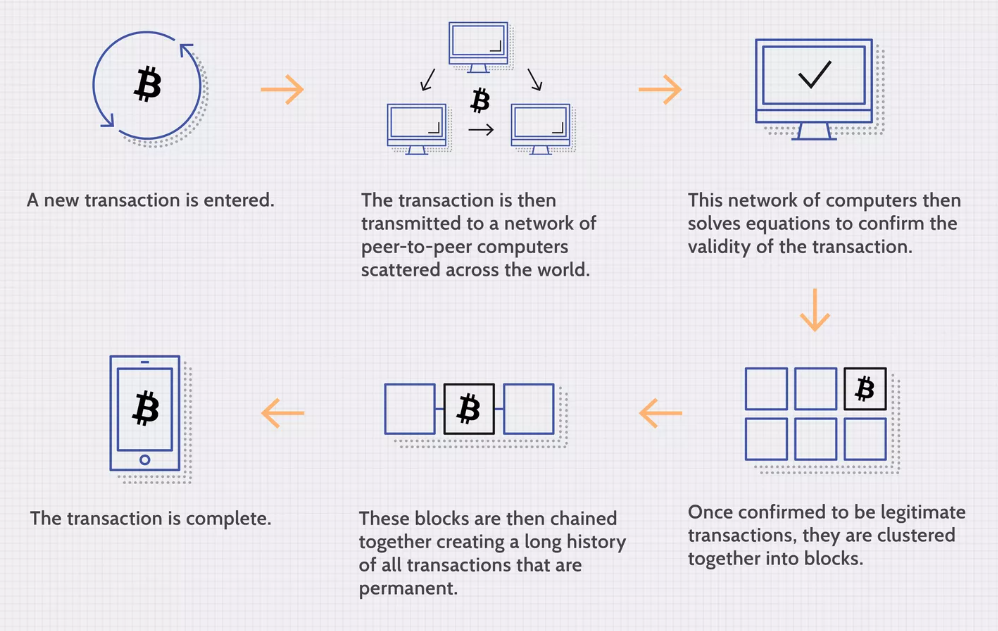
Sharma Narender replied to Vishwadeep Khatri's topic in We ask and you answer! The best answer wins!In today's rapidly evolving business environment, organizations across manufacturing and service industries are under constant pressure to enhance efficiency, maintain quality, and build trust in their operations. This drive for operational excellence requires not only proven methodologies like Lean Six Sigma but also the integration of innovative technologies like blockchain. Together, these approaches enable businesses to achieve superior process transparency, data integrity, and efficiency - hallmarks of a competitive and sustainable enterprise. For a manufacturing sector, blockchain's ability to track and trace materials, verify supplier data, and ensure compliance offers a revolutionary way to address persistent challenges, such as defects, inefficiencies in the supply chain, and delays. Lean Six Sigma's structured framework complements this by identifying root causes of waste and inefficiencies, enabling a proactive approach to improvement. In the service industry, where customer experiences hinge on accurate data, seamless processes, and timely delivery, blockchain ensures reliable, tamper-proof information sharing across stakeholders. When paired with Lean Six Sigma, it becomes possible to enhance service quality by addressing bottlenecks, improving workflows, and reducing errors in customer-facing operations. The Blockchain technology Blockchain technology is an advanced database mechanism that allows transparent information sharing within a business network. A blockchain database stores data in blocks that are linked together in a chain. The data is chronologically consistent because you cannot delete or modify the chain without consensus from the network. Every time a change is entered with a timestamp with a unique hash in the block and this hash is shared with all other computers in the network, but this change is valid only the majority of participants accepted. As a result, you can use blockchain technology to create an unalterable or immutable ledger for tracking orders, payments, accounts, and other transactions. The system has built-in mechanism that prevent unauthorized transaction entries and create consistency in the shared view of these transactions. Blockchain emerged in late 2008, in the midst of the global financial crises. Satoshi Nakamoto released a new protocol for a "A Peer-to-Peer Electronic Cash System" and created a digital currency or cryptocurrency called Bitcoin based on blockchain technology, with the first Bitcoin transaction being realized on January 12, 2009. Traditional database technologies present several challenges for recording financial transactions. For instance, consider the sale of a property. Once the money is exchanged, ownership of the property is transferred to the buyer. Individually, both the buyer and the seller can record the monetary transactions, but neither source can be trusted. The seller can easily claim they have not received the money even though they have, and the buyer can equally argue that they have paid the money even if they haven't. To avoid potential legal issues, a trusted third party has to supervise and validate transactions. The presence of this central authority not only complicates the transaction but also creates a single point of vulnerability. If the central database was compromised, both parties could suffer. Blockchain mitigates such issues by creating a decentralized, temper-proof system to record transactions. Lean Six Sigma Methodology Lean Six Sigma is a discipline that delivers customer value through efficient operations and consistent quality standards. It's a methodology that focuses on improving performance by systematically removing waste and reducing variation. Lean focuses on efficiency and eliminating waste. Six Sigma on the other hand, focuses on quality and consistency. When used together, these problem-solving skills can transform an organization. How Blockchain can be integrated with Lean Six Sigma 1. Enhancing Process Transparency: Immutable Records: Blockchain's decentralized ledger ensures all transactions or process changes are permanently recorded, allowing clear tracking of process steps. Real-Time Visibility: Smart contracts and real time data sharing enable instant updates across stakeholders, ensuring full transparency in processes like supply chain management or production. 2. Improving Data Integrity Data Authenticity: Blockchain provides a single source of truth for process metrics and eliminates the risk of data manipulation or tampering. Audit Trails: Permanent records ensure easy audits and help identify deviations in process performance. 3. Increasing Efficiency Automated Workflows: Smart contracts can automate routine tasks or approvals, reducing cycle times in workflows. Eliminating Redundancies: Blockchain ensures that data duplication and redundant approvals across departments are minimized. 4. Strengthening Process Improvement Projects Data Collection: Reliable, tamper-proof data helps with accurate root cause analysis in Six Sigma's DMAIC or DMADV framework. Cross-Functional Collaboration: Blockchain facilitates seamless collaboration between teams by offering secure access to shared data. Challenges of Implementing Blockchain in Lean Six Sigma High Initial Cost: Developing and implementing a blockchain infrastructure requires heavy investment and training employees to use the technology adds to the cost. Complexity: Integrating blockchain into legacy systems and aligning it with Lean Six Sigma methodologies requires significant technical expertise. Process reengineering may be necessary to make blockchain compatible with existing workflows. Data Privacy and Security: Although blockchain ensures data transparency, some organizations may struggle with balancing privacy and accessibility of sensitive information. Scalability: As transaction volumes grow, maintaining the efficiency of the blockchain can become challenging, especially for real-time applications. Cultural Resistance: Employees may resist change due to unfamiliarity with blockchain technology. Example of Successful Integration of Blockchain and Lean Six Sigma Integration: 1. Walmart and Food Supply Chain: Walmart uses blockchain (IBM Food Trust) to track its food supply chain, enhancing transparency and reducing waste. Lean Six Sigma principles are applied to identify inefficiencies in the supply chain, such as delays in product delivery or issues in quality. 2. Maersk and TradeLens Maresk's TradeLens platform leverages blockchain for shipping and logistics, offering real-time visibility of shipments across the supply chain. LSS principles were applied to streamline container tracking and reduce lead times. 3. Pharmaceutical Industry (Pfizer and MediLedger) MediLedger, a blockchain based platform, ensures the integrity of the drug supply chain and reduces counterfeit medicines. Six Sigma tools helped identify inefficiencies in tracking drugs, and blockchain was implemented to provide end-to-end traceability. 4. BHP and Mining Operations BHP Billiton uses blockchain to improve transparency in mineral tracking and vendor performance. Lean principles help eliminate waste in the supply chain, while blockchain ensures data accuracy and auditability 5. BMW and Auto Part Traceability: BMW uses blockchain to track the origin and quality of auto parts in its supply chain. Lean Six Sigma tools are integrated to reduce defects and inefficiencies during production. Inconclusion, integrating blockchain technology with Lean Six Sigma provides a unique opportunity for manufacturing and service industries to enhance transparency, secure data integrity, and drive process efficiency. By combining the power of data immutability and automation with structured problem-solving and continuous improvement, organizations can achieve sustainable operational excellence. This synergy not only addresses current challenges but also prepares businesses to thrive in an increasingly digital and competitive landscape.
-
Sharma Narender replied to Vishwadeep Khatri's topic in We ask and you answer! The best answer wins!Decision-making and leadership are pivotal aspects of business and personal life. They way individuals and leaders make decisions can significantly impact outcomes, both in the short-term and long-term. Daniel Kahneman's dual-process theory as explained in his influential book "Thinking, Fast and Slow," provides a profound framework for understanding the cognitive process involved in decision-making. This theory delineates two distinct modes of thinking. System 1: Fast Automatic, and Intuitive System 2: Slow, Deliberate, and Analytical In leadership, decision-making is a multifaceted process that requires a well-calibrated balance of intuition and analysis. A leader's ability to discern which approach to employe in differing situations directly impacts the efficacy of their guidance and possible success. Some leaders tend to rely on rapid, instinctual judgements, and others are more into strategic and well-grounded decisions. Understanding System 1 and System 2 Often the best leadership and teamwork come from the balance between the two. Understanding the interplay between System 1 and System 2 thinking is pivotal, as both are intrinsic to the art of leadership. Mastery of these cognitive systems can foster a team culture that is reflective, nuanced, and profoundly influential. System 1 Thinking: Characteristics: Fast, Automatic, and Intuitive Function: Operates effortlessly and quickly, often using heuristics (mental shortcuts) based on past experiences and patterns. Examples: Recognizing a friend's face in a crowd, answering simple math questions (e.g., 2+2) This system operates subconsciously, functioning with remarkable speed and efficiency, often without conscious awareness. It is our intuitive and automatic mode of thinking, which can be quite adept at making quick judgments based on patterns and past experiences. However, it is also susceptible to cognitive biases, which can cloud our decision-making processes. System 2 Thinking: Characteristics: Slow, Deliberate, and Analytical. Function: Requires conscious effort and attention, used for complex problem-solving and critical thinking. Examples: Solving a complex math problem, planning a long-term project. This system takes a more deliberate and logical approach to problem-solving. It is slower and requires more cognitive resources, but it excels at analytical thinking and complex decision-making tasks that necessitate attention and careful consideration. Leaders must learn to balance these two systems, engaging System 1 for its rapid processing while employing System 2 when thorough analysis is essential, ultimately cultivating an environment of informed and balanced leadership decisions. The Basic Idea When commuting to work, you always know which route to take without having to consciously think about it. You automatically walk to the subway station, habitually get off at the same stop, and walk to your office while your mind wanders. It’s effortless. However, the subway line is down today. While your route to the subway station was intuitive, you now find yourself spending some time analyzing alternative routes to work in order to take the quickest one. Are the buses running? Is it too cold outside to walk? How much does a rideshare cost? Our responses to these two scenarios demonstrate the differences between our instantaneous System 1 thinking and our slower, more deliberate System 2 thinking. However, even when we think that we are being rational in our decisions, our System 1 beliefs and biases still drive many of our choices. Understanding the interplay of these two systems in our daily lives can help us become more aware of the bias in our decisions—and how we can avoid it. Why Dual Process Thinking? Efficiency and Speed: System 1 thinking allows for quick decisions based on intuition and past experiences. This is particularly useful in situations where immediate action is required, such as avoiding danger or making snap judgments. Accuracy and Deliberation: System 2 thinking provides a more analytical and deliberate approach to decision-making. It’s essential for complex problem-solving, critical thinking, and tasks that require careful consideration. Evolutionary Advantages: In prehistoric times, rapid responses could mean the difference between life and death. Those who could quickly identify threats and opportunities had a higher chance of survival. Over time, this fast-thinking system became ingrained in the human brain. Balancing Cognitive Load: Not all situations require deep thought and analysis. By using System 1 for routine tasks and System 2 for more complex ones, humans can manage their cognitive resources more effectively. Flexibility and Adaptability: Having two systems allows humans to adapt to a wide range of scenarios. Whether it's making a quick decision in a high-pressure situation or planning for long-term goals, dual process thinking provides the flexibility to choose the appropriate approach. This combination of fast and slow thinking enables humans to navigate the complexities of life more effectively. It's a fascinating aspect of human cognition! Balancing System 1 and System 2 Thinking To navigate the dynamics of leadership with acumen, it’s essential for leaders to maintain an equilibrium between instinct and intellect. Understanding the dichotomy of System 1 and System 2 can prevent overconfidence in intuitive conclusions. Leaders can foster wisdom by integrating the experiential with the analytical, realizing when to harness the rapid, pattern-based insights of System 1 and when to summon the methodical, logical prowess of System 2. The following points elaborate how the balancing can be done between System 1 and System 2 1. Enhancing Decision-Making with Dual Systems: In the constant balance of leadership decision-making, the harmonious interplay between System 1 and System 2 thinking is essential. System 1, operating with fluid intuitiveness, can yield swift judgments based on heuristic cues, mental shortcuts and past experiences. Conversely, System 2 provides a methodical counterbalance, using deliberate reasoning and critical analysis. Effective leaders harness both systems judiciously – they cultivate the rapid, subconscious processing of System 1 when immediacy is paramount and deploy the calculative scrutiny of System 2 when complexity demands rigor. The mastery of switching between these cognitive gears optimizes decision-making and embodies the wisdom of nuanced, situational leadership. 2. Tackling Complex Problems: Invariably, leaders confront convoluted dilemmas that test their intellectual power and decision-making integrity. Such scenarios mandate an interlacing of intuition and analysis, drawing from both cognitive systems. Expert leaders know when to let System 1 guide them through gut feelings and patterns while also discerning when these issues necessitate the slower, more judgmental process of System 2. 3. Navigating Risk and Uncertainty: Wisdom in leadership during uncertainty is demonstrated through the judicious use of both Systems 1 and 2. Intuition guides immediate actions, while analysis informs long-term strategy. Leaders' adept in utilizing both cognitive processes are better equipped to anticipate risks, prepare contingencies, and lead with confidence even amidst turbulence. This duality of thought enhances the resilience of the team and the stability of the organization when facing the unknown. 4. Interaction Between Systems and Emotions: Dynamic Interplay: There is a dynamic interplay between emotions and both systems. While System 1 may generate an emotional response, System 2 can reflect on this response and potentially reshape it based on further thought and analysis. Impact of Mood and State: The current emotional state of an individual can influence the effectiveness of both systems. For example, when someone is under stress, System 2’s ability to regulate emotional responses from System 1 can be impaired, leading to more emotionally driven decisions. 5. Cultivating Wisdom in Leadership Practices: Leadership wisdom emerges from the interplay between instinct and intellect, where intuition informs but does not dominate strategic decisions. This nuanced balance fosters discernment and judicious action. In leadership, a synergy between the fluid intelligence of System 1 and the analytical prowess of System 2 is vital. Harnessing both allows for responsive leadership that remains rooted in a landscape of data-driven strategy and evidence-based practice The art of “knowing when” and “knowing how” becomes the cornerstone of a leader’s wisdom. 6. Learning from Mistakes: Mistakes, while undesirable, are unavoidable. Reflective practice is key to learning from errors. When leaders engage in introspection after a misstep, they activate their System 2 thinking, promoting a detailed analysis of the event. This process helps in identifying the underlying factors and in devising strategies to prevent recurrence. Importantly, acknowledging the existence of an error is the first step to wisdom-enhancing correction. Wisdom is not innate, but can be cultivated through experiences, especially missteps. Leaders who demonstrate a growth mindset — an understanding that ability can be developed through dedication and hard work — tend to foster a culture where mistakes are viewed as opportunities for advancement. This perspective encourages team members to approach challenges boldly and learn from outcomes, creating a resilient and innovative workforce. 7. Encouraging Reflective Thinking: Reflective thinking is fundamental in the process of learning from mistakes. It demands purposeful pausing to consider the implications and lessons of a misstep. In essence, encouraging reflective thinking involves creating a supportive atmosphere where individuals can pause and analyze their actions and outcomes. By integrating regular reflection periods into routine activities, leaders can instill a habit of consideration, fostering a deeper understanding of experiences and their influence on future decisions. This continual loop of action and reflection leads to more thoughtful and effective strategies. 8. System Approaches to Develop Wisdom: Cultivating wisdom necessitates a harmonious balance between rapid intuition and measured thinking. Leaders must master the interplay of both cognitive faculties to excel. Intricate decision-making hinges not only on raw knowledge but also on using that knowledge wisely; System 1 and System 2 play crucial roles here. Quick, automatic, and often subconscious processes (System 1) coexist with the slow, effortful, and conscious thought processes (System 2), together informing enlightened leadership actions. Leaders can enhance their wisdom by consciously transitioning between System 1 and System 2 thinking. Recognizing when to trust gut feelings and when to deliberate carefully over decisions is an art honed through mindful practice and self-awareness. Examples: Balancing System 1 and System 2 Thinking from Manufacturing and Service Industry Production Line Management System 1 Thinking: Example: A production line supervisor notices a sudden malfunction in one of the machines and immediately decides to switch to a backup machine to keep the production line running. Quick Action: “Machine 4 is down. Let’s switch to Machine 6 to avoid downtime.” System 2 Thinking: Example: The operations manager analyzes machine performance data over the past year to identify patterns of malfunction and plans a maintenance schedule to prevent future breakdowns. Strategic Maintenance: “Based on our data, we need to schedule regular maintenance checks every three months to minimize machine downtime.” Customer Service Management System 1 Thinking: Example: A customer service representative quickly addresses a customer's complaint about a billing error. They use their experience and intuition to provide an immediate solution and keep the customer satisfied. Quick Response: “I understand the issue. Let me correct that billing error for you right away.” System 2 Thinking: Example: The customer service manager reviews customer complaint data over a quarter to identify recurring issues and develop long-term improvements to prevent similar problems in the future. Detailed Analysis: “We’ve noticed an increase in billing errors in the last quarter. Let’s analyze our billing processes and implement more stringent checks.” Aviation Industry: Emergency Landing System 1 Thinking: Example: A pilot experiences an engine failure shortly after takeoff. They rely on their training and intuition to quickly execute emergency procedures and choose a safe place for an emergency landing. Quick Response: “Engine failure. Initiate emergency landing procedures. Identify the nearest suitable landing site.” System 2 Thinking: Example: The investigation team analyzes flight data, maintenance records, and environmental factors to determine the root cause of the engine failure and implement long-term solutions to prevent future occurrences. Detailed Analysis: “We need a comprehensive review of engine performance and maintenance logs to identify the cause of the failure and implement preventive measures.” Conclusion Balancing System 1 and System 2 thinking is a critical skill for effective decision-making and leadership across various industries. Daniel Kahneman's "Thinking, Fast and Slow" model provides a valuable framework for understanding these two distinct modes of thinking: fast, intuitive System 1 and slow, analytical System 2. By leveraging the strengths of both systems, leaders can make quick, informed decisions in high-pressure situations while also engaging in thorough analysis for long-term strategic planning.
-
Sharma Narender replied to Vishwadeep Khatri's topic in We ask and you answer! The best answer wins!The Black Box Paradox in AI One of the early promises of artificial intelligence was that it could deliver the decision making free of discrimination. But the AI has impacted human lives in many aspects and very soon the humans started realizing that artificial intelligence can also suffer from the same biases as the human intelligence. A few years ago, Amazon mostly abandoned a system it was using to screen the job applicants when it discovered it was consistently favoring men over women. Similarly, in 2019, an ostensibly race-neutral algorithm widely used hospitals and insurance companies was shown to be preferencing white people over black people for certain types of care. When everyone is hyping that AI provides solutions to every problem, but most of these AI models operate in Black Box i.e. internal workings are a mystery to its users. Users can see the system's inputs and outputs, but they can't see what happens with in AI tool to produce those outputs and this is known as the Black Box Paradox in AI. The Black Box Paradox refers to inherent opacity of the AI systems, where the decision-making processes are often obscure and difficult to comprehend for humans. This lack of explainability makes it challenging to understand how AI arrives at its conclusions leading to question about transparency, and reliability of the system. Consider a Black Box model that evaluates job candidates resumes. Users can see the inputs-the resumes they feed into the AI model. And users can see the outputs-the assessments the model returns for the resumes. But users don't know exactly how the model arrives at its conclusions like what factors it considers, how it weighs those factors and so on. Algorithm of YouTube, Facebook, Instagram can't explain why a particular video gets viral immediately after its upload. This is hidden under many layers of training of the algorithmic model of the YouTube, Facebook, and Instagram. The Root Cause: Deep Learning Understanding why this happens requires knowing little bit about how machine learning models are built. Suppose you want to teach a child the difference between a Cat and a Dog. You would probably start by showing him a bunch of pictures of both Cats and Dogs, and during that process, the child would absorb some features of Cats and Dogs. Then, hopefully, when you show him a picture he never seen before, he can figure out if it's a Cat or Dog. This method of learning by examples reveals one of the significant ways in which bias can infiltrate a machine learning model. For instance, a facial recognition algorithm is trained mostly on the images of the lighter skinned people, it may lack accuracy in identifying darker skinned individuals. In much the same way, in real life, people are biased toward the fair skinned people considering them as more beautiful and smarter than dark skinned people because culturally people have deep learning of this thought. Similarly, Amazon's resume screening model proved to be biased toward men because it was trained to recognize keywords from resumes of its most successful current employees - who were disproportionately men. The deep learning algorithms are a type of machine learning algorithm that uses multilayered neural networks. Where a traditional machine learning model might use a network of one or two layers, deep learning models can have hundreds or even thousands of layers. Each layer contains multiple neurons, which are bundles of code designed to mimic the functions of the brain. Deep neural networks can consume and analyze raw, unstructured big data sets with little human intervention. They can take in massive amounts of data, identify patterns, learn from these patterns, and use what they learn to generate new outputs, such as images, video and text. However, these deep neural networks are inherently opaque. Users-including AI developers -can see what happens at input and output layers, also called "visible layers." They can see the data that goes in and predictions, classifications, or other content that comes out. But they do not know what happens at all network layers in between, the so-called "hidden layers." Explainable AI (XAI) or White Box AI: Leveraging AI models while ensuring accountability and transparency. Explainable AI (XAI) or White Box AI is a set of processes and methods that allows human users to comprehend and trust the results and output created by machine learning algorithms. It is an emerging field that aims to make AI systems more transparent and understandable to humans. It provides the tools and techniques to explain the reasoning behind AI decisions, allowing auditors, analysts, and stakeholders to trace how these decisions are made. By incorporating XAI, financial institutions can identify and mitigate biases, ensure compliance with regulations, build trust with customers and regulators, and unlock the full potential of AI technology. It is crucial for an organization to have a full understanding of an AI decision-making processes with model monitoring and accountability of AI and not to trust them blindly. Explainable AI can help humans understand and explain machine learning (ML) algorithms, deep learning and neural networks. Explainable AI Techniques Prediction Accuracy: Accuracy is a key component of how successful the use of AI is in everyday operations. By running simulations and comparing XAI output to the results in the training data set, the prediction accuracy can be determined. The most popular technique used for this is local interpretable Model-Agnostic Explanations (LIME), which explains the prediction of classifiers by the ML algorithm. Traceability: Traceability is another key technique for accomplishing XAI. This achieved, for example, by limiting the way decisions can be made and setting up a narrower scope for the ML rules and features. An example of traceability XAI technique is DeepLIFT (Deep Learning Important FeaTures), which compares the activation of each neuron to its reference neuron and shows a traceable link between each activated neuron and even shows dependencies between them. Decision Understanding: This is the human factor. Many people have a distrust in AI, yet work with it efficiently, they need to learn to trust it. This is accomplished by educating the team working with the AI so they can understand how and why the AI makes decisions. Uses of Explainable AI: Healthcare: Accelerate diagnostic, image analysis, resource optimization and medical diagnosis. Improve transparency and traceability in decision-making for patient care. Streamline the pharmaceutical approval process with explainable AI. Financial Services: Improve customer experiences with a transparent loan and credit approval process. Speed credit risk, wealth management and financial crime risk assessments. Accelerate resolution of potential complaints and issues. Increase confidence in pricing, product recommendations and investment services. Criminal Justice: Optimize processes for prediction and risk assessment. Accelerate resolution using explainable AI on DNA analysis, prison population analysis and crime forecasting. Detect potential biases in training data and algorithms. In conclusion, without knowing how an AI model making decisions leads to the lack of transparency and accountability in the decision making known as Black Box Paradox in AI. This generates confusion, and distrust in AI models. The problem can be addressed with the use of Explainable AI (XAI) which gives the detailed understanding of the process of decision making and leading to the better use of AI models while ensuring accountability and transparency.
-
Sharma Narender replied to Vishwadeep Khatri's topic in We ask and you answer! The best answer wins!Polanyi's Paradox is named after the Hungarian-British philosopher and polymath Michael Polanyi. It refers the concept that “We know more than we can tell”. It talks about the tacit knowledge. Tacit knowledge implies the skills, insights, and intuitions. The knowledge that is very hard to express or articulate. For example, I can rotate my hands independently clockwise and counterclockwise simultaneously. It is very easy for me to do this. People in general find it very difficult or impossible to replicate it. But I can’t explain how can I able to do this very easily. So, I know I can do this but can’t explain how I rotate my hands independently clockwise and counterclockwise simultaneously. Leveraging Polanyi’s Paradox Bridging the gap between Human Intelligence and Artificial Intelligence The Human Intelligence developed through experiences, social interactions, day to day problem solving and decision making which is very challenging for the AI to replicate. Through regular interaction of humans with AI technologies can further improve the AI model. For example: with regular human interaction with ChatGPT improves the knowledge base of the AI model because across the world people are asking solution for their day-to-day problems Humans are intuitive, creative and empathetic we can leverage these skills of human in developing robots. Such as developing Humanoids. Humanoids are working as waiter the in Chinese restaurants to fulfil the peak demands with human understanding. Mules are included in Indian army. Areas where human skills remain indispensable Creative Arts: Fine art, Music, and writing require creativity, emotional expression, and cultural nuances where humans excel. Here AI can assist, but the human touch remains irreplaceable. Healthcare: Patient Care: Empathy, bedside manners, and the ability to make nuanced decisions in complex situations are crucial in healthcare. Medical Research: While AI can process data, the creative thinking required for breakthrough discoveries often comes from human intuition. Education: Teaching: Personal interaction, mentoring, and the ability to adapt teaching methods to individual needs are strengths of human educators. Counselling: Providing emotional support and understanding is a human forte. Leadership and Management: Strategic Decision-Making: Complex, high-level decisions that involve ethics, empathy, and long-term planning are best handled by humans. Team Building: Motivating and leading people requires emotional intelligence and social skills. Customer Service: Problem-Solving: Understanding and resolving unique customer issues often requires human ingenuity. Building Relationships: Establishing trust and rapport with customers is something AI struggles to replicate. Skilled Trades: Craftsmanship: Precision, creativity, and the ability to work with one's hands are key in many trades. Maintenance and Repair: Diagnosing and fixing problems in unpredictable environments often requires human judgment. Strategies for Individuals to Thrive Alongside AI Embrace Lifelong Learning: Focus on acquiring skills that are difficult to automate, such as critical thinking, adaptability, and creative problem-solving. Example: Learn how to work with AI tools rather than compete against them. Cultivate Emotional Intelligence: Develop skills like empathy, negotiation, and interpersonal communication that are highly valued in human-centric roles. Specialize in Tacit Knowledge Areas: Deepen expertise in areas where intuition and hands-on skills are critical. Be Technologically Literate: Understand how AI works to use it effectively in specific field and identify where it falls short. Strategies for Organizations to Thrive Alongside AI Invest in Human-AI Collaboration: Redesign workflows to combine AI's efficiency with human creativity and judgment. Example: AI generates insights, and teams focus on strategic implementation. Upskill Workforce: Provide training to help employees adapt to AI-enabled roles, emphasizing skills AI cannot replicate. Prioritize Human-Centric Design: Develop AI systems that augment rather than replace human capabilities, making them intuitive and accessible. Create Ethical Frameworks: Build a culture of ethical AI use, ensuring decisions and actions align with societal values and human well-being. Foster Creativity and Innovation: Encourage a culture that values out-of-the-box thinking and experimentation, leveraging human ingenuity. Conclusion The understanding of Polanyi's Paradox can guide individuals and organizations to focus on what makes humans uniquely valuable. By blending the strengths of AI with human capabilities, we can create a future where humans thrive alongside AI, leveraging its power while safeguarding roles that depend on human intuition, creativity, and empathy.