

Topics
-
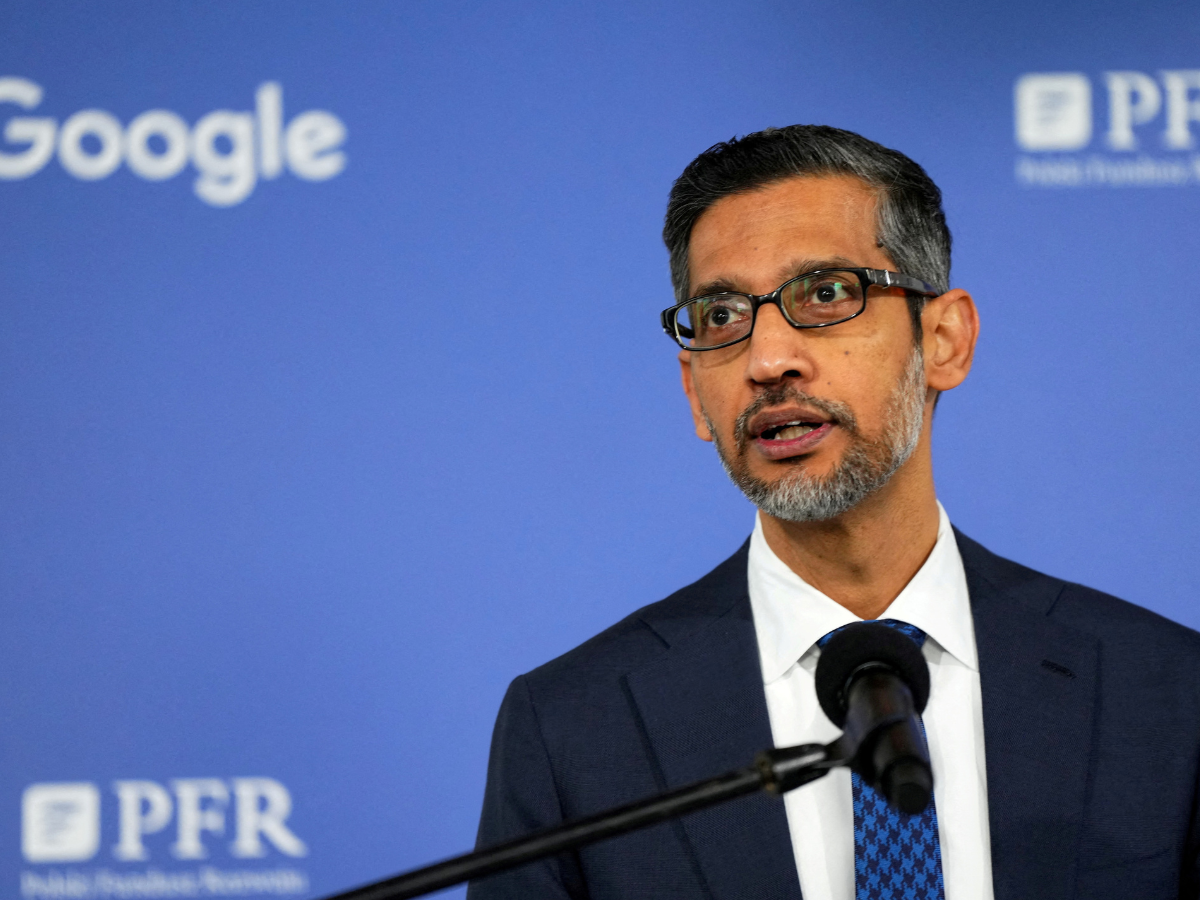
The latest setback has fueled worries that Google was losing momentum just as OpenAI and Anthropic and a host of Chinese rivals have accelerated the pace of model releases. On the call on Wednesday, Pichai struck an unusually defensive tone as analysts pressed him on the state of Google's frontier models and whether they could still compete at the cutting edge of AI development. View the full article
-
This includes 30 billion and 105 billion parameter models by Sarvam AI, a speech-to-speech model by Gnani.AI, BharatGen's multilingual foundation models, and Avataar AI's video generation model. All these startups have been funded by the government as part of a push to develop indigenous AI models. Of the 20 models, five have been released so far. View the full article


Leaderboard
-
Anupam Goswami
Members1Points11Posts

Popular Content
Showing content with the highest reputation on 02/21/2023 in Posts
-
1 pointCognitive Analytics Cognitive analytics is a type of data analysis that involves the use of advanced technologies, such as artificial intelligence and machine learning, to analyze data and identify patterns, insights, and anomalies that would be difficult or impossible to detect using traditional analytics approaches Difference between Cognitive and other traditional analytics approaches Cognitive Descriptive Predictive Prescriptive uses advanced algorithms and machine learning to analyze data in real-time, with the goal of identifying patterns and insights that are not immediately apparent. primary purpose of descriptive analytics is to summarize and describe historical data, providing insights into what has happened in the past primary purpose of predictive analytics is to make predictions about future events or trends based on historical data give detailed differences between cognitive analytics and predictive analytics uses more advanced statistical and machine learning techniques to identify patterns and relationships in data. Uses simple statistical analysis techniques to summarize data, such as measures of central tendency (mean, median, mode) and dispersion (variance, standard deviation). uses statistical and machine learning techniques to identify patterns and trends in data, with the goal of making predictions about future events. uses mathematical algorithms and optimization techniques to identify the best course of action, given specific constraints and objectives can also use structured data, but it is better suited for analyzing unstructured data, such as text, images, and social media posts. typically relies on structured data, such as data from relational databases or spreadsheets relies on structured data, such as data from databases or spreadsheets relies on structured data, such as data from databases or spreadsheets provides predictive insights, identifying trends and patterns that are likely to occur in the future provides descriptive insights into what has happened in the past, such as identifying trends and patterns in historical data generates predictions about future events based on historical data generates recommendations for action based on the results of predictive analytics uses machine learning and artificial intelligence to provide automated interpretation and insights, making it faster and more accurate than descriptive analytics. relies on human interpretation to understand the insights generated from the analysis relies on human interpretation to understand the predictions generated from the analysis. generates recommendations for action based on the results of predictive analytics Used in banking industry to monitor transaction patterns, identify unusual activities, and flag them as potentially fraudulent used to identify historical patterns of fraudulent activities in order to develop risk mitigation strategies for the future can be used to analyze stock market data and identify stocks that are likely to increase in value in the future. can be used to detect fraud in real-time and provide recommendations for specific actions to be taken, such as flagging suspicious transactions for further investigation In the e-commerce industry, cognitive analytics can be used to analyze customer interactions with a website to identify patterns, such as what products are frequently purchased together or what type of content is more appealing to the customers can be used to identify trends in customer behaviors and preferences. can be used to identify customers who are likely to churn, allowing marketing teams to develop targeted retention strategies prescriptive analytics can be used to identify the most effective marketing channels and messaging based on customer data. can be used to identify trends in customer behaviors and preferences. descriptive analytics can be used to analyze the prevalence of certain diseases in a population or identify risk factors associated with certain conditions Can be used to forecast future health risks or outcomes based on historical data. For example, predictive analytics can be used to identify patients who are at high risk of developing a particular condition, allowing healthcare providers to develop targeted interventions can be used to identify the most effective treatments for a particular condition based on a patient's medical history and other relevant data.1 point
This leaderboard is set to Kolkata/GMT+05:30