All Activity
Past hour
-
This is not curriculum. It is identity. Most professionals entering the AI space ask one question: can we build it? A serious AI architect asks a different question first: should the organization work this way? That distinction is everything. And it is just the beginning. Here are nine ways a serious AI architect thinks differently. 1. They observe decisions, not processes. Anyone can map how work is executed. A serious AI architect asks who decides, on what evidence, how long it takes, and what a wrong decision costs. Transformation begins there — not at the process map. 2. They ask "should we?" before "can we?" Two questions run through everything. Can we build it? is architecture. Should the organization work this way? is transformation. One without the other is incomplete work. 3. They treat autonomy as delegated, never granted. Every level of machine authority traces to a human who owns the consequence. An agent's power is borrowed — and what is borrowed can be recalled. This is not a limitation. It is the design. 4. They design the stop before the start. An agent that cannot be stopped is not a solution. It is an exposure. A serious AI architect knows how to withdraw trust before extending it — and treats that withdrawal as the mechanism working, not failing. 5. They know that human attention is the scarce resource. Every agent added spends from the same pool of human oversight. A tenth agent quietly degrades supervision of the other nine. So they build fewer, better-governed systems — and are proud of the agents they chose not to build. 6. They are unimpressed by agent count. Multi-agent is a topology decision, not a sophistication badge. Restraint is the architectural skill. Complexity that cannot be defended is not advanced thinking — it is noise. 7. They distinguish automation from transformation. If no decision changed hands, nothing was transformed — however impressive the demo. A serious AI architect checks for the decision that moved, and for the person who owns it now. 8. They hold tools lightly and principles tightly. The platforms we build with today will be replaced. The principles we apply with them will not. Fluency in today's tools matters — but being defined by them is a trap. 9. They prove, and they defend. They do not describe systems. They build them. They do not assert transformations. They defend them under questioning. Capability precedes certification — in the program, and everywhere afterward. A serious AI architect governs intelligent work — not just AI. Some work will be done by models, some by automation, some by people. They architect the whole. And they make sure someone owns it after they leave. Build the system. Defend the transformation. This is the way of thinking that CAITA — Certified AI Transformation Architect — exists to build.The next cohort begins 5th September. If you have been waiting for the right moment, this is it. If, twelve weeks from now, these lines sound like your own thoughts, the program has worked.
-
Aditi_Chanda_L3pB joined the community
Today
-
Since last year, I’ve been tracking the trend of American startups using Chinese AI. This year, the shift has become harder to ignore. But it didn’t emerge in a vacuum. China’s low-cost, open-weight push was always going to appeal to developers, the backbone of AI innovation. Washington’s wake-up call arrived late. View the full article

-
-
Claude Pro now starts at Rs 1,999 per month on an annual plan (about ₹24,000 a year), rising to roughly Rs 2,399 per month for those who pay monthly. View the full article

-
They issued the jointly signed statement on Monday, warning that AI could drive a larger economic transformation than the Industrial Revolution but one that is "vastly shorter" in time frame, raising questions for workers, companies and public institutions. View the full article
-
The regulator, the Office of the Superintendent of Financial Institutions, sent the email to chief technology officers, chief information security officers, and chief risk officers across the financial industry, including the big banks and insurers, according to documents Reuters obtained through an access-to-information request. View the full article

-
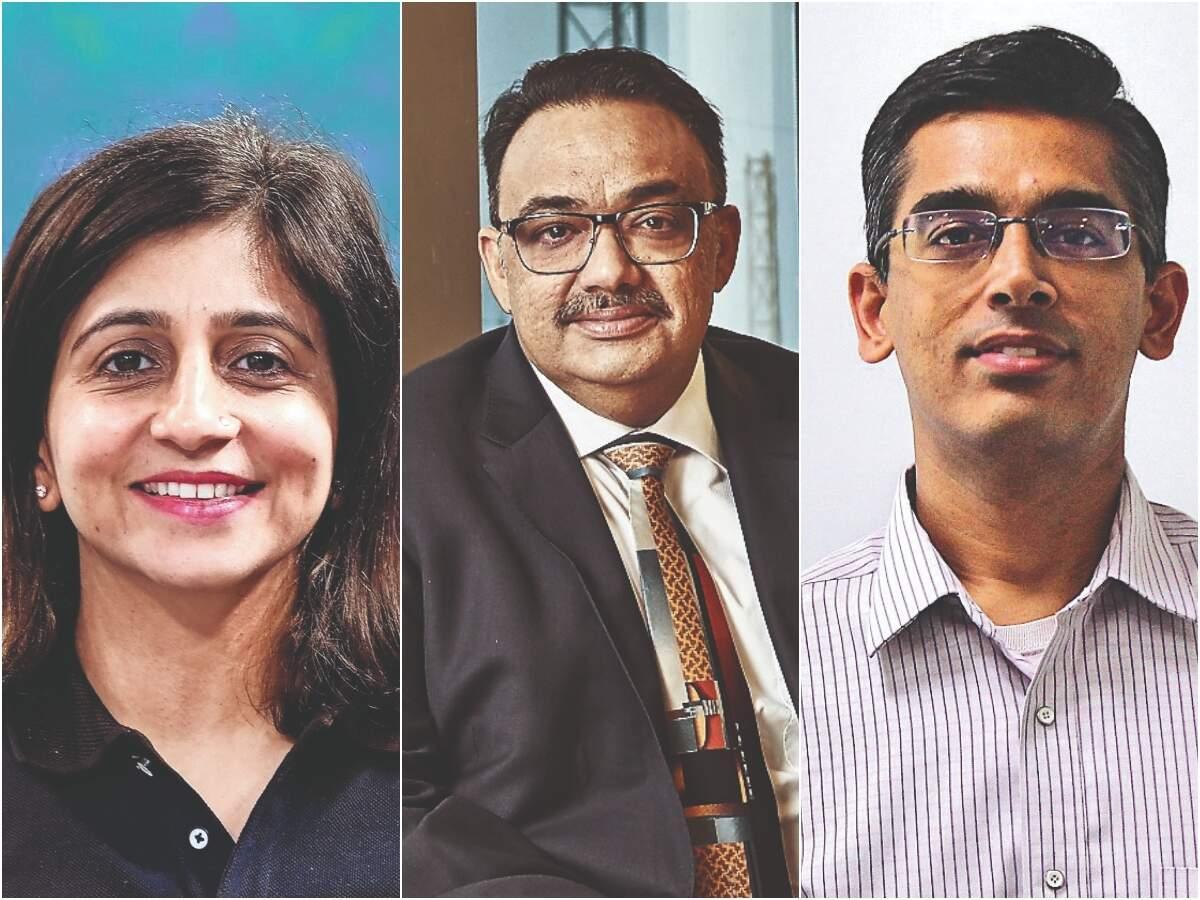
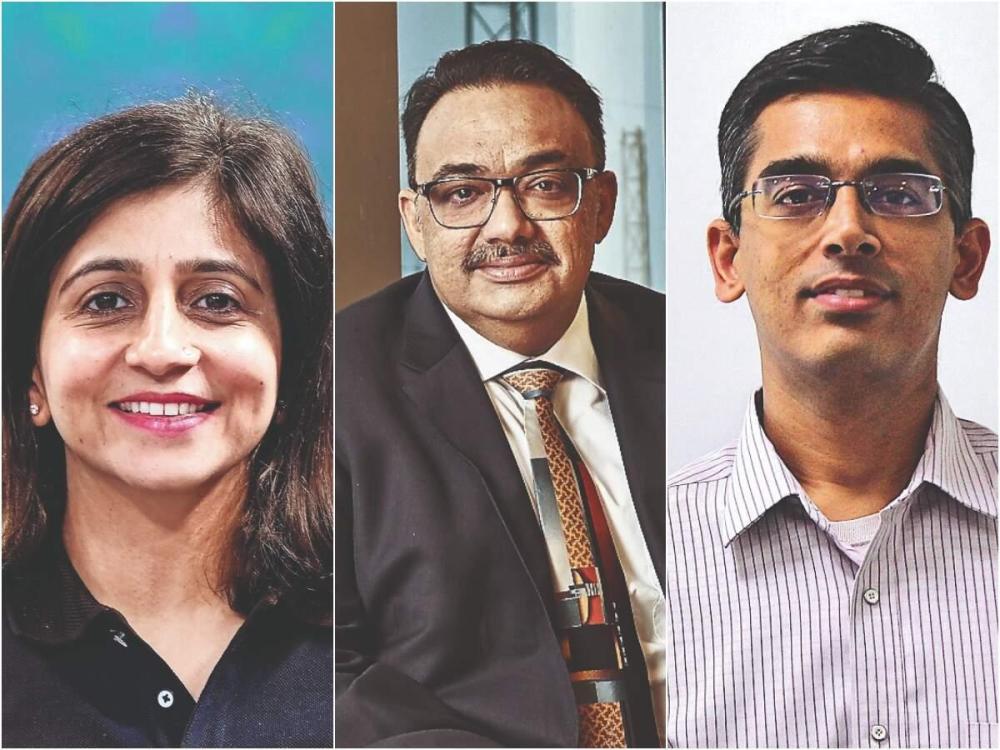
India cannot own every AI layer, but open ecosystems and optionality can avoid vendor lock-in and establish control over critical data, governance and infrastructure, said industry leaders. View the full article
-
Last week, AI bellwethers including Nvidia, AMD and Intel came under renewed selling pressure, while semiconductor stocks such as Micron, Broadcom and Marvell remained well below their recent highs, as investors questioned whether the industry’s trillion-dollar infrastructure buildout could generate sustainable returns. View the full article

-
Voice AI goes mainstream as enterprises move beyond pilots, with large language models enabling natural conversations and driving demand for multilingual, secure AI agents at scale. View the full article
-
The government has also deployed a combination of open source models, which includes Sarvam, to plug gaps in critical infrastructure. This comes as the Indian government as well as local companies are still in discussions with the US government to get access to Mythos, dubbed to be the most powerful AI model developed so far. View the full article

Yesterday
-
This shows India's growing importance across Anthropic's markets. India accounts for about 6% of global Claude usage. The AI giant opened an office in Bengaluru earlier this year and roped in former Microsoft MD Irina Ghose to head operations. View the full article

-
Top economists and scientists have issued an open letter urging immediate action. They warn artificial intelligence could transform economies and displace many workers. This transformation may be larger than the Industrial Revolution, occurring much faster. Leaders must establish incentives and guardrails to guide AI development. Collective, democratic choices are needed to ensure AI benefits all citizens. View the full article

-
Purushottam_Pandey_eBqv joined the community
-
Blomfield was at YC as a partner, mentoring founders across multiple batches after building two unicorns. He was awarded an OBE (Officer of the British Empire) in 2019 for his contribution to competition in banking. View the full article

-
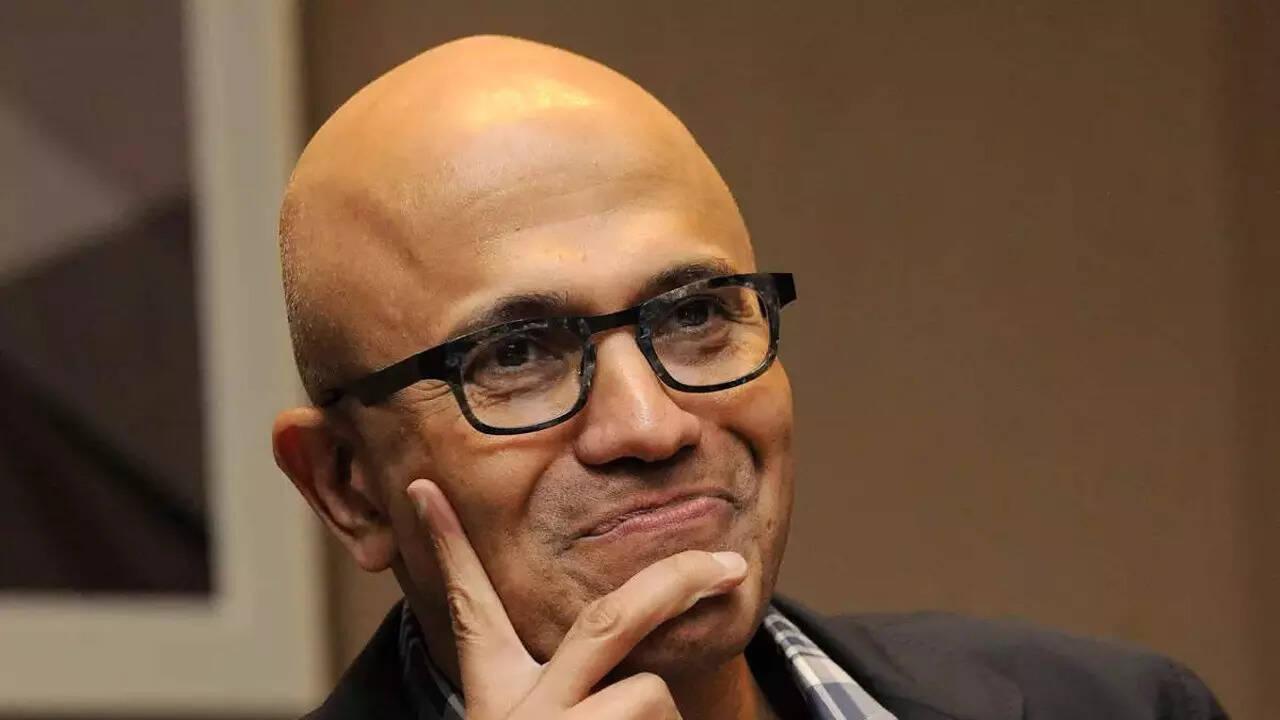
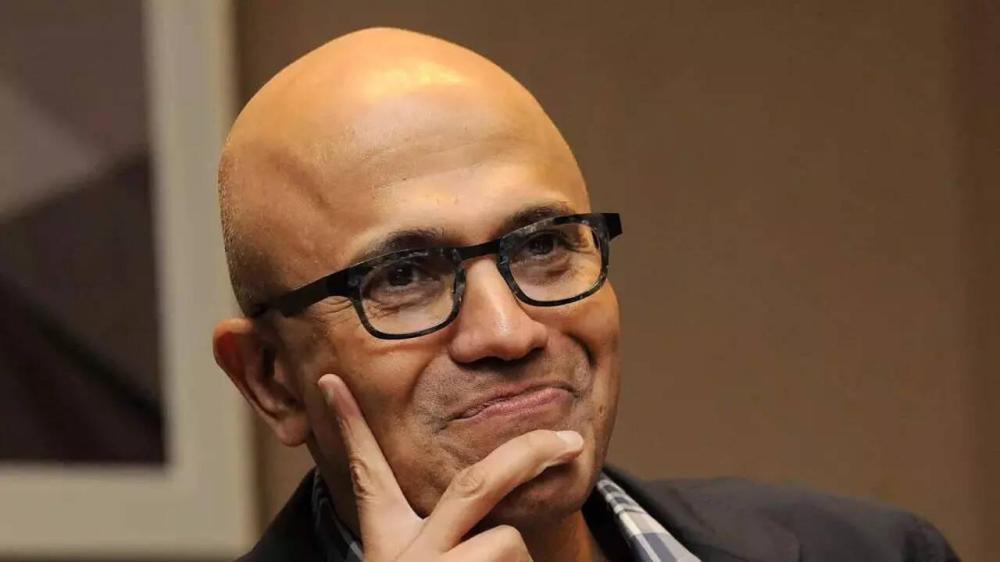
Microsoft CEO Satya Nadella highlighted risks businesses face with AI adoption. He warned companies could lose valuable organizational knowledge through AI interactions. Tech leaders responded to Nadella's "Reverse Information Paradox" concerns. Some executives agreed, while others noted existing protections. Discussions are ongoing regarding AI's impact on intellectual property and data control. View the full article
-
Global memory chipmakers are expanding production capacity to meet AI demand. Samsung, SK Hynix, and Micron are investing billions in new facilities. These companies aim to secure supply for high-bandwidth and DRAM chips. Industry experts anticipate continued tight supplies for several years ahead. Capacity growth will determine memory makers' future market performance. View the full article

-
Companies gain little by adding AI to existing processes. True benefits emerge after redesigning work around AI. Most organisations use AI within current operating models, yielding only incremental gains. Reinventing execution, not augmenting it, offers the real breakthrough opportunity. Organisations redesigning work around hybrid human-AI teams achieve substantially better outcomes. View the full article

-
KAUSHIK_ROY_yY7f changed their profile photo
-
The White House plans a voluntary pledge for utility companies and data centers. This initiative aims to manage AI's growing electricity demand without raising consumer costs. Several major tech firms previously signed a similar pledge to fund infrastructure. The new event will broaden commitments and include governors from key states. Administration officials seek to assure voters that AI growth and lower energy costs can coexist. View the full article

-
Anthropic's chief executive Dario Amodei has lobbied Australian officials for "copyright reform" as the artificial intelligence giant seeks to make a major investment in the country, official briefing notes released Monday show. According to briefing notes released under freedom of information law, Amodei had requested the meeting to discuss barriers to AI training in Australia, "particularly copyright reform". View the full article

-
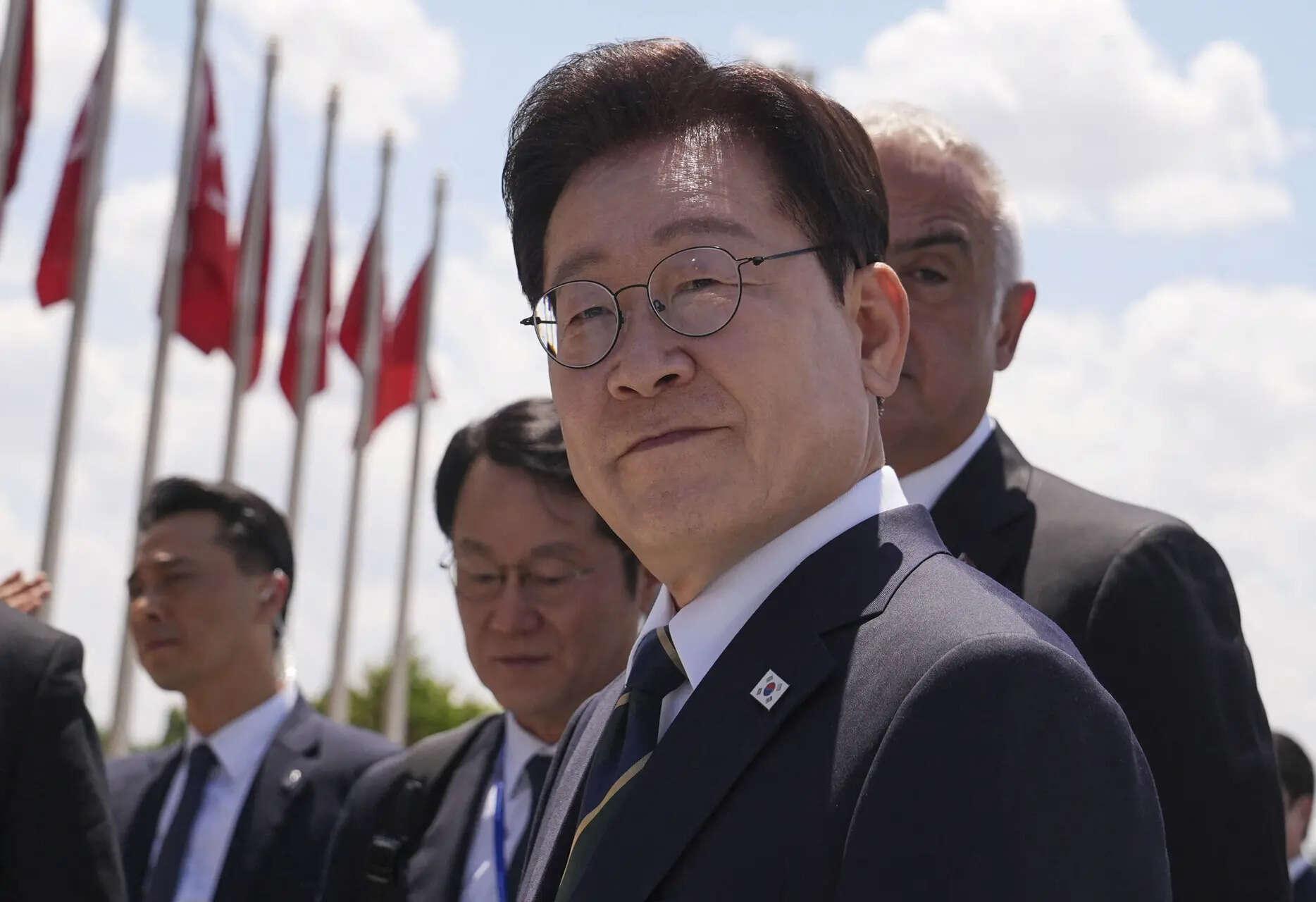
South Korea will use a tax revenue windfall from artificial intelligence chipmakers as a strategic source of investment, President Lee Jae Myung said Monday, describing a "golden window" of opportunity. "These revenues are a valuable national resource that should be invested during the golden window when the global race for AI leadership is being decided," Lee said. View the full article

-
South Korea plans record budget spending exceeding 800 trillion won for fiscal 2027. This significant spending will be supported by stronger tax revenues from the AI chip industry. The government will prioritize investments in chips, AI data centers, and physical AI technologies. Existing spending programs will undergo major restructuring to secure necessary funding capacity. A new Future Response Fund will strategically invest excess tax revenue in key areas. View the full article

-
Indian IT companies like HCL Technologies and Wipro are reporting earnings amid AI concerns. Macroeconomic uncertainty and Middle East conflict add pressure to the sector. Taiwan Semiconductor Manufacturing Company's results will offer a key reality check for the AI boom. Tech Mahindra expects margin expansion from cost-cutting and a large telecom deal. Reliance Industries' earnings were supported by retail and oil-to-chemicals business performance. View the full article

-
KarthikeyanC joined the community
-
Arjunkumar Solanki joined the community
Last week
-
The tech firm's data center chip, code-named "Iris," is part of a four-generation project for Meta Training and Inference Accelerators (MTIA) that it will design in-house. The plan is to use custom-built silicon to improve the AI that powers its Facebook and Instagram social media platforms. View the full article
-
In a post on X, the company said, "We're extending Claude Fable 5 access on all paid plans, as well as keeping Claude Code’s weekly rate limits 50% higher, through July 19." View the full article
-
Tata Consultancy Services is building a large team of forward-deployed engineers. The company is also actively seeking artificial intelligence acquisitions. This strategy aims to create new business opportunities rather than disrupt outsourcing. TCS believes deep client knowledge is key to integrating and deploying AI systems. The firm is investing significantly in talent development and AI accessibility. View the full article
-
Vaishnaw said rapid advances in AI are reshaping the global technology landscape and require continuous learning and innovation. He urged the IT industry to seize the opportunity by developing next-generation technology solutions and strengthening India's position as a global technology leader. View the full article